
2020 Utility Refrigerated Trailers For Sale in South Dakota
Shop 2020 Utility refrigerated trailers in South Dakota. Compare reefer specs, suspension, axle settings, insulation, and cold-chain features.
Learn more
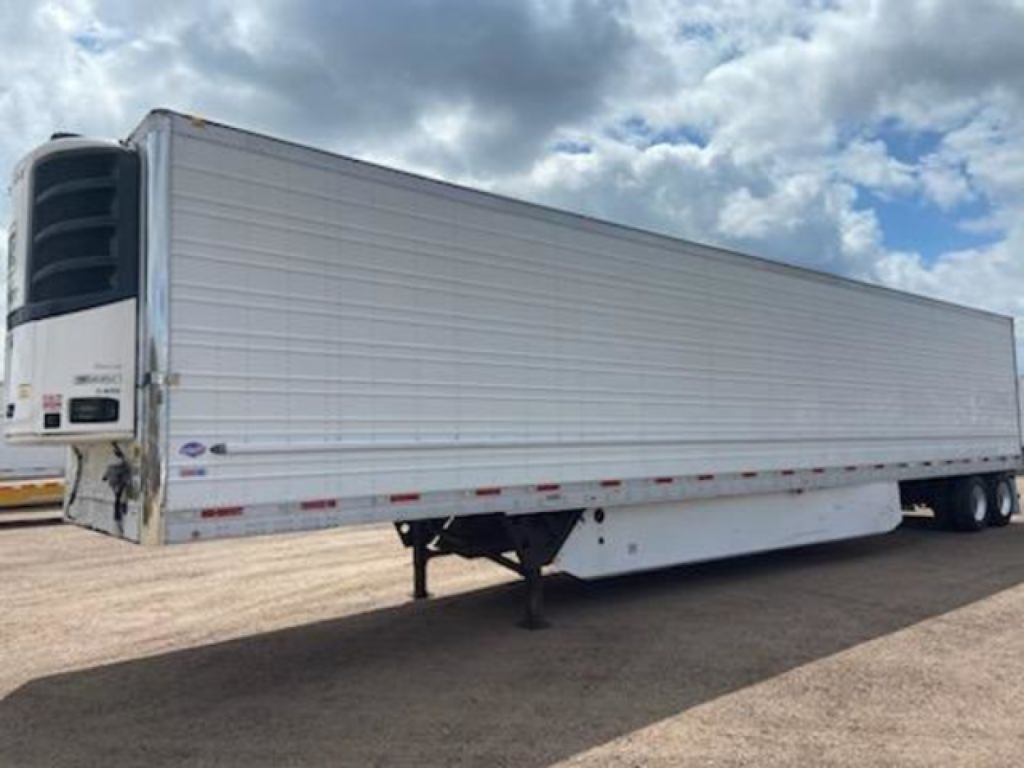
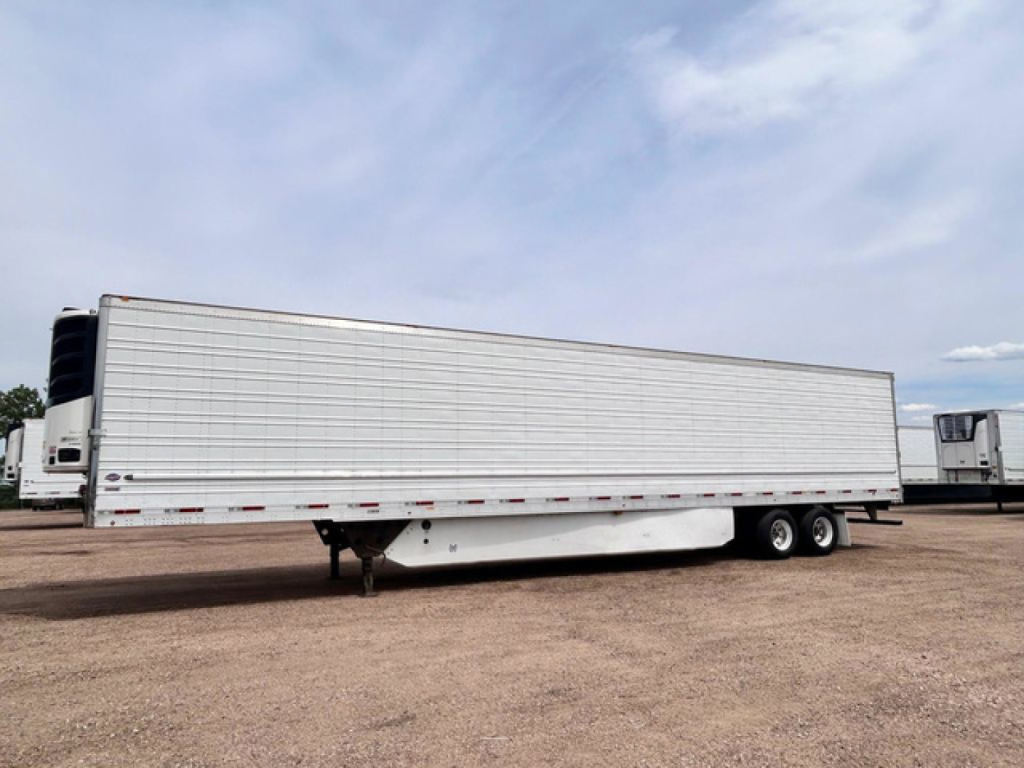
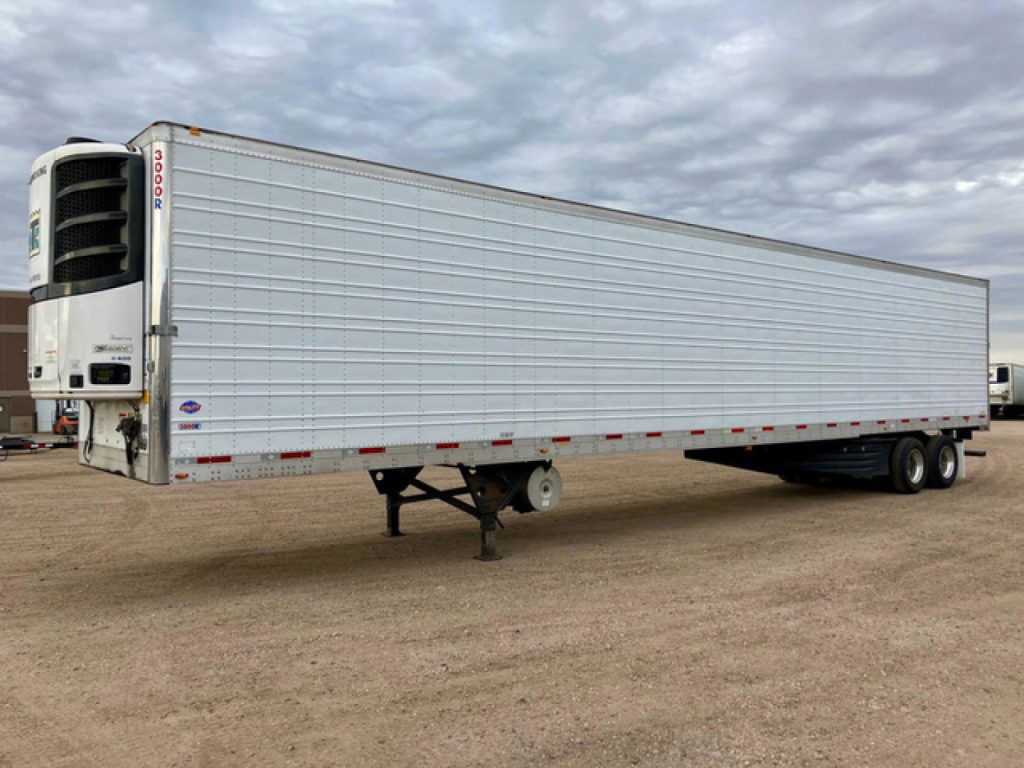
Have 2020 utility refrigerated trailer to sell? List it here to reach thousands of buyers.
About 2020 Utility Refrigerated Trailers in South Dakota
Utility reefer trailers from this era are commonly found in 53-foot configurations with air ride suspension, aluminum wheels, 22.5 tires, and slider tandems. Important build details include roof construction, scuff liner height, ducted or chute-style airflow setup, and the condition of the front wall, sidewalls, and rear frame. The trailer body needs to hold temperature efficiently, so buyers should inspect for moisture intrusion, patched panels, delamination, and damage around door frames or floor-to-wall joints. A sound reefer trailer should pull down temperature quickly, maintain setpoint under load, and show even air distribution from nose to doors.
In South Dakota, reefer buyers often need a trailer that can handle both summer heat and severe winter conditions without losing efficiency. That puts extra attention on insulation performance, door hardware, and the reefer unit's ability to cycle cleanly in cold weather. Sliding tandem position is also worth checking if the trailer will run across multiple state bridge laws or operate in tight dock environments. Tire condition, brake wear, air system leaks, and suspension bushing life can have a direct effect on uptime, especially for long regional runs where a reefer shutdown can turn into a cargo claim fast.
A 2020 Utility reefer can be a strong fit for fleets and owner-operators hauling fresh or frozen freight who want a late-model trailer without stepping into new-trailer pricing. The best choice usually comes down to cargo profile and lane requirements. Multi-stop grocery work may call for excellent door cycle durability and consistent airflow, while long-haul frozen freight puts more value on insulation integrity and reefer runtime history. Buyers comparing listings should look past basic year and brand and pay close attention to reefer maintenance records, trailer body condition, suspension spec, axle spacing, and any signs that the unit has been worked hard in high-cycle service.
Frequently Asked Questions
What should I inspect first on a 2020 Utility refrigerated trailer?
Start with the reefer unit hours, maintenance history, and how well the trailer body holds temperature. Then inspect the floor for wear or soft spots, check door seals and rear frame condition, and look closely for panel damage, moisture intrusion, or repairs around the front wall and sidewall joints. A reefer trailer is only as good as its insulation package and body integrity, so cosmetic issues can matter if they point to air leaks or water entry.
Are Utility reefer trailers a good choice for food and frozen freight?
Utility refrigerated trailers are widely used in food-grade and frozen applications because they are a proven platform with broad parts support and familiar construction. They are commonly spec'd for grocery, produce, meat, dairy, and frozen distribution. The real deciding factor is not just the brand name but the condition of the insulated body, floor, doors, and refrigeration system, since those determine temperature control and cargo protection.
Why does tandem slider position matter on a refrigerated trailer?
A sliding tandem affects weight distribution, bridge law compliance, and how the trailer behaves in loading docks and tight yards. Reefer loads can scale differently depending on product density and pallet count, so adjustable axle spacing gives more flexibility across states and customers. Buyers should confirm the slider operates smoothly, locks properly, and shows no major damage or excessive wear in the rail system.
What is the most important difference between a clean reefer trailer and a costly one to own?
The biggest difference is usually hidden in temperature retention and deferred maintenance. A trailer with a solid floor, tight doors, dry insulated walls, and a well-documented refrigeration unit will generally be more predictable to operate. A trailer that looks acceptable but has air leaks, patched structural areas, poor pull-down performance, or neglected brakes and suspension can become expensive through fuel burn, repair downtime, and rejected loads.
Is a 2020 reefer trailer a practical age for a fleet or owner-operator?
Yes, a 2020 model often sits in a useful middle ground between purchase price and remaining service life. It is new enough to offer late-model construction and modern spec choices, but old enough that buyers can often evaluate real maintenance patterns instead of guessing how a new trailer will age. The key is verifying reefer service records, body condition, tire and brake life, and signs of heavy multi-stop use that may accelerate wear.