
2020 Utility Refrigerated Trailers For Sale
Browse 2020 Utility refrigerated trailers. Compare reefer specs, insulation, suspension, tires, doors, and refrigeration unit details.
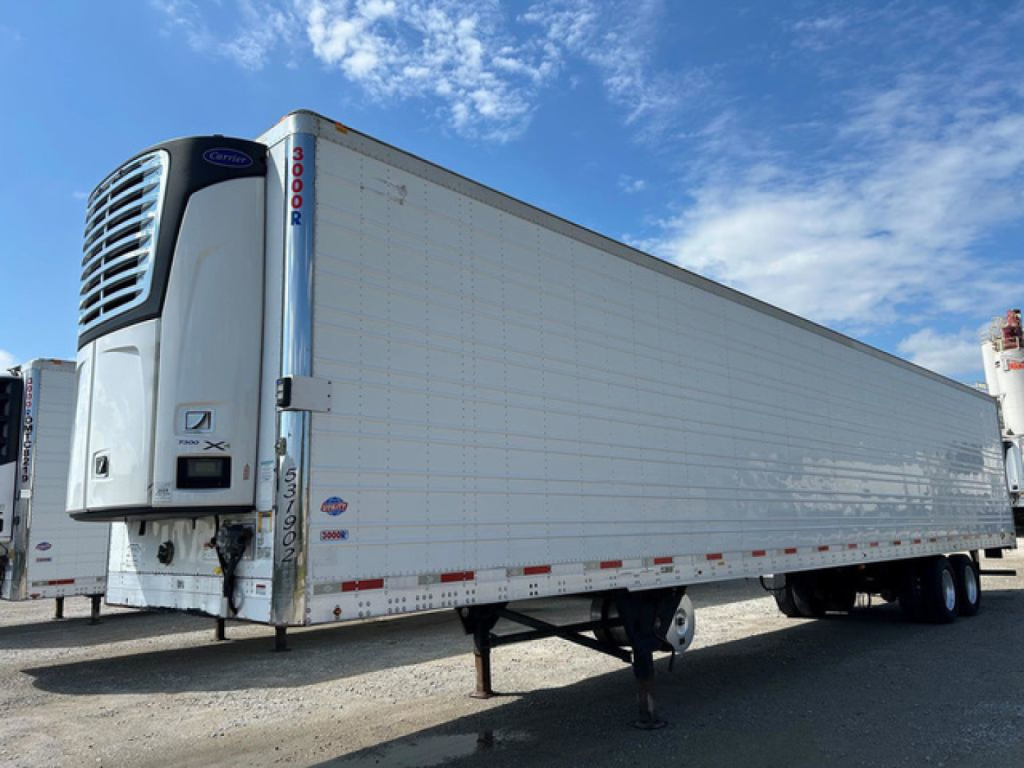
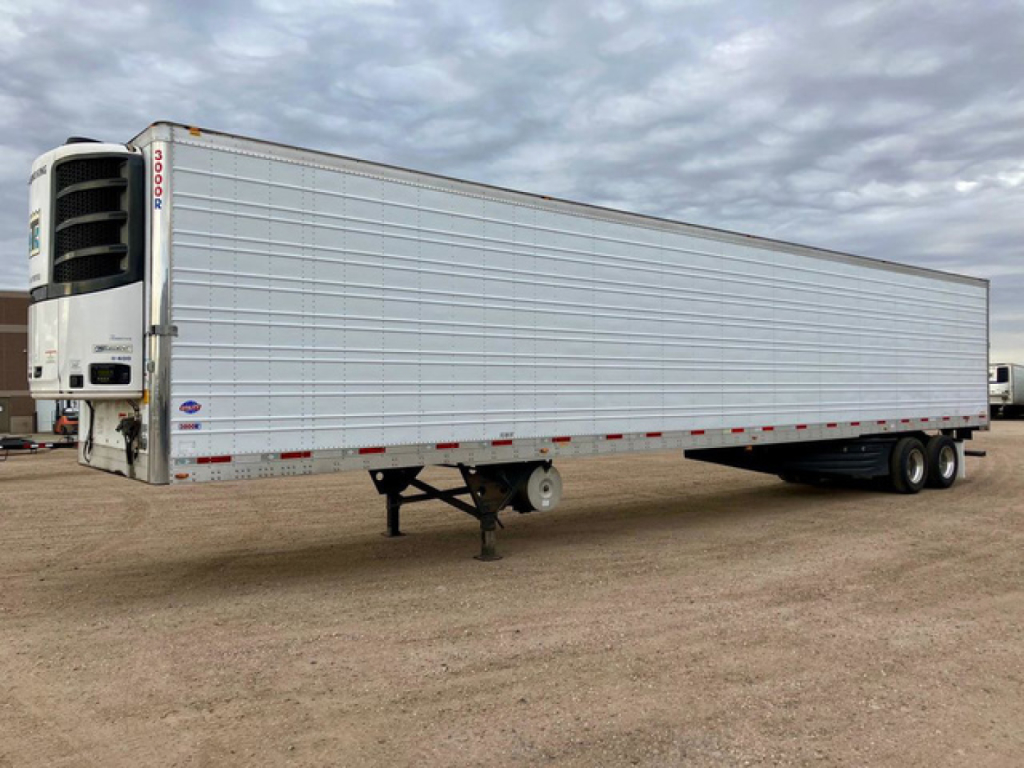
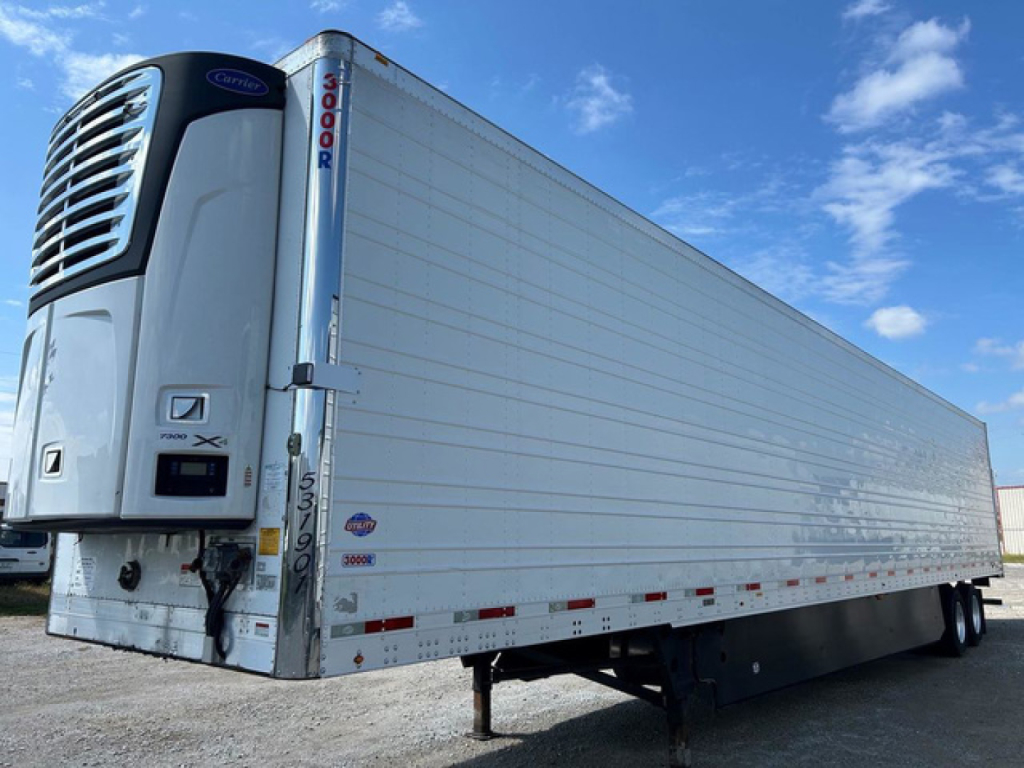

Have 2020 utility refrigerated trailer to sell? List it here to reach thousands of buyers.
2020 Utility Refrigerated Trailers
Utility reefer trailers from this era are typically 53-foot vans built around a lightweight insulated structure with a ducted ceiling, aluminum roof, and lined interior such as Versitex or similar scuff-resistant wall systems. Common spec points include air-ride suspension, sliding tandem axle spacing, 22.5-inch tires, aluminum wheels, swing rear doors, and logistics-ready interiors with load securement options. Floor condition matters more than many buyers expect. Heavy forklift traffic, washout practices, and drain management all affect floor life and thermal efficiency. Door seals, rear frame corrosion, and any signs of water intrusion around the front wall or roof should also be inspected closely.
The refrigeration package is the biggest value driver on a used reefer. Many 2020 Utility trailers carry Thermo King or Carrier units, and buyers should compare unit hours, maintenance history, diesel versus electric standby capability, defrost performance, and temperature pull-down time under load. If the trailer will run multi-stop distribution, look closely at bulkheads, return air flow, and how well the interior lining has held up to pallet contact. For long-haul frozen work, insulation performance, fuel consumption, and continuous-run reliability usually outweigh small differences in wheel or suspension spec.
A 2020 model often lands in a practical middle ground for buyers who want modern trailer features without paying late-model pricing. The best candidates usually show even tire wear, healthy brake life, clean structural rails, straight rear doors, and a reefer unit with documented service intervals. Utility remains a well-known reefer brand because these trailers are widely accepted across shipper networks and can be configured for both high-cube dry-cold freight and strict temperature-sensitive applications.
Frequently Asked Questions about 2020 Utility Refrigerated Trailers
What should I check first on a 2020 Utility refrigerated trailer?
Start with the refrigeration unit, trailer body, and floor. Unit hours, service records, active fault codes, and pull-down performance tell you more about value than appearance alone. On the trailer itself, inspect the insulated walls, ceiling liner, door seals, rear frame, and floor wear from forklifts. Tire condition, brake life, suspension components, and signs of water intrusion should also be part of the first inspection.
Are 2020 Utility reefer trailers good for food-grade freight?
Yes, many are well suited for food-grade service if the trailer has been maintained correctly. Utility refrigerated trailers are commonly used in grocery, frozen, dairy, meat, and produce operations. Interior liner condition, washout history, odor control, floor integrity, and door seal performance are key factors. A clean trailer with a sound refrigeration unit and intact insulation can be a very practical choice for food distribution.
How important are refrigeration unit hours on a used reefer trailer?
Refrigeration unit hours are one of the most important metrics on a used reefer because they indicate wear on the engine, compressor system, and related components. Higher hours are not automatically a problem if maintenance has been consistent, but they do affect expected repair timing and resale value. Buyers should compare hours along with maintenance records, unit model, fuel usage, and current operating performance.
What specs are common on a Utility refrigerated trailer from this year range?
Common specs include a 53-foot insulated van body, air-ride suspension, sliding tandem axles, 22.5-inch tires, aluminum wheels, swing rear doors, and an aluminum roof. Many trailers in this class also have interior scuff liners such as Versitex, ducted ceilings for airflow, and refrigeration units from major brands like Carrier or Thermo King. Exact configuration varies by fleet application, especially in regional grocery versus long-haul frozen service.
Is a 2020 Utility reefer better for regional delivery or long-haul work?
It can fit either application, but the right choice depends on the refrigeration unit setup and interior configuration. Regional multi-stop operations benefit from strong door seal condition, fast temperature recovery, durable interior lining, and good airflow management. Long-haul work puts more emphasis on insulation efficiency, unit reliability, fuel consumption, and stable temperature control over extended transit. The trailer's prior use often gives a good clue about which role it is best suited for next.