
Used 2016 Utility Reefer Trailers For Sale
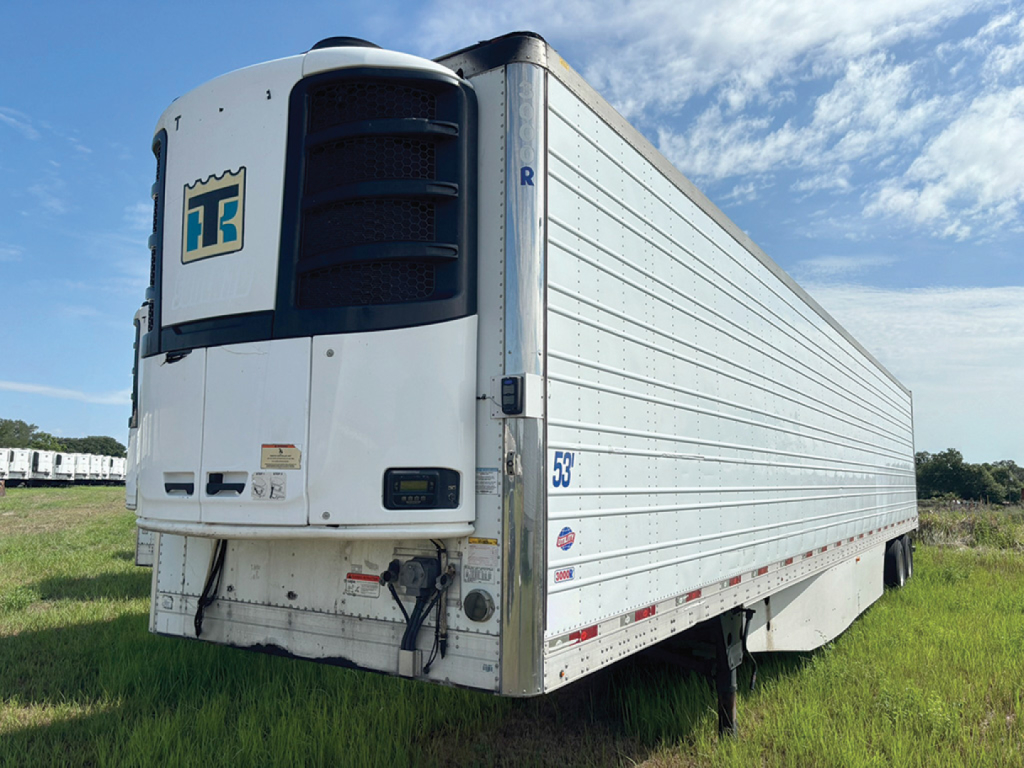
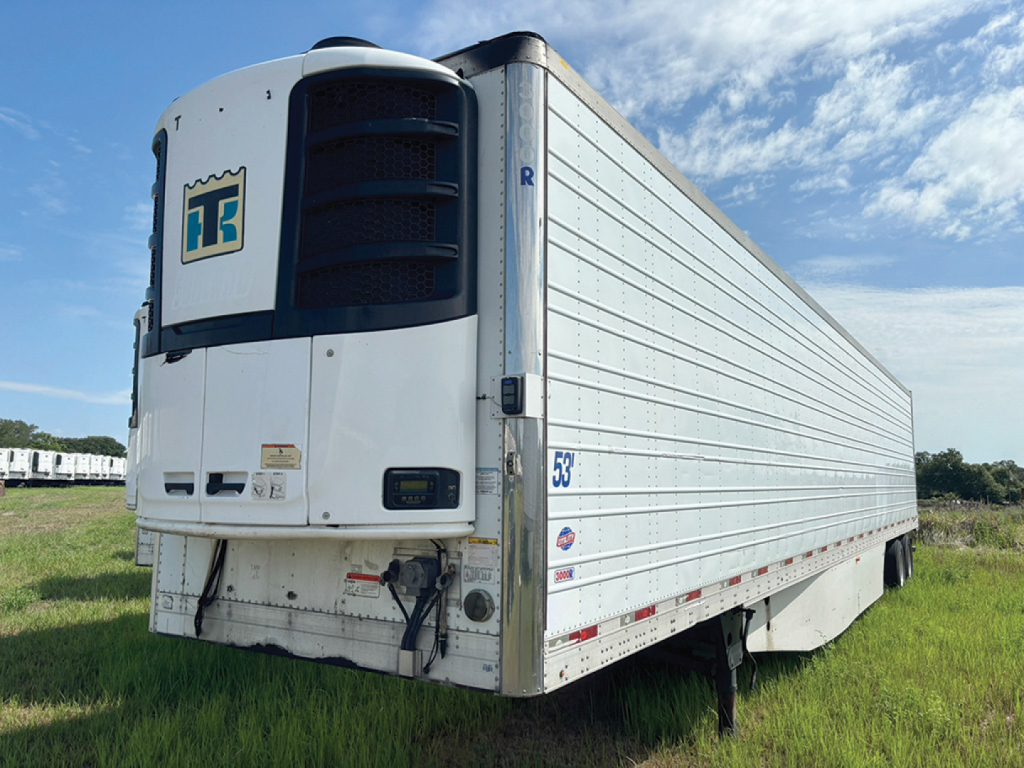
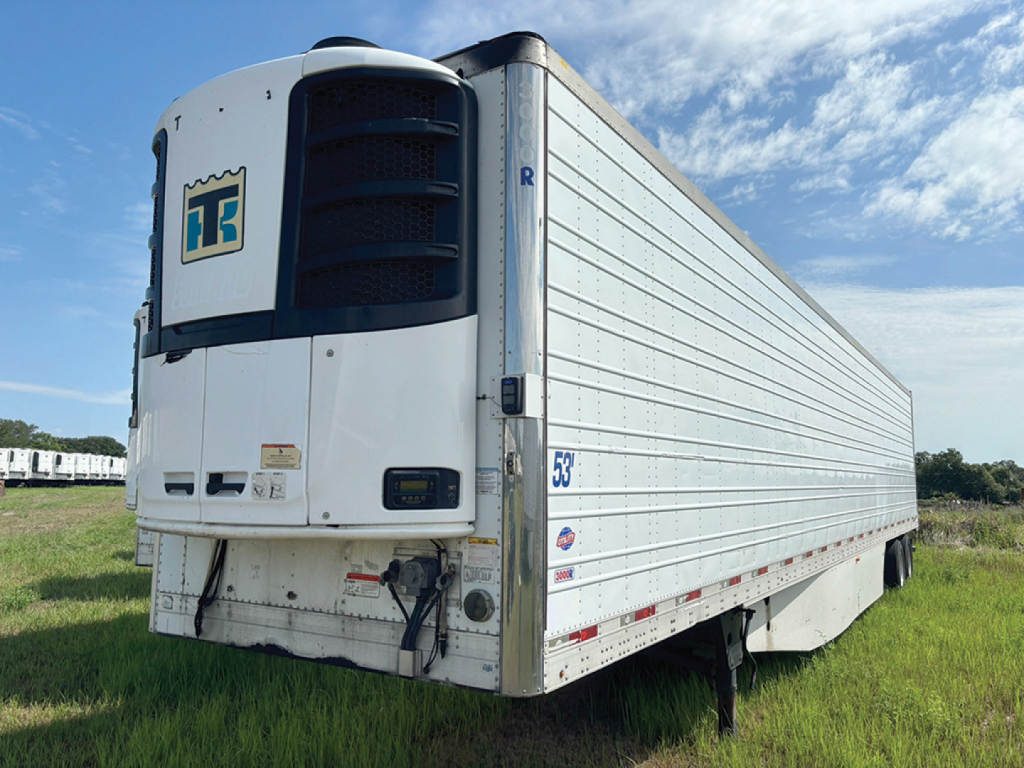
Showing 25 to 27 of 27 results
Have used 2016 utility reefer trailer to sell? List it here to reach thousands of buyers.
Used 2016 Utility Reefer Trailers
A 2016 Utility reefer trailer is often equipped with features that matter in dock-heavy and multi-stop work. Common specs include a heavy-duty aluminum duct floor for airflow under pallets, scuff liners or scuff plate to protect interior walls, a cold chute to improve front-to-rear temperature consistency, and stainless steel front radius panels, rear frame components, or door frames for corrosion resistance. Many units in this class also carry swing doors, side skirts, sliding tandems, air ride suspension, and 22.5 low-profile tires. Tire inflation systems are also common on fleet-spec trailers from this period, especially on higher-mileage over-the-road applications where tire management affects uptime and fuel economy.
The refrigeration unit deserves close attention on any used 2016 Utility reefer. Buyers will commonly find Thermo King Precedent or Carrier X-Series units paired with these trailers, and the right choice depends on service network preference, emissions compliance, noise expectations, and the type of freight being hauled. Review engine hours, electric standby if equipped, reefer run history, download data if available, and recent maintenance on items like belts, compressors, evaporators, and sensors. It also pays to inspect the trailer body as carefully as the reefer unit. Look for floor wear at the threshold, damage around the rear frame, door seal condition, evidence of patching in the lining, and signs that airflow has been compromised by floor dents or blocked channels.
For fleet buyers and owner-operators alike, a used 2016 Utility refrigerated trailer can be a practical fit for regional food distribution or long-haul cold chain work if the spec matches the lane. Sliding tandem position, kingpin setting, and door configuration should line up with bridge law, dock access, and cube requirements in the regions where the trailer will run. Side skirts can help fuel economy on highway routes, while stainless rear components and a durable interior package tend to matter more on high-cycle delivery work. Utility reefers from this era remain attractive because parts support is broad, the trailers are familiar to most maintenance shops, and the 3000R platform is widely accepted across refrigerated freight operations.
Frequently Asked Questions about Used 2016 Utility Reefer Trailers
What is the most common configuration for a used 2016 Utility reefer trailer?
The most common setup is a Utility 3000R 53-foot refrigerated trailer with 102-inch width, 13-foot 6-inch overall height, and about 101 inches of interior height. Many are spec'd with air ride suspension, sliding tandems, swing doors, aluminum duct floors, scuff protection, and either a Thermo King Precedent or Carrier refrigeration unit. That combination fits mainstream grocery and frozen freight operations and is easy to place into general refrigerated service.
What should I inspect first on a used 2016 Utility reefer trailer?
Start with the refrigeration unit, then move to the body and floor. Verify reefer engine hours, maintenance records, temperature performance, alarm history, and any recent major repairs. On the trailer itself, inspect the duct floor for crushed channels, check door seals and hinges, look at the rear frame and threshold for impact damage, and review the interior lining for punctures or patched areas. A trailer can look clean outside and still have airflow or insulation issues that affect temperature control.
Are 2016 Utility reefers good for multi-temp or high-cycle distribution work?
They can be, but the exact suitability depends on the reefer unit spec and interior setup. A standard single-temp trailer with a cold chute and proper airflow management works well for many high-cycle foodservice and grocery loads. If the application requires strict compartment control or frequent door openings, buyers should confirm the unit capacity, door condition, and any bulkhead or multi-temp equipment before assuming it will match the route.
Why do buyers often look for aluminum duct floors and stainless rear components on reefer trailers?
An aluminum duct floor helps maintain consistent air circulation under the load, which is critical for frozen and temperature-sensitive freight. Stainless rear frames, door frames, and front radius panels hold up better against corrosion and repeated dock contact than painted steel components. Those features do not eliminate wear, but they usually improve service life and help the trailer stay presentable in fleet use.
How important are sliding tandems and tire inflation systems on a used Utility reefer?
Sliding tandems are important because they affect bridge compliance, axle distribution, and dock maneuverability across different states and freight profiles. Tire inflation systems are valuable on high-mileage reefer trailers because they help maintain proper pressure, reduce irregular tire wear, and support better roadside reliability. Both features are common on fleet-spec Utility reefers and can add practical value if the trailer is running regularly over the road.