
Used 2016 Utility Reefer Trailers For Sale in Illinois
Have used 2016 utility reefer trailer to sell? List it here to reach thousands of buyers.
Used 2016 Utility Reefer Trailers in Illinois
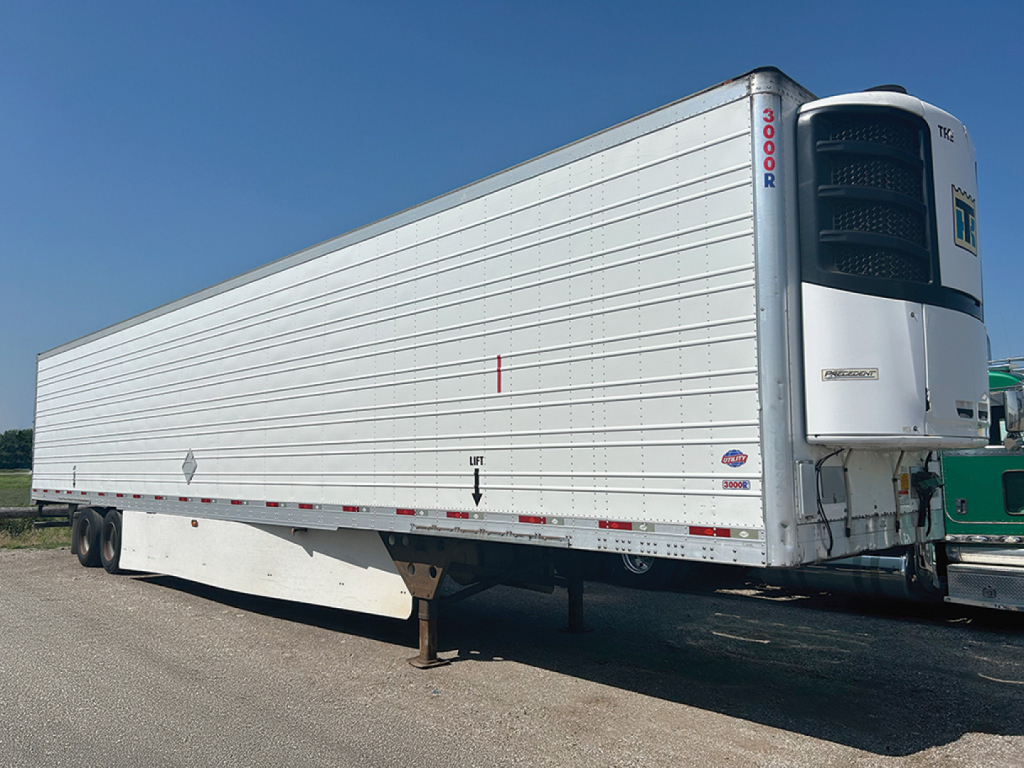
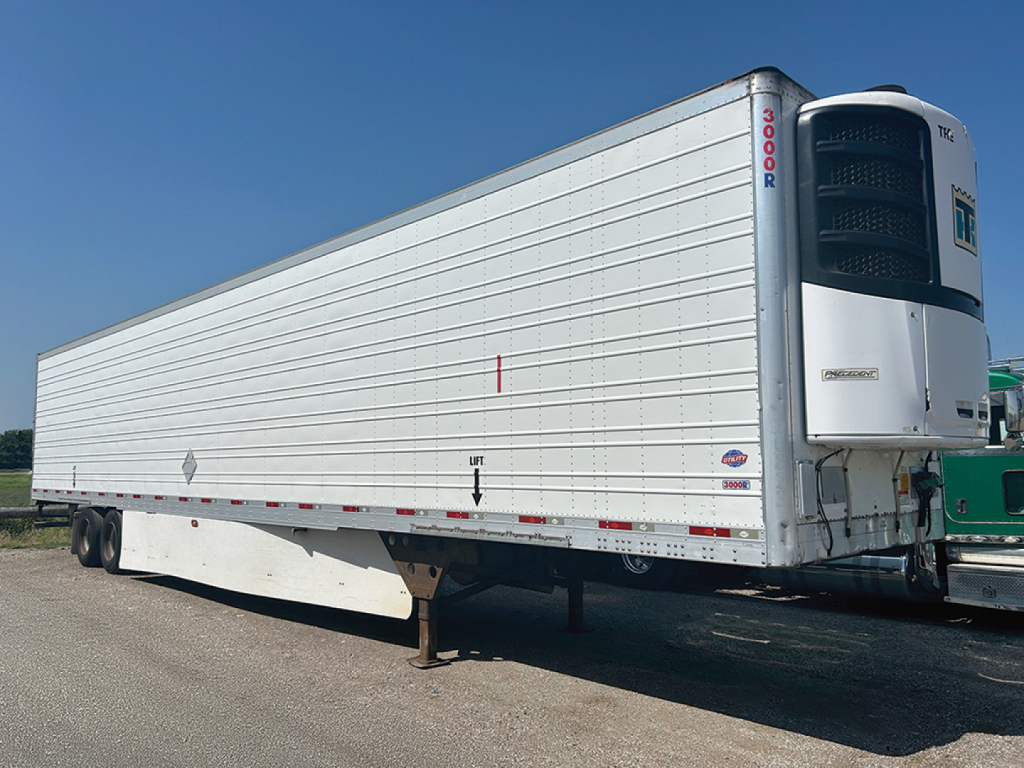
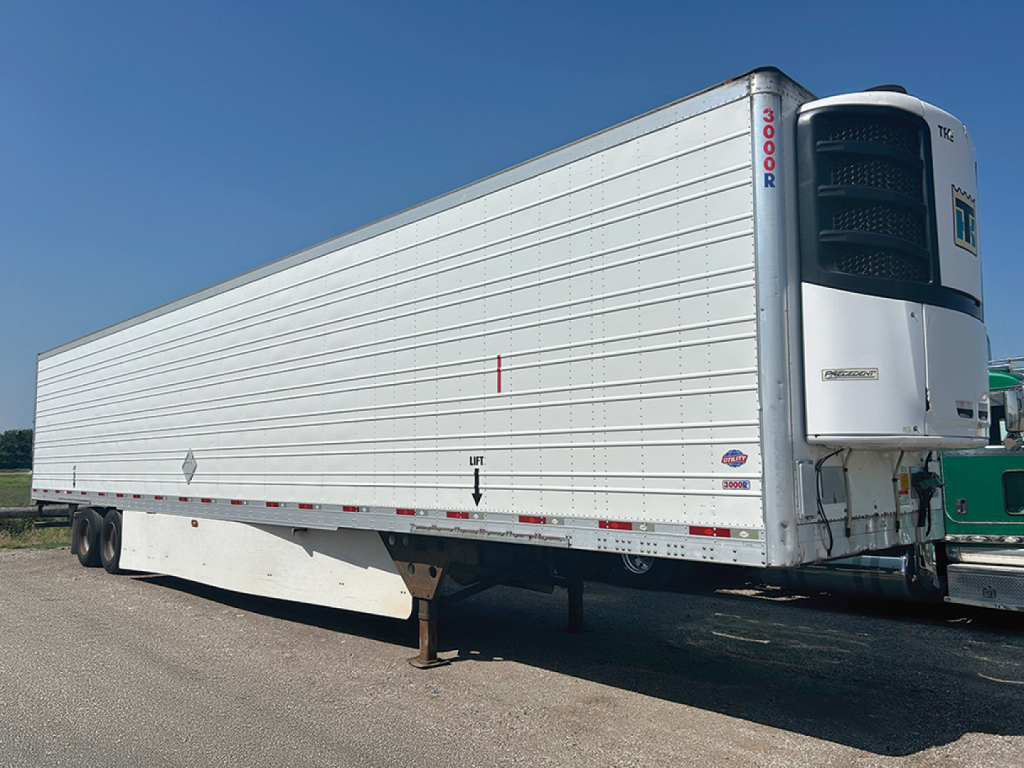
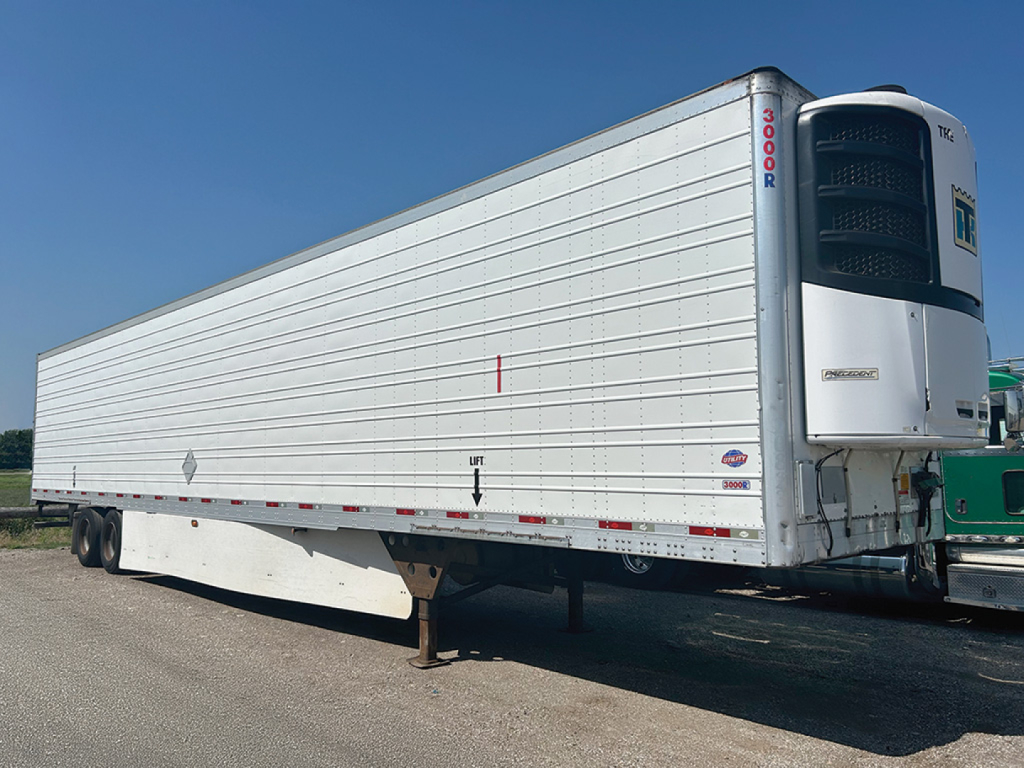
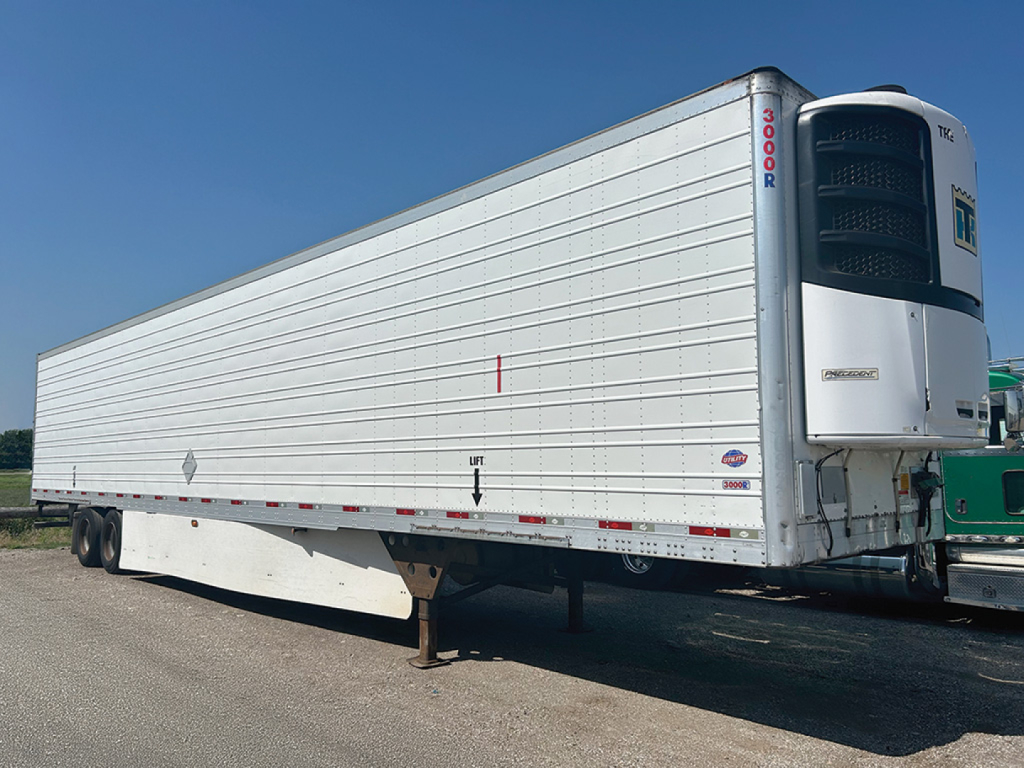
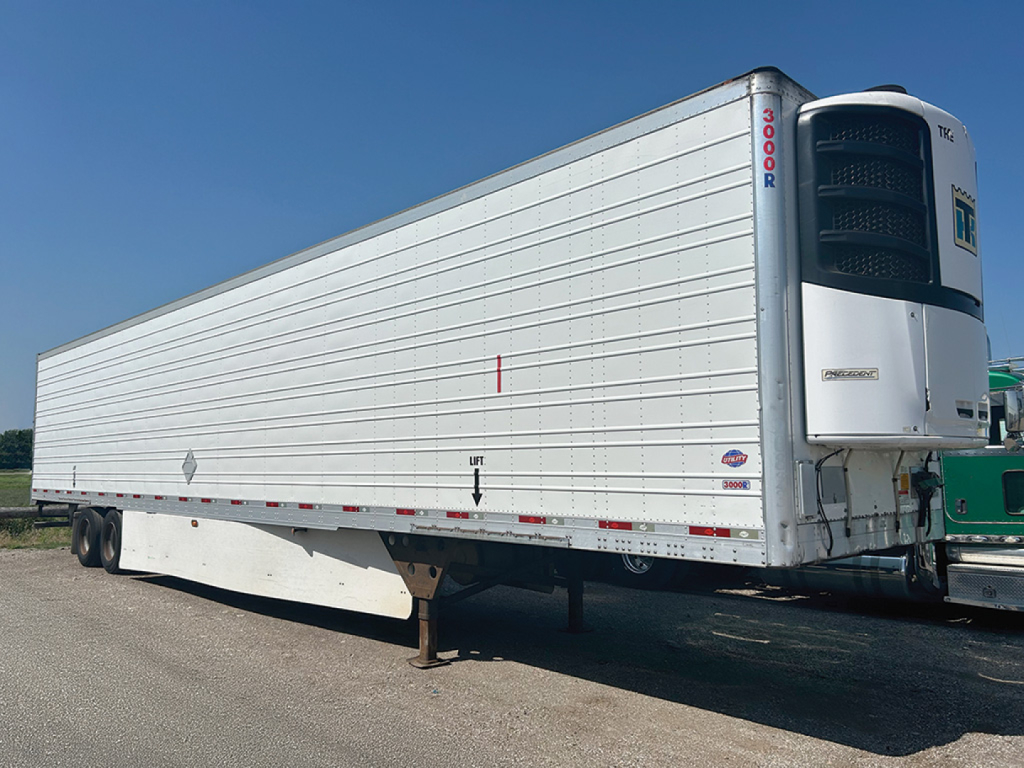
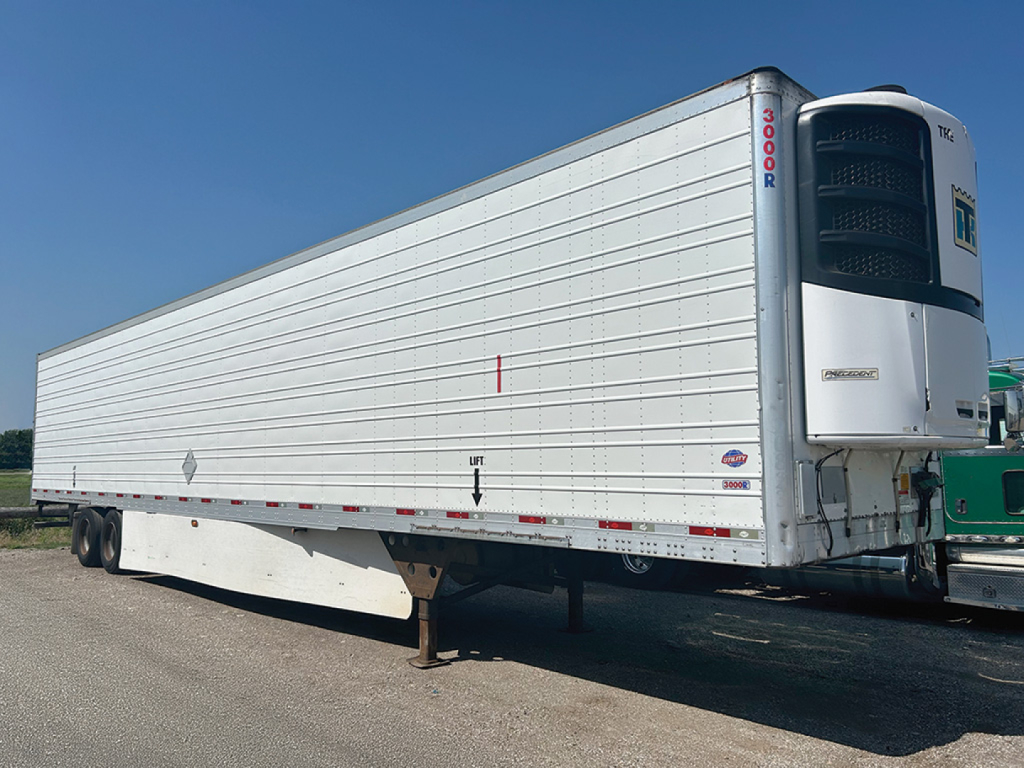
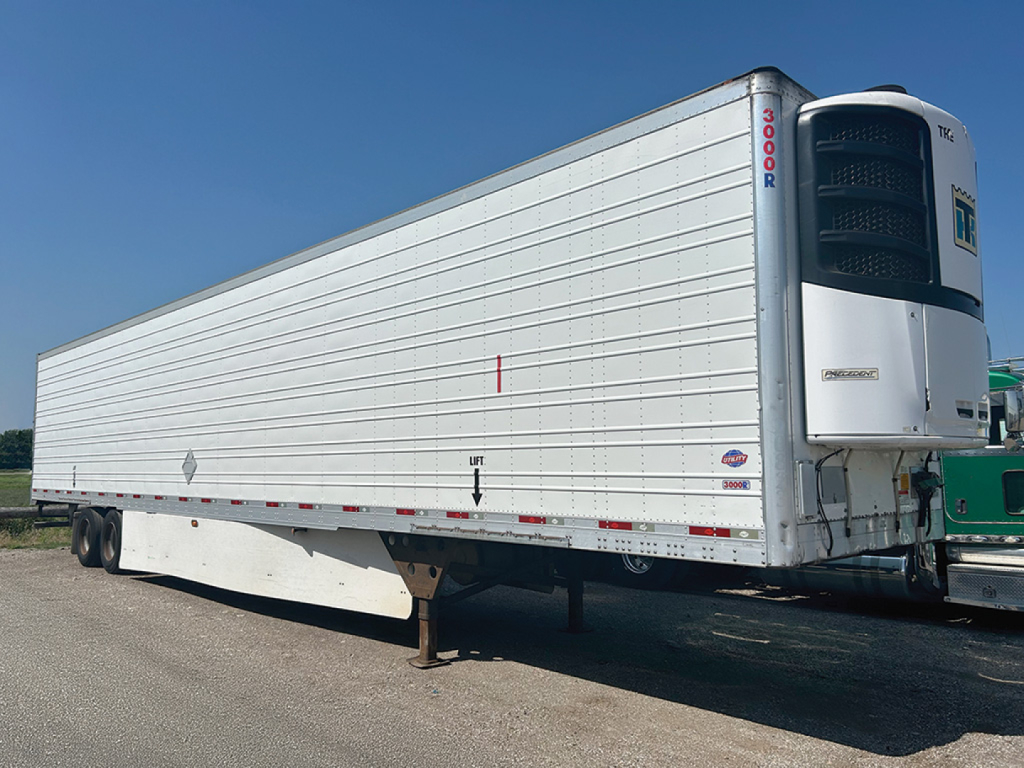
On a 2016 Utility reefer, pay close attention to floor and airflow design. Aluminum duct floors and cold chutes help maintain consistent return air movement, which is critical for protecting temperature-sensitive loads. Scuff liners or scuff plates, stainless steel door frames, and quilted or stainless swing doors are also common on this class of trailer and can tell you a lot about how the trailer was spec’d for dock work and multi-stop service. Tire inflation systems, side skirts, and low-profile 22.5 tires are features many fleet buyers prefer because they can reduce operating costs and help with uptime. If you haul produce, dairy, meat, or pharmaceuticals, cargo area condition is just as important as the reefer unit hours.
Illinois buyers should also consider lane profile, emissions compliance, and winter performance. A reefer that spent most of its life on Midwest regional routes may show the usual corrosion points around the rear frame, crossmembers, drain areas, and door hardware, so underbody inspection matters. Check the bulkhead, interior lining, floor wear, door seal integrity, and evidence of past panel repairs. On the refrigeration side, review engine hours, unit maintenance records, defrost operation, fuel tank condition, and whether the unit pulls down temperature quickly under load. A clean used 2016 Utility reefer with documented service history can still be a productive trailer for regional or over-the-road refrigerated freight.
The real buying decision usually comes down to application fit. A trailer running frozen lanes with frequent door openings needs strong insulation retention, tight seals, and dependable airflow management. A shipper-focused regional operation may place more value on side skirts, tire inflation systems, and low empty weight. Utility reefers are popular because parts support is strong, resale is generally stable, and most fleets already know how these trailers behave in everyday service. When comparing listings, focus on reefer unit brand and hours, body condition, floor type, tandem setup, and signs of prior structural or interior damage before you focus on cosmetics.
Frequently Asked Questions about Used 2016 Utility Reefer Trailers in Illinois
What are the common specs on a used 2016 Utility reefer trailer?
Most used 2016 Utility reefer trailers are 53 feet long, 102 inches wide, and 13 feet 6 inches tall. Common specs include a Utility 3000R body, air ride suspension, sliding tandem, swing rear doors, aluminum duct floor, and 22.5 low-profile tires. Many are equipped with Thermo King Precedent or Carrier reefer units, and some include side skirts, tire inflation systems, stainless door frames, and cold chutes.
What should I inspect first on a used reefer trailer?
Start with the refrigeration unit, floor, doors, and trailer structure. Confirm the reefer unit starts cleanly, holds setpoint, cycles properly, and has service records that match the engine hours. Then inspect the floor for gouging or soft spots, check the rear frame and crossmembers for corrosion, and make sure the door seals are tight with no daylight or air leaks. Interior lining damage, bulkhead repairs, and poor airflow components can affect temperature performance just as much as the unit itself.
Is a 2016 Utility reefer trailer still a good choice for fleet or owner-operator use?
Yes, a well-maintained 2016 Utility reefer can still be a strong value in temperature-controlled freight. Utility trailers have broad parts support, good market acceptance, and a reputation for practical fleet serviceability. The key is not just age but total condition, reefer unit hours, structural integrity, and maintenance history. A clean trailer with documented PMs and solid insulation performance can still work effectively in regional or long-haul refrigerated service.
Which reefer unit is better on this trailer class, Thermo King or Carrier?
Both Thermo King and Carrier are widely used and both can be good choices if local dealer support is strong. Thermo King Precedent units are common on Utility reefers from this period and are familiar to many fleets and technicians. Carrier units are also proven in the field and may be preferred by buyers already standardized on Carrier service networks. The better choice usually depends on maintenance history, parts availability in your lanes, and how well the unit performs on pull-down, defrost, and fuel efficiency.
Why do floor design and airflow features matter on a reefer trailer?
Reefer trailers cool cargo by moving air through the box, not just by making cold air at the unit. An aluminum duct floor and a cold chute help maintain proper air circulation from the front of the trailer to the rear and back as return air. If the floor is damaged, blocked, or worn smooth in the wrong areas, airflow can suffer and hot spots can develop. That matters most on frozen freight, multi-stop delivery, and high-value loads where tight temperature consistency is required.