
Used 2016 Utility Reefer Trailers For Sale in Florida
Have used 2016 utility reefer trailer to sell? List it here to reach thousands of buyers.
Used 2016 Utility Reefer Trailers in Florida
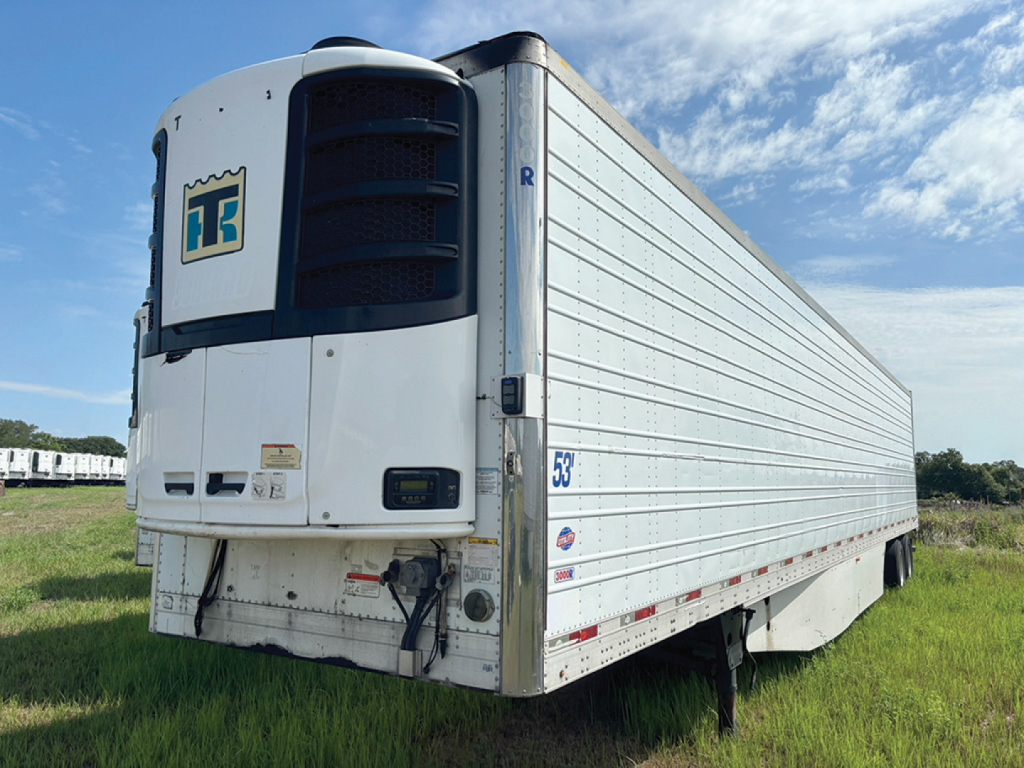
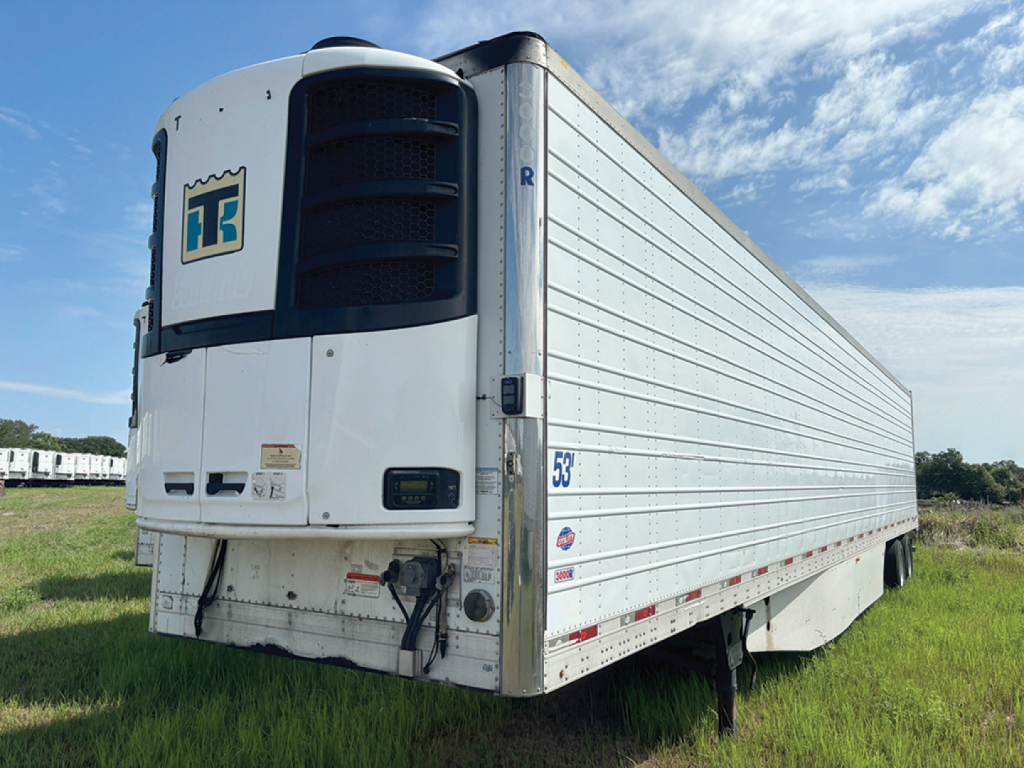
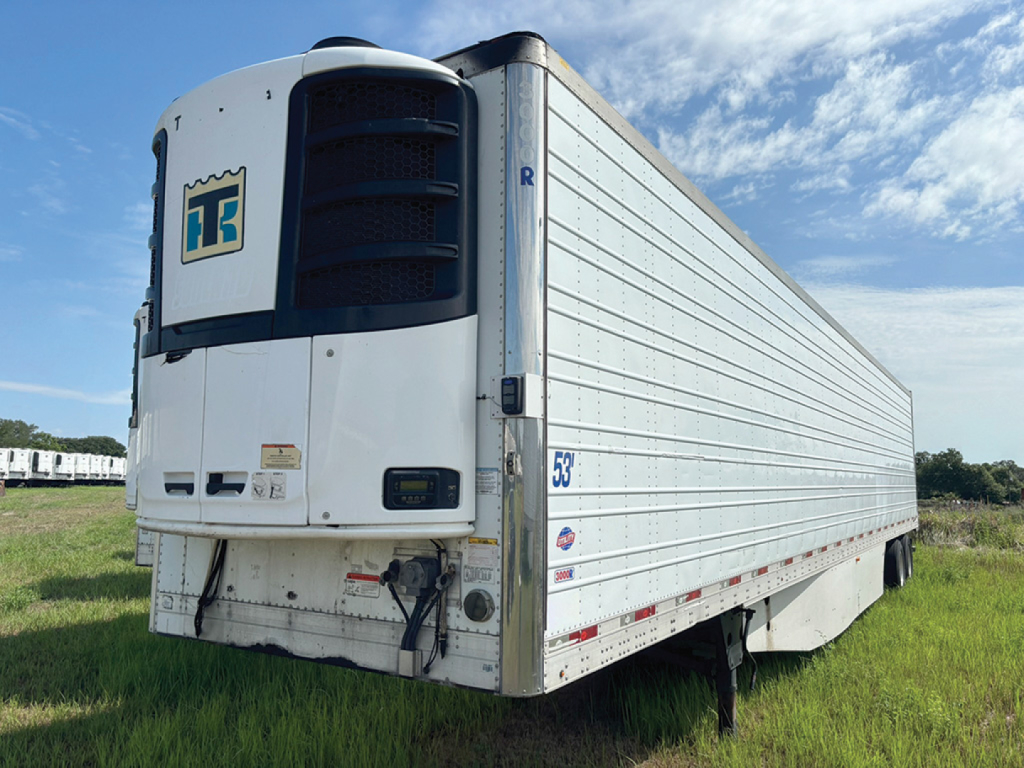
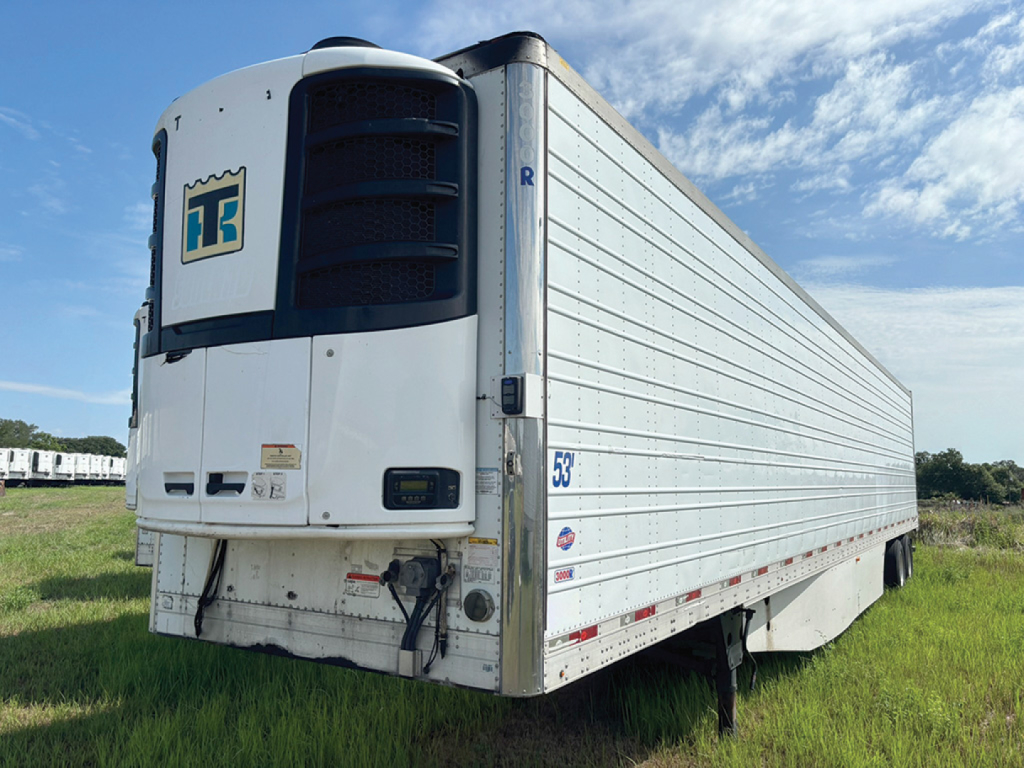
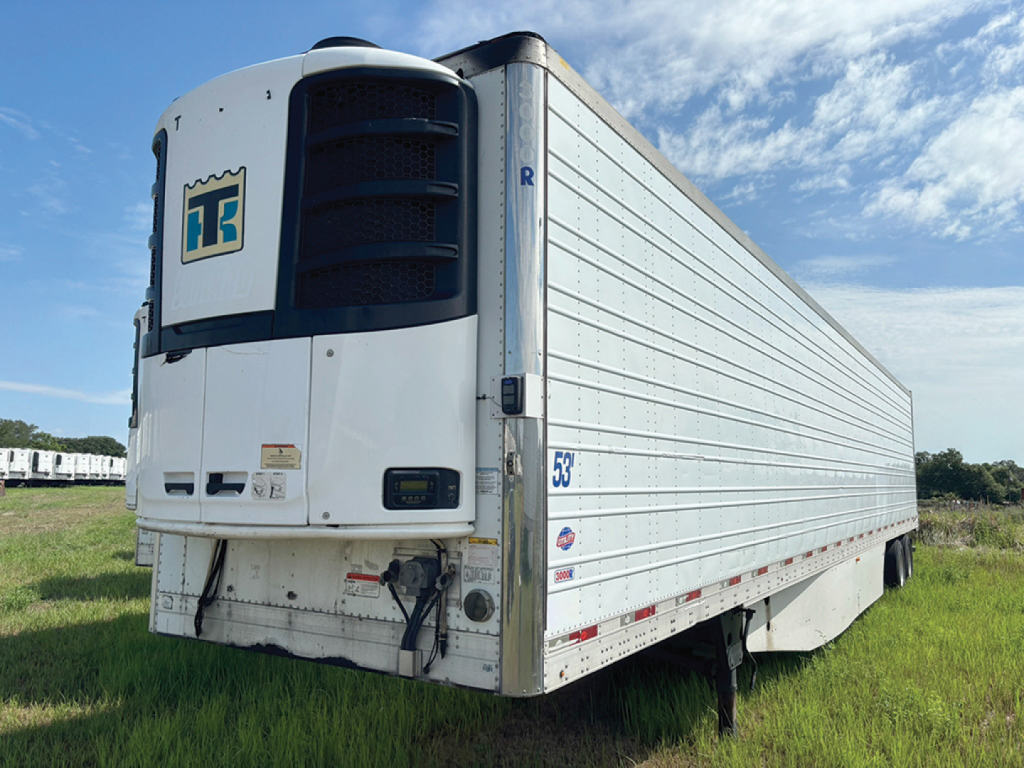
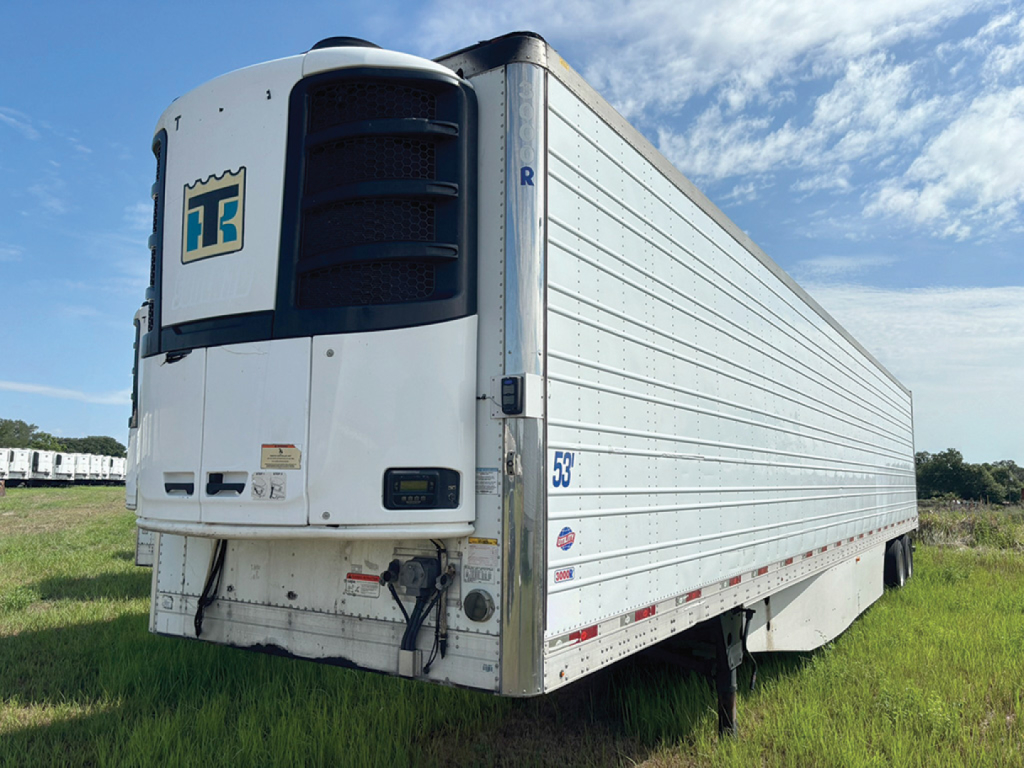
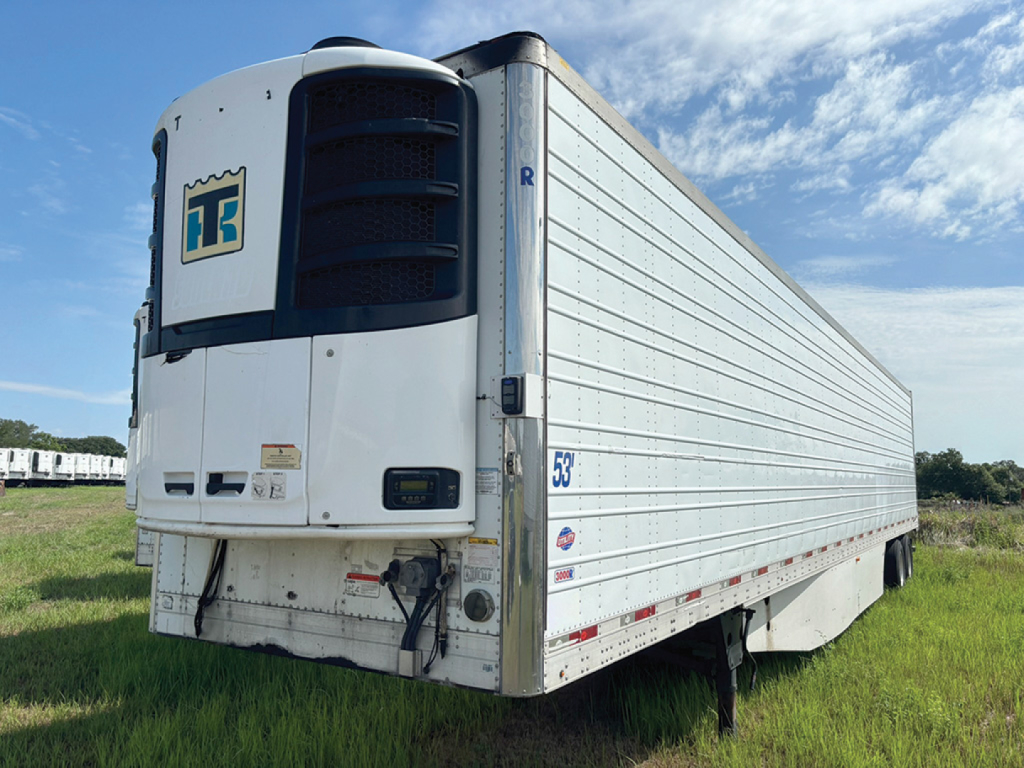
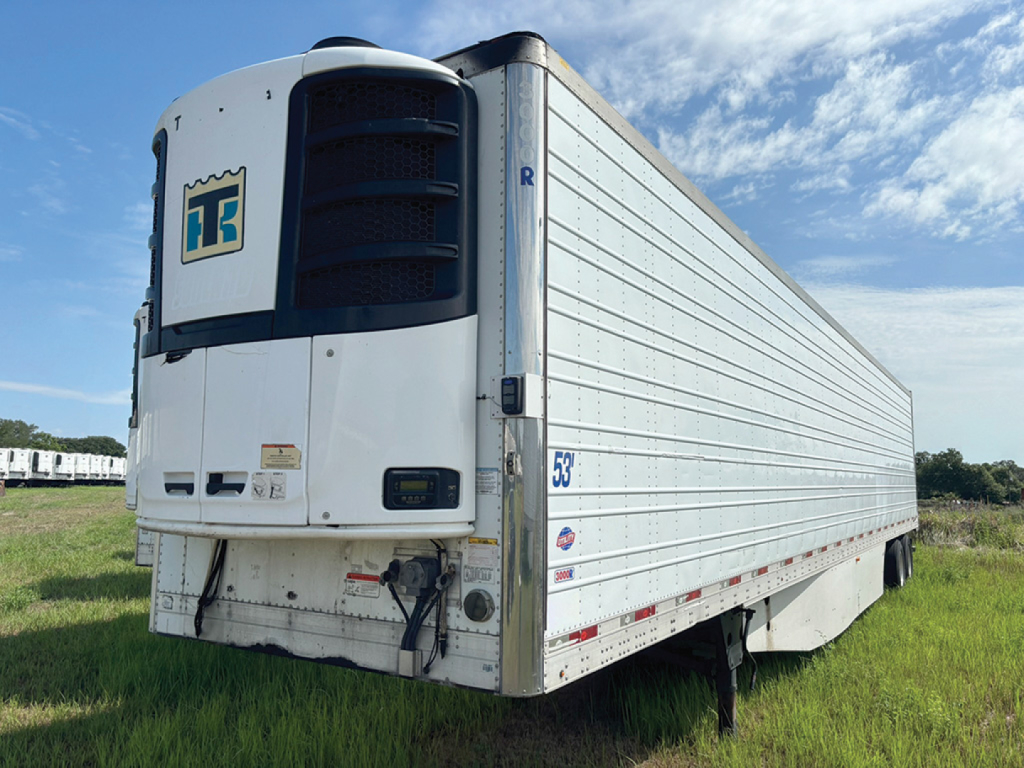
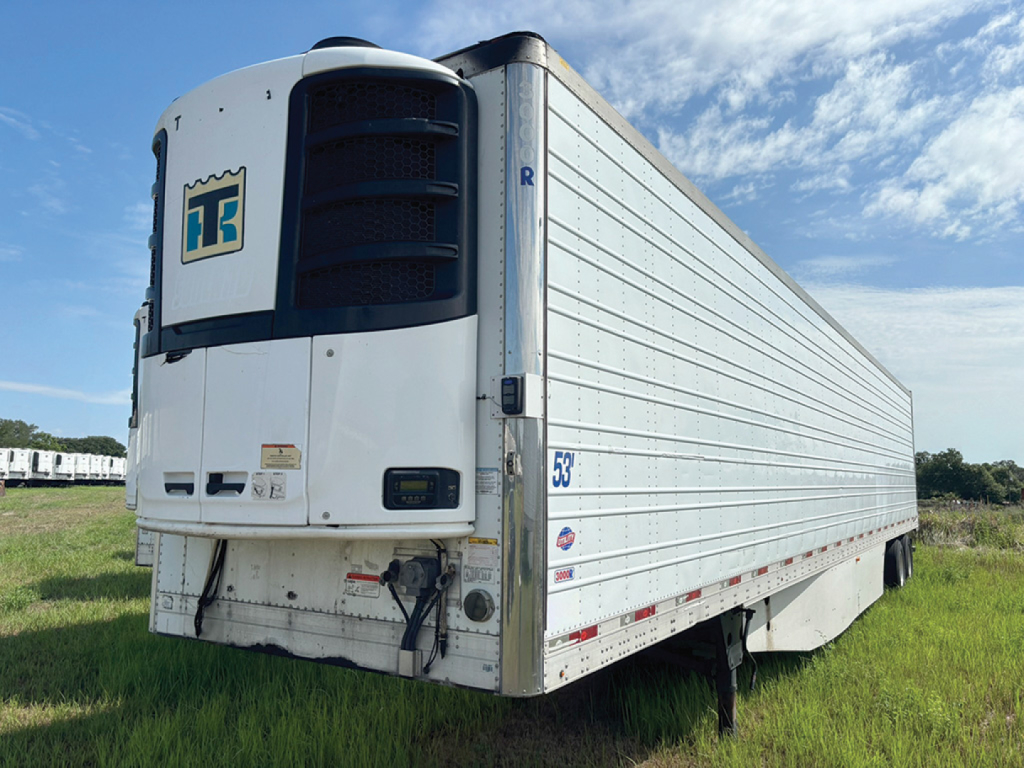
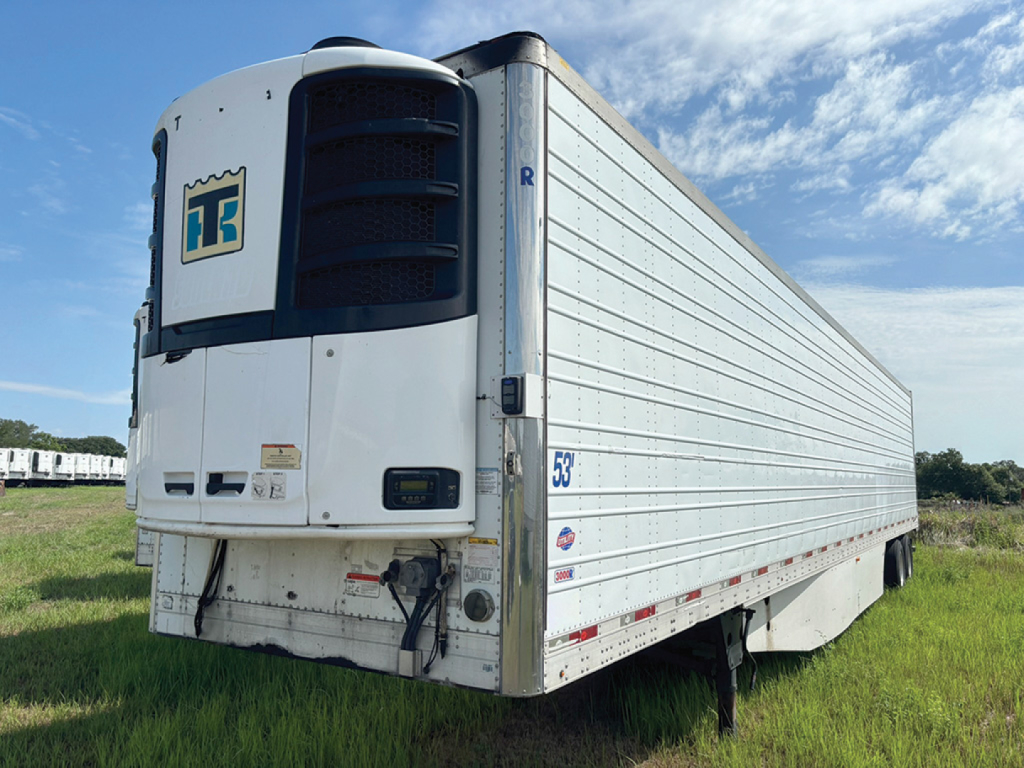
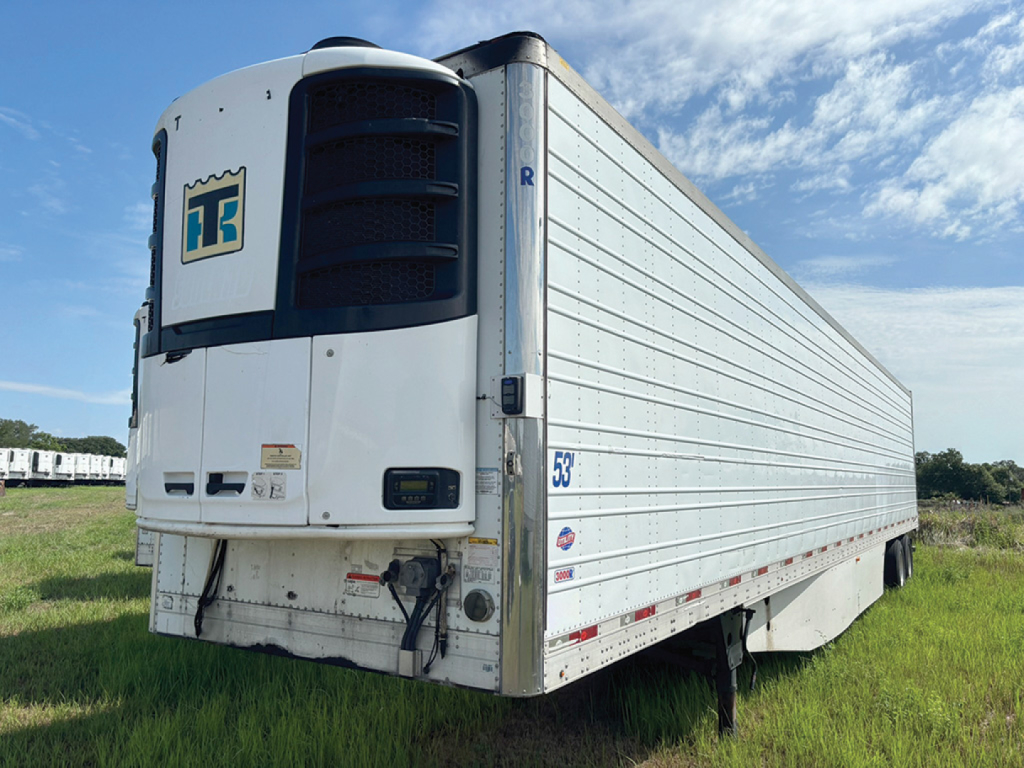
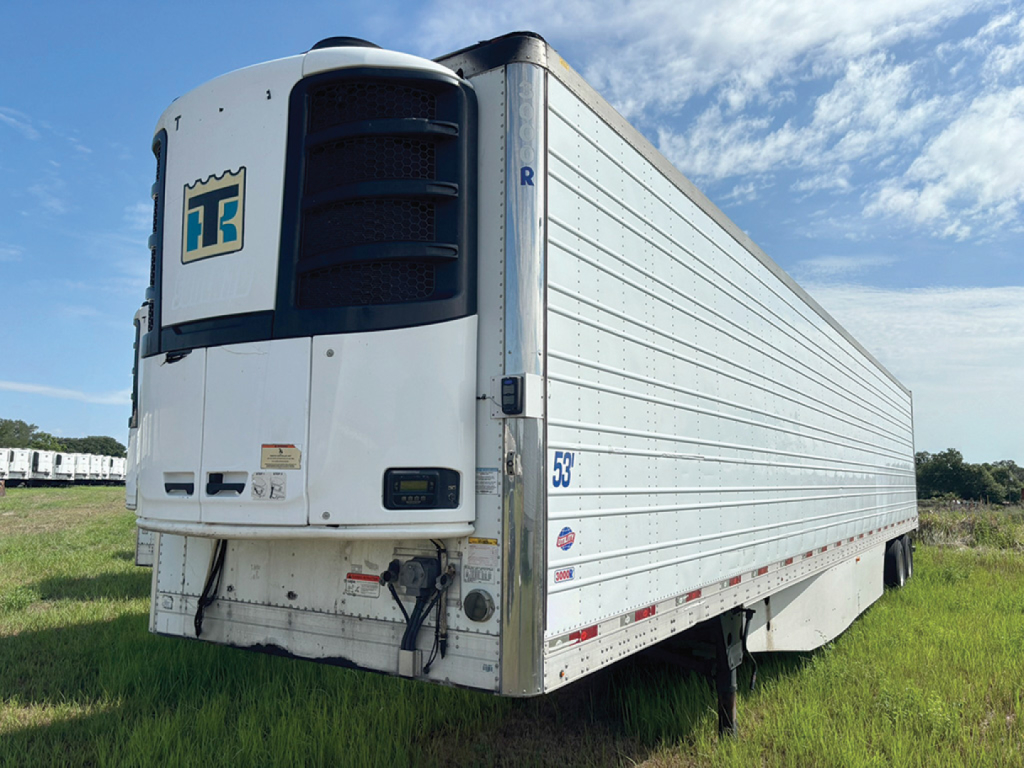
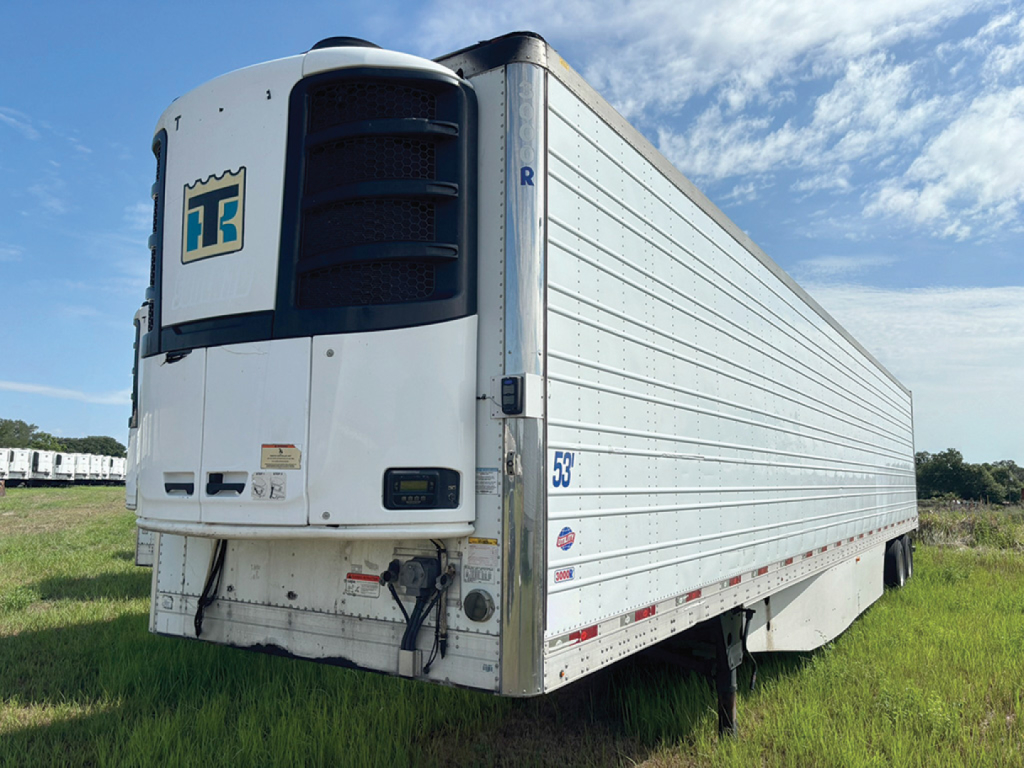
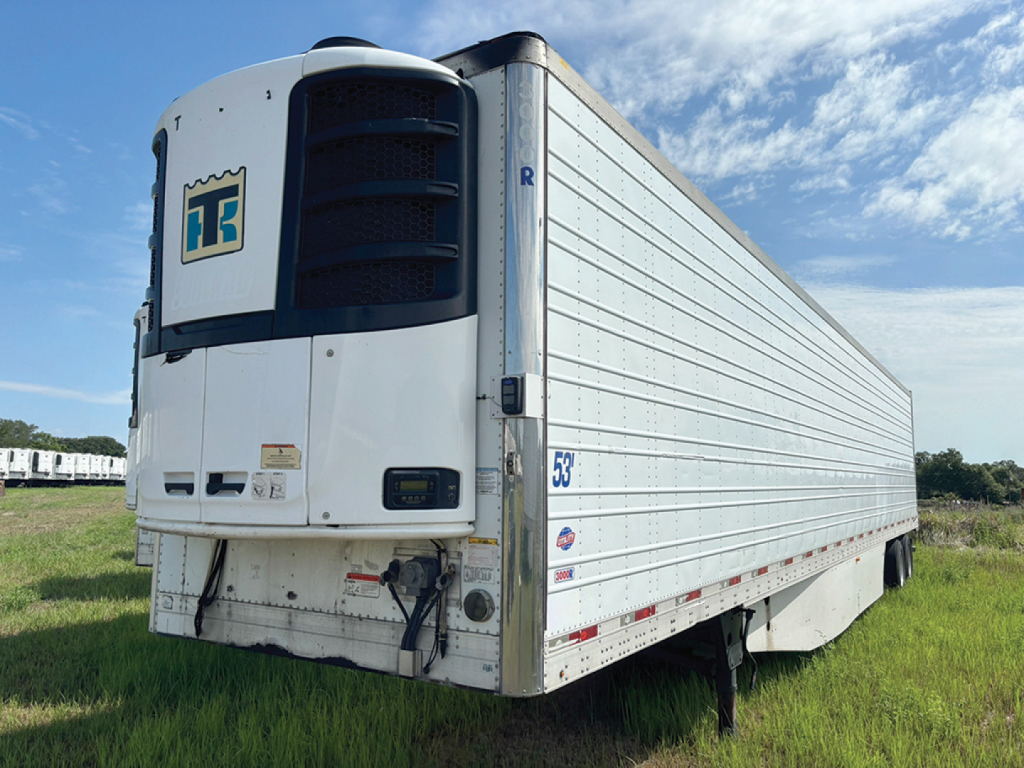
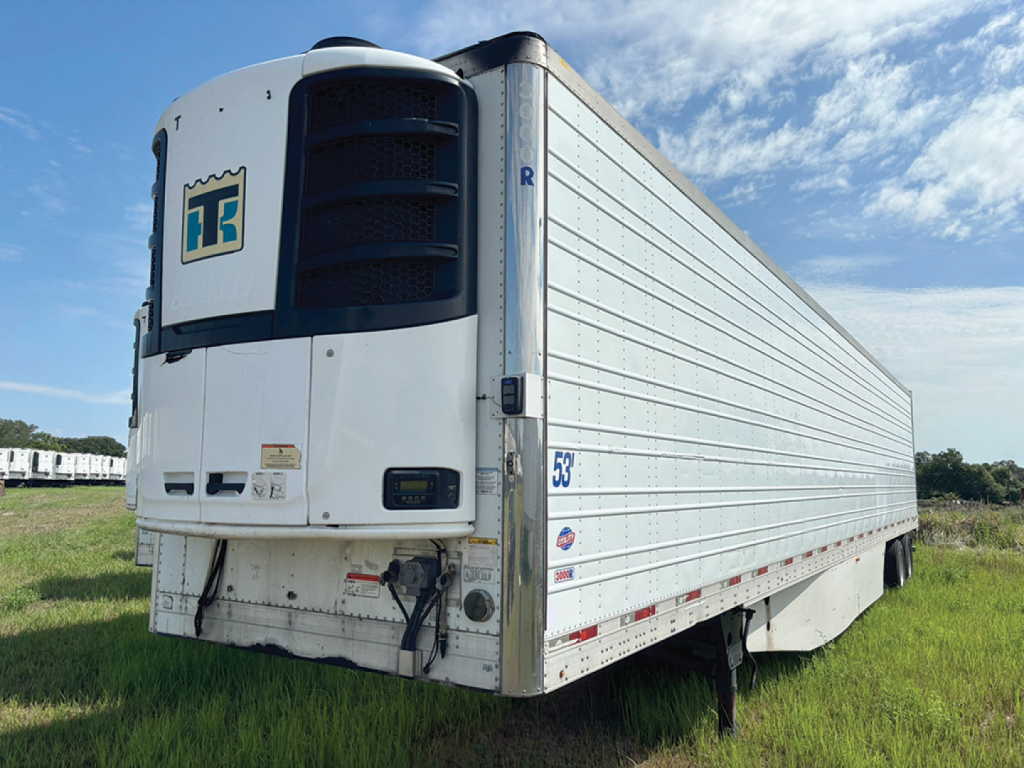
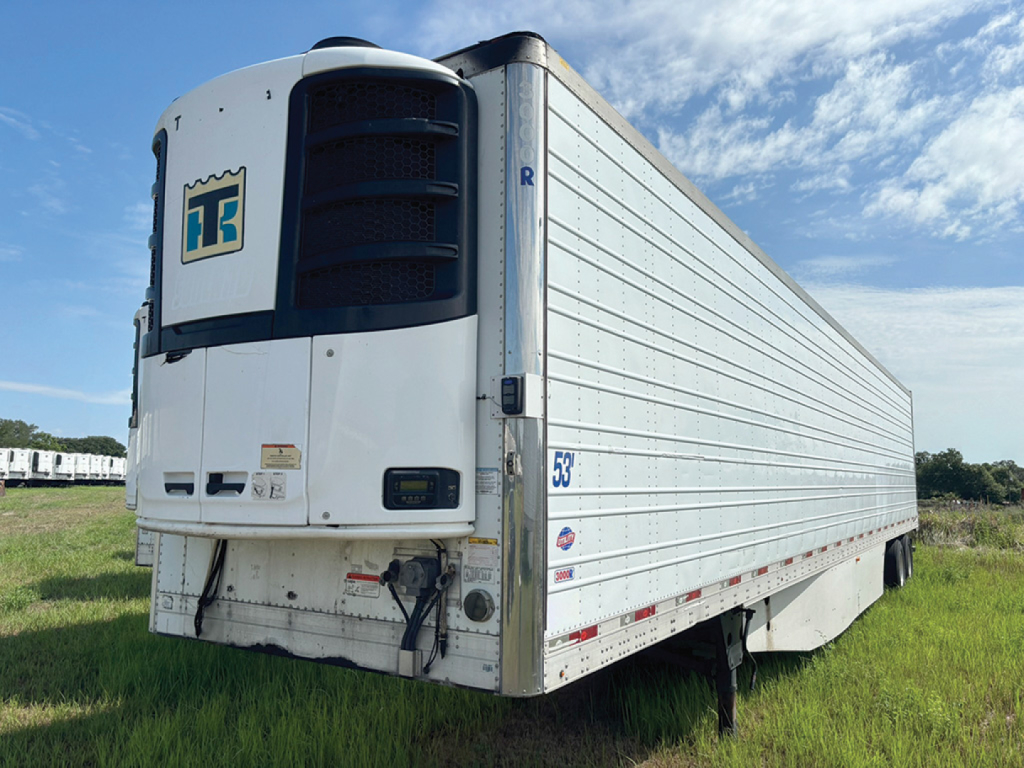
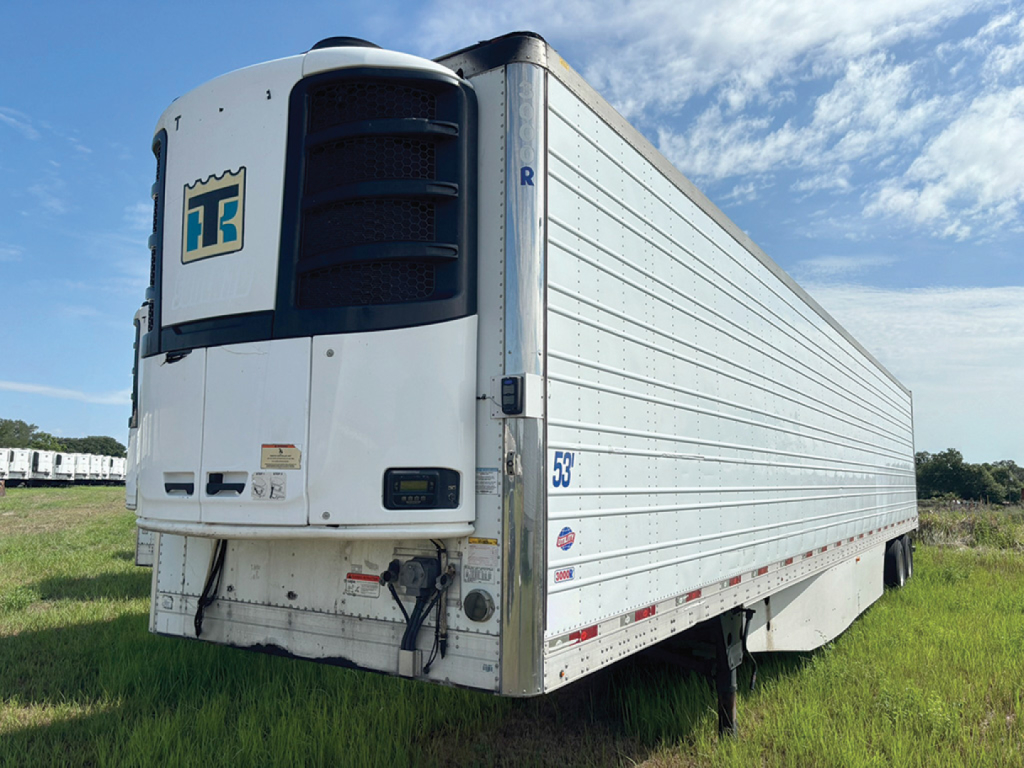
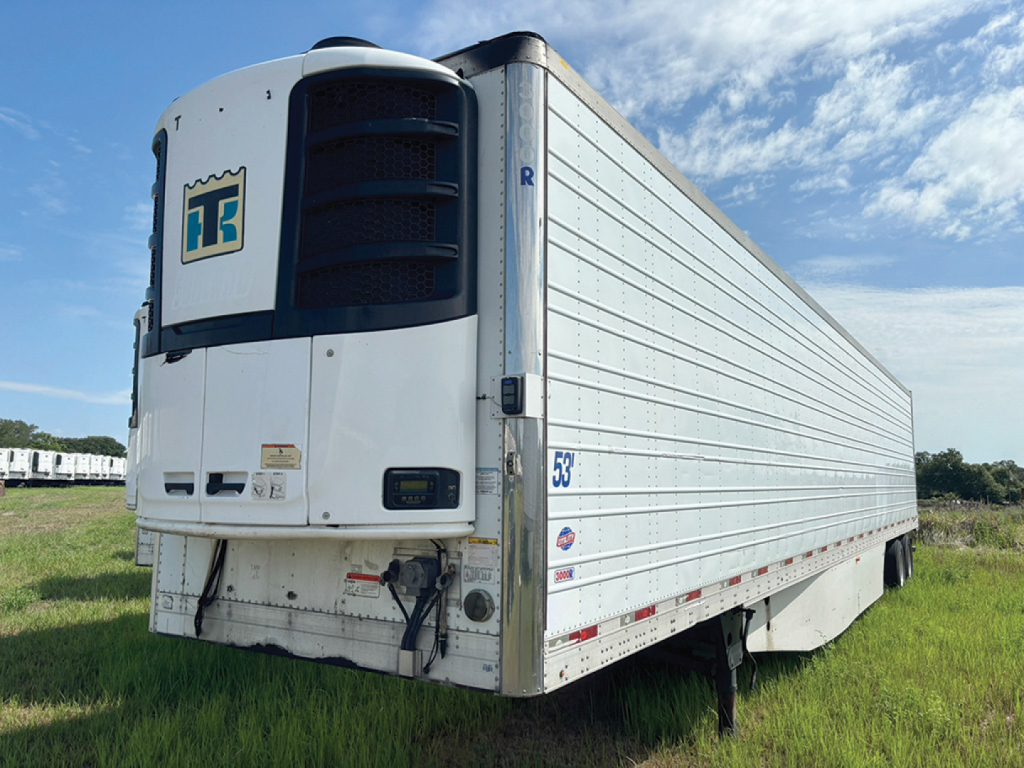
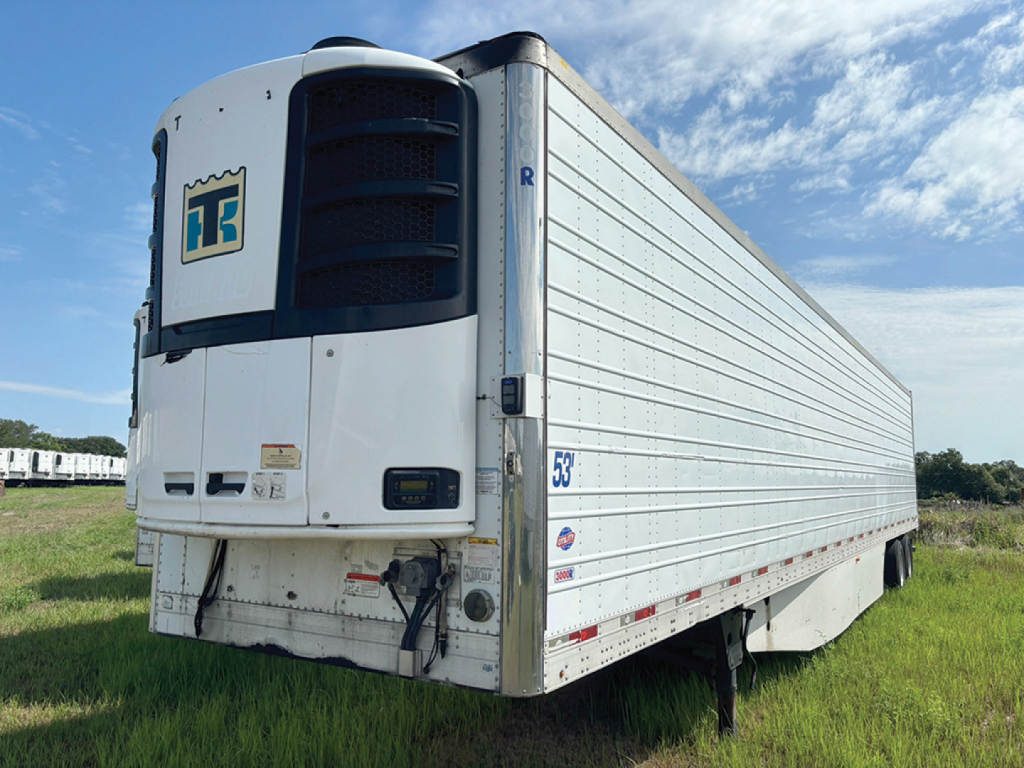
The reefer unit matters as much as the trailer body. Many 2016 Utility reefers are paired with Thermo King units such as the Precedent C-600 or S-600, and buyers should pay close attention to engine hours, maintenance history, fuel consumption, and how well the unit holds setpoint under load. For multi-stop grocery or foodservice work, features like a cold chute, rear vent, and duct floor can help maintain even airflow from nose to doors. A heavy-duty aluminum duct floor and interior scuff protection are especially important if the trailer has spent time in palletized beverage, boxed meat, or mixed produce service where forklift traffic and point loading are hard on floors and liners.
Utility reefer trailers from this period often show a practical spec for regional and over-the-road refrigerated hauling. Common equipment includes air ride suspension, sliding tandems, low-profile 22.5 tires, aluminum or steel disc wheels, tire inflation systems, stainless steel front radius panels, stainless rear frames, and stainless door components. Those details matter because corrosion resistance is a real concern in humid Florida conditions, especially on trailers that see washouts, salt air near coastal lanes, and heavy trailer cycling. Swing doors remain the standard on most 53-foot refrigerated vans, and door seal condition, hinge wear, and frame alignment should be checked closely because small air leaks can turn into temperature-control problems and higher unit run time.
For a buyer comparing used 2016 Utility reefer trailers for sale in Florida, the key questions are structural condition, reefer performance, and prior application. Look for signs of floor rot or crushed ducting, patchwork in the sidewalls or roof, uneven tire wear, and evidence of hard dock impact at the rear frame. Confirm the unit can pull down temperature properly and verify service records for the refrigeration system, air ride, brakes, and tire inflation system. A clean 2016 Utility 3000R with a solid maintenance history can still fit produce runs, distribution lanes, and dedicated cold-chain work, especially for buyers who want a proven reefer trailer with familiar parts support and broad shop familiarity.
Frequently Asked Questions about Used 2016 Utility Reefer Trailers in Florida
What are the typical specs on a used 2016 Utility reefer trailer?
Most used 2016 Utility reefer trailers in this category are 53-foot refrigerated vans, commonly built at 102 inches wide and 13 feet 6 inches tall with inside heights near 101 inches. Many are Utility 3000R models with aluminum construction, air ride suspension, sliding tandems, swing doors, duct floors, and stainless steel rear and door frame components. Exact specifications can vary by original fleet order, so buyers should confirm reefer unit model, floor type, wheel material, and any added options such as side skirts or tire inflation systems.
What should I inspect first on a used Utility reefer trailer?
Start with the refrigeration unit, floor, and rear structure. The reefer unit should hold temperature consistently, cycle correctly, and show a credible service history with engine hours that match the trailer’s use. Inspect the aluminum duct floor for crushed channels, soft spots, heavy wear, or repairs that can affect airflow and forklift performance. At the rear, check door seals, hinges, frame alignment, and impact damage because those areas directly affect temperature retention and loading efficiency.
Are Utility 3000R reefer trailers a good fit for Florida freight?
Yes. Utility 3000R reefer trailers are widely used in Florida because they suit produce, frozen foods, grocery distribution, and other high-volume refrigerated lanes common across the state. Aluminum construction and stainless trim components help with corrosion resistance in humid and coastal conditions. Buyers still need to pay attention to insulation integrity, door sealing, and reefer unit health because Florida heat and frequent stop-and-go distribution work can expose weaknesses quickly.
Which reefer unit is common on a 2016 Utility reefer trailer?
Thermo King Precedent units are commonly found on this generation of Utility reefer trailers, including models like the C-600 and S-600. These units are popular in fleet service because parts availability and technician familiarity are generally strong. When evaluating one, focus less on the brand name alone and more on maintenance intervals, hour meter readings, defrost performance, and whether the unit can maintain product temperature during hot-weather operation and repeated door openings.
How important is a duct floor and cold chute on a refrigerated trailer?
A duct floor and cold chute are important when the freight requires even front-to-rear air circulation. The duct floor channels conditioned air under the load, while the cold chute helps direct supply air along the ceiling toward the rear. This setup is especially useful for produce, dairy, and multi-stop grocery loads where airflow can be disrupted by pallets, mixed products, or frequent unloading. If either component is damaged or missing, trailer temperature performance can suffer even if the reefer unit itself runs well.