
Utility Reefer Trailers For Sale in Colorado
Browse Utility reefer trailers for sale, including 3000R specs, common refrigeration setups, floors, suspension choices, and multi-temp options.
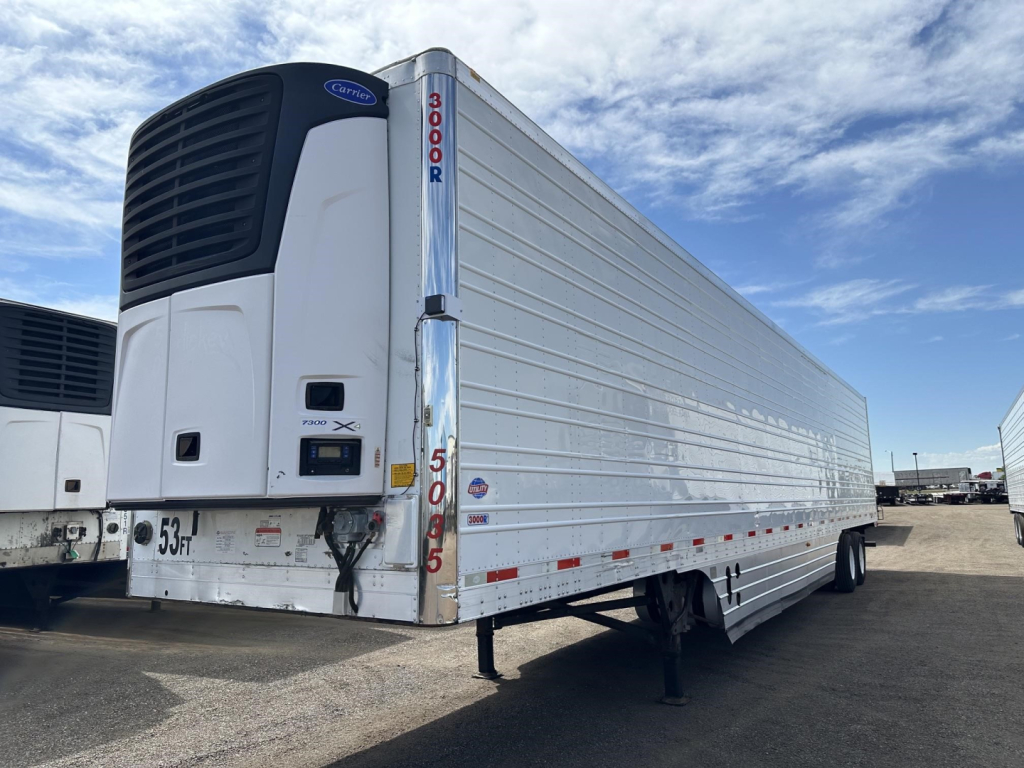
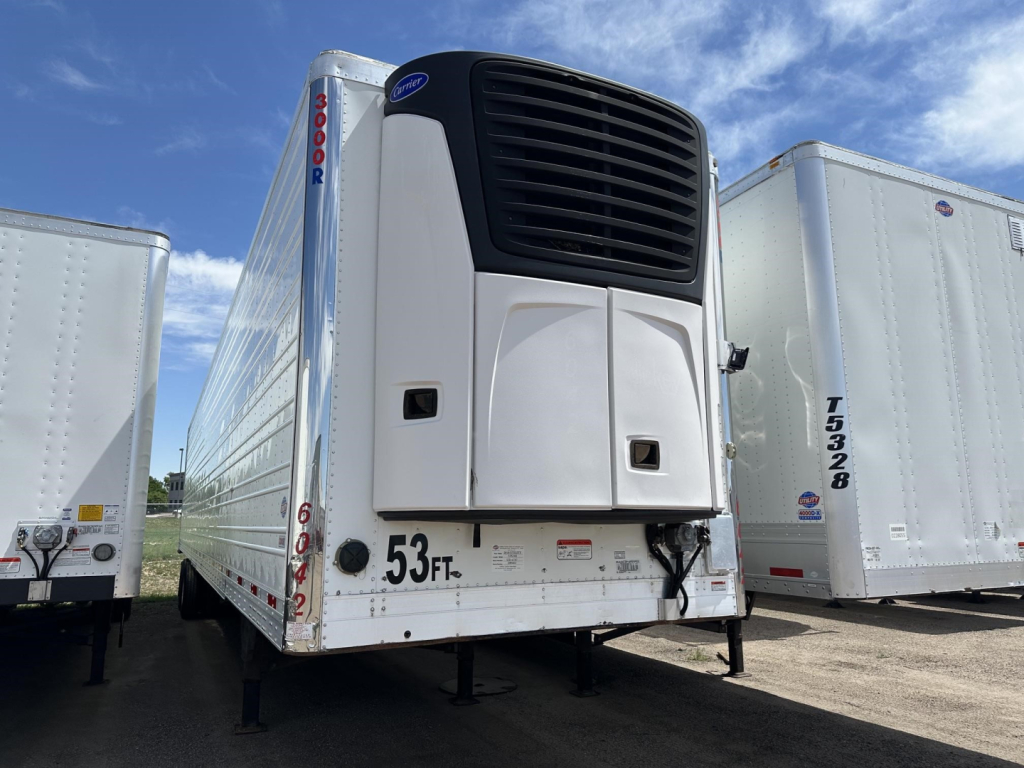
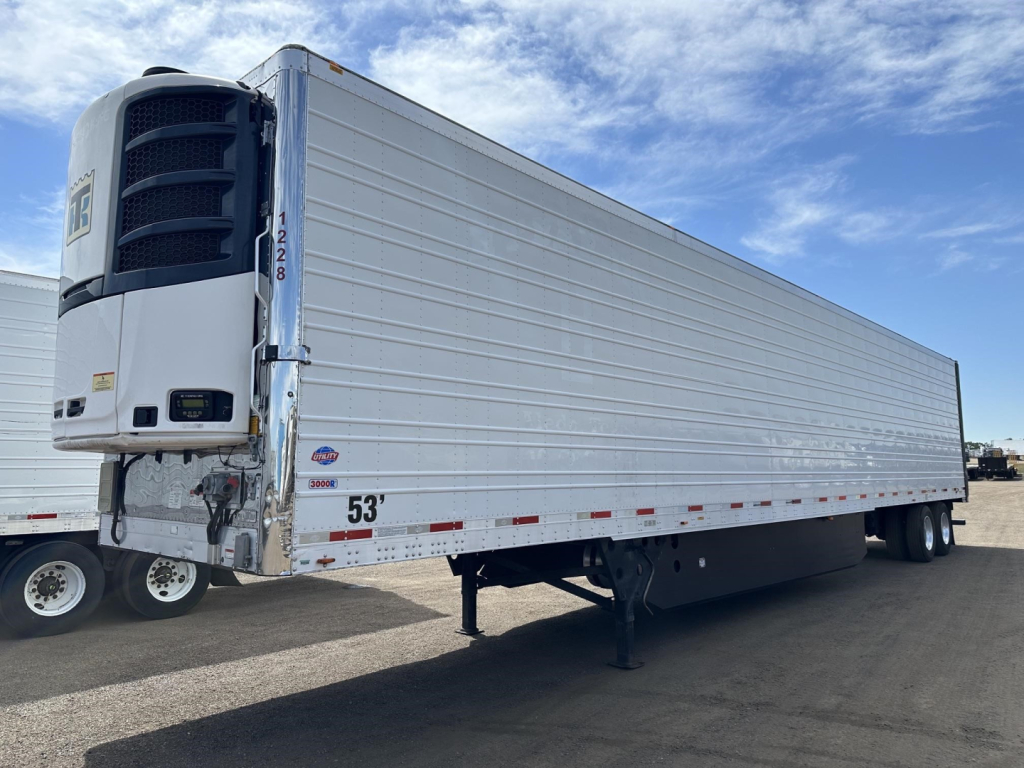
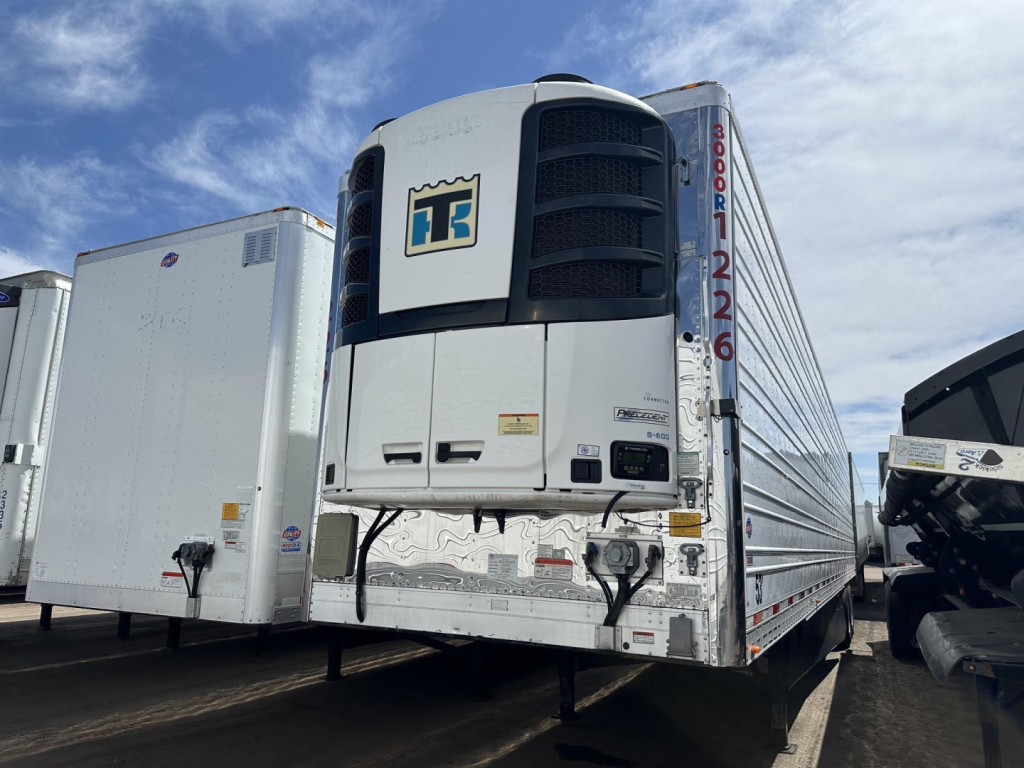
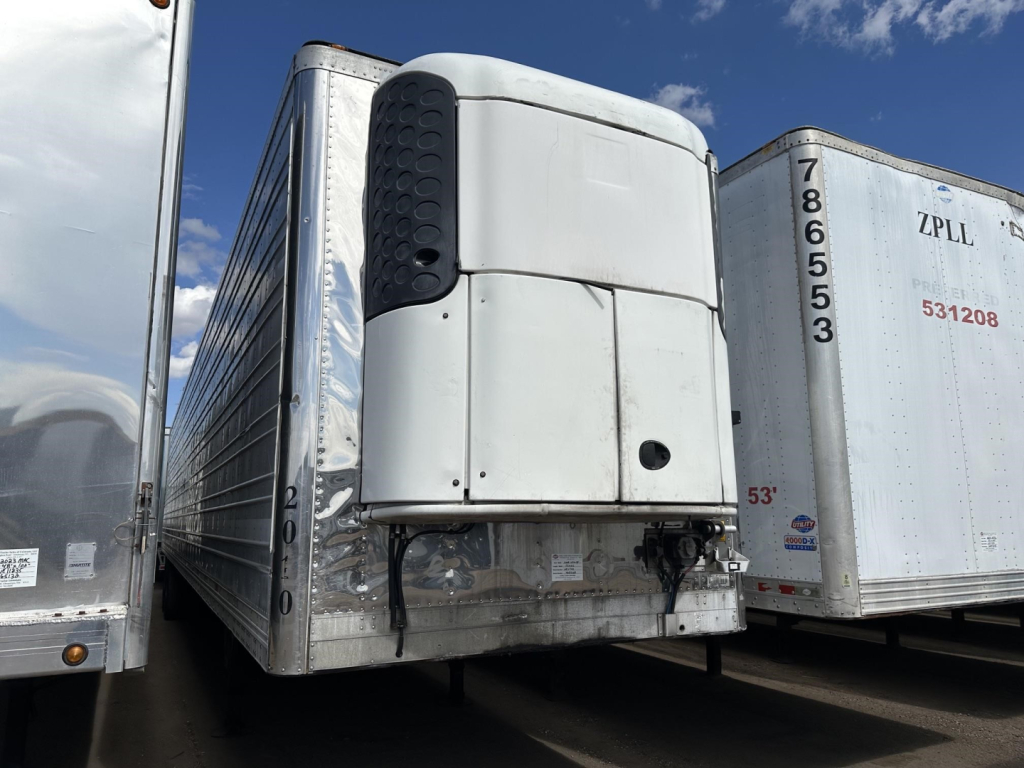
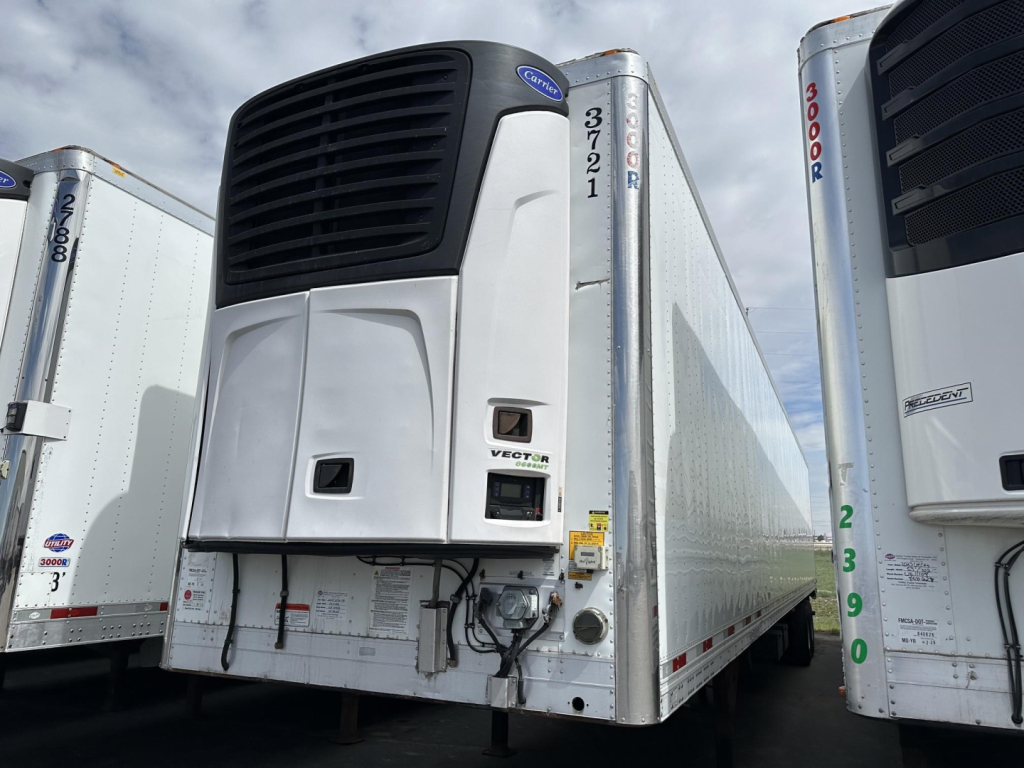
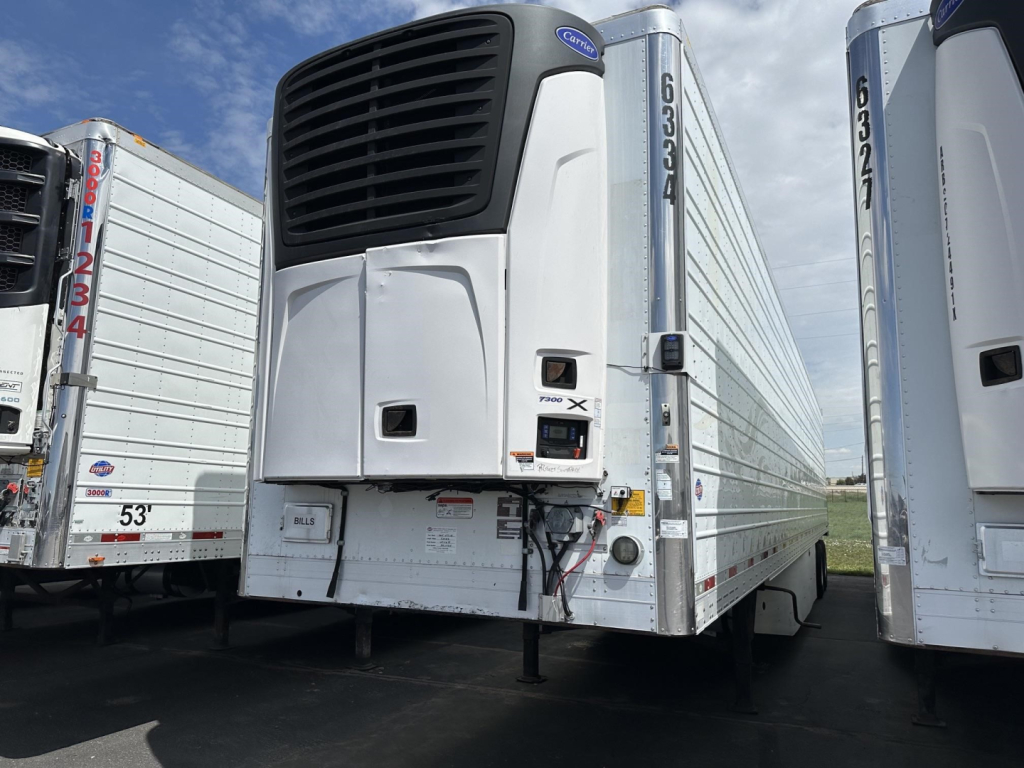
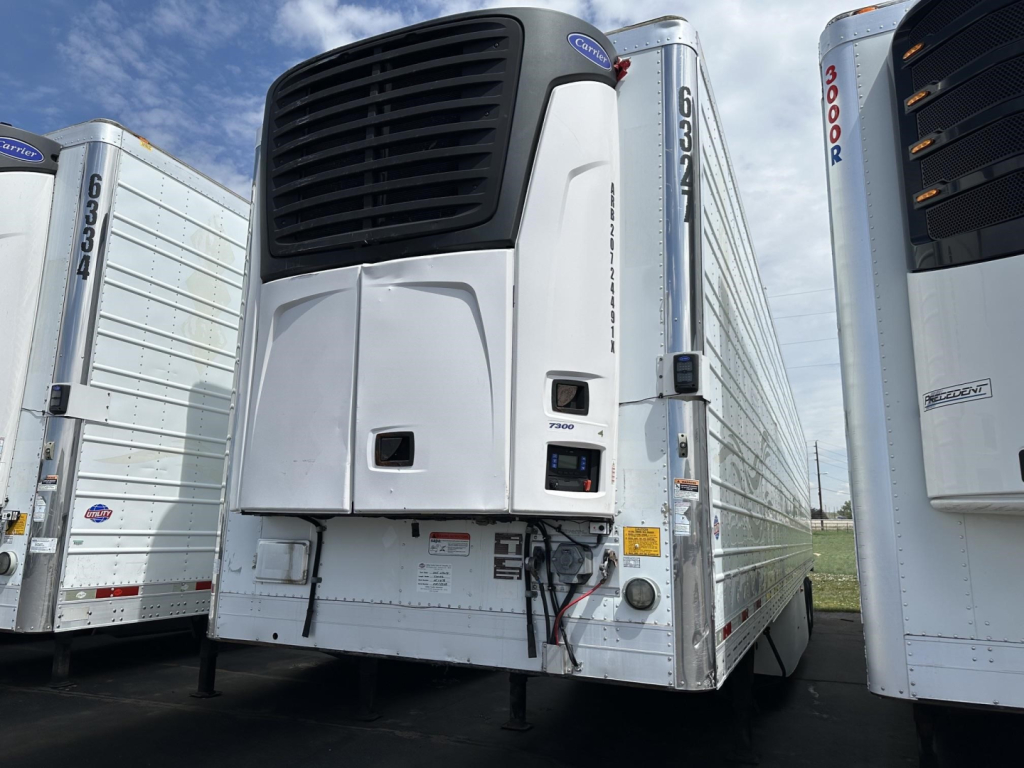
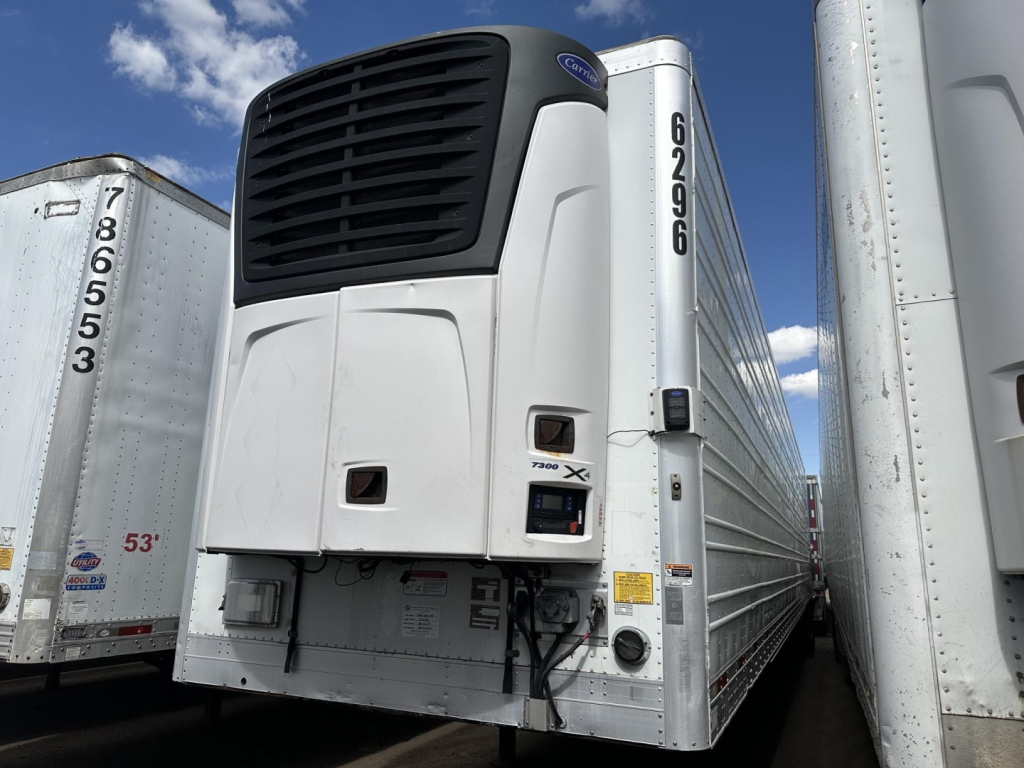
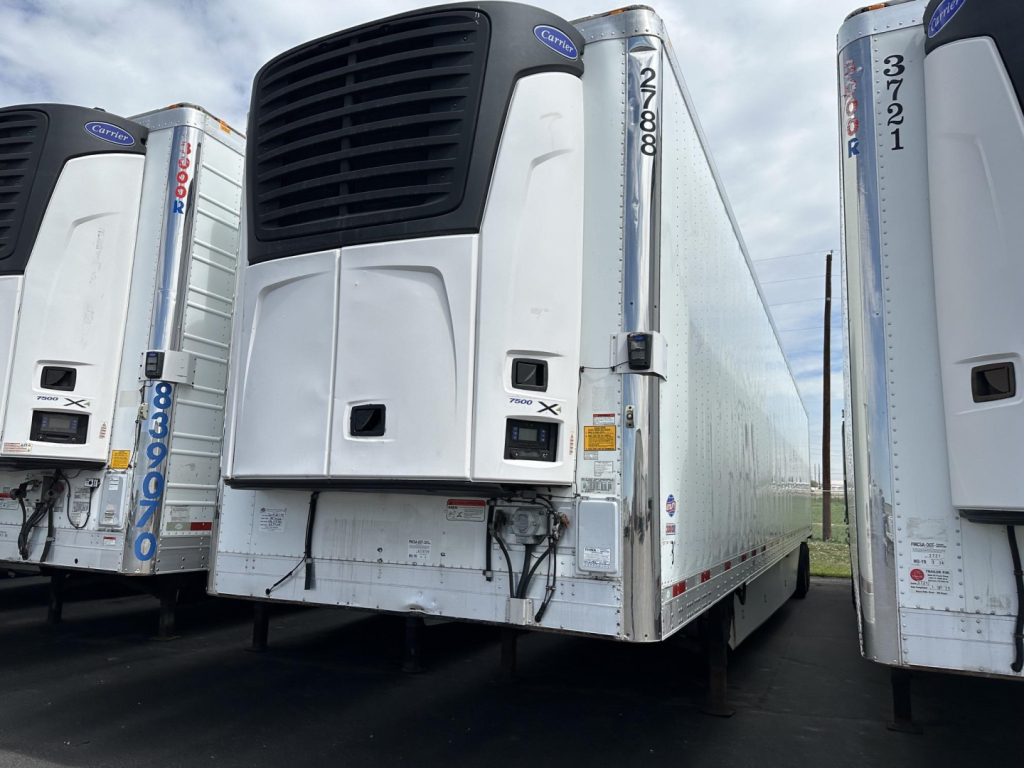
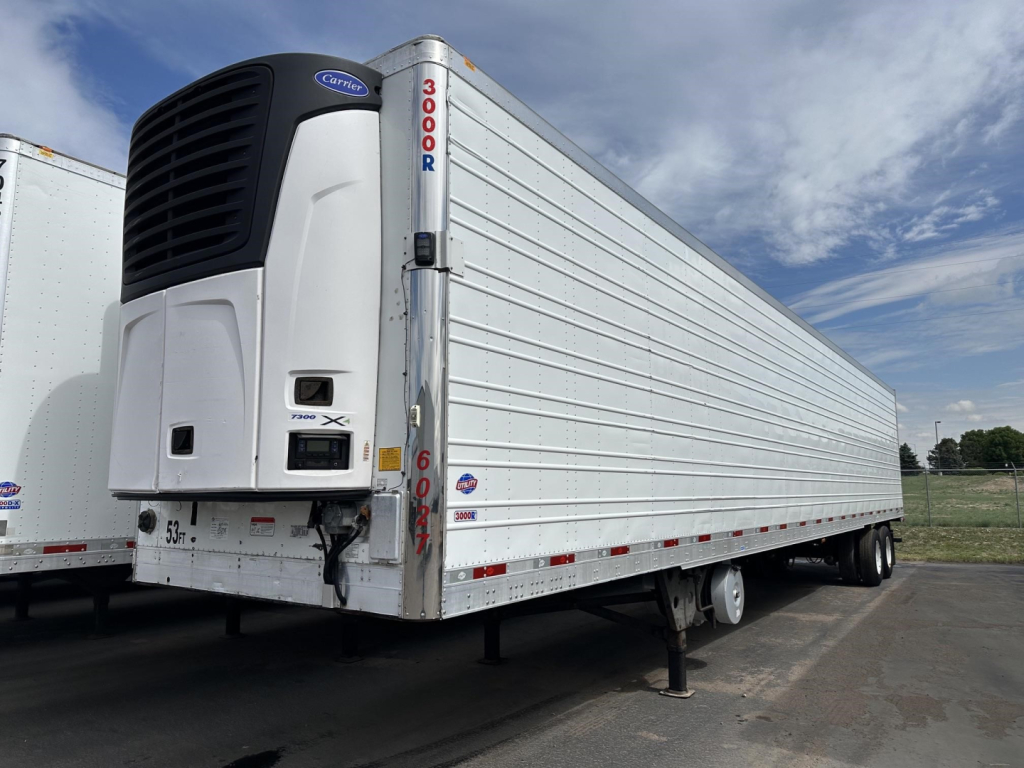
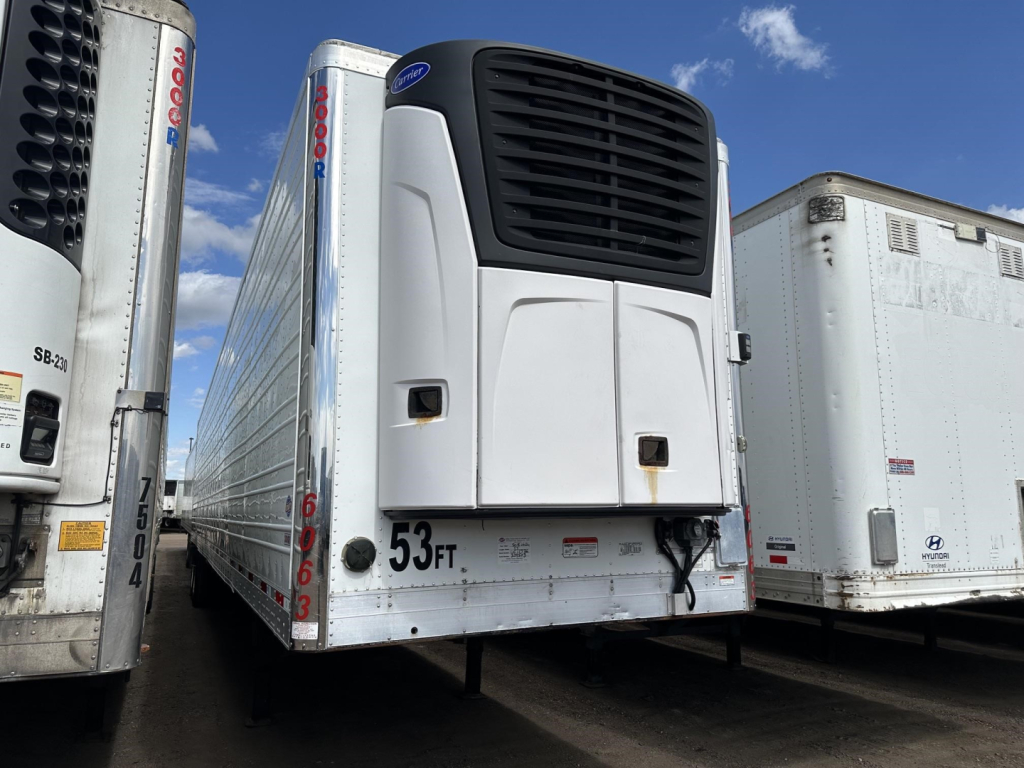
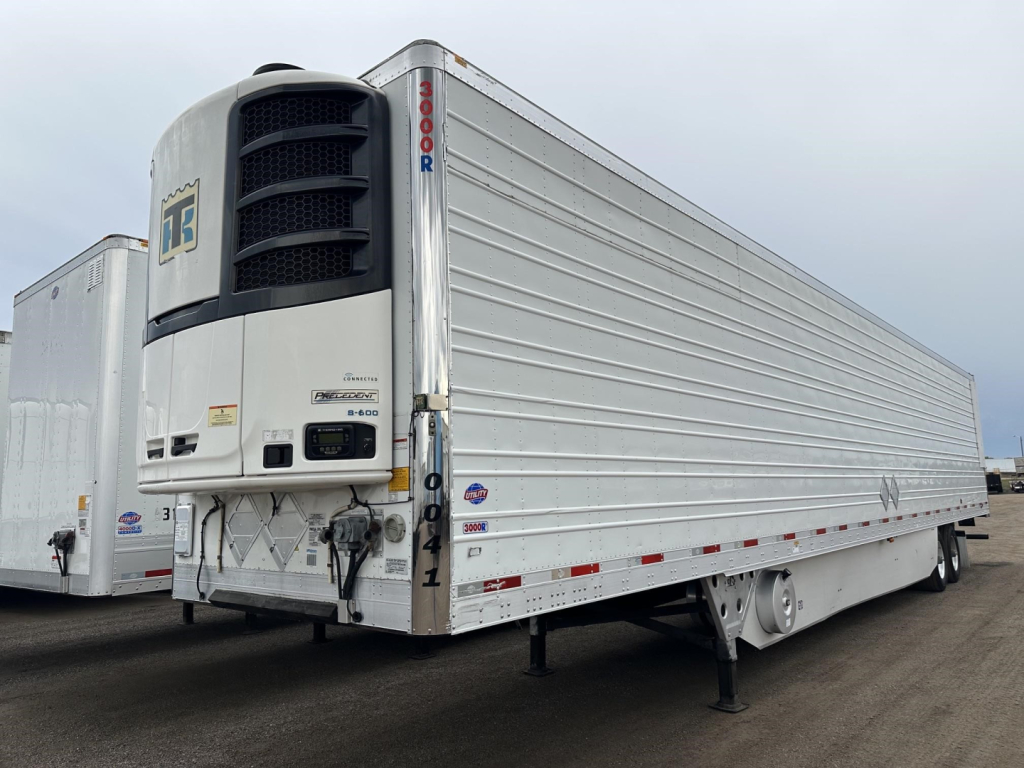
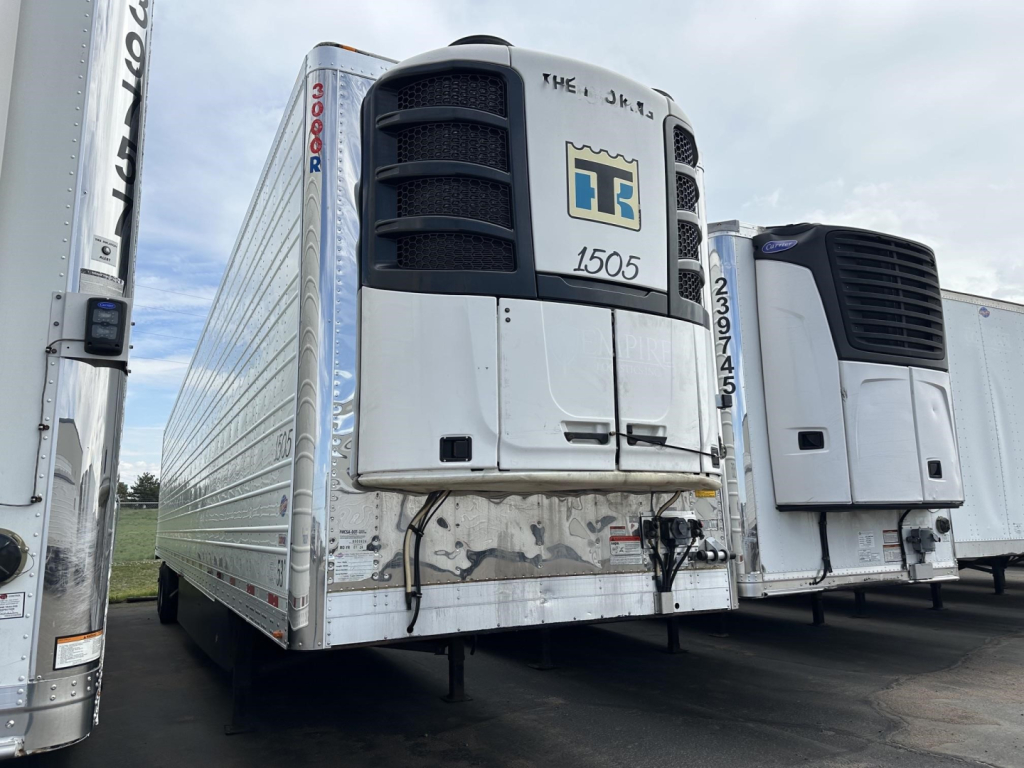
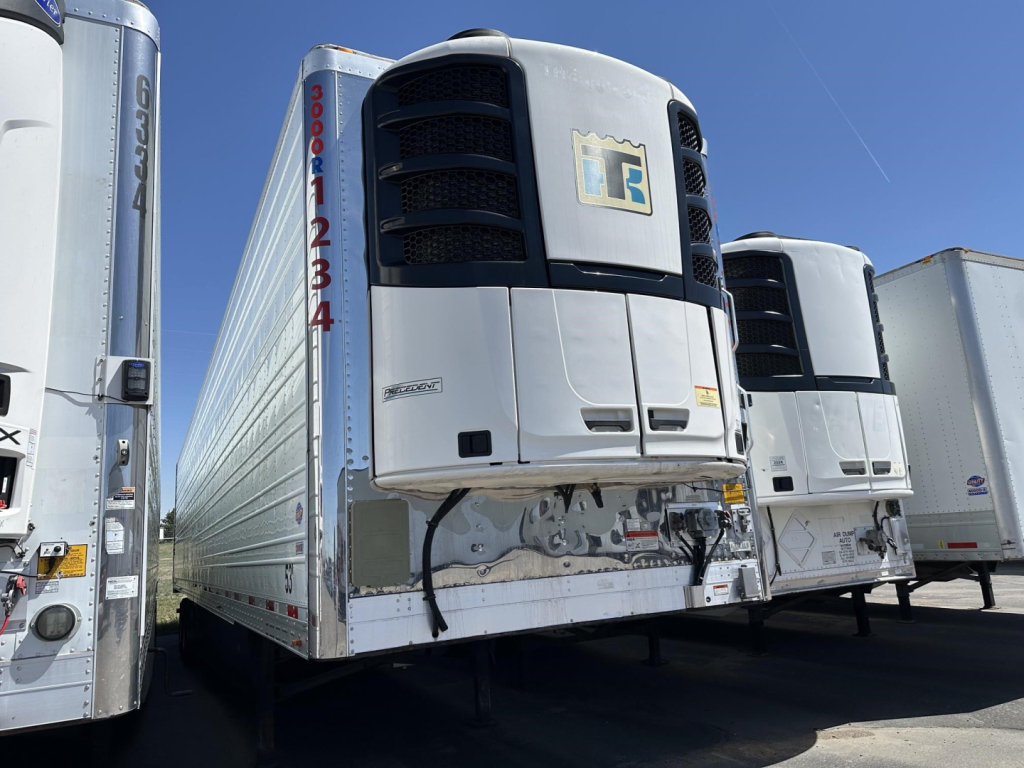
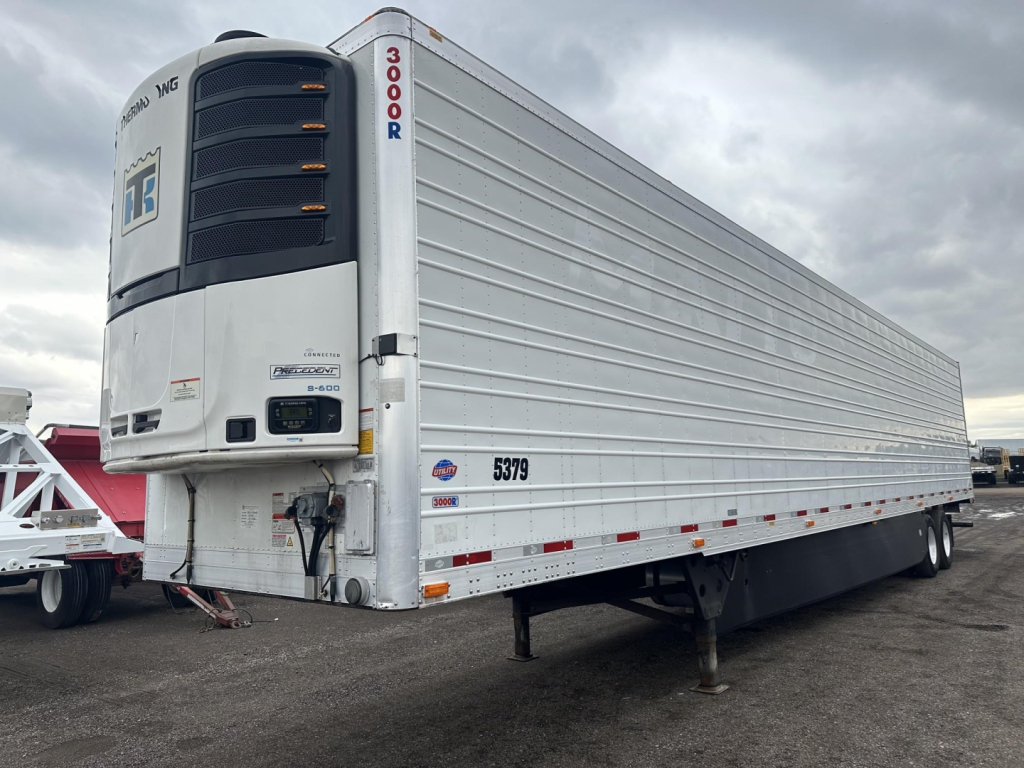
Showing 1 to 24 of 29 results
Have utility reefer trailer to sell? List it here to reach thousands of buyers.
Utility Reefer Trailers in Colorado
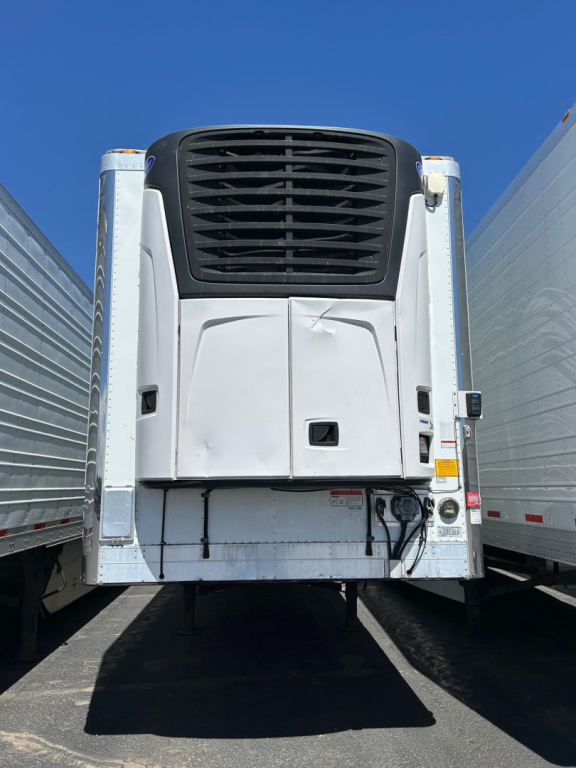
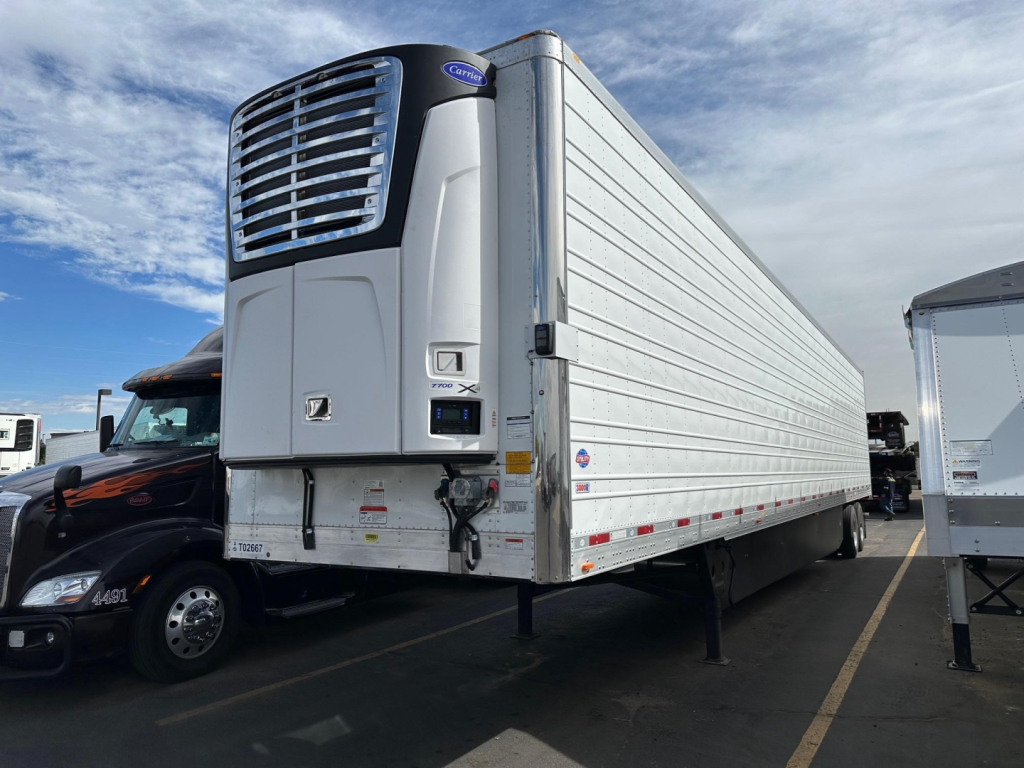
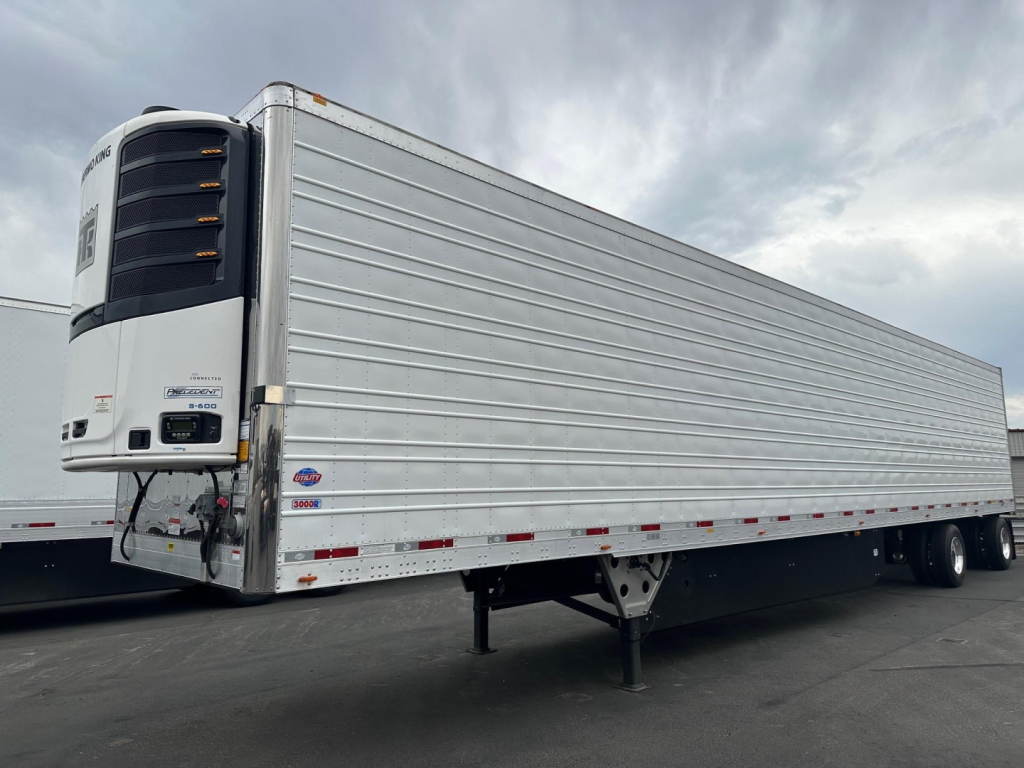
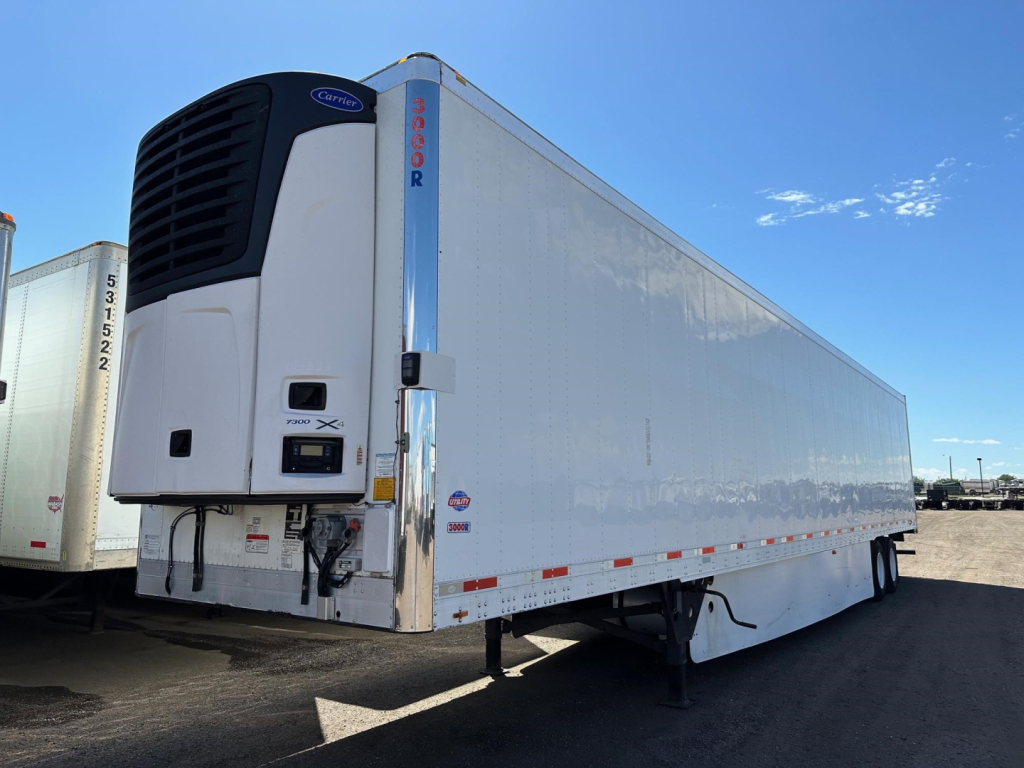
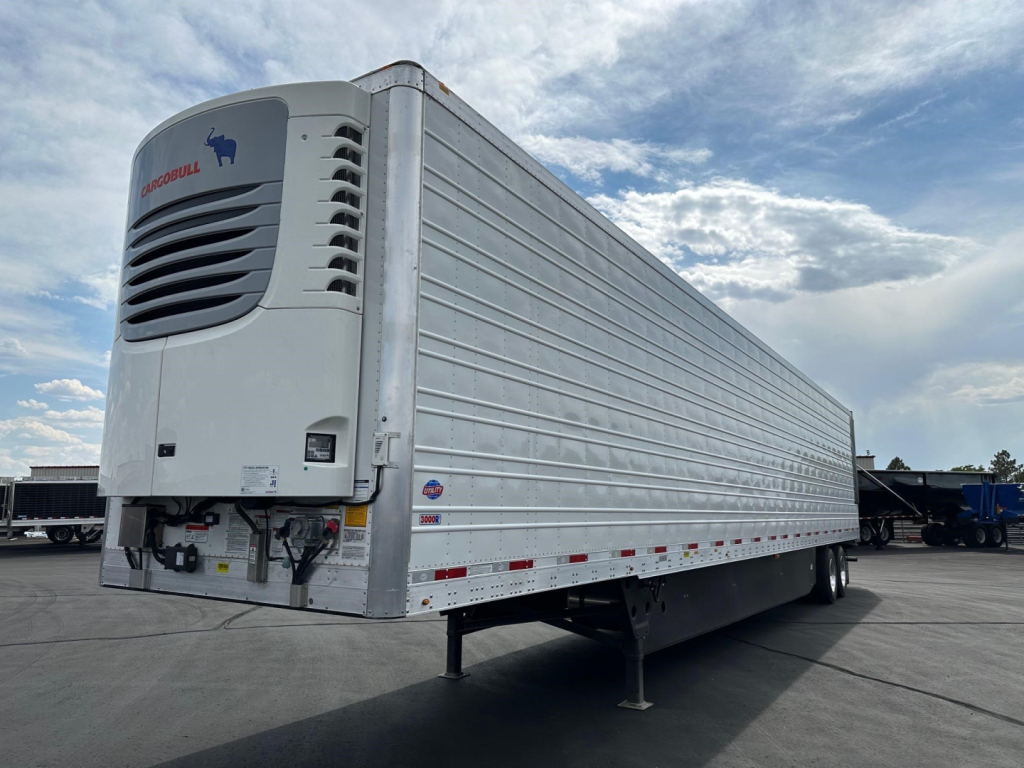
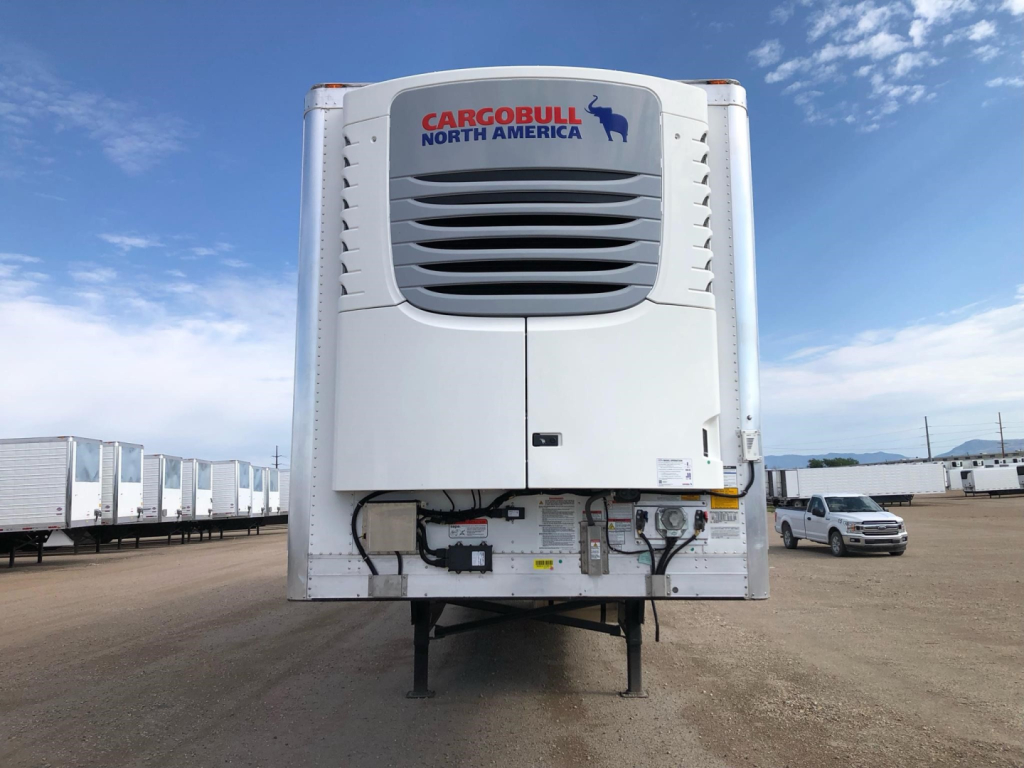
On used units, reefer unit spec matters as much as the trailer itself. Carrier units such as the X4 7300 and Vector 8600 MT are common pairings, and unit hours should be reviewed alongside service records, fuel system condition, evaporator performance, and any history of alarm codes or major component replacement. A single-temp setup is standard for truckload food freight, while a multi-temp reefer with bulkheads is better suited for route delivery or mixed frozen and chilled freight. If the trailer will see heavy dock activity, features like anti-dock walk, air-operated slider pins, and a closed tandem slider can make a real difference in daily usability.
Trailer construction details matter because they affect both damage resistance and washout life. Utility reefers are commonly seen with smooth or corrugated side panels, stainless steel front corners, rear vents, and rear swing doors, with some specs adding side doors or tuck-away liftgates for local and retail delivery. Floor type is a major buying decision. An aluminum duct floor supports consistent air circulation under palletized freight, while a flat floor may better fit certain route-delivery or rolling-cart applications. Wearbands, scuff protection, and E-track are worth checking if the trailer has handled dense freight or multi-stop cargo. Tire inflation systems, side skirts, aluminum wheels, and low-profile 22.5 tires can also influence operating cost and road performance.
In Colorado, reefer buyers often pay closer attention to refrigeration pull-down performance, insulation condition, and door seal integrity because elevation changes and seasonal temperature swings can expose weak systems quickly. Suspension choice also matters depending on lane mix. Air ride is generally preferred for food-grade freight and dock consistency, while spring ride may still appear on certain vocational or route-oriented specs. A solid Utility reefer is usually defined by clean structural rails, a dry interior, good floor condition, tight doors, healthy unit hours for its age, and a spec that matches the freight. For many buyers, the best trailer is not the newest one. It is the one with the right reefer unit, floor, suspension, and delivery configuration for the lanes it will actually run.
Frequently Asked Questions about Utility Reefer Trailers in Colorado
What makes a Utility 3000R reefer trailer popular with fleets?
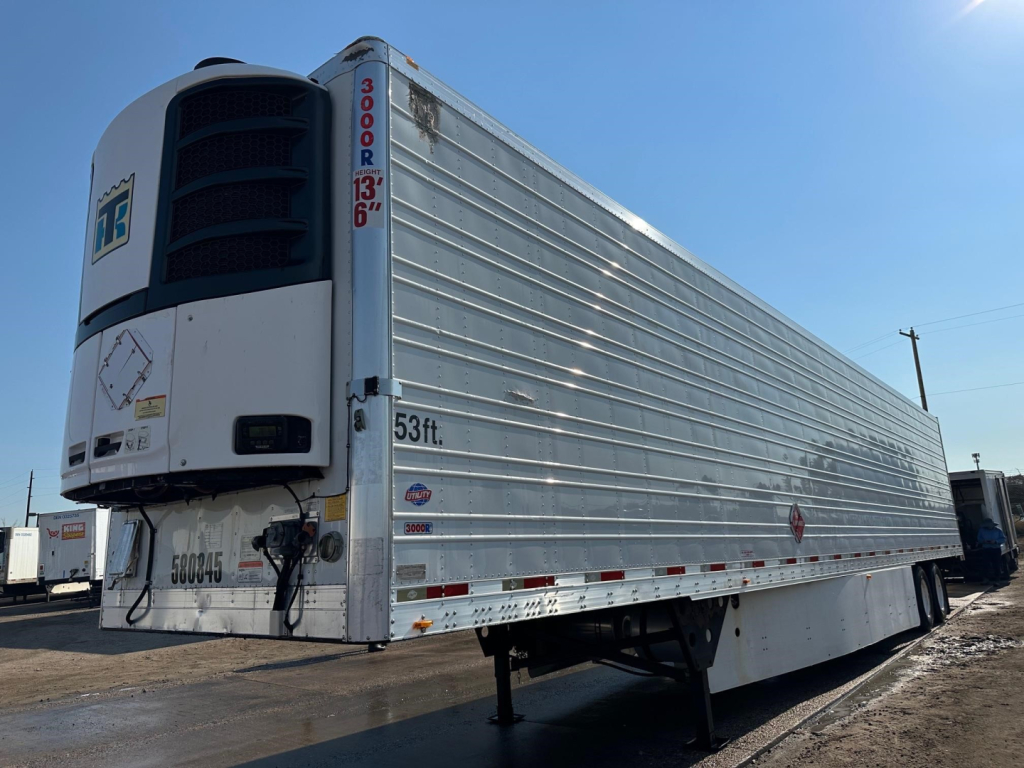
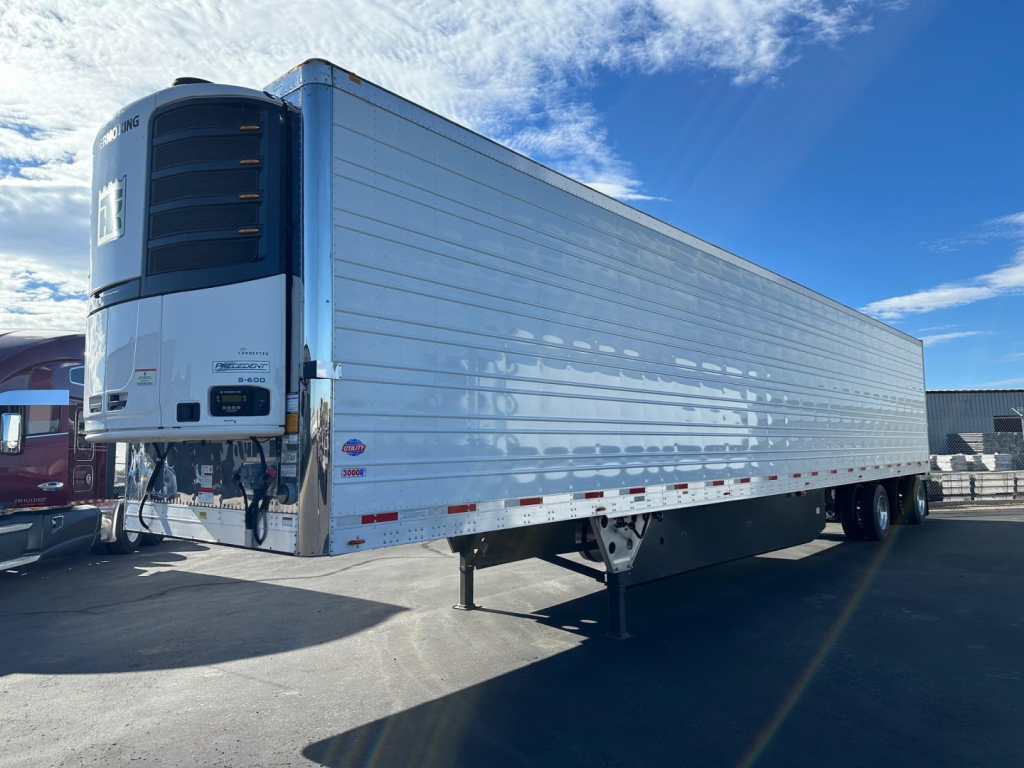
The Utility 3000R is widely used because it offers a proven insulated trailer platform, strong parts support, and specs that fit mainstream refrigerated freight. It is commonly configured as a 53-foot trailer with air ride, slider tandems, swing doors, and aluminum duct flooring, which makes it suitable for long-haul grocery, produce, frozen, and dairy work. Its broad use in fleet service also helps buyers find technicians, replacement parts, and resale demand more easily than with less common reefer platforms.
What should I check first on a used Utility reefer trailer?
Start with the refrigeration unit model, hours, and maintenance history, because reefer repair costs can exceed many ordinary trailer repairs. After that, inspect the trailer floor, interior liner, door seals, sidewall condition, and signs of water intrusion or insulation damage. Buyers should also review suspension condition, slider operation, tire inflation systems, brake wear, and evidence of structural repairs around the rear frame, crossmembers, and kingpin area. A reefer that looks clean but has poor unit history or weak insulation can become expensive quickly.
Is an aluminum duct floor better than a flat floor in a reefer trailer?
An aluminum duct floor is usually the better choice for standard palletized refrigerated freight because it allows air to move under the load and maintain more even box temperature. That matters on frozen and chilled truckload freight where airflow is critical to product protection. A flat floor can still make sense for certain delivery operations, including carts, mixed route work, or applications where easy rolling and specialized cargo handling matter more than underfloor airflow. The right choice depends on freight type and loading pattern, not just trailer age.
What is the difference between a single-temp and multi-temp Utility reefer?
A single-temp reefer is designed to hold one cargo temperature throughout the trailer and is the standard setup for most over-the-road refrigerated loads. A multi-temp reefer uses a more complex refrigeration system, often with movable bulkheads, to maintain separate zones for frozen, chilled, and fresh products in the same trailer. Multi-temp setups are valuable in foodservice and grocery distribution, but they add complexity, weight, and maintenance points. Buyers should only pay for multi-temp capability if their freight mix actually requires it.
Which reefer trailer features matter most for dock and route delivery work?
For frequent dock use and multi-stop delivery, practical trailer features often matter as much as refrigeration capacity. Anti-dock walk systems help stabilize the trailer at the dock, air-operated slider pins speed tandem adjustments, and side doors or tuck-away liftgates improve access when rear loading is not enough. E-track, scuff protection, durable rear swing doors, and a floor suited to carts or repeated pallet movement can also improve daily efficiency. A route-delivery reefer should be spec'd for access and handling, not just highway miles.