
Used Reefer Trailers For Sale in New Mexico
Compare used reefer trailers for sale in New Mexico by insulation condition, refrigeration hours, hot-weather performance, and payload capacity.
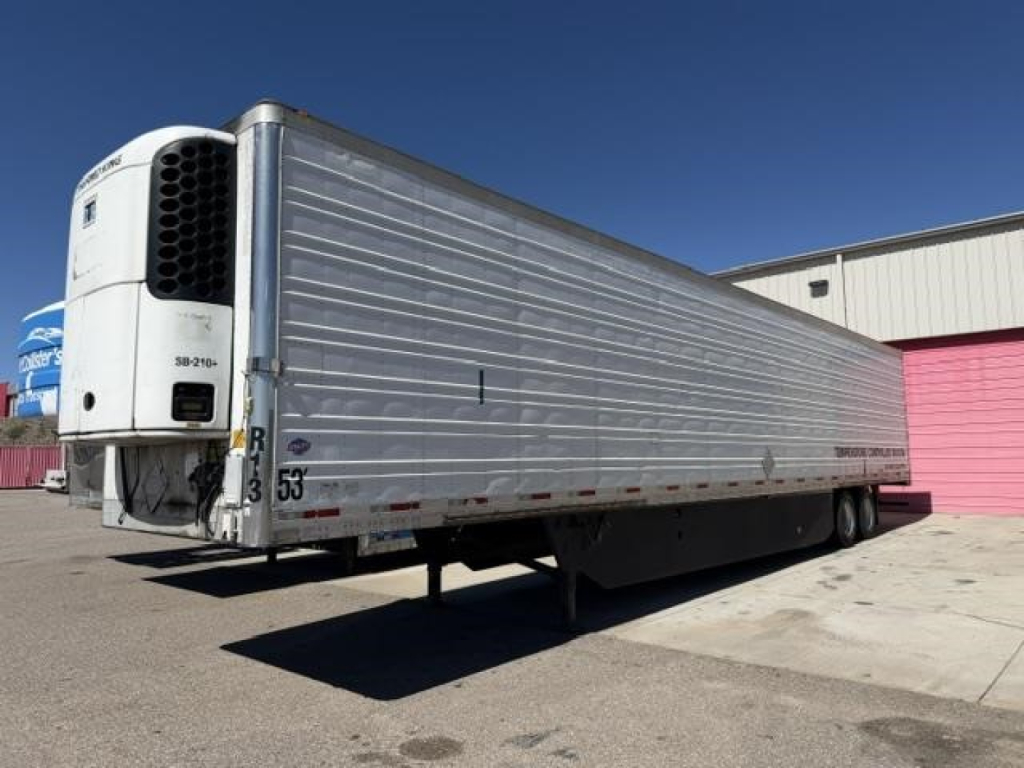
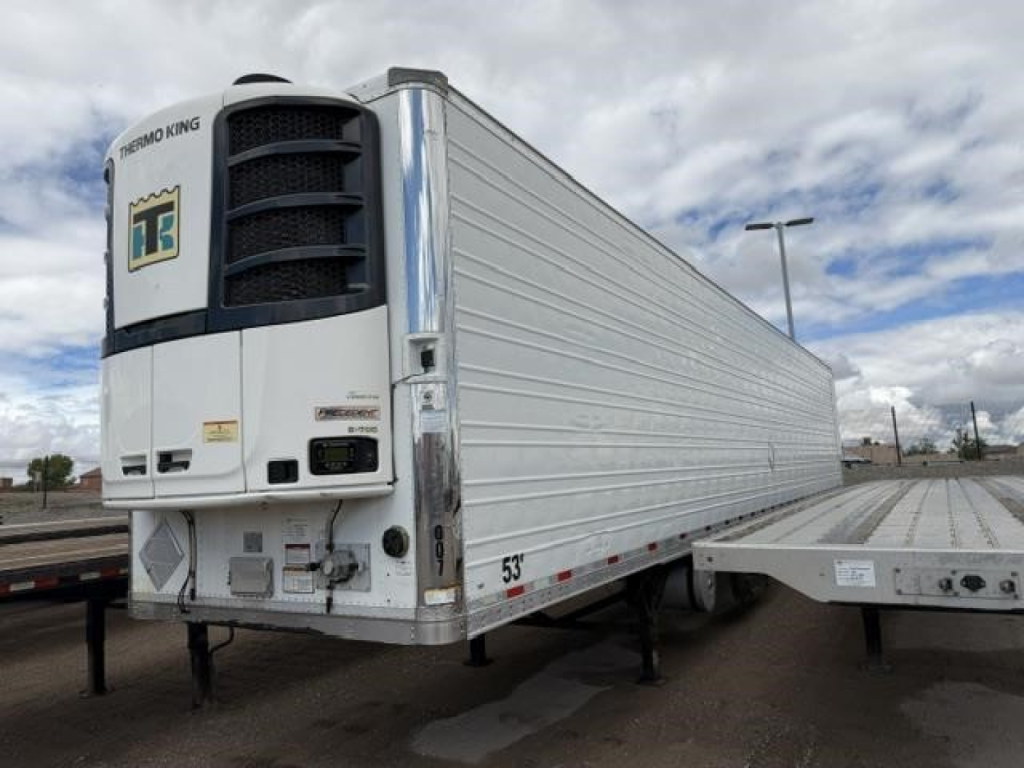
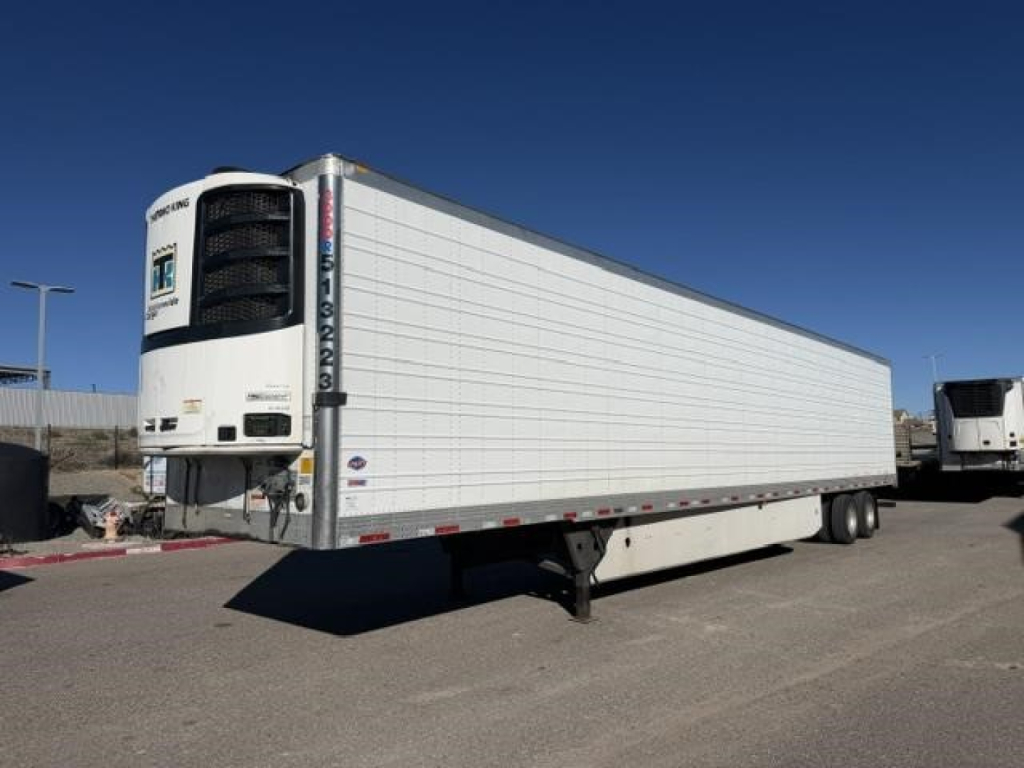
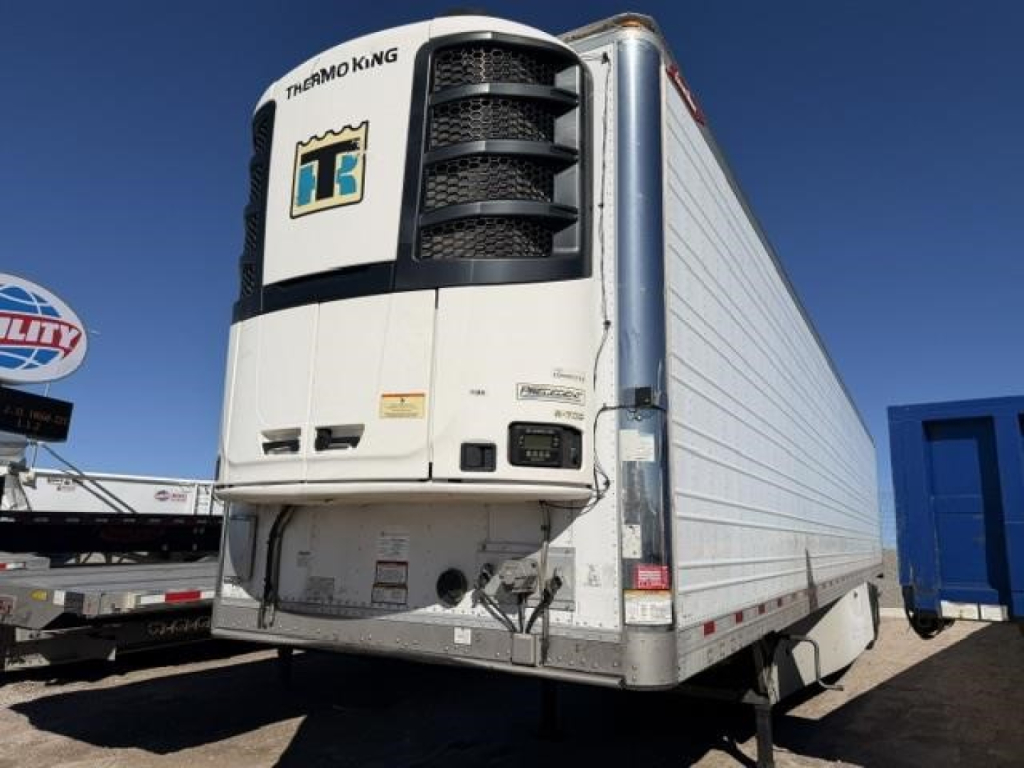
Selling a used reefer trailer? List your used reefer trailer for sale and reach thousands of commercial buyers.
Used Reefer Trailers in New Mexico
Utility 3000R, Great Dane Everest, and Wabash refrigerated vans should be compared by construction and condition rather than badge alone; Thermo King and Carrier systems appear on multiple trailer makes. A 53-foot by 102-inch trailer is a common highway configuration, but usable interior width, door opening, pallet layout, and load-securement provisions determine whether the box fits the work.
Refrigeration-unit hours need to be read alongside trailer age and service records. Record the trailer VIN, refrigeration-unit serial number, engine hours, and controller hours where available; a replacement unit can be much newer than the box. Separate diesel-engine run hours from electric-standby hours when the controller provides both, and compare indicated hours with dated invoices rather than relying on the meter alone. Request controller fault history and documented compressor, engine, belt, and cooling-system work. Have a refrigeration technician test pull-down, temperature holding, defrost, and sensor accuracy under controlled conditions. An empty-box test alone cannot prove loaded performance. Review refrigeration-engine emissions compliance before assigning a used trailer to California-bound lanes.
Insulation damage can erase the advantage of a healthy refrigeration unit. Inspect wall and ceiling liners for punctures, patchwork, separation, and evidence of moisture intrusion. Check rear-door seals, thresholds, hinges, and frame alignment for heat leaks or impact damage. Walk the aluminum duct floor and inspect underneath for cracked crossmembers, corrosion, failed repairs, and forklift damage. Check the kingpin and upper coupler for wear or cracked mounting structure. Clear floor channels and an intact air chute are essential to circulation; compare box temperatures at several locations rather than relying only on the controller display. A dry New Mexico location does not rule out earlier road-salt exposure.
Payload calculations must start with actual empty weight because insulated construction and refrigeration equipment reduce freight capacity. Inspect slider locking pins, air springs, brakes, wheel seals, and tire age and load ratings before approving the chassis. New Mexico's higher-elevation winter service also warrants checking battery condition and engine-coolant freeze protection.
Frequently Asked Questions about Used Reefer Trailers in New Mexico
Can a used reefer trailer cool warm produce after loading in New Mexico?
A standard highway reefer should receive produce already cooled to its specified shipping temperature, rather than serve as the primary field-heat removal system. Warm produce can overwhelm available cooling capacity and create uneven pulp temperatures. Confirm the commodity's temperature, ventilation, and humidity requirements with the shipper, and arrange appropriate precooling before loading.
Can one refrigerated trailer haul frozen food and chilled dairy together?
A refrigerated trailer needs a properly specified multi-temperature system to hold frozen food and chilled dairy at different temperatures in separate compartments. A movable bulkhead alone does not create independent temperature control. Verify evaporator placement, compartment airflow, bulkhead sealing, and rated capacity for each compartment, especially when unloading repeatedly in New Mexico heat.
What axle and gross weight limits apply to reefers on New Mexico Interstates?
The standard federal Interstate limits in New Mexico are 80,000 pounds gross combination weight, 20,000 pounds on a single axle, and 34,000 pounds on a tandem, subject to bridge-formula spacing and applicable exceptions. Those figures do not establish a refrigerated trailer's payload. Tractor weight, axle placement, tire ratings, posted restrictions, and equipment ratings can require a lighter load.
Is electric standby worth having on a used reefer trailer?
Electric standby is most useful when a refrigerated trailer spends substantial time parked at facilities with compatible electrical service. Verify the unit's required voltage, phase, amperage, connector, and protection requirements against the actual yard supply. Test standby operation before purchase; a refrigeration unit's ability to run on diesel does not establish that its electric motor and controls work.