
Used Reefer Trailers For Sale in Nevada
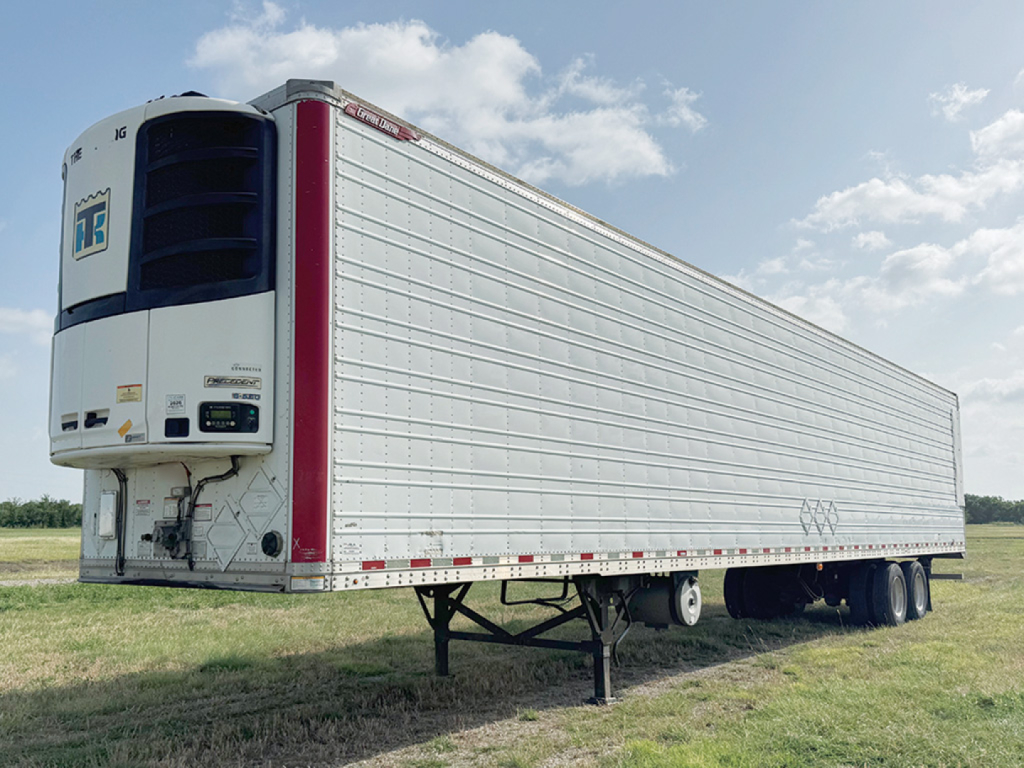
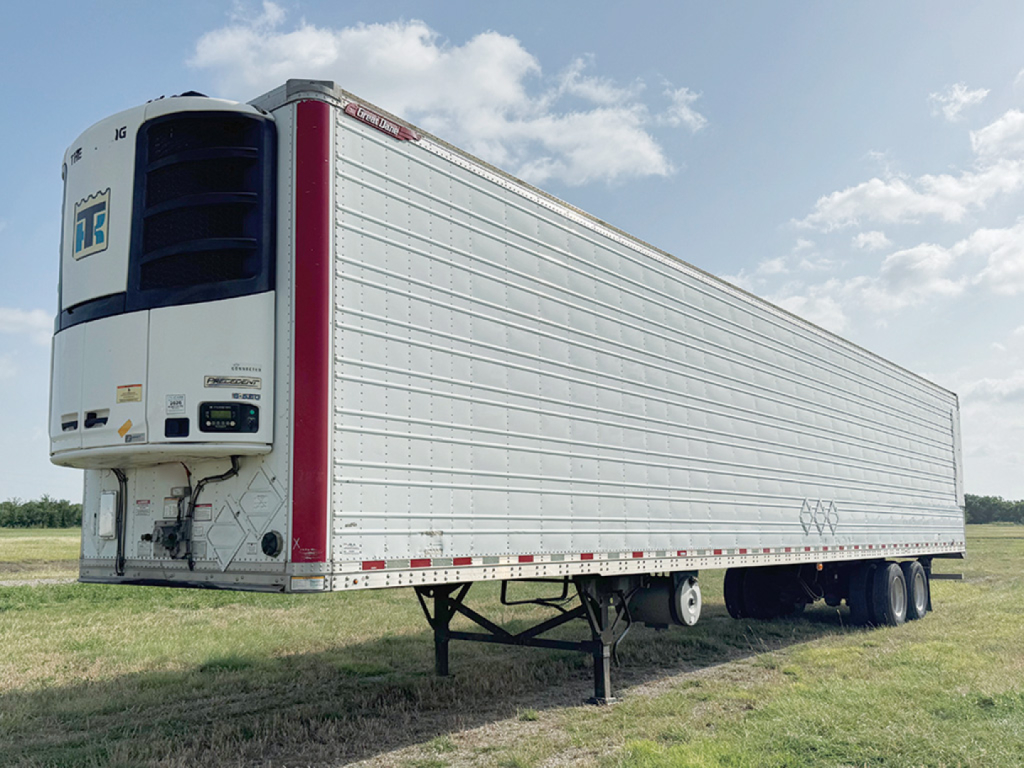
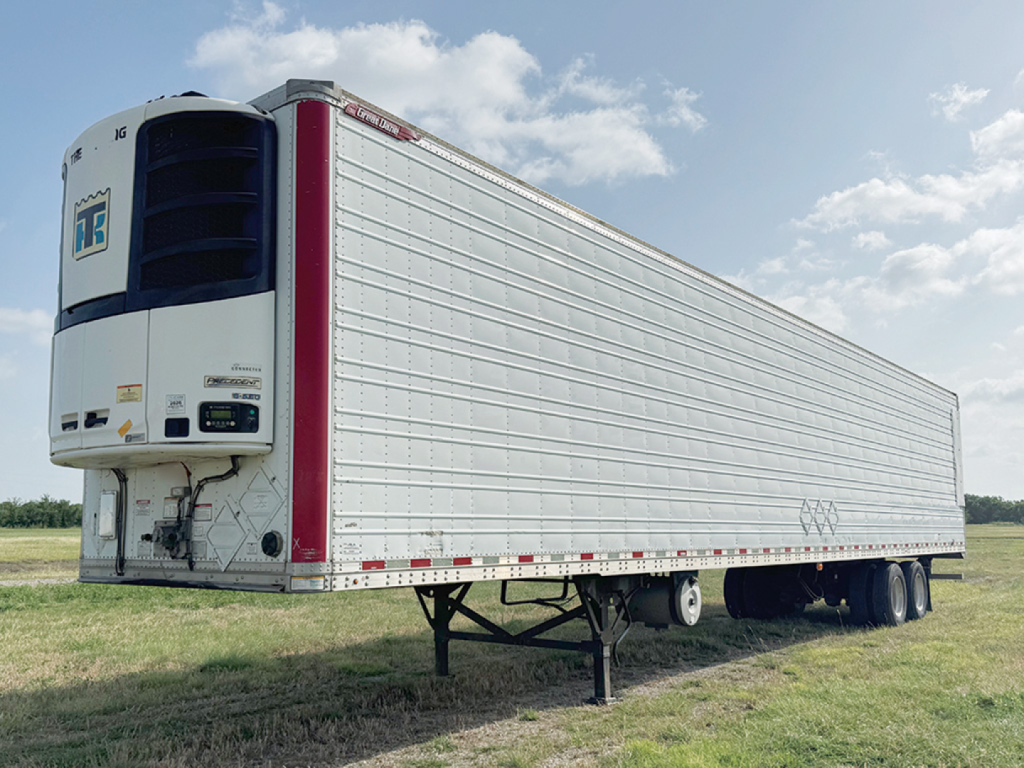
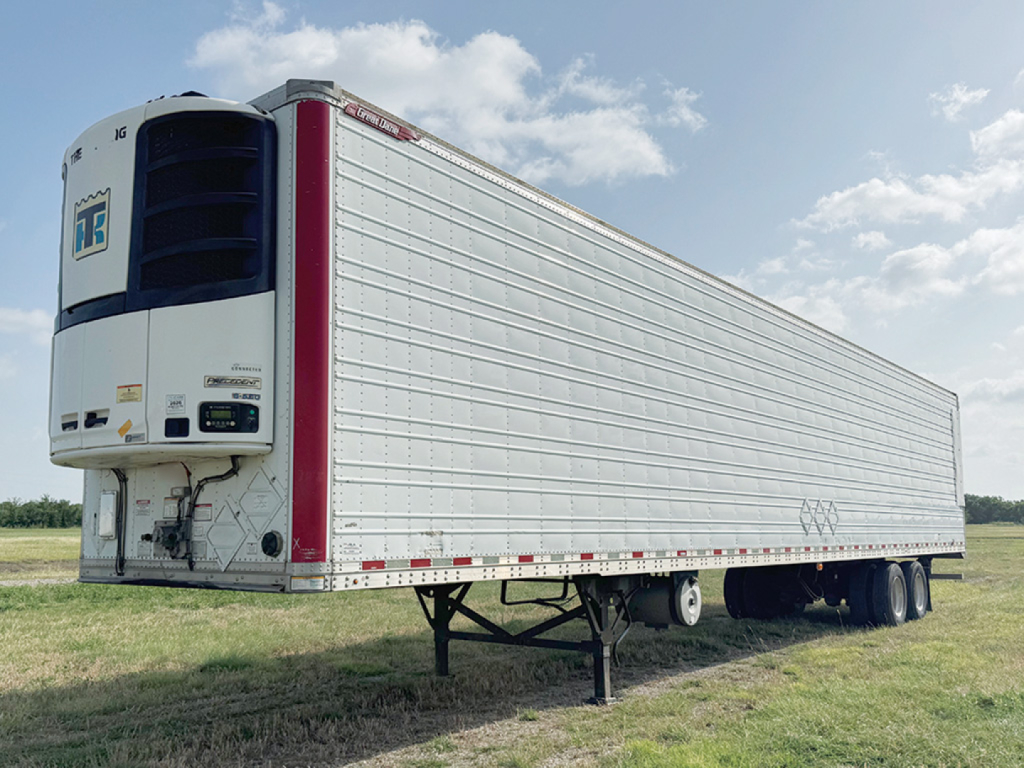
Browse used reefer trailers for sale in Nevada, including 53-foot refrigerated trailers with Thermo King units, air ride, and sliding tandems.
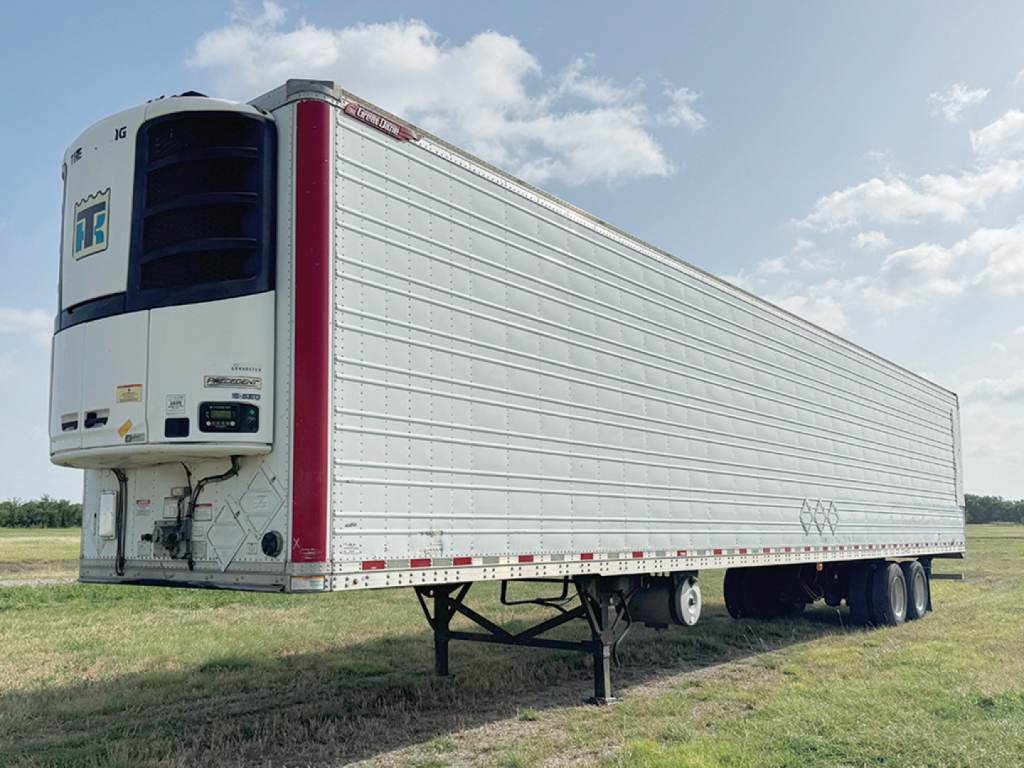

Selling a used reefer trailer? List your used reefer trailer for sale and reach thousands of commercial buyers.
Used Reefer Trailers in Nevada
The refrigeration unit is the first system to evaluate on any used reefer. Thermo King and Carrier units dominate the market, and buyers should look closely at engine hours, electric standby if needed, service records, pull-down performance, and how well the unit holds setpoint under load. Features like a cold chute, rear vent, and duct or duct-style floor help move air evenly through the trailer, which is critical for produce, dairy, frozen food, and other sensitive commodities. A reefer with a sound insulation package but poor airflow can still create hot spots, so floor design, chute condition, and interior sealing deserve as much attention as the reefer unit itself.
Trailer construction and suspension specs affect both operating cost and freight flexibility. Aluminum reefer trailers remain popular because they offer good corrosion resistance and lower tare weight, while stainless door frames, scuff plates, and scuff liners help the interior stand up to pallet traffic and dock impact. Air ride suspension is common for ride quality and cargo protection, and sliding tandems are important for bridge law compliance and dock positioning. Tire inflation systems, side skirts, low-profile 22.5 tires, and disc or aluminum wheels can also show up on late-model units, especially trailers that spent time in larger fleet service.
A used reefer trailer should be inspected as a complete cold-chain asset, not just a box with a unit on the nose. Buyers should check for floor wear, door seal condition, interior wall damage, moisture intrusion, and signs of previous patchwork around the evaporator area, bulkheads, or front wall. In a dry, hot market like Nevada, sun exposure and sustained heat can accelerate wear on seals, panels, and refrigeration components, so maintenance history carries real value. For regional foodservice, grocery distribution, produce hauls, or cross-country frozen freight, the right reefer trailer is the one that matches your commodity, lane length, and required temperature consistency.
Frequently Asked Questions about Used Reefer Trailers in Nevada
What should I check first on a used reefer trailer?
Start with the refrigeration unit, because unit condition drives both operating cost and service reliability. Review engine hours, maintenance records, recent repairs, and whether the unit can pull down to set temperature quickly and hold that setpoint consistently. After that, inspect the trailer body for insulation integrity, door seal condition, floor wear, interior damage, and airflow components such as the chute, duct floor, and rear vent.
What size is most common for a reefer trailer?
The most common configuration in the over-the-road market is a 53-foot reefer trailer that is 102 inches wide and 13 feet 6 inches tall. Many have an interior height near 108 inches, although some wedge reefers taper slightly from front to rear. This size works well for grocery, frozen food, meat, dairy, and produce freight because it balances cubic capacity, legal dimensions, and dock compatibility.
Are air ride suspension and sliding tandems important on a reefer?
Yes. Air ride suspension helps protect temperature-sensitive freight by reducing shock and vibration during transit, which matters for food products, pharmaceuticals, and other delicate loads. Sliding tandems are also important because they help with axle weight distribution, bridge law compliance, and maneuvering at loading docks. These two specs are standard on many late-model refrigerated trailers for good reason.
How does Nevada climate affect a used reefer trailer purchase?
Nevada heat puts extra emphasis on refrigeration performance, insulation quality, and door sealing. A trailer that struggles to maintain setpoint in high ambient temperatures can create product risk and fuel waste quickly. Buyers in hot climates should pay close attention to reefer service history, evaporator and condenser condition, insulation performance, and any signs that seals or panels have deteriorated from sun exposure and age.
What commodities are reefer trailers commonly used for?
Reefer trailers are used for any freight that needs controlled temperature or protection from heat. Common applications include frozen foods, fresh produce, dairy, meat, beverages, floral products, and some pharmaceuticals. They are also used for loads that do not need freezing but still require a stable environment, which makes airflow design, floor condition, and temperature control accuracy especially important.