
Used Reefer Trailers For Sale in Nebraska
Browse used reefer trailers for sale in Nebraska, including 53-foot refrigerated trailers with Carrier or Thermo King units and air ride.
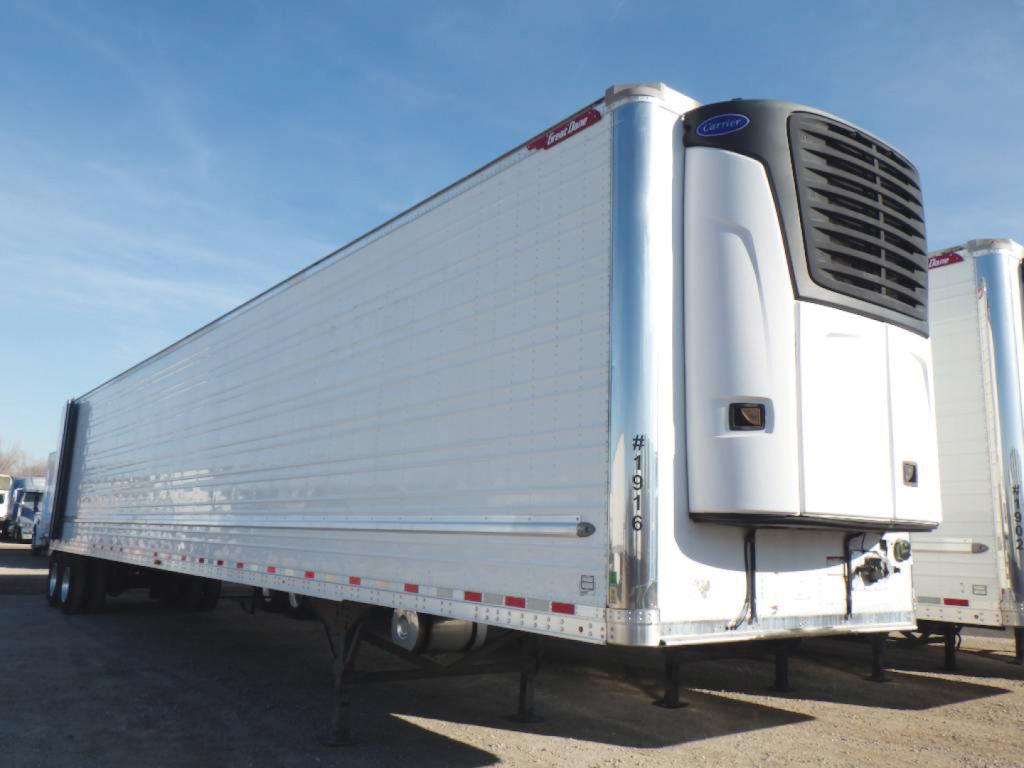
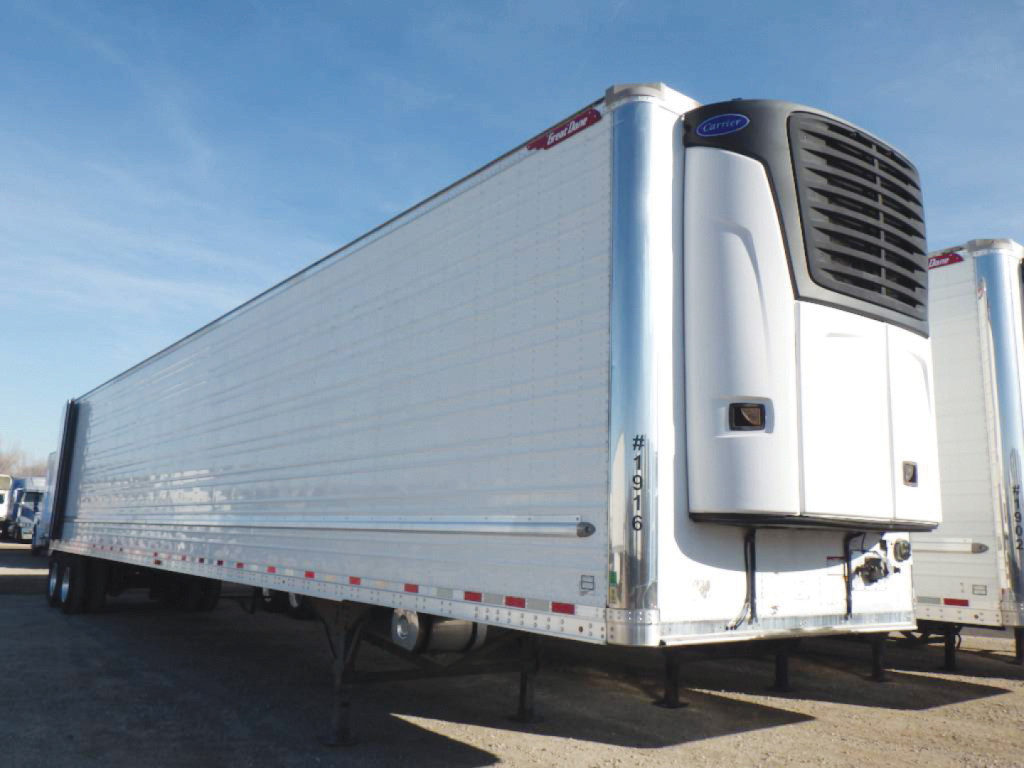
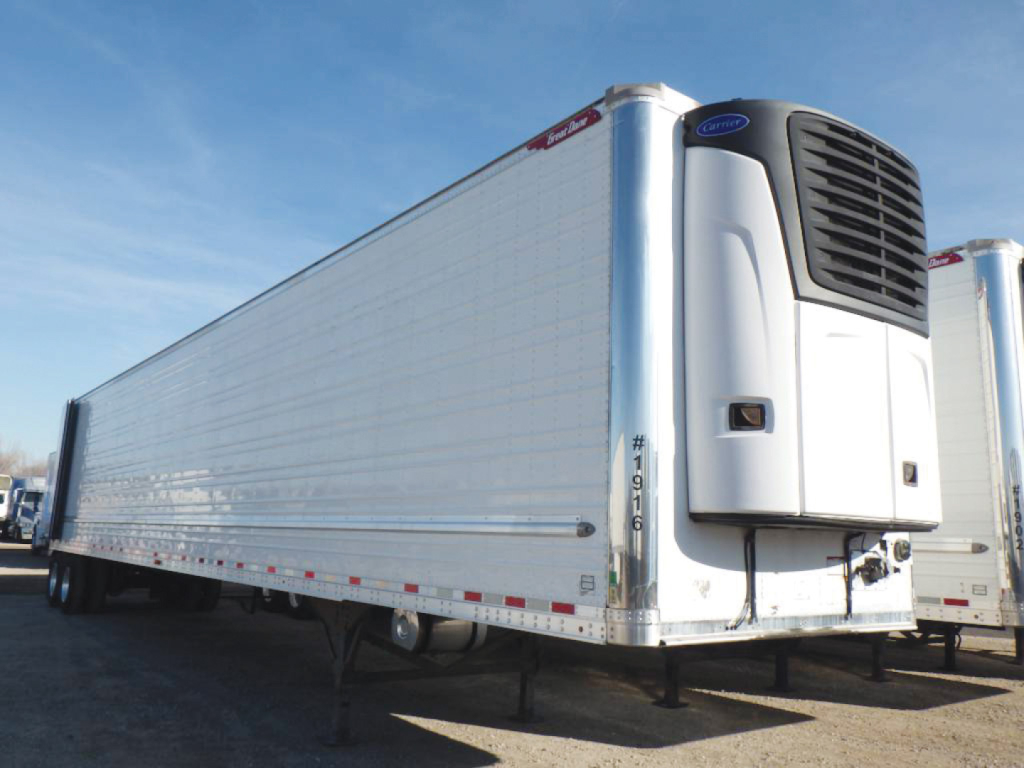
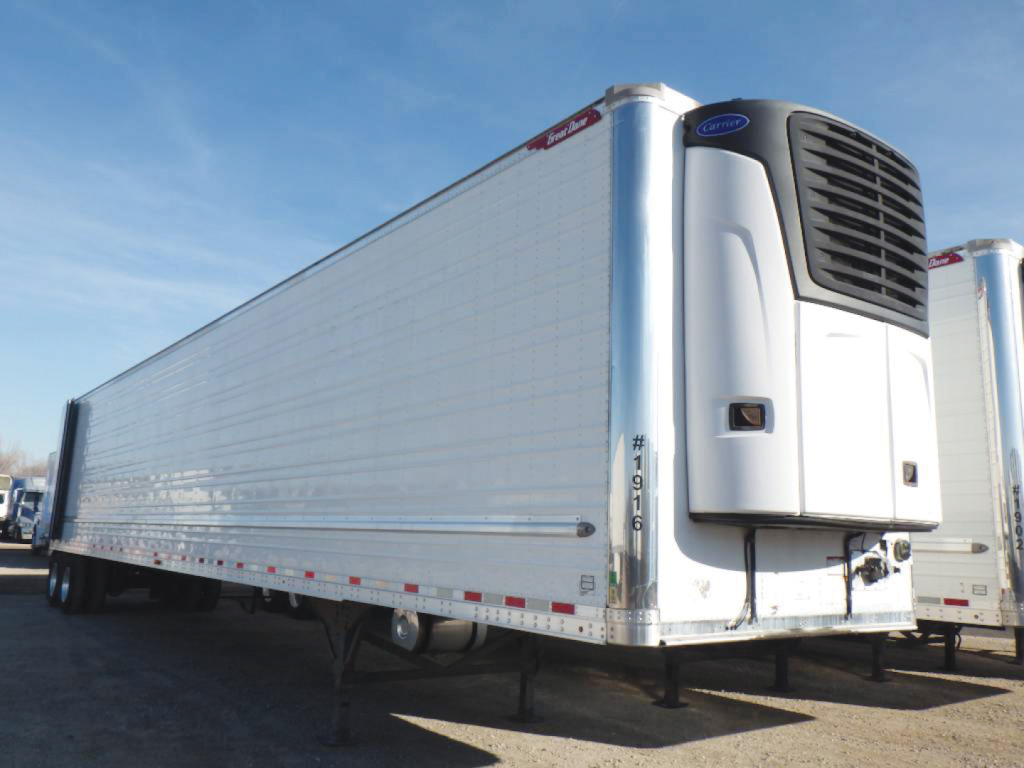
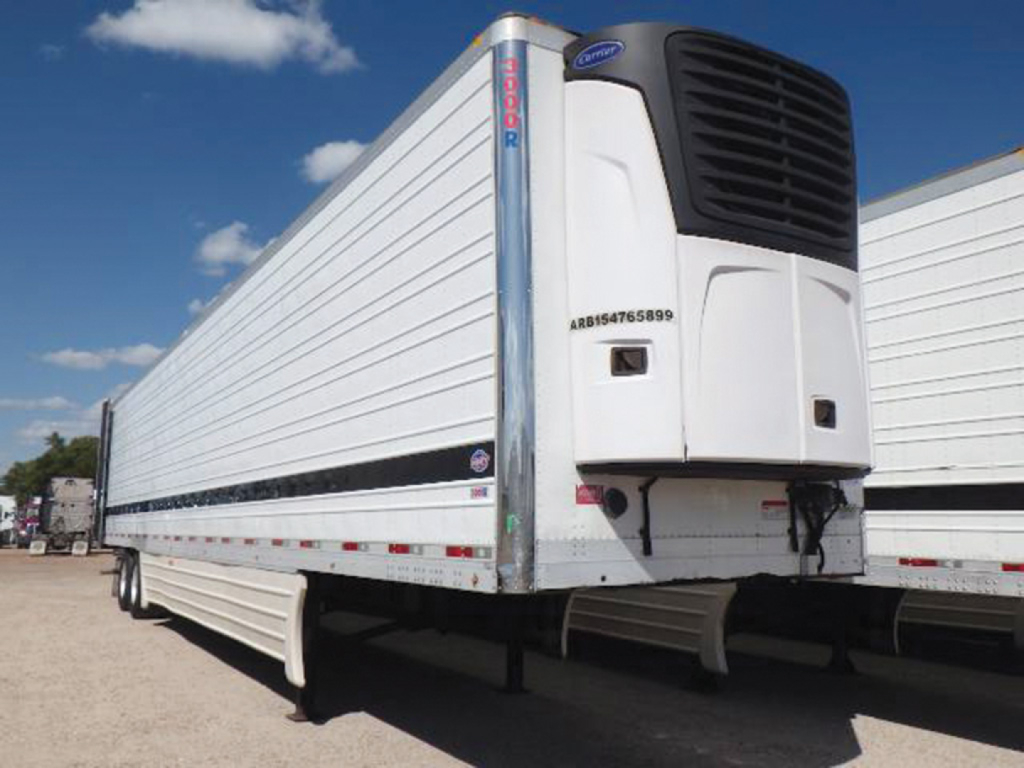
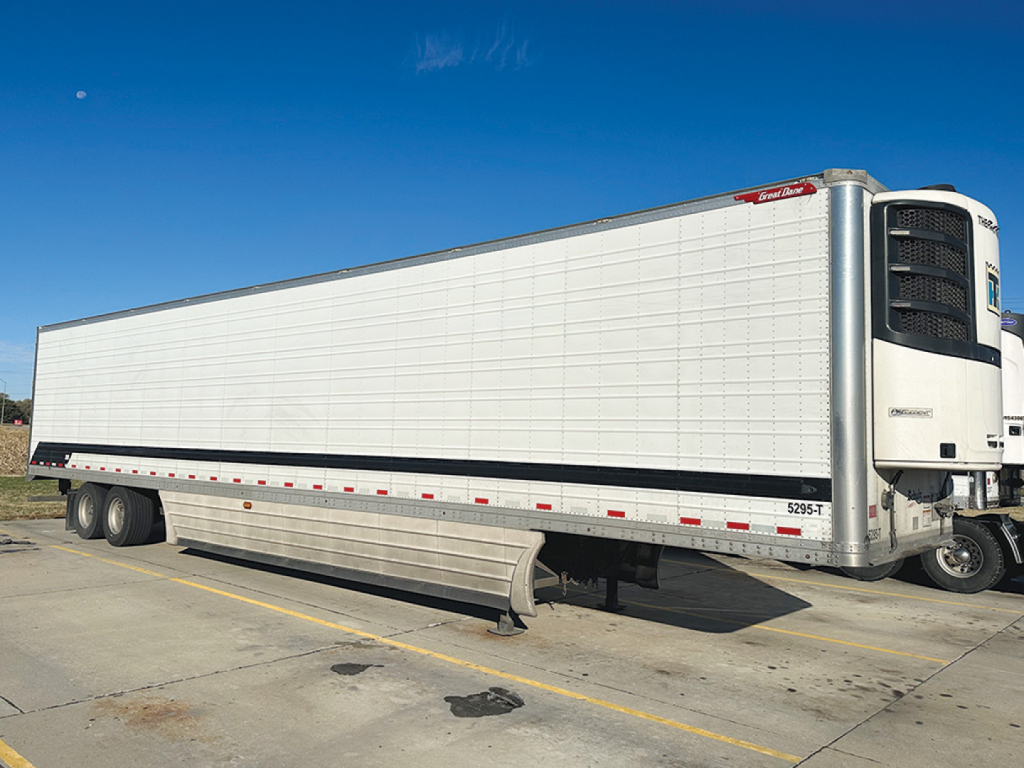
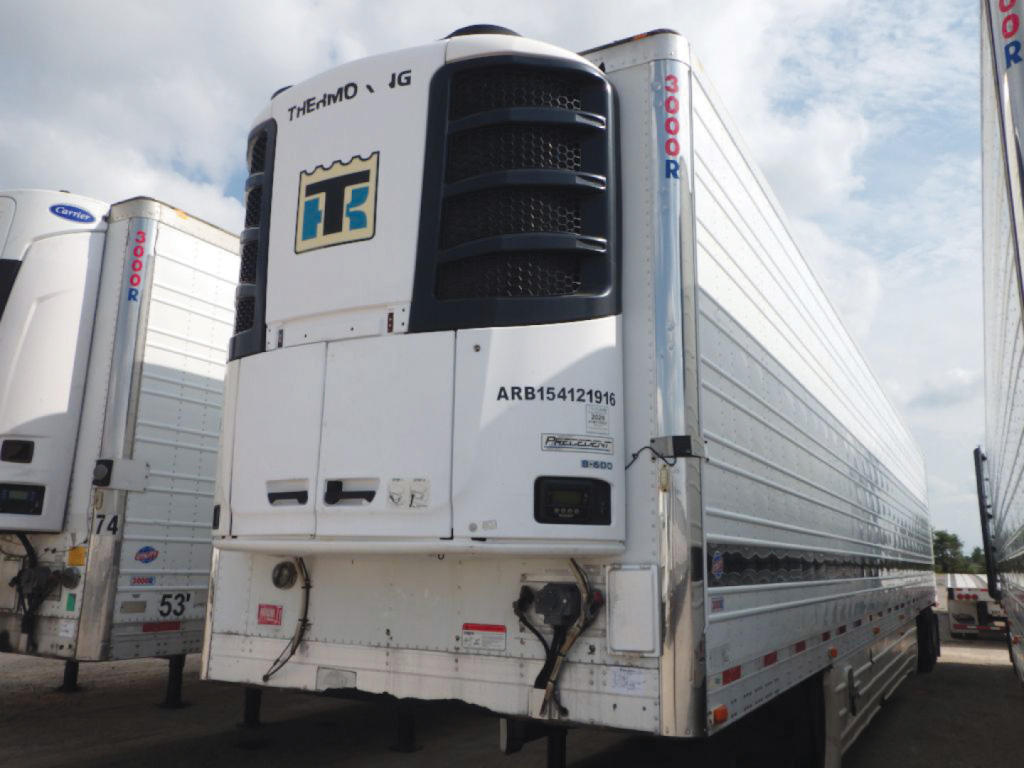

Selling a used reefer trailer? List your used reefer trailer for sale and reach thousands of commercial buyers.
Used Reefer Trailers in Nebraska
On used reefer trailers, the refrigeration unit deserves as much attention as the box itself. Carrier and Thermo King are the dominant names, and units like the Carrier 2500A or Thermo King Precedent series are common on late-model trailers. Buyers should review engine hours, maintenance records, start-up behavior, pull-down performance, and whether the unit has been used in multi-temp or continuous-run service. A reefer with a clean box but a neglected unit can become expensive quickly, so it is worth checking the evaporator, condenser, fuel tank, controls, and any history of alarm codes or major component replacement.
Trailer construction details matter because they affect both sanitation and long-term operating cost. Aluminum duct floors are common because they protect airflow under the load and hold up well in foodservice work, but they should be checked for crushed channels, patching, and corrosion. Scuff liners or scuff plates help protect interior walls from pallet damage. Stainless steel front panels, rear frames, and door frames are desirable on used reefer trailers because those areas take abuse from washouts, docks, and road spray. Swing doors remain standard, and buyers should inspect door seals, hinges, thresholds, and rear frame alignment to make sure the trailer still closes tight and holds temperature efficiently.
Nebraska buyers often need reefer trailers that can run reliably across long regional lanes, variable weather, and heavy agricultural freight cycles. Air ride suspension and sliding tandems are standard on many 53-foot reefers because they help protect cargo and give axle flexibility for bridge laws and dock positioning. Tire inflation systems, side skirts, low-profile 22.5 tires, and aluminum wheels may also show up on used units and can improve operating efficiency or maintenance intervals. The best used reefer trailer is not just the newest one. It is the one with a solid insulated body, a well-documented refrigeration unit, clean floors and doors, and specs that match your freight profile, loading method, and service area.
Frequently Asked Questions about Used Reefer Trailers in Nebraska
What should I inspect first on a used reefer trailer?
Start with the refrigeration unit and the condition of the insulated box. Check reefer engine hours, service history, fuel system, alarm history, and how quickly the unit pulls down to set temperature. Then inspect the trailer body for damaged insulation, air leaks around doors, floor damage, interior wall damage, and signs of moisture intrusion. A used reefer trailer can look clean and still have expensive issues if the unit is weak or the box no longer holds temperature properly.
Are 53-foot reefer trailers the standard size for most operations?
Yes, 53-foot reefer trailers are the most common specification for over-the-road refrigerated freight. They usually measure 102 inches wide and 13 feet 6 inches high, with inside height near 102 inches depending on the build. That size works well for grocery, frozen food, meat, and general temperature-controlled loads because it provides strong cubic capacity while staying compatible with standard docks, warehouse practices, and route planning.
Which is better on a used reefer trailer, Carrier or Thermo King?
Both Carrier and Thermo King are widely accepted in the reefer market, and either can be a strong choice if the unit has been maintained correctly. The better buy usually comes down to service history, local dealer support, parts availability in your lanes, and the unit's actual operating condition. Buyers should focus less on brand alone and more on hours, recent repairs, performance under load, and whether the local service network can support the trailer quickly when downtime happens.
Why do features like duct floors, scuff liners, and stainless rear frames matter?
These features affect airflow, durability, and resale value. A duct floor helps maintain proper air circulation under the freight, which is critical for consistent temperature control. Scuff liners or scuff plates reduce wall damage from pallets and forklifts. Stainless steel rear frames, front panels, and door frames hold up better against corrosion, dock contact, and repeated washdowns. On a used reefer trailer, these details often tell you how well the trailer will handle daily food-grade service.
What is important for Nebraska reefer trailer buyers specifically?
Nebraska operators often deal with long regional hauls, seasonal temperature swings, and agricultural or food-product freight. That makes refrigeration reliability, insulation quality, and suspension condition especially important. Buyers should also consider whether the trailer has air ride suspension, sliding tandems, and fuel capacity appropriate for their lanes. A reefer trailer that performs well in both summer heat and winter cold, and that can be serviced easily across the Midwest, is usually the right fit for Nebraska-based operations.