
Used Utility Reefer Trailers For Sale in Nebraska
Browse used Utility reefer trailers for sale in Nebraska. Compare 3000R specs, reefer units, floor types, suspension, and door options.
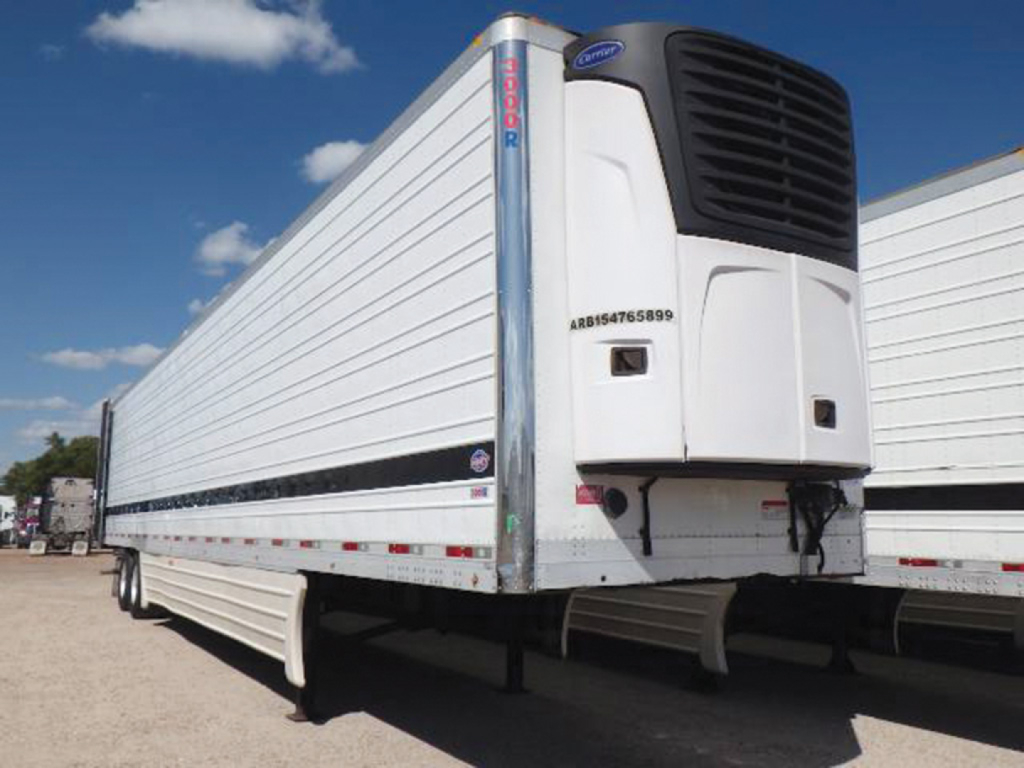
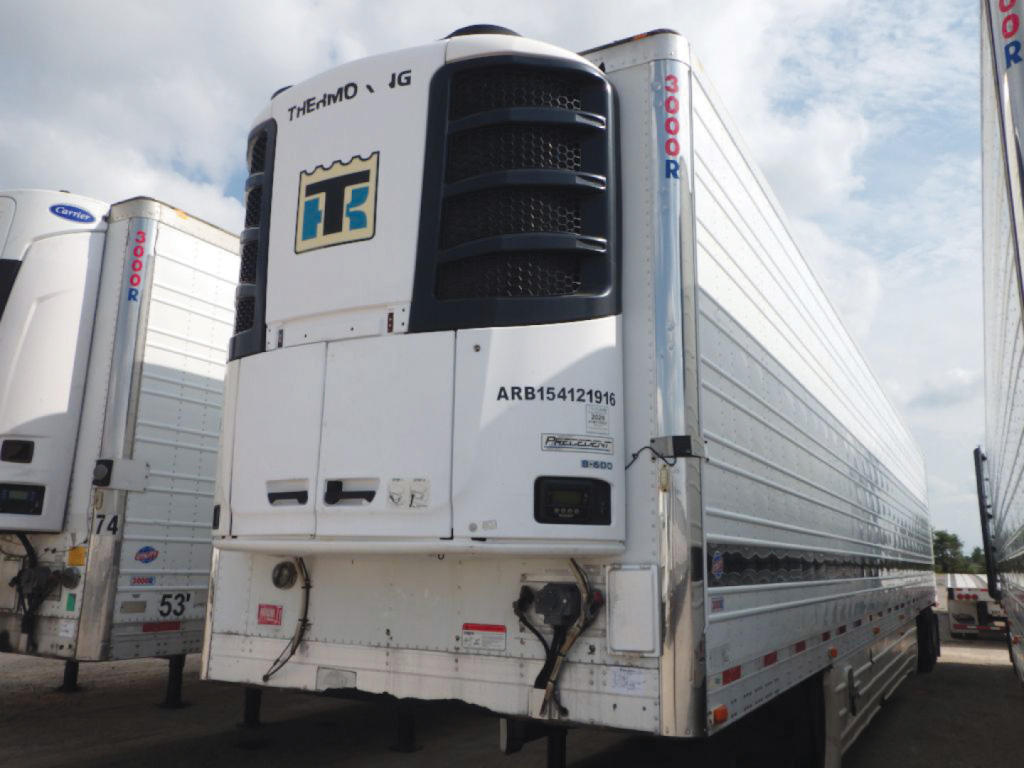

Selling a used utility reefer trailer? List your used utility reefer trailer for sale and reach thousands of commercial buyers.
Used Utility Reefer Trailers in Nebraska
Most used Utility reefers on the market are 53-foot trailers, 102 inches wide, and 13 feet 6 inches tall, although 48-foot units still show up in regional and specialized work. Common specifications include air ride suspension, sliding tandems, low-profile 22.5 tires or super singles, and aluminum wheels or disc wheels. Many trailers are equipped with heavy-duty aluminum duct floors, scuff liners or scuff plates, cold chutes, stainless steel rear frames, and stainless steel door hardware. Those details matter because reefer trailer value is tied not just to age, but to how well the trailer holds temperature, resists corrosion, and stands up to repeated dock loading.
The refrigeration package is a major buying decision. Used Utility reefer trailers are frequently paired with Thermo King or Carrier units, including popular fleet specs such as Precedent and Vector series systems. Buyers should verify engine hours, electric standby if equipped, maintenance records, fuel tank condition, evaporator performance, and whether the unit has been used primarily for frozen, chilled, or multi-temp service. Door style also affects application. Swing doors are still preferred for many over-the-road food lanes because they seal well and are easy to service, while roll-up doors and liftgates can be useful in route delivery and urban distribution. If the trailer has side skirts, tire inflation systems, or an undertray storage setup, those features can add efficiency and day-to-day practicality.
On a used Utility reefer, close inspection should include the front wall, roof seams, interior lining, floor channels, drain areas, and rear frame for signs of impact damage, water intrusion, or past patchwork. Check kingpin wear, tandem slider operation, suspension bushings, brake type, and tire wear pattern, especially on Nebraska trailers that may have seen year-round highway service in wide temperature swings. Buyers comparing listings should weigh the condition of the box and refrigeration unit more heavily than cosmetic appearance. A clean 3000R with solid insulation, a straight rear frame, and a well-documented Thermo King or Carrier unit will usually be more valuable in service than a newer trailer with deferred reefer maintenance.
Frequently Asked Questions about Used Utility Reefer Trailers in Nebraska
What makes a used Utility reefer trailer a popular choice for food-grade hauling?
Utility reefer trailers are widely used because the 3000R platform has a strong reputation for durable insulated construction, good parts availability, and fleet-friendly specs. Buyers in food-grade service often look for aluminum duct floors, scuff protection, stainless rear framing, and proven refrigeration units from Thermo King or Carrier. Those features support temperature consistency, frequent dock use, and easier long-term maintenance.
What should I inspect first on a used Utility 3000R reefer?
Start with the refrigeration unit hours and service history, then inspect the trailer body for structural and insulation-related issues. Key areas include the front wall, roof, door seals, floor condition, rear frame, and interior lining. A reefer trailer can look presentable outside and still have costly problems such as weak insulation, floor damage, water intrusion, or poorly repaired impact areas.
Are 48-foot and 53-foot Utility reefer trailers used for different applications?
Yes. A 53-foot Utility reefer is the standard choice for over-the-road truckload freight because it maximizes cube and fits most grocery, frozen food, and distribution applications. A 48-foot reefer may still be useful in regional work, older fleet compatibility, or operations where loading patterns and route requirements do not demand a full 53-foot trailer. The right size depends on freight density, lane requirements, and dock environment.
Which reefer unit brands are commonly found on used Utility trailers?
Thermo King and Carrier are the two brands most commonly seen on used Utility reefer trailers. Popular examples include Thermo King Precedent units and Carrier Vector systems. Buyers should compare not just brand preference, but actual unit condition, maintenance records, hours, fuel system condition, and the availability of local service support in their operating area.
Do features like swing doors, roll-up doors, liftgates, and tire inflation systems matter on a reefer trailer?
They matter because they affect how the trailer fits the job. Swing doors are common in long-haul food service and typically offer strong sealing and straightforward maintenance. Roll-up doors and liftgates are more useful in route delivery and frequent stop operations. Tire inflation systems, side skirts, and similar fleet specs can reduce downtime and improve operating efficiency, especially on trailers that stay in regular highway service.