
Reefer Trailers For Sale in Ontario
No exact matches found for your search
Showing Reefer Trailers instead.
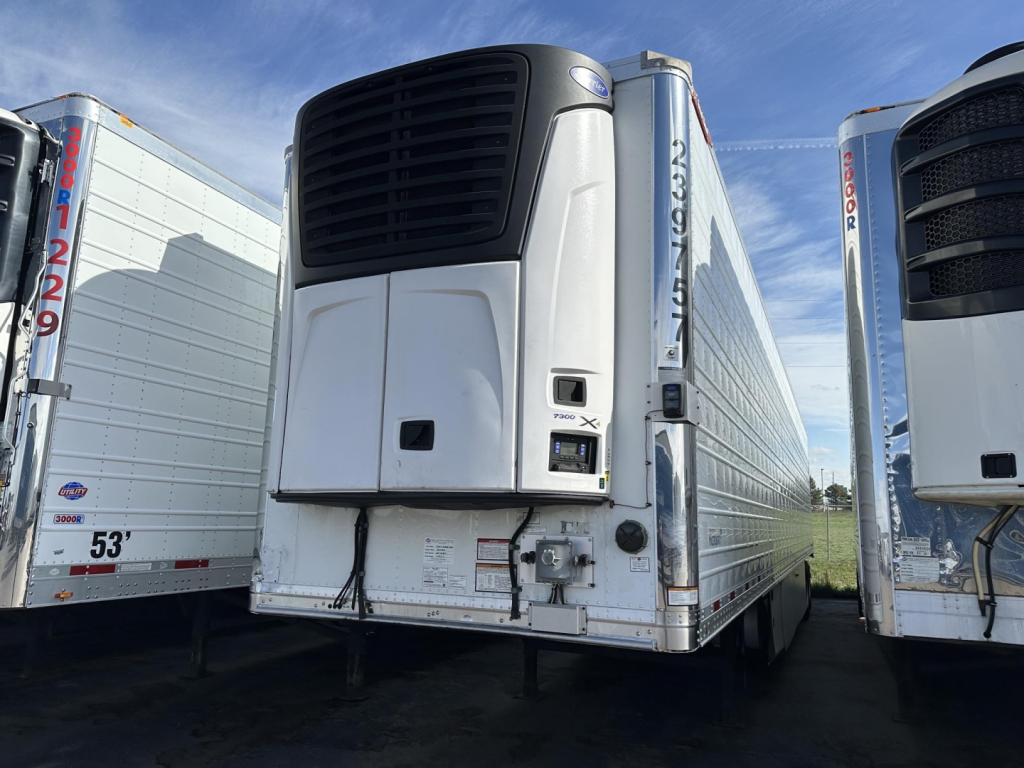
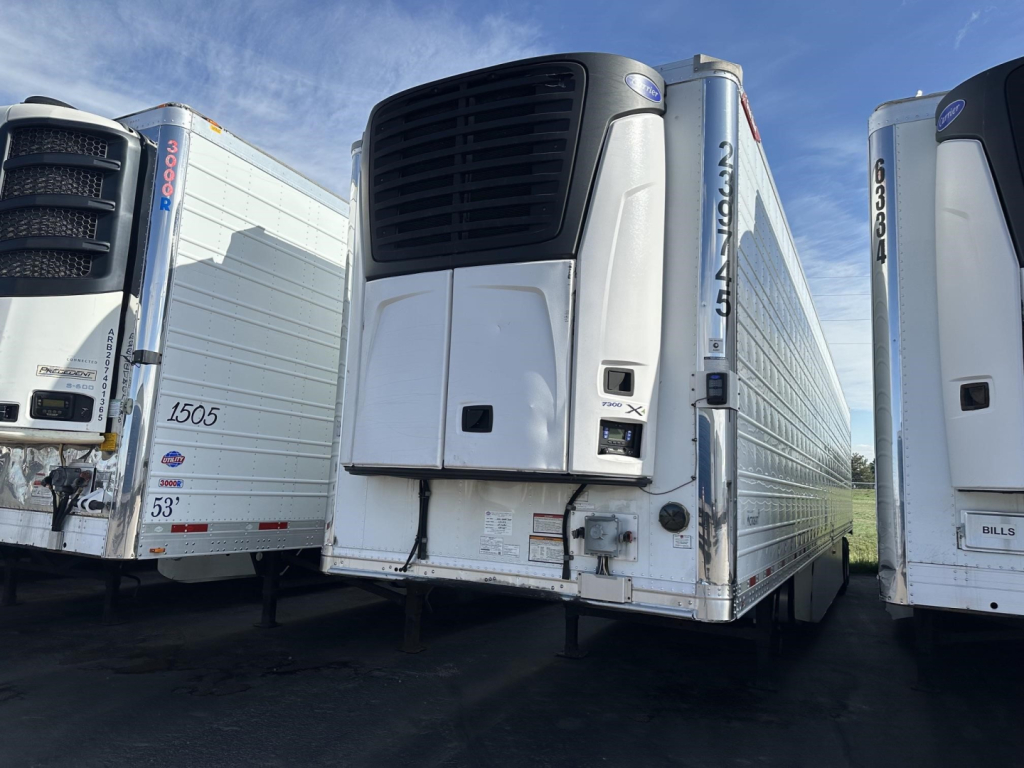
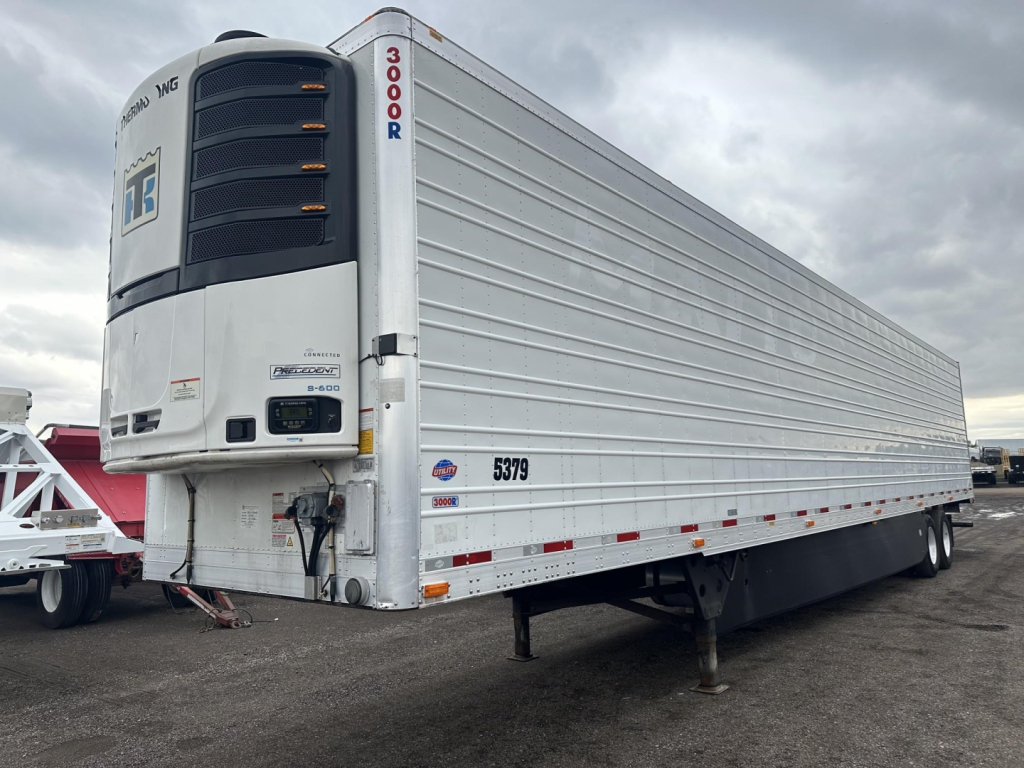
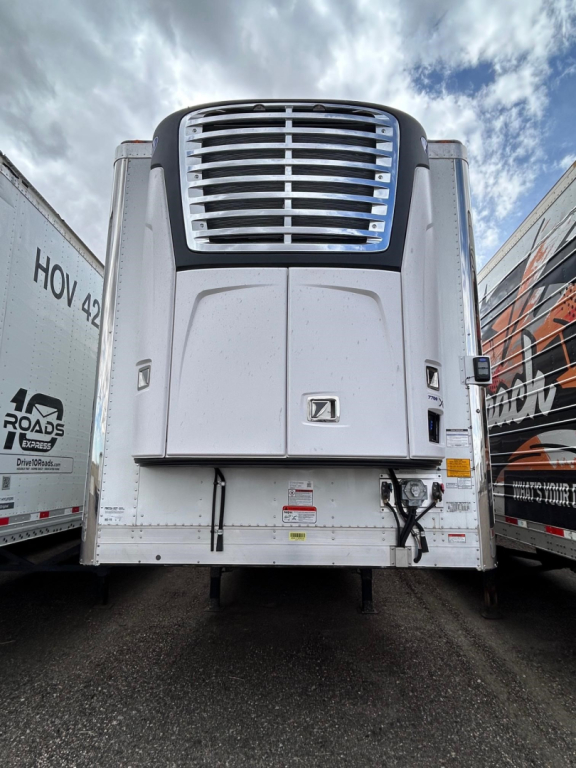
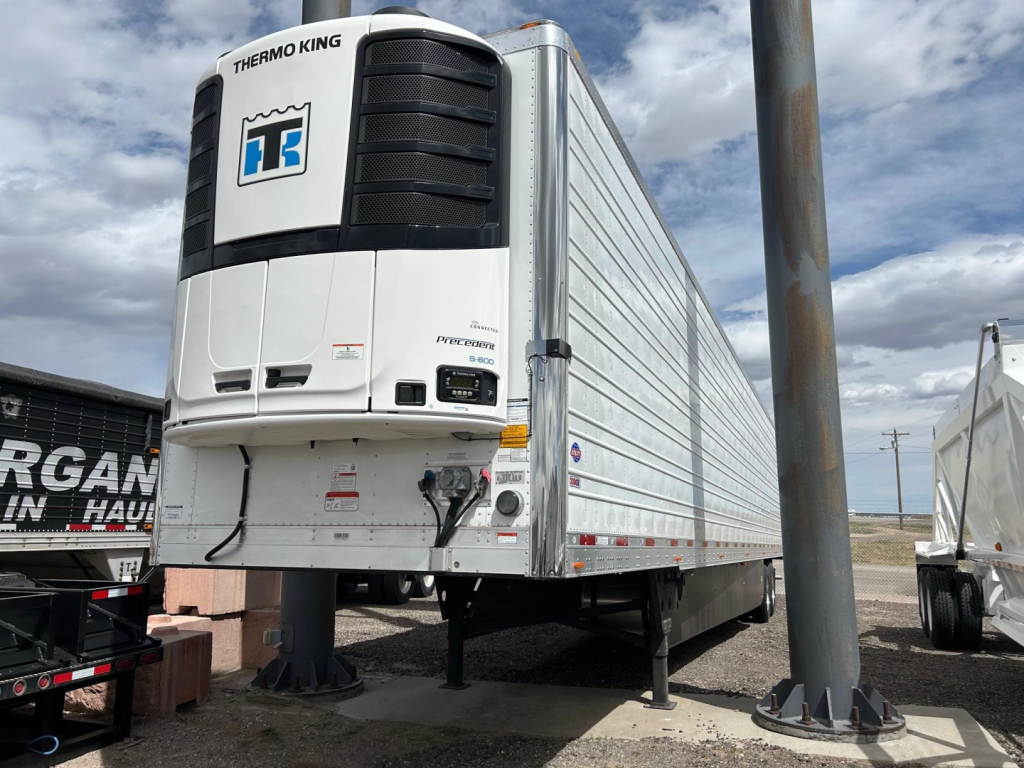
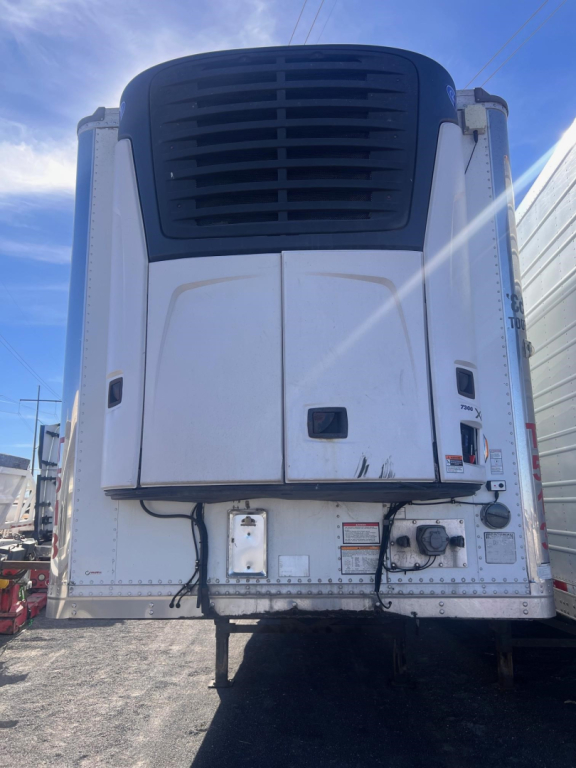
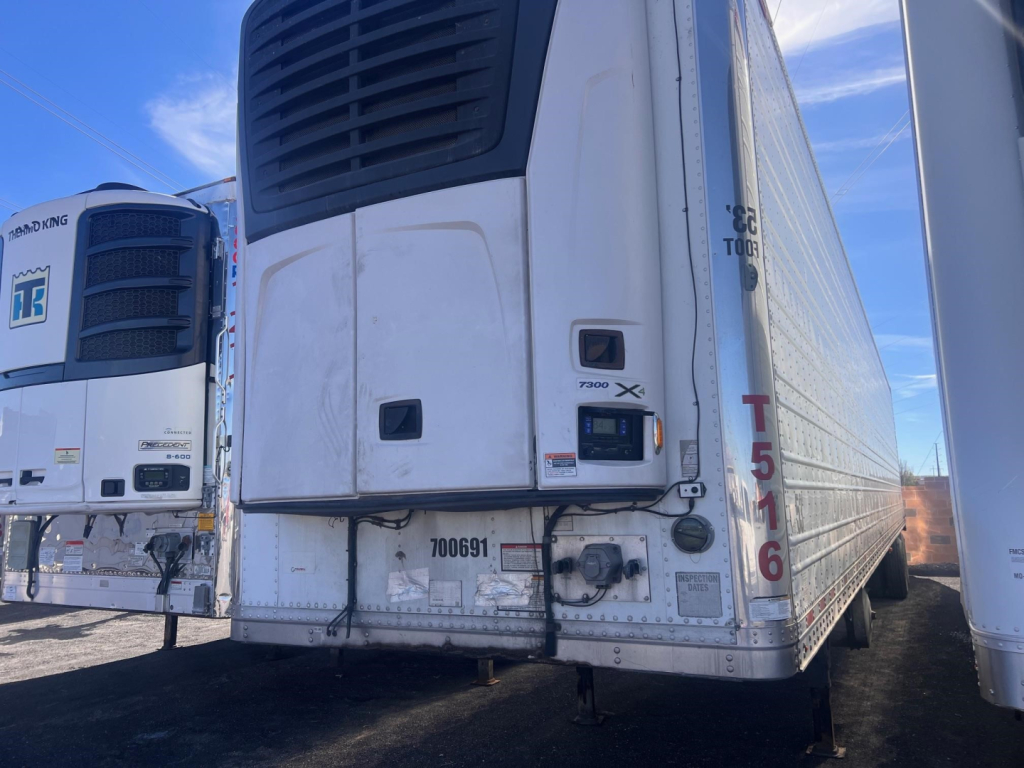
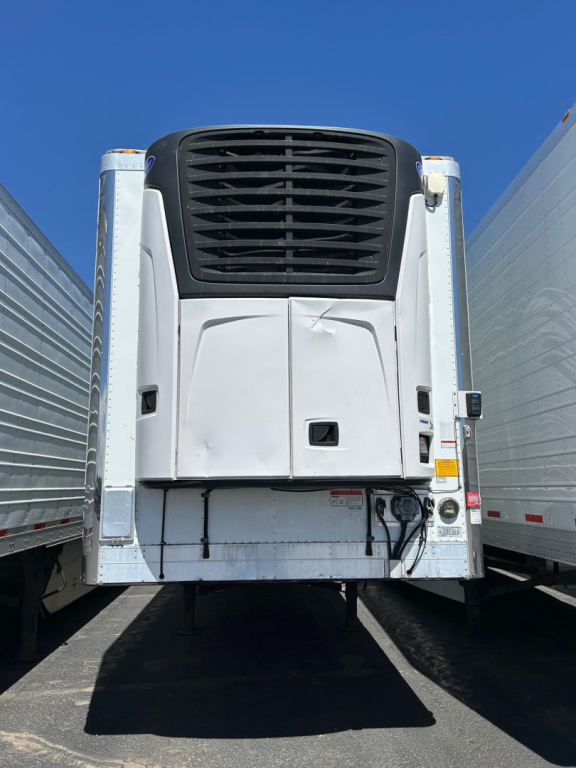
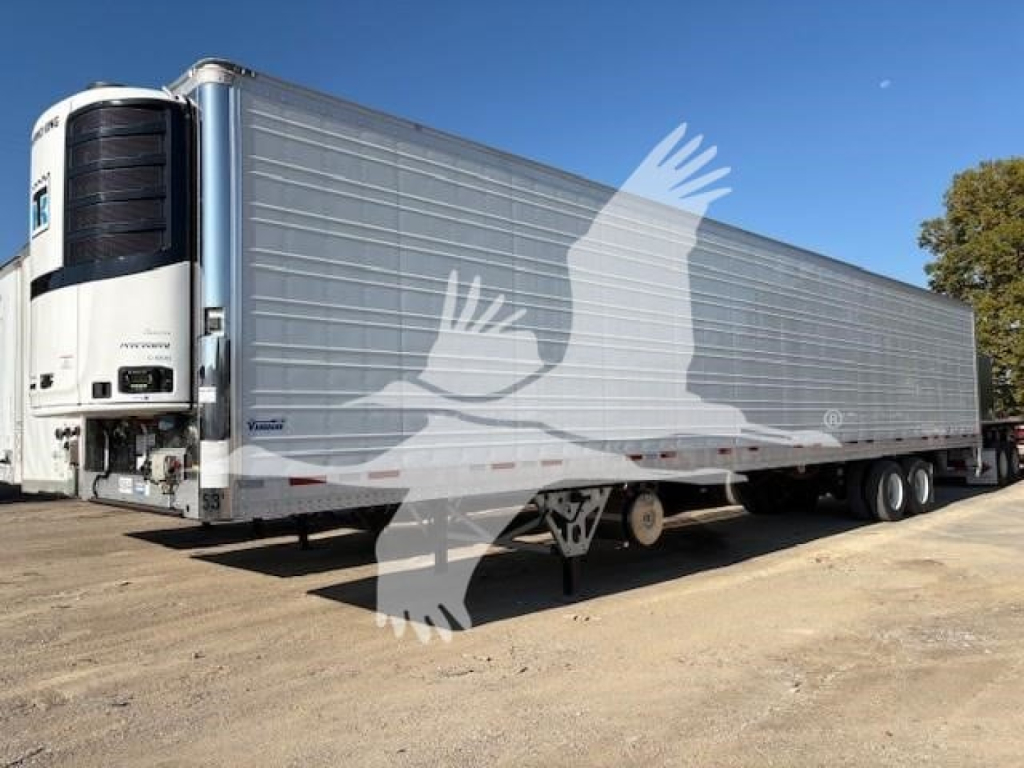
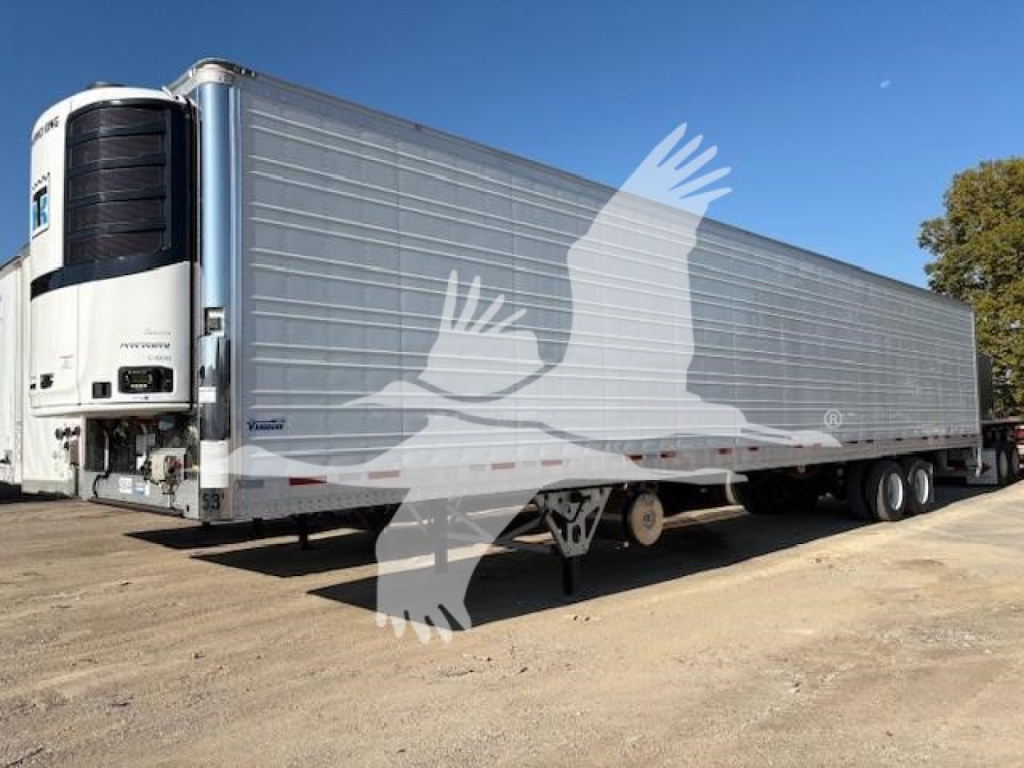
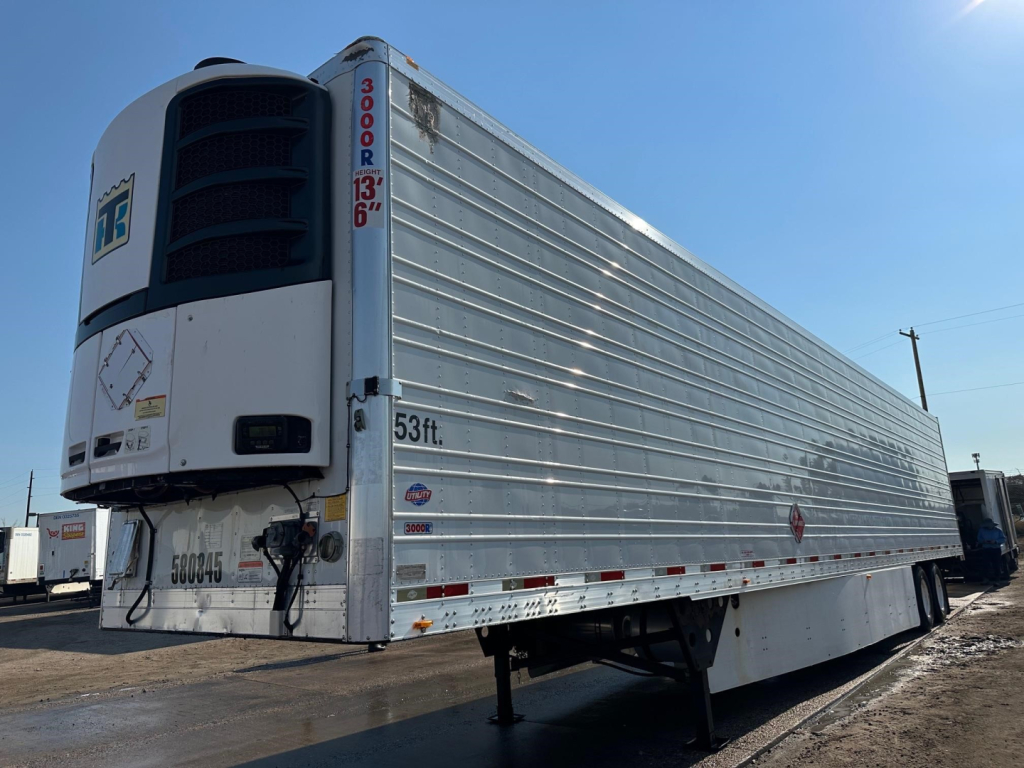
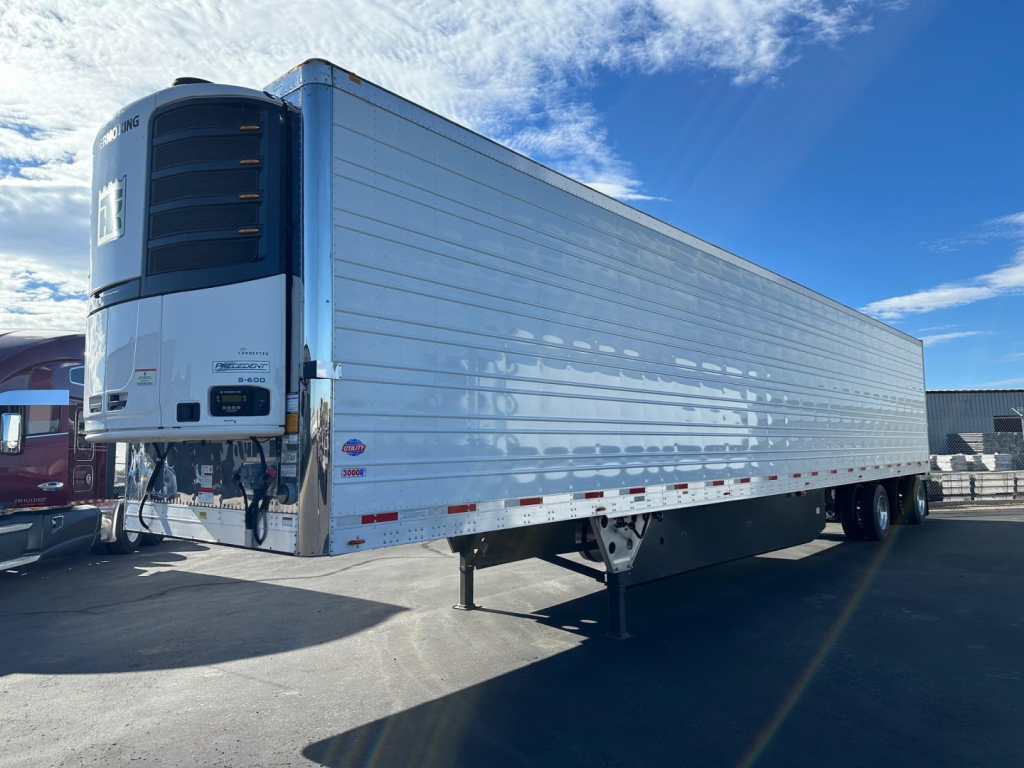
Showing 37 to 48 of 104 results
Have reefer trailer to sell? List it here to reach thousands of buyers.
Reefer Trailers in Ontario
Floor and interior configuration have a direct impact on cargo protection and loading speed. Aluminum duct floors are common on reefer trailers because they support airflow under the freight, which helps maintain even box temperature from front to rear. Features like cold chutes, rear vents, E-track, heavy-duty scuff plate, and stainless steel door frames are worth close attention, especially in multi-stop distribution or high-cycle dock operations. Inside height also matters. A taller inside box can improve cube, but buyers should still verify how that affects pallet count, airflow, and loading clearances. In Ontario, where mixed freight and LTL refrigerated work can be demanding, durability items such as stainless front radius panels, quilted doors, and reinforced rear structures often pay off over time.
Suspension, axle setup, and rolling gear are just as important as the reefer unit. Air ride suspension and sliding tandem axles are standard on many 53-foot reefers because they help with dock approach, ride quality, and bridge law compliance. Disc wheels, low-profile 22.5 tires, super singles on some specs, and tire inflation systems can all influence maintenance cost and uptime. Buyers comparing newer reefer trailers should also look for options like disc brakes, roll stability systems, side skirts, and aerodynamic roof kits. These features can improve stopping performance, reduce wear, and lower operating cost on long Ontario highway lanes between major freight corridors.
A used reefer trailer should be evaluated as a refrigerated system, not just a van trailer with a nose-mounted unit. Check the reefer hours, maintenance records, evaporator and condenser condition, fuel tank, door seal integrity, floor wear, and signs of moisture intrusion in the insulation or lining. Pay attention to the condition of the front wall, chute, and interior liner, since damage in those areas can affect temperature recovery and fuel burn. For buyers running cross-border, retail, or food-grade freight, details such as continuous air delivery, cleanable interiors, and dependable temperature control are often more important than cosmetic appearance. The best reefer trailer is the one that matches your freight profile, route length, service support, and expected lifecycle cost.
Frequently Asked Questions about Reefer Trailers in Ontario
What should I look for first when buying a reefer trailer?
Start with the refrigeration unit, its hours, service history, and ability to hold setpoint under load. After that, inspect the trailer body for insulation integrity, door seal condition, floor wear, and any liner or front wall damage that could affect airflow or temperature retention. A reefer trailer is a complete temperature-control system, so unit condition and box condition need to be evaluated together.
Are most reefer trailers in Ontario 53 feet long?
Yes. The most common refrigerated trailer spec in Ontario is a 53-foot by 102-inch trailer with a 13-foot 6-inch overall height. That size fits mainstream truckload and grocery applications, provides strong pallet capacity, and works well across regional and cross-border freight lanes. Buyers should still confirm inside height, floor type, and tandem slider range because those details vary by application.
What is the difference between a duct floor and a heavy-duty reefer floor?
A duct floor is designed to channel air under the load so refrigerated air can move evenly through the trailer. That helps maintain more consistent temperatures from the front to the rear. A heavy-duty floor is built to handle harder loading cycles and concentrated forklift traffic. Many buyers want a floor that balances airflow performance with long-term durability, especially in grocery and multi-stop service.
Which reefer unit brand is more common, Thermo King or Carrier?
Both Thermo King and Carrier are widely used in reefer trailers, and both have strong presence in the market. The better choice often depends on local service coverage, technician familiarity, parts access, fuel efficiency, and the specific cooling capacity your operation needs. In Ontario, service network strength can be a major factor because fast repairs matter when a refrigerated load is at risk.
Do newer reefer trailers offer meaningful operating cost advantages?
They often do. Newer refrigerated trailers may include more efficient reefer units, better insulation, tire inflation systems, aerodynamic packages, disc brakes, telematics integration, and roll-stability features. Those upgrades can improve fuel economy, reduce maintenance events, and support better temperature documentation. For fleets with high annual mileage or strict cold-chain requirements, those savings and compliance benefits can outweigh the higher purchase price.