
New Reefer Trailers For Sale in Colorado
Shop new reefer trailers for sale in Colorado. Compare 53-foot refrigerated trailers, TRU specs, axle setups, insulation, and dock-ready options.
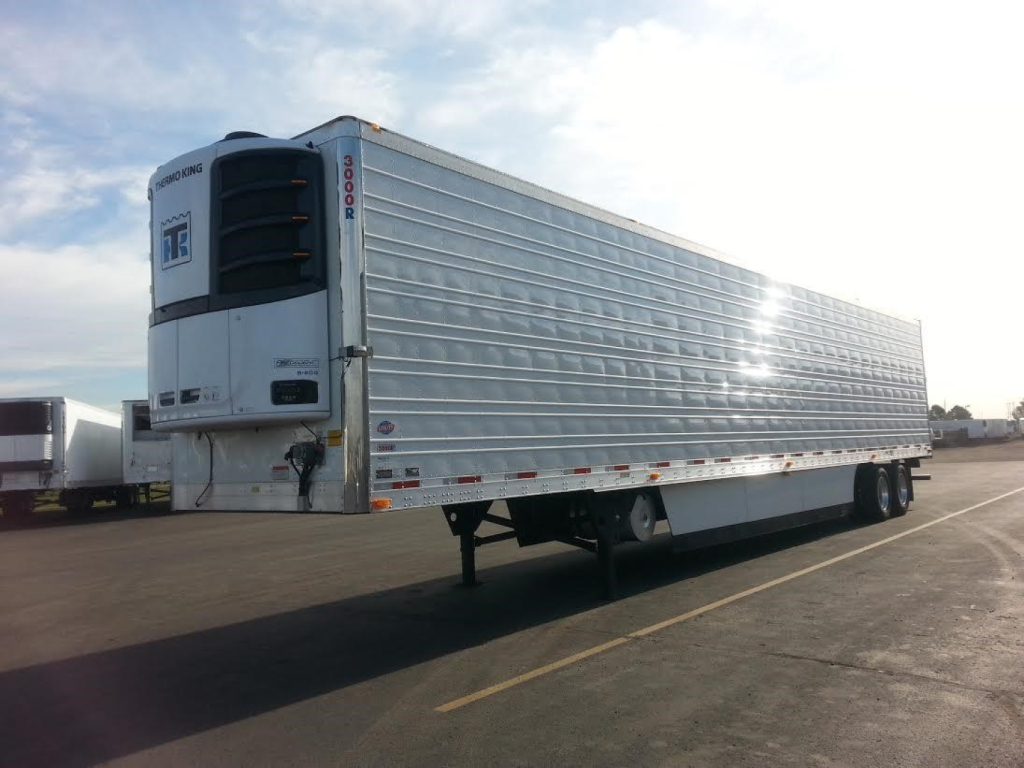
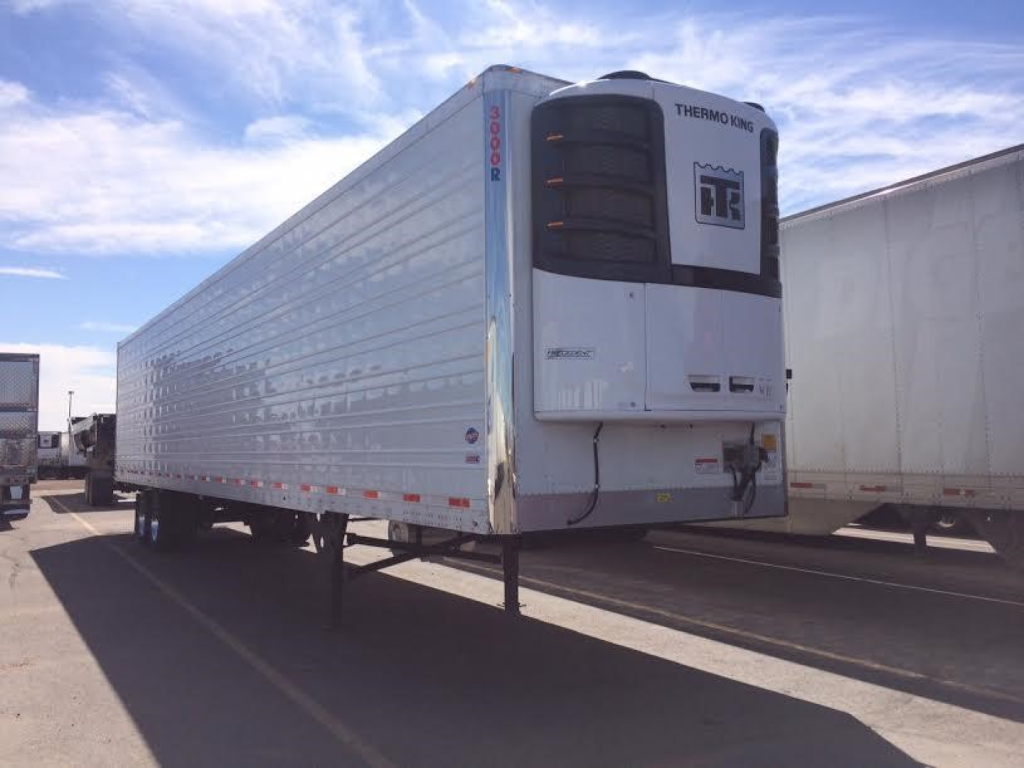
Selling a new reefer trailer? List your new reefer trailer for sale and reach thousands of commercial buyers.
New Reefer Trailers in Colorado
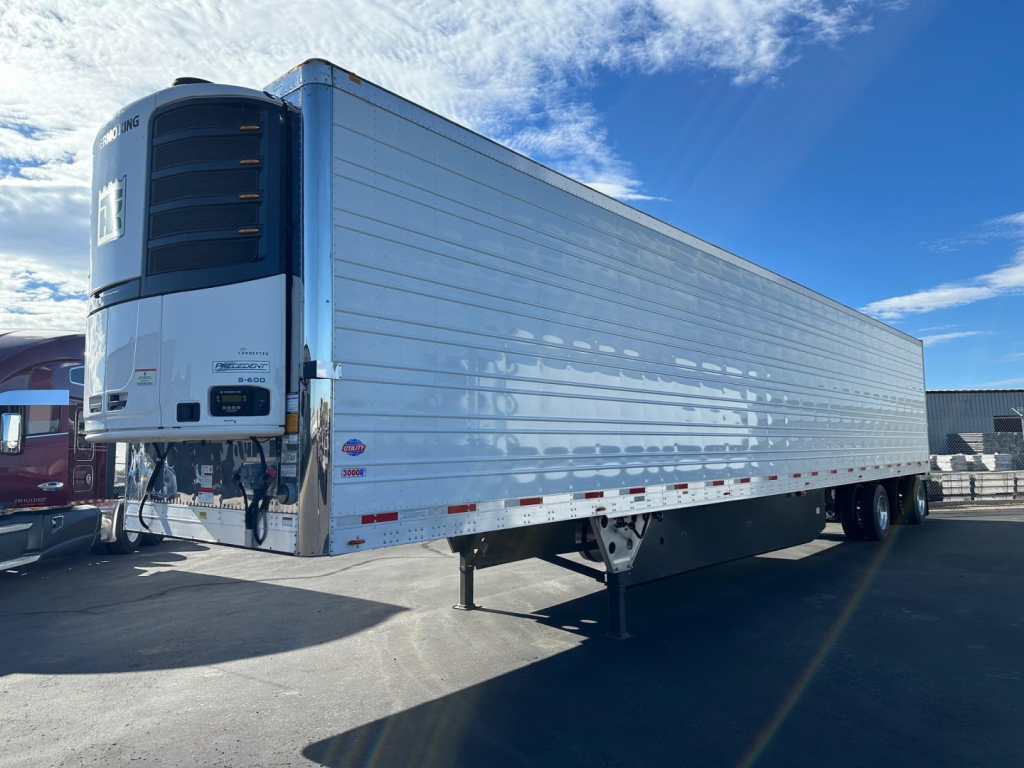
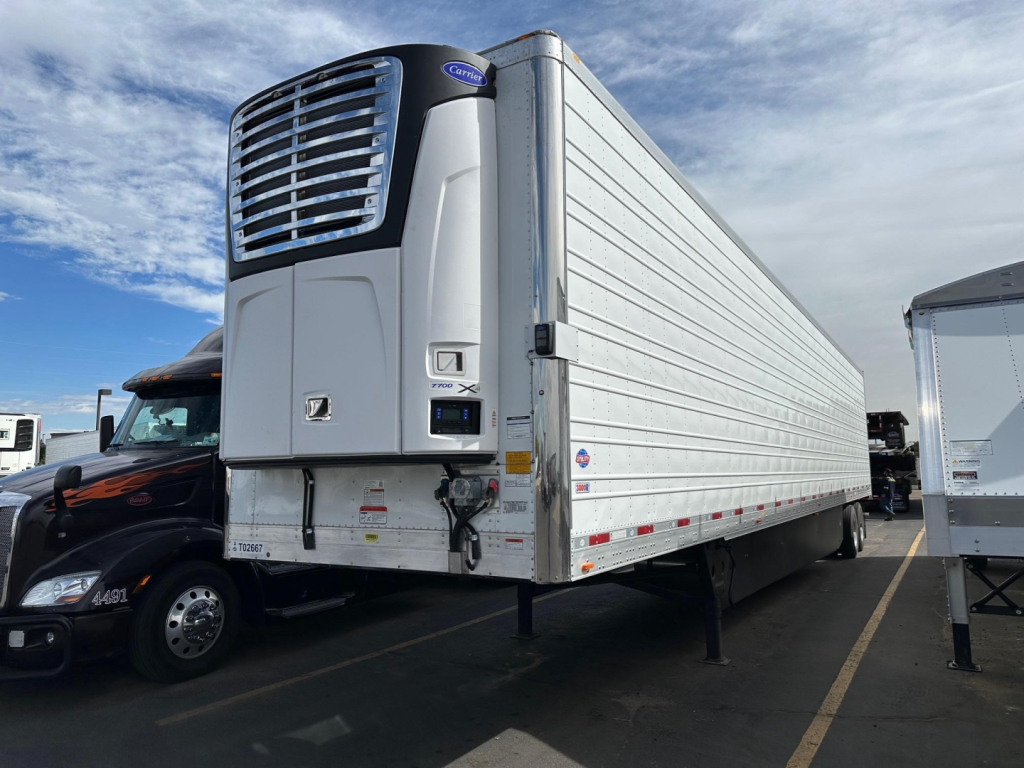
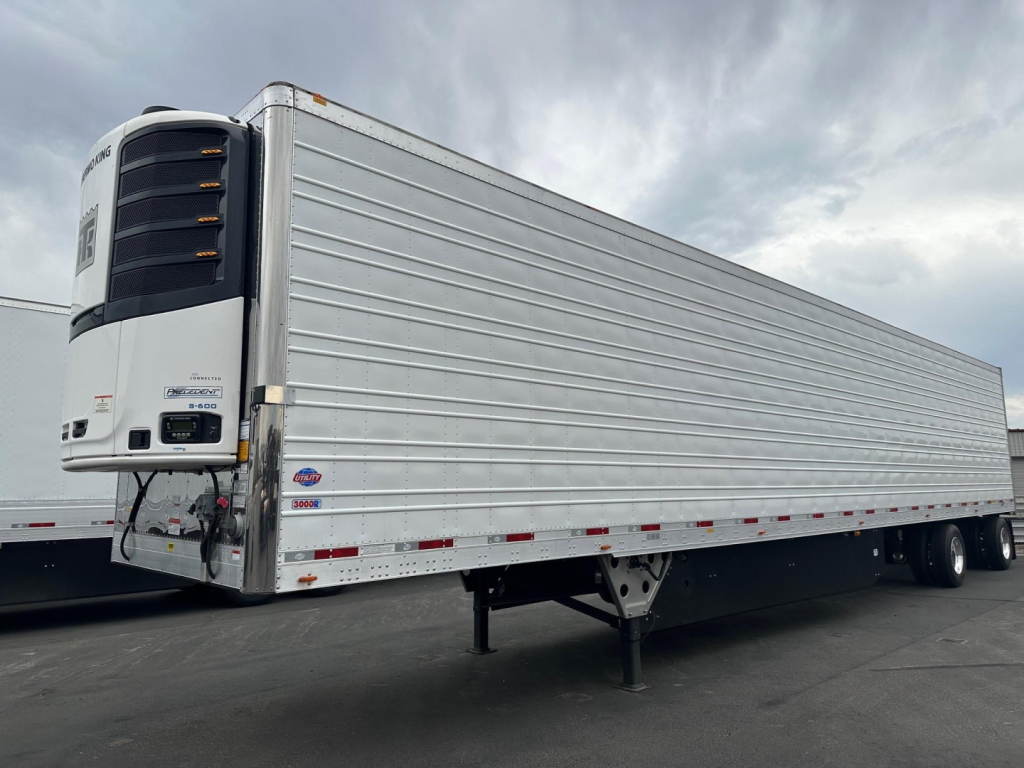
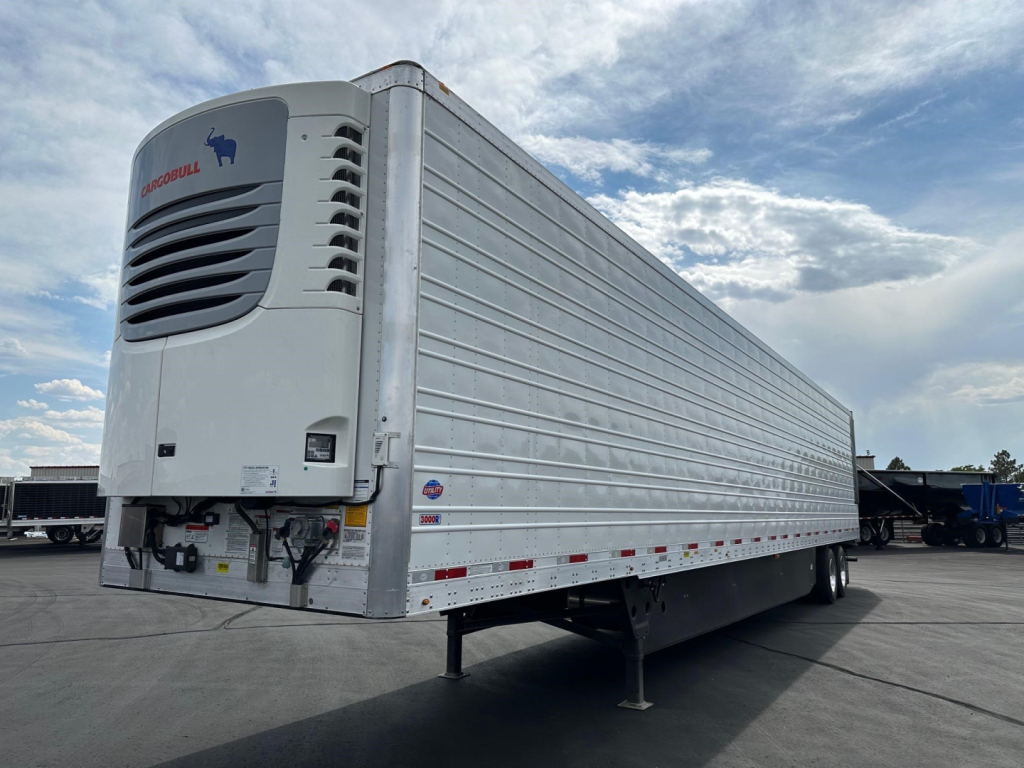
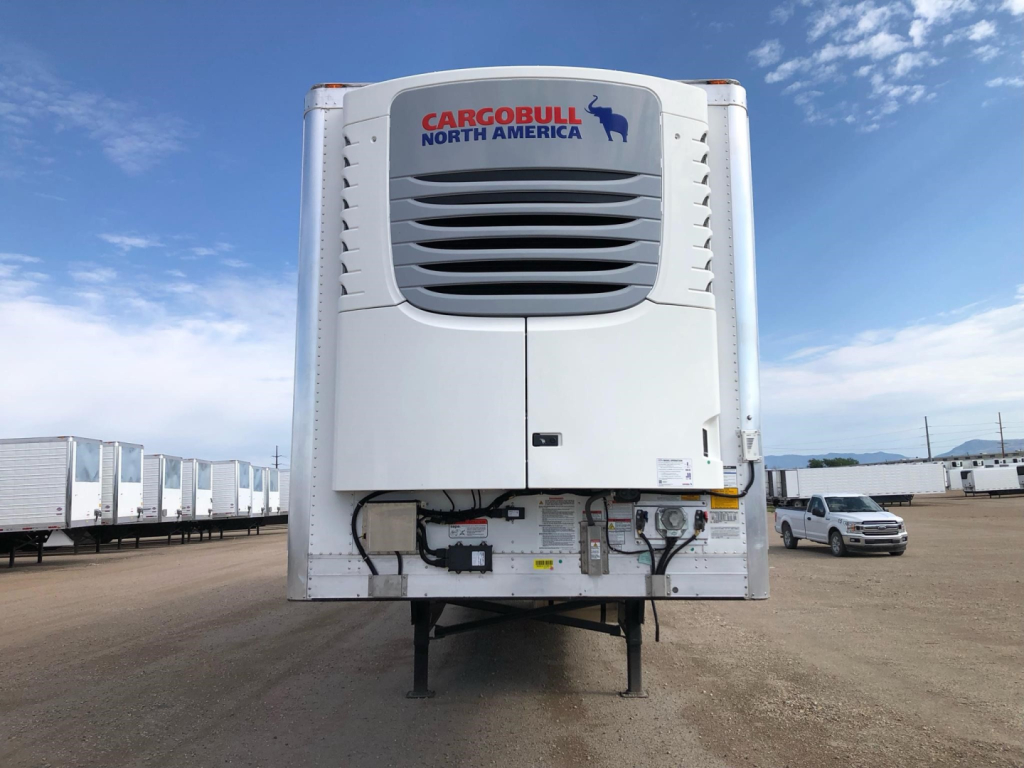
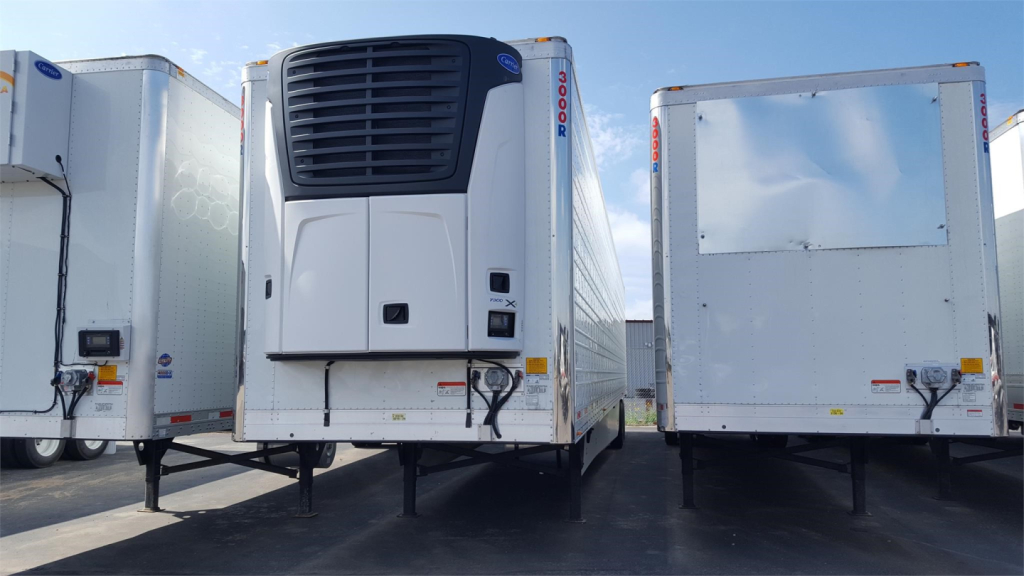
The first buying decision is usually the refrigeration package. Single-temp units are common for grocery, frozen food, dairy, produce, and general cold-chain freight. Common specs include diesel-powered or hybrid TRUs, shore power capability for electric operation at the dock, and emissions-compliant units for California and other strict regulatory markets. If your lanes involve long dwell times at distribution centers, shore power and anti-dock-walk systems can make a real difference in operating efficiency and dock safety. Buyers should also compare floor design, chute configuration, bulkhead setup, and rear venting because airflow management is what protects product integrity from nose to doors. A heavy-duty aluminum duct floor, wearband protection, and a properly spec'd chute help the trailer pull temperature evenly instead of just making the unit run harder.
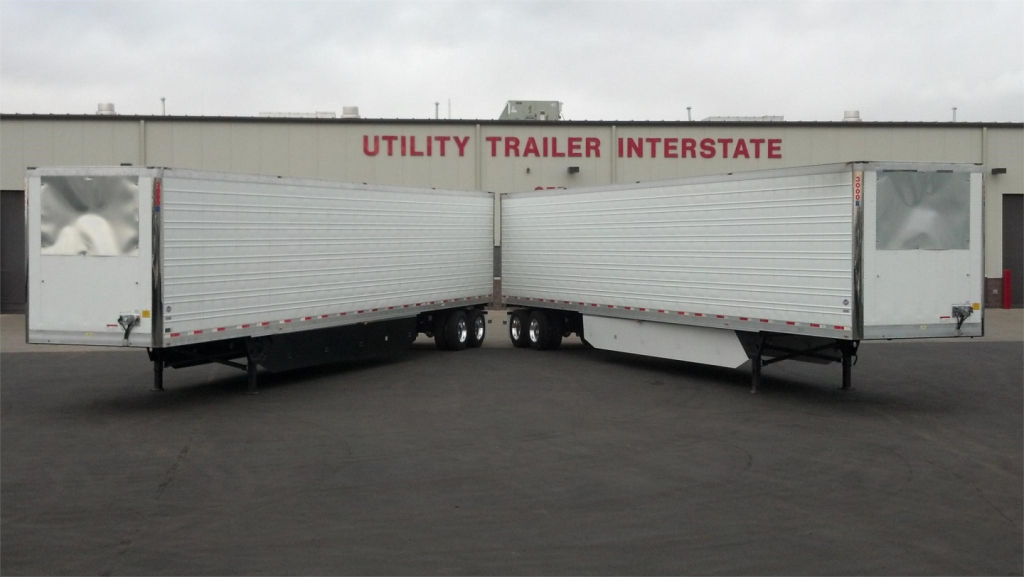
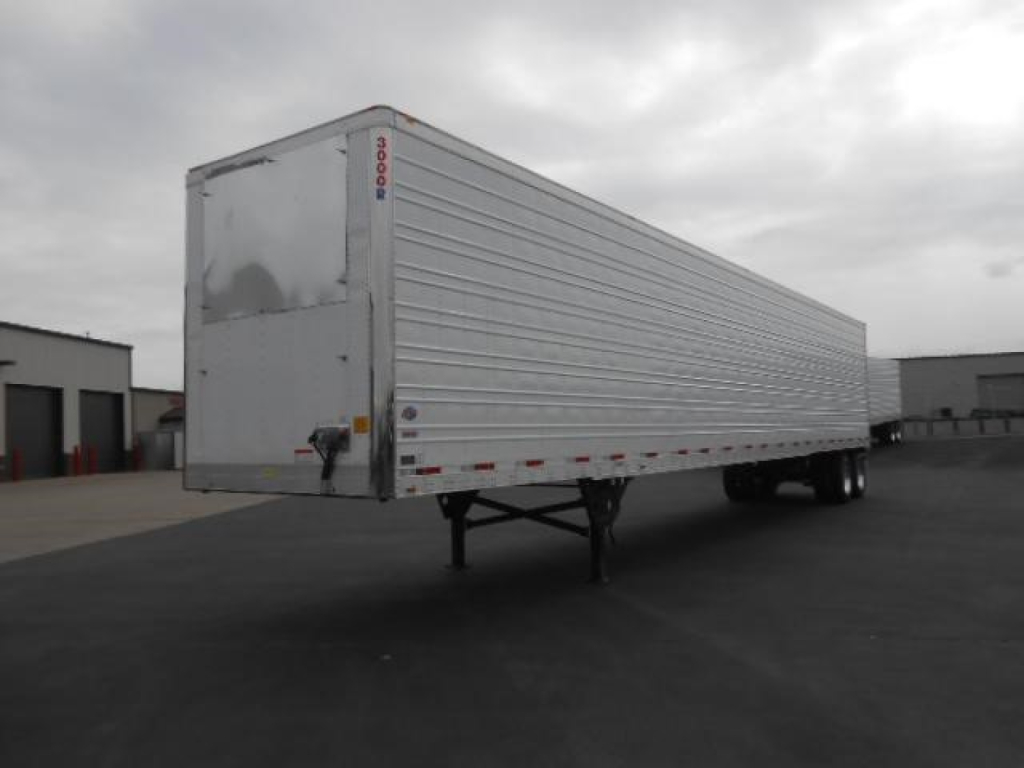
Running gear and trailer layout matter just as much as the box and TRU. Colorado operators may prioritize aerodynamic packages like side skirts and rear fairings for long highway miles, while fleets crossing into California often focus on legal axle spacing, closed tandem or sliding spread configurations, and lifetime California-legal reefer units. Air pin sliders, tire inflation systems, disc or drum brakes, low-profile 22.5 tires, and aluminum wheels all affect uptime, serviceability, and weight. Rear swing doors remain the standard on most reefers, and details like quilted stainless doors, polished hardware, stainless front corners, and corrosion-resistant rear structures hold up better in foodservice and high-wash environments. Anti-dock-walk features and stable suspension specs are worth attention if your operation sees frequent loading, high cube payloads, or repeated dock impacts.
A new reefer trailer usually makes the most sense when buyers want longer maintenance intervals, warranty coverage, current emissions compliance, and trailer specs matched closely to the freight. Insulation package, interior liner, floor durability, axle arrangement, and refrigeration unit support network should all be evaluated together rather than as standalone options. The right trailer for frozen LTL, regional grocery replenishment, meat hauling, or produce distribution is not always the lightest or cheapest build. It is the one that balances temperature control, legal payload, service access, and resale value for the lanes it will actually run.
Frequently Asked Questions about New Reefer Trailers in Colorado
What size is most common for a new reefer trailer?
The most common new reefer trailer in the U.S. market is a 53-foot by 102-inch trailer. That size works for mainstream grocery, foodservice, produce, frozen, and pharmaceutical-adjacent freight because it maximizes cube while staying compatible with standard dock and fleet operations. Buyers should still confirm inside height, floor type, and axle placement because those details affect payload, loading pattern, and bridge law compliance more than exterior length alone.
What is the difference between a single-temp reefer and a multi-temp reefer?
A single-temp reefer is designed to hold one temperature setpoint across the entire trailer, which is ideal for full loads of frozen or chilled product. A multi-temp reefer uses bulkheads and compartment management to maintain different temperature zones in the same trailer. Single-temp units are simpler and very common in general refrigerated freight, while multi-temp setups make more sense for route delivery or mixed loads where frozen and fresh product move together.
Are California-legal reefer specs important for a buyer in Colorado?
They can be very important if the trailer may ever run into California or be resold into fleets that do. California emissions rules for transport refrigeration units are stricter than many other states, so a California-legal unit can protect operational flexibility and resale value. Even for Colorado-based operations, buyers who run western regional lanes often prefer compliant TRUs and axle configurations that keep the trailer usable across more markets.
Which matters more on a reefer trailer, the TRU brand or the trailer body spec?
Both matter, but buyers often underestimate the trailer body. A reliable TRU is critical, yet insulation quality, floor construction, air chute design, rear door seal integrity, and trailer airflow setup all influence temperature performance. A strong refrigeration unit cannot fully compensate for poor air return, damaged liners, weak door sealing, or an interior that is not spec'd for the freight. The best results come from matching the unit and the box as one system.
What features help reduce reefer operating costs?
Operating costs usually improve with aerodynamic packages, tire inflation systems, durable floors and wearbands, corrosion-resistant hardware, and a refrigeration unit spec that matches the route profile. Shore power capability can reduce fuel burn during long dock events, and disc brakes may improve service response and stopping consistency for some fleets. Buyers should also look at suspension type, slider setup, and component access because maintenance labor and downtime can erase savings from a lower purchase price.