
New 2027 Reefer Trailers For Sale
Compare new 2027 reefer trailers by refrigeration capacity, floor rating, warranty, and CARB documentation for US and Canadian freight operations.
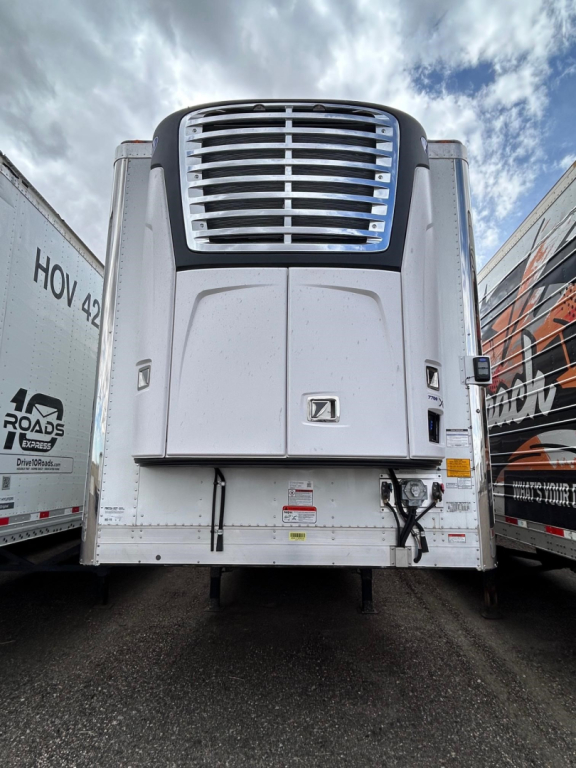
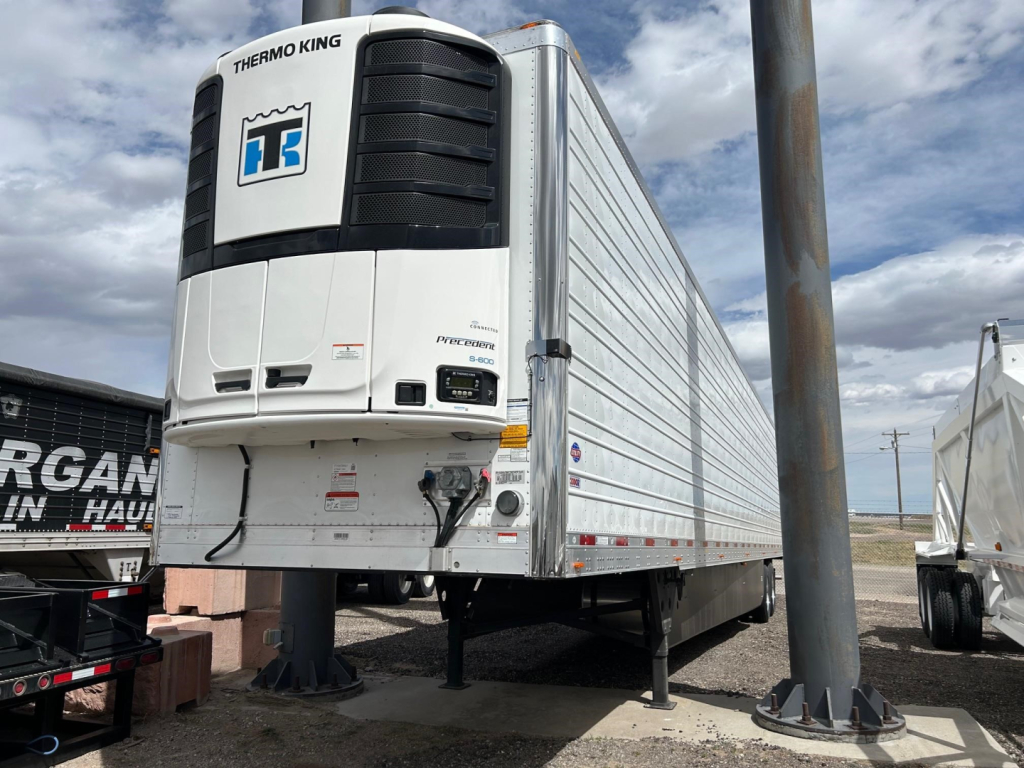
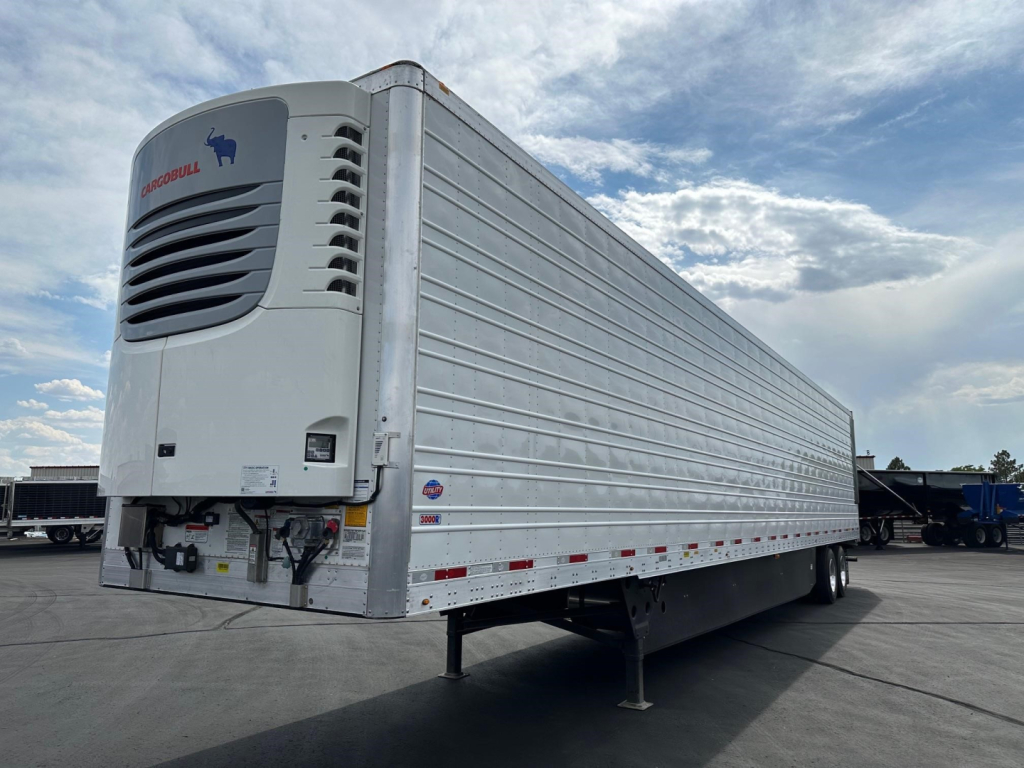
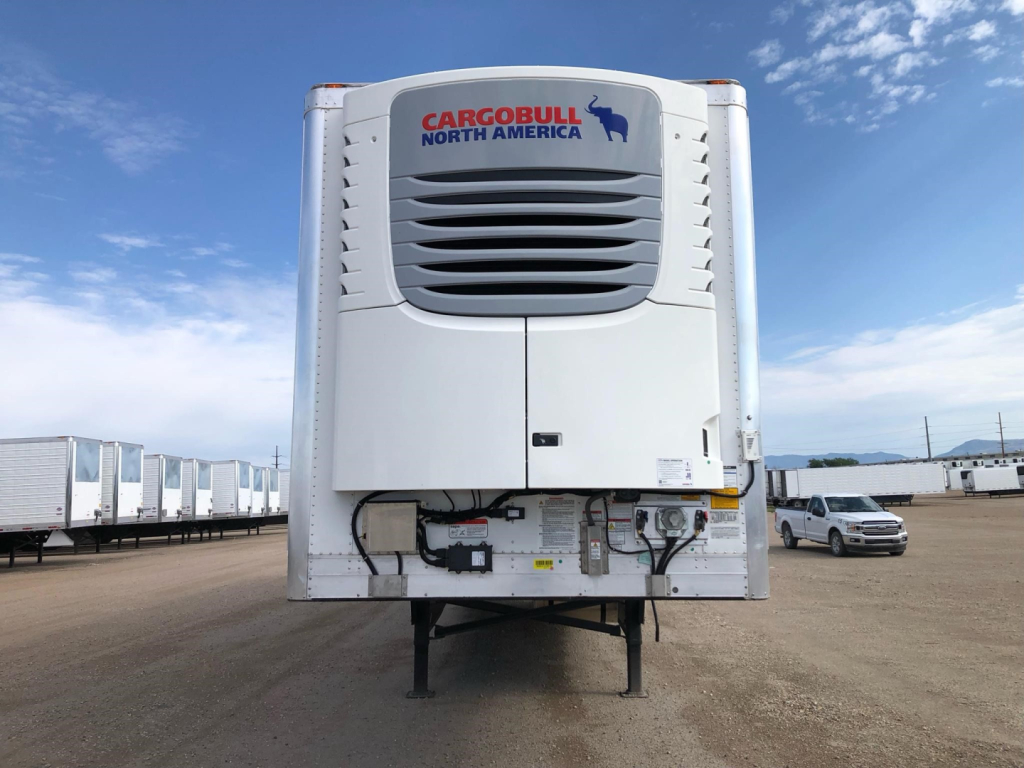
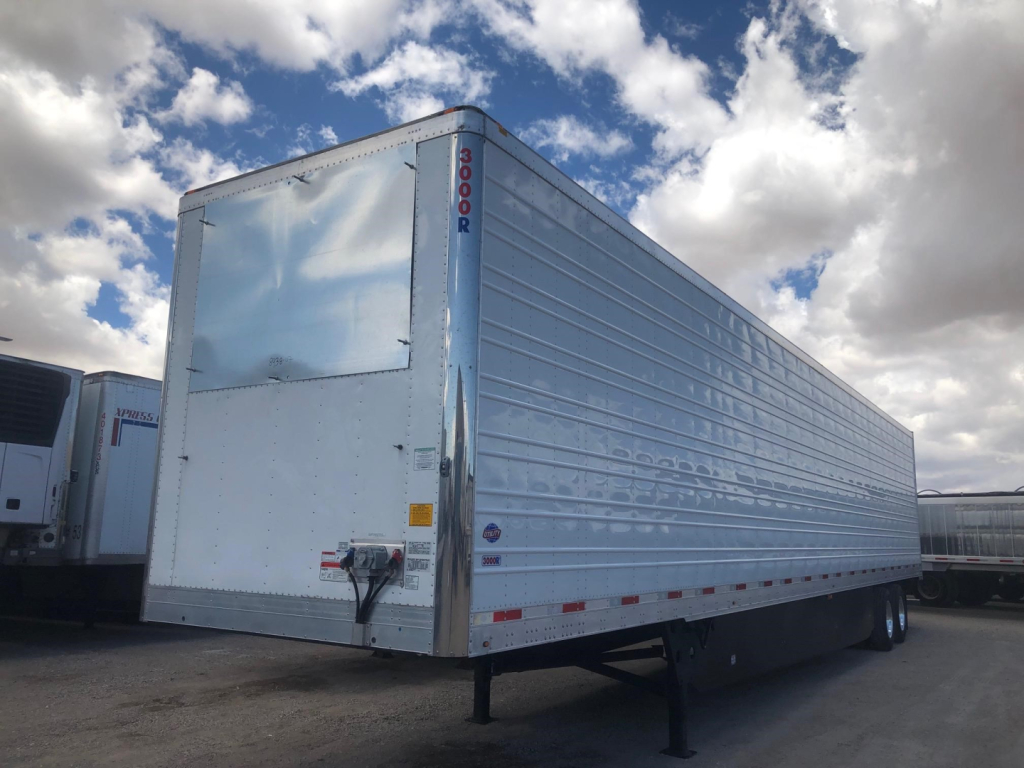
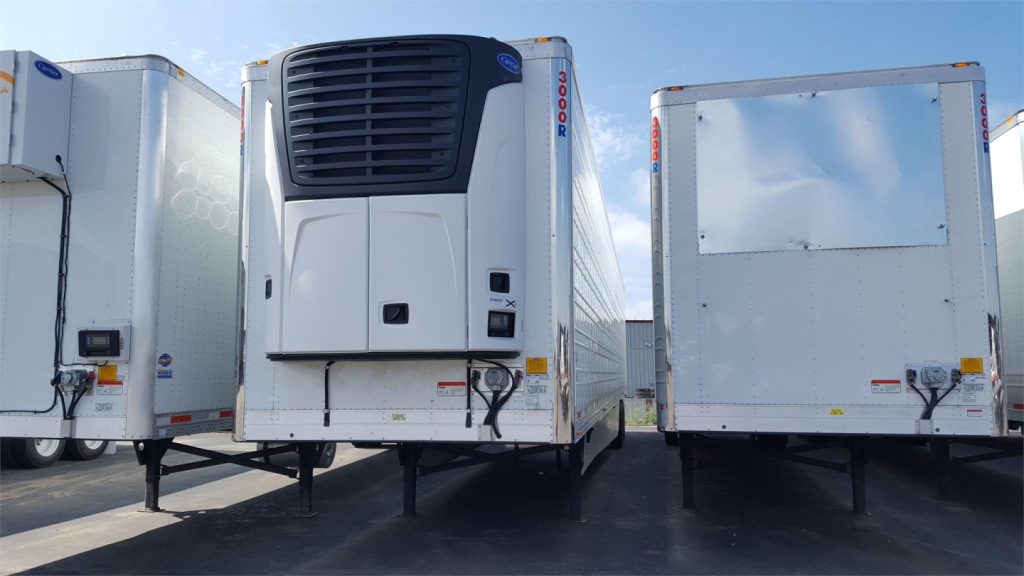
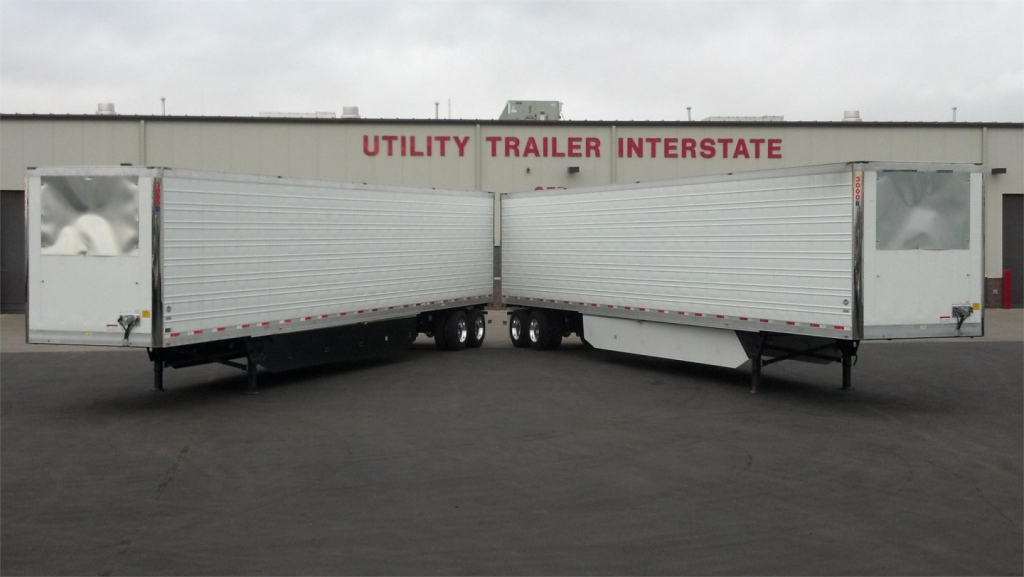
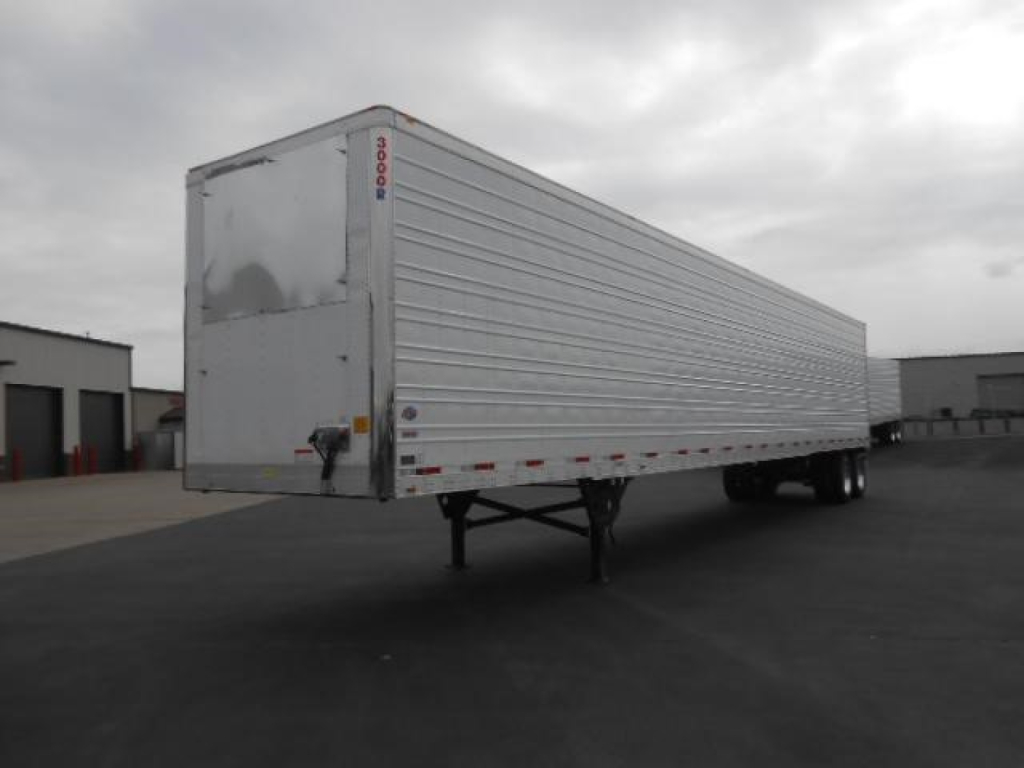
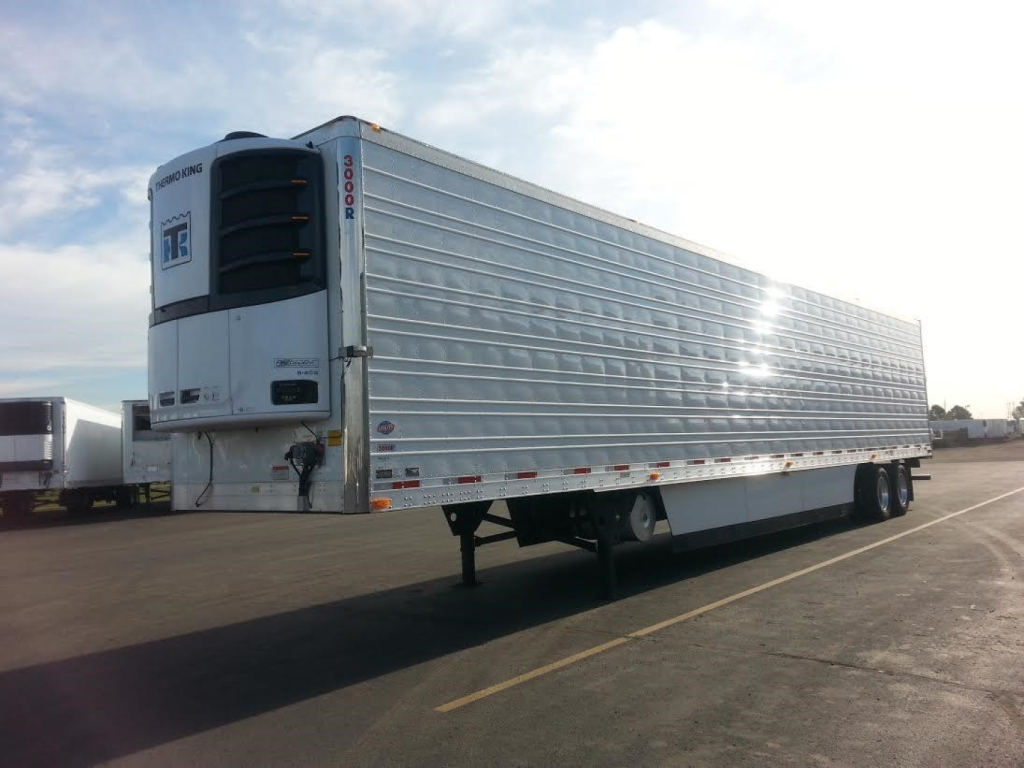
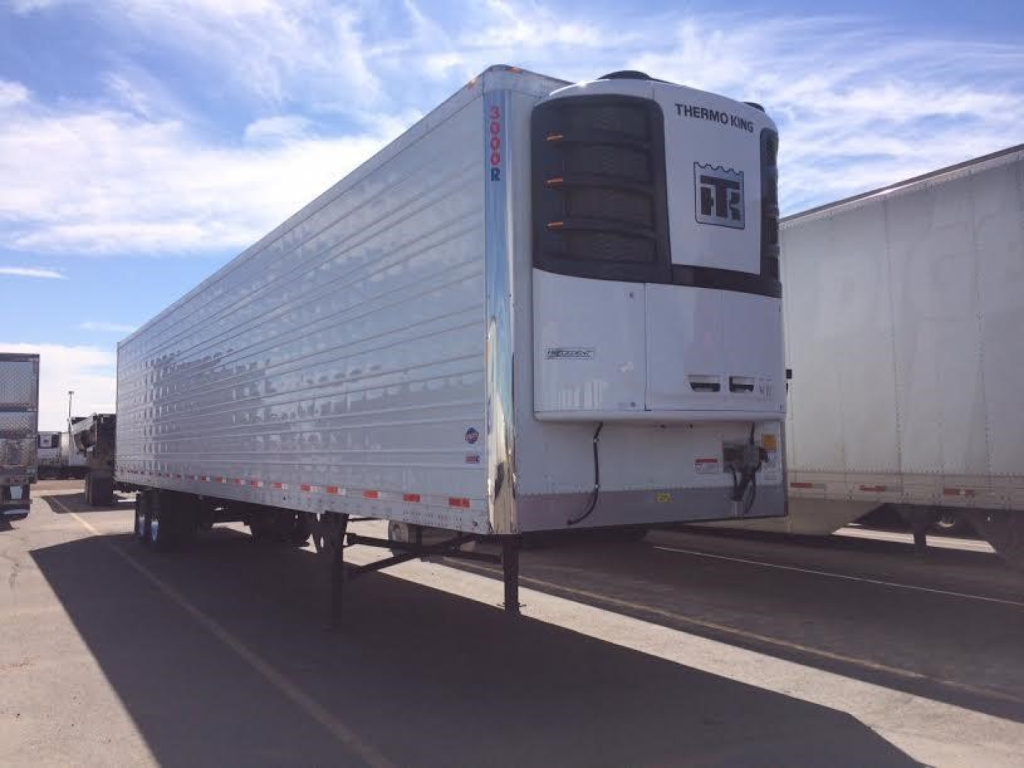
Selling a new 2027 reefer trailer? List your new 2027 reefer trailer for sale and reach thousands of commercial buyers.
New 2027 Reefer Trailers
A 53-foot, 102-inch-wide refrigerated van is a common highway configuration, but usable interior dimensions, tare weight, and floor ratings vary across manufacturers. Match the floor's forklift rating to loaded forklift axle loads, and choose scuff liners and door protection for the loading cycle. Single-temperature and multi-temperature layouts serve different freight contracts. Sliding tandems, axle ratings, and kingpin placement must suit state and provincial weight and dimensional rules. Canadian winter work also calls for corrosion protection and adequate heating capability for freeze-sensitive cargo.
Require documented refrigeration commissioning, an ABS check, and verification of door seals and sensor readings before acceptance. Compare trailer, refrigeration-unit, and component warranties separately, including coverage start dates and service access along US and Canadian routes. Budget for the 12% US federal excise tax on qualifying new heavy trailers where applicable.
Frequently Asked Questions about New 2027 Reefer Trailers
Is electric standby worth specifying on a new 2027 reefer trailer?
Electric standby is useful when a new 2027 reefer trailer spends long periods at docks or parked sites with compatible electrical service. Confirm the required voltage, phase, amperage, connector, and circuit protection before ordering; a standard building outlet is not sufficient for many systems. Compare standby cooling and heating capacity with engine-driven performance, and include power-cable management and operating procedures in the specification.
Can a reefer trailer cool warm produce after loading?
A reefer trailer is designed primarily to maintain cargo temperature, not replace proper product precooling. Warm produce can exceed available refrigeration capacity, especially with restricted airflow or frequent door openings. Specify product-loading temperature with the shipper, precool the empty trailer as required, and leave the manufacturer's recommended clearance around the load and return-air path. Use pulp-temperature checks for produce rather than relying only on the controller's air-temperature display.
Do I need a multi-temperature reefer for mixed frozen and chilled freight?
A multi-temperature reefer is the usual choice for carrying frozen and chilled freight requiring different setpoints. An insulated bulkhead alone does not give a single-temperature trailer independent zone control. Confirm each compartment's cooling and heating capability, evaporator location, drain arrangement, and minimum usable length. Additional evaporators and partitions reduce payload or usable space, so compare the layout against actual pallet counts and delivery sequence.
Does air ride stop a reefer trailer from moving away from a loading dock?
No, air suspension alone does not prevent a reefer trailer from creeping away from a dock during forklift loading. Suspension movement and brake geometry can create dock walk as trailer height changes. Specify an appropriate anti-dock-walk system where the loading operation warrants one, and confirm compatibility with suspension and brake components. Dock restraints, wheel chocks, landing-gear support, and the facility's loading procedures still require separate attention.