
2023 Great Dane Reefer Trailers For Sale
Shop 2023 Great Dane reefer trailers with specs buyers want, including 53-foot lengths, insulated bodies, air ride, and modern refrigeration options.
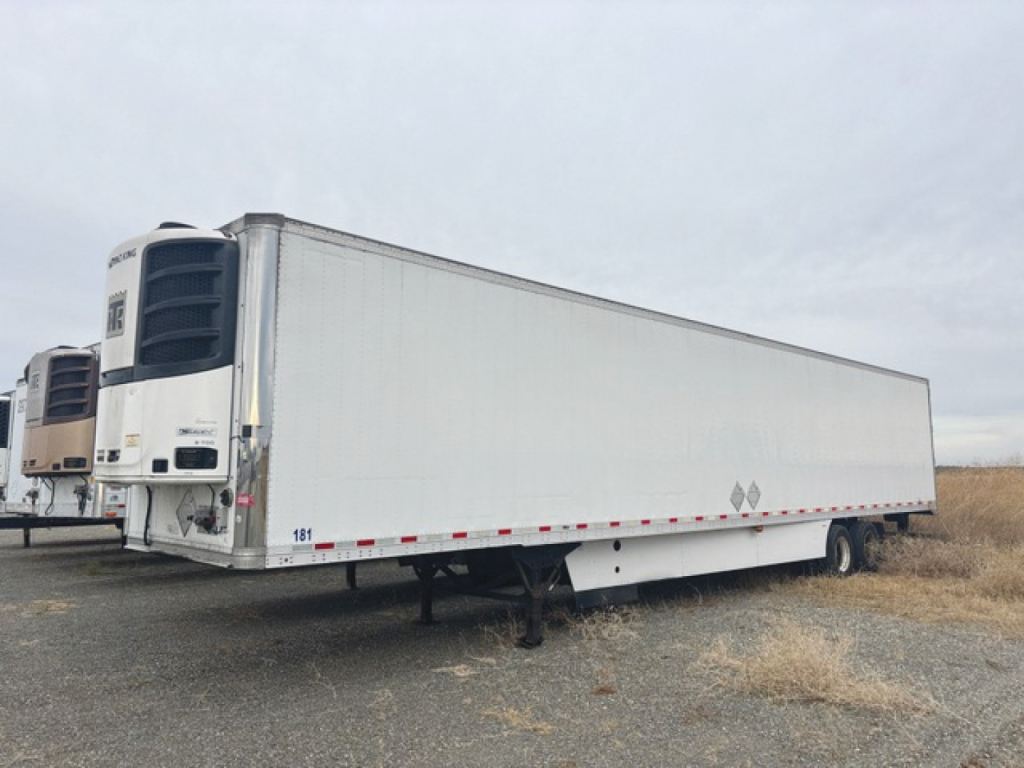
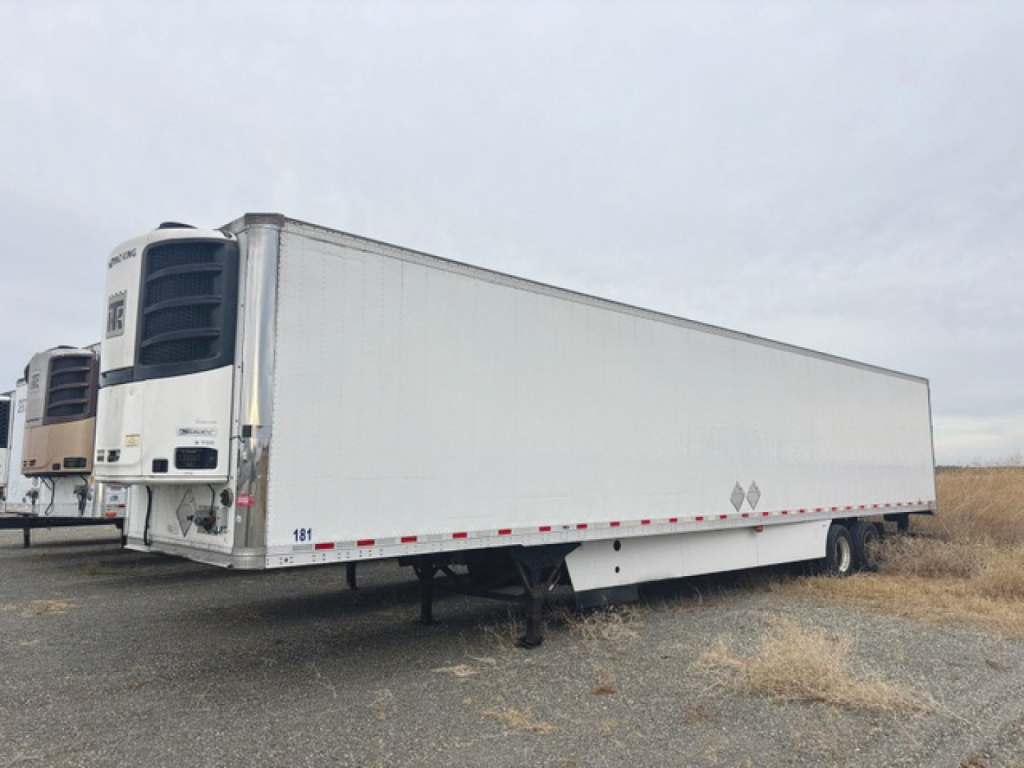
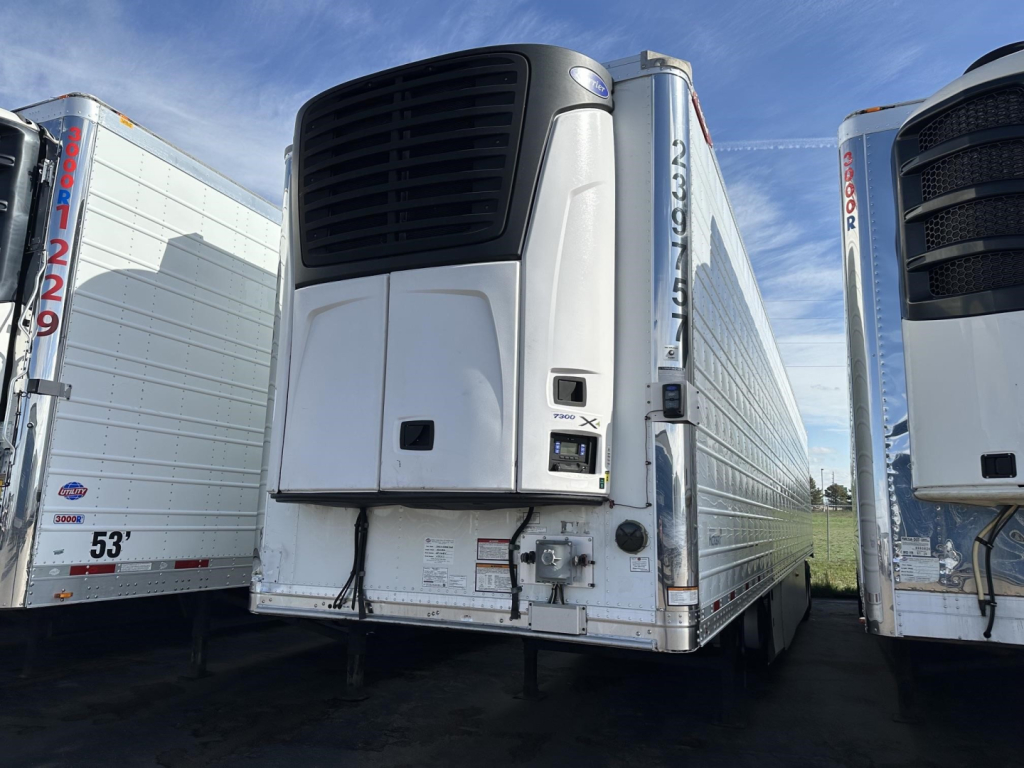
Selling a 2023 great dane reefer trailer? List your 2023 great dane reefer trailer for sale and reach thousands of commercial buyers.
2023 Great Dane Reefer Trailers
For many buyers, the real decision starts with how the trailer will be loaded and how tightly product temperatures must be maintained. A duct floor or heavy-duty aluminum floor helps move air under the load, while a cold chute and rear vent can improve front-to-rear temperature consistency. Scuff liners, scuff plates, stainless steel door frames, quilted rear doors, and wear bands are common features because reefer trailers take repeated pallet contact and dock impacts. If the application involves mixed freight or route delivery, details like E-track, roll doors, multi-temp capability, and additional evaporators can matter more than cosmetic condition. For long-haul food service or dedicated grocery lanes, swing doors, a clean insulated interior, and a strong reefer unit service history usually carry more value.
Running gear and compliance specs deserve close attention on a 2023 reefer. Air ride suspension is common because it protects freight and reduces trailer shock, while sliding tandems help with bridge law and axle spread requirements. Tire inflation systems, roll-stability packages, disc brakes, and aerodynamic add-ons such as roof fairing kits can lower operating cost and improve uptime. Great Dane reefer trailers from this model year may be paired with Thermo King or Carrier refrigeration units depending on original order spec, and buyers should verify engine hours, electric standby if equipped, fuel tank size, defrost performance, and controller type. Tire size, wheel material, brake specification, and kingpin setting also affect how well the trailer fits an existing fleet.
A newer reefer trailer should be evaluated as a temperature-control system, not just a dry van with a unit on the nose. Check insulation integrity, floor wear, door alignment, gasket condition, bulkhead setup if applicable, and signs of prior interior repairs. Service records for the reefer unit, PM intervals, and any claims around fuel efficiency or multi-temp performance are important because downtime on refrigerated freight gets expensive fast. Buyers comparing 2023 Great Dane reefer trailers should prioritize cargo profile, lane length, dock environment, and maintenance support first, then match those needs to body spec and refrigeration unit configuration.
Frequently Asked Questions about 2023 Great Dane Reefer Trailers
What are the most common specs on a 2023 Great Dane reefer trailer?
Most 2023 Great Dane reefer trailers are built in a 53-foot by 102-inch format with a 13-foot 6-inch overall height, air ride suspension, and a sliding tandem. Common buyer-focused specs include inside height, insulated wall and roof construction, aluminum duct or flat floor design, swing rear doors, scuff liners, and a refrigeration unit from Thermo King or Carrier. Brake type, tire size, wheel material, and options such as tire inflation systems or roll-stability also vary by original fleet order.
How do I choose between a duct floor and a flat floor in a reefer trailer?
A duct floor is usually preferred for continuous airflow under palletized freight and is common in food distribution where even temperature pull-down matters. A flat floor can work well in some specialized applications, especially where loading style or interior cleaning requirements differ, but it may not move air as effectively beneath the load. The right choice depends on freight type, pallet pattern, required temperature consistency, and how the trailer is loaded at each stop.
What should I inspect first on a used late-model Great Dane reefer?
Start with the refrigeration unit hours, maintenance records, fault codes, and overall cooling performance under load or during a pre-trip inspection. Then inspect the insulated body for wall damage, delamination, floor wear, door seal condition, front wall integrity, and any evidence of patch repairs that could affect temperature retention. Running gear, brakes, tires, suspension components, and the tandem slider should also be checked because reefer trailers often accumulate heavy stop-and-go mileage.
Are Great Dane reefer trailers suitable for multi-temp operations?
They can be, but the trailer must be specifically equipped for that job. Multi-temp service generally requires the right reefer unit configuration, bulkheads or partition systems, and in some cases multiple evaporators to maintain separate zones. Buyers handling frozen and chilled freight on the same route should confirm the exact temperature-management setup rather than assuming every reefer trailer can perform multi-temp work.
Why do stainless rear frames and scuff protection matter on a reefer trailer?
Reefer trailers spend a lot of time at docks, in washout facilities, and in wet or corrosive environments, so stainless components around the rear frame, door frame, and hardware help resist rust and reduce long-term structural deterioration. Scuff plates, scuff liners, and wear bands protect the interior from pallet and forklift damage, which helps preserve insulation performance and keeps the trailer in service longer. These details can have a real effect on resale value and maintenance cost.