
2022 Reefer Trailers For Sale in Illinois
Compare 2022 reefer trailers for sale in Illinois by cooling capacity, salt corrosion, floor condition, and refrigeration service history before buying.
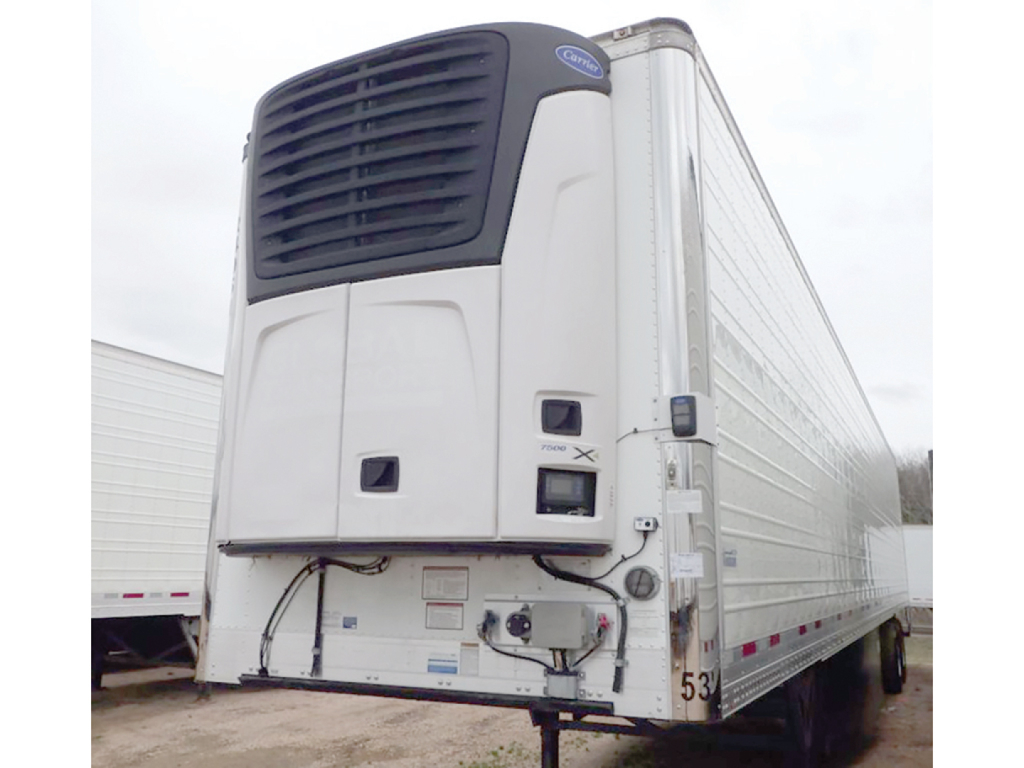
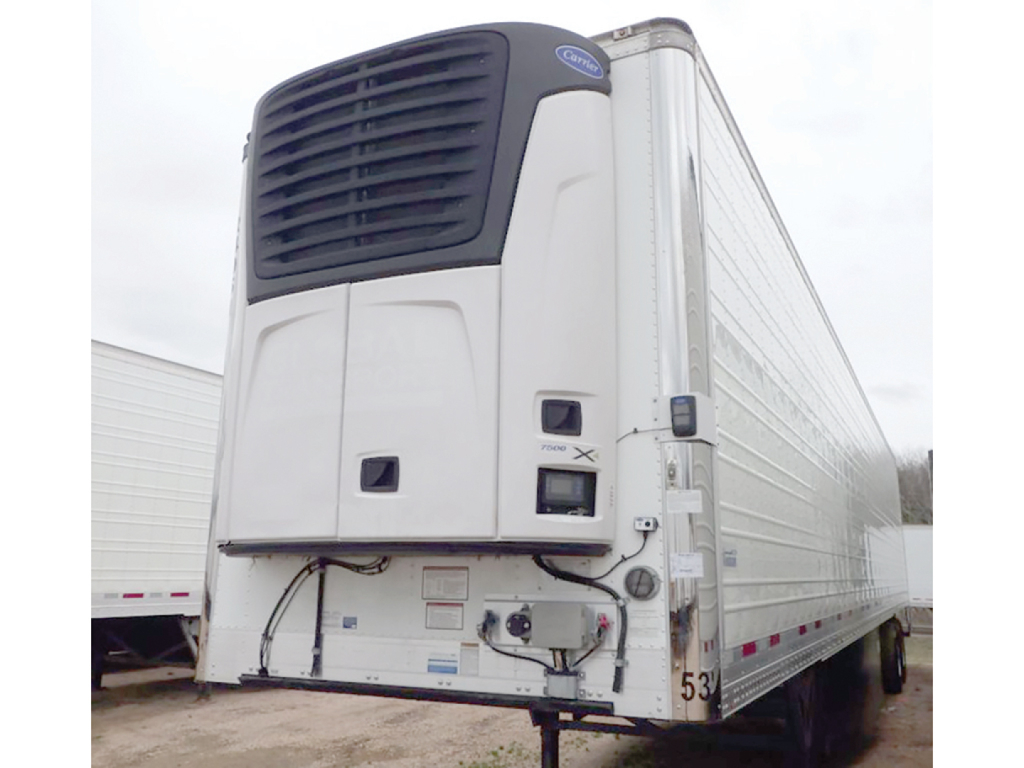

Selling a 2022 reefer trailer? List your 2022 reefer trailer for sale and reach thousands of commercial buyers.
2022 Reefer Trailers in Illinois
On used equipment, obtain controller downloads and maintenance records, then test pull-down and temperature recovery rather than judging by engine hours alone. Examine crossmembers, suspension hangers, brake hardware, and sliding-tandem rails for Illinois salt corrosion. For an unused 2022 trailer sold as new, confirm warranty start dates, storage-related tire and seal deterioration, and whether the 12% federal excise tax applies.
Frequently Asked Questions about 2022 Reefer Trailers in Illinois
Can a single-temperature 2022 reefer haul frozen and chilled freight together?
Separate frozen and chilled loads require a refrigeration system designed for independently controlled temperature zones, not just a movable bulkhead. On a 2022 refrigerated trailer, verify evaporator configuration, controls, insulated partitions, and airflow separation. Multi-temperature equipment also needs adequate capacity for each compartment and practical door access so unloading one zone does not compromise another.
What weight limits apply to a 53-foot reefer trailer in Illinois?
Standard Interstate limits in Illinois are 80,000 pounds gross combination weight, 20,000 pounds on a single axle, and 34,000 pounds on a tandem, subject to bridge-formula limits. A refrigerated trailer's insulation, cooling unit, and fuel reduce available cargo payload. Verify actual axle weights after loading, and check designated-route and local-road restrictions before leaving the Interstate network.
What food-safety records should I request for a used 2022 refrigerated trailer?
Cleaning records, prior-cargo history, and temperature records help establish whether a used 2022 refrigerated trailer suits the intended food load. Inspect drains, floor channels, liners, and door gaskets for residue, damage, and persistent odors. For covered U.S. operations, the FDA sanitary transportation rule assigns responsibilities to shippers, loaders, carriers, and receivers; trailer age alone does not establish compliance.
Is electric standby worth having on a reefer used around Illinois distribution centers?
Electric standby is useful when a refrigerated trailer spends extended periods at docks or yards with compatible electrical service. Confirm the refrigeration unit actually has standby capability, then match the required voltage, phase, and amperage to the facility supply. Verify cooling operation on electric power during inspection; a powered controller alone does not prove the refrigeration system runs on standby.
Does a 2022 reefer trailer still need an annual DOT inspection?
Yes. A refrigerated trailer used in interstate commercial service generally must pass a periodic inspection at least once every 12 months under 49 CFR 396.17, or an accepted equivalent inspection. Review the inspection report rather than relying only on a decal. The required safety inspection does not establish refrigeration performance, insulation integrity, or suitability for a particular temperature-sensitive load.