
Pneumatic - Dry Bulk Trailers For Sale in Kentucky
Shop pneumatic dry bulk trailers for hauling cement, lime, fly ash, sand, resin, and other dry products with reliable pressure unloading.
Learn moreBrowse Pneumatic - Dry Bulk Trailers by Make
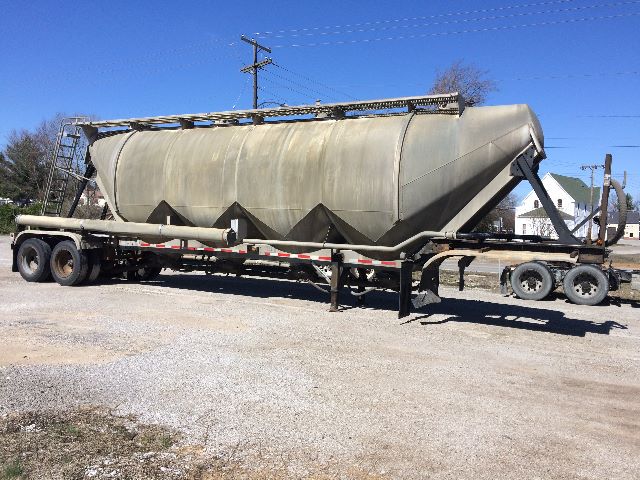
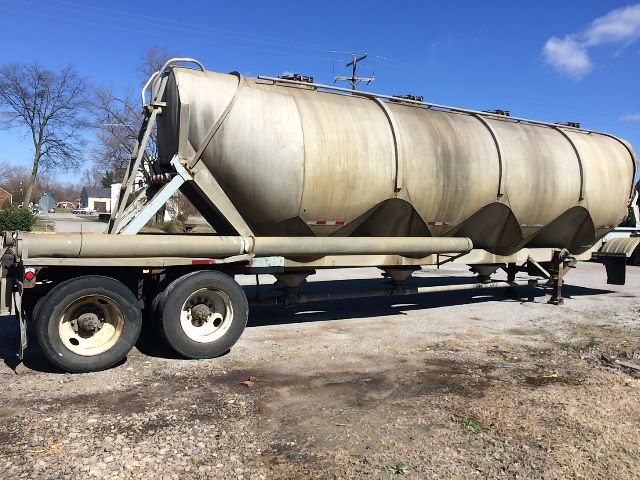
Have pneumatic - dry bulk trailer to sell? List it here to reach thousands of buyers.
About Pneumatic - Dry Bulk Trailers in Kentucky
Capacity is usually measured in cubic feet rather than gallons, with many units falling in the 1,000 to 1,600 cubic foot range. Lower-density products often need larger cube trailers, while heavier commodities may require less volume to stay legal on gross weight. Aluminum construction is common because it helps maximize payload, while some trailers use stainless components in high-wear or corrosion-prone areas. Buyers should pay close attention to the number of hoppers, cone design, pipe routing, valve size, blower compatibility, and discharge configuration. Butterfly valves, aeration systems, pressure gauges, relief valves, and well-maintained lines all matter because unloading performance is where a pneumatic trailer earns its keep.
Suspension, axle spread, and tire setup also affect day-to-day cost and legal usability. Tandem axle configurations are common, often with air ride suspension for product stability and reduced vibration. Brake condition, drum wear, slack adjusters, air system integrity, and overall frame condition deserve a close inspection, especially on older trailers that may have had rear frame or suspension work completed. In Kentucky and surrounding markets, buyers often look for trailers that can handle short-haul aggregate and industrial runs as well as regional bulk routes tied to construction, manufacturing, agriculture, and chemical processing. A complete maintenance history is a major advantage on this trailer class because pressure systems, valves, and structural repairs need to be verified, not guessed.
A good pneumatic dry bulk trailer is defined less by age than by how well the tank, running gear, and unloading system have been maintained. Check for clean internal condition, working tank and line pressure gauges, sound welds, airtight plumbing, and evidence of proper care around the hopper outlets and discharge piping. If the trailer previously hauled food-grade or chemical-sensitive material, confirm compatibility and cleaning requirements before changing products. Buyers comparing listings should focus on cube capacity, material spec, suspension type, axle setup, and discharge hardware first, then evaluate service records and overall condition to judge true value.
Frequently Asked Questions
What is a pneumatic dry bulk trailer used for?
A pneumatic dry bulk trailer is used to haul dry, flowable commodities that unload with compressed air rather than a dump mechanism. Typical products include cement, lime, fly ash, sand, plastic pellets, flour, and soda ash. The tank stays sealed during transport, which helps protect the cargo from moisture and contamination while allowing controlled pressure unloading at the delivery point.
How do I choose the right cubic foot capacity for a dry bulk trailer?
The right capacity depends on the density of the product you haul and the weight laws on your routes. Light materials such as flour or plastic resin often require a larger cube trailer to maximize payload, while heavy products such as cement or sand can gross out before the trailer is full. Buyers should match cubic foot capacity to product density so the trailer delivers strong payload without creating chronic overweight issues.
What should I inspect on a used pneumatic dry bulk trailer?
Focus on the tank, frame, suspension, and unloading system. Inspect the hopper areas, discharge piping, valves, pressure gauges, relief system, welds, airlines, brakes, drums, tires, and axle components. Ask about prior structural repairs, tank work, and maintenance records. A trailer with solid plumbing and a documented service history is usually a better buy than one with cosmetic appeal but unknown pressure system condition.
Are aluminum pneumatic trailers better than steel?
Aluminum pneumatic dry bulk trailers are common because they reduce empty weight and help increase legal payload. Steel or stainless components may still be used in specific wear areas or repairs where added durability is needed. The best choice depends on the commodity, corrosion exposure, and how the trailer has been maintained over time. Material type matters, but condition and proper repair quality matter just as much.
Do pneumatic dry bulk trailers come with their own blower?
Some pneumatic dry bulk trailers operate with a tractor-mounted blower, while others may be paired with a separate blower setup depending on the fleet and application. Buyers need to confirm blower requirements, hose size, pressure range, and discharge plumbing before putting a trailer to work. The trailer and blower system have to be compatible or unloading speed and reliability will suffer.