
Other Trailers For Sale in Wisconsin
Browse other trailers for sale, including specialty and hard-to-classify trailer types for heavy haul, custom transport, and niche applications.
No exact matches found for your search
Showing Other Trailers instead.
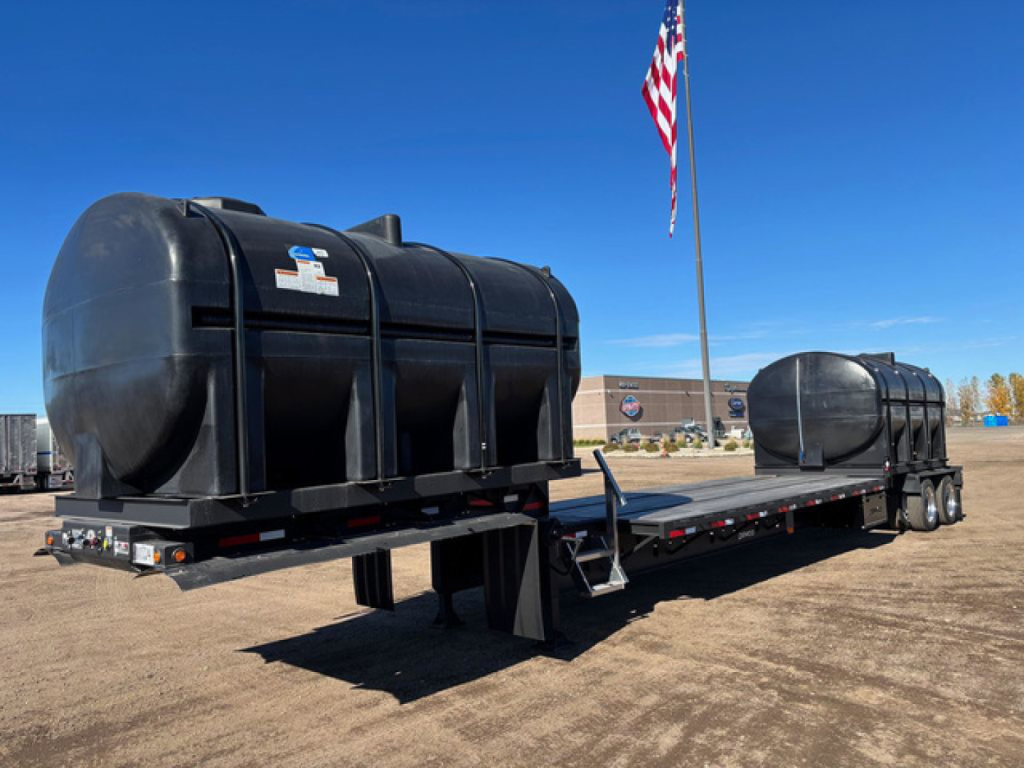
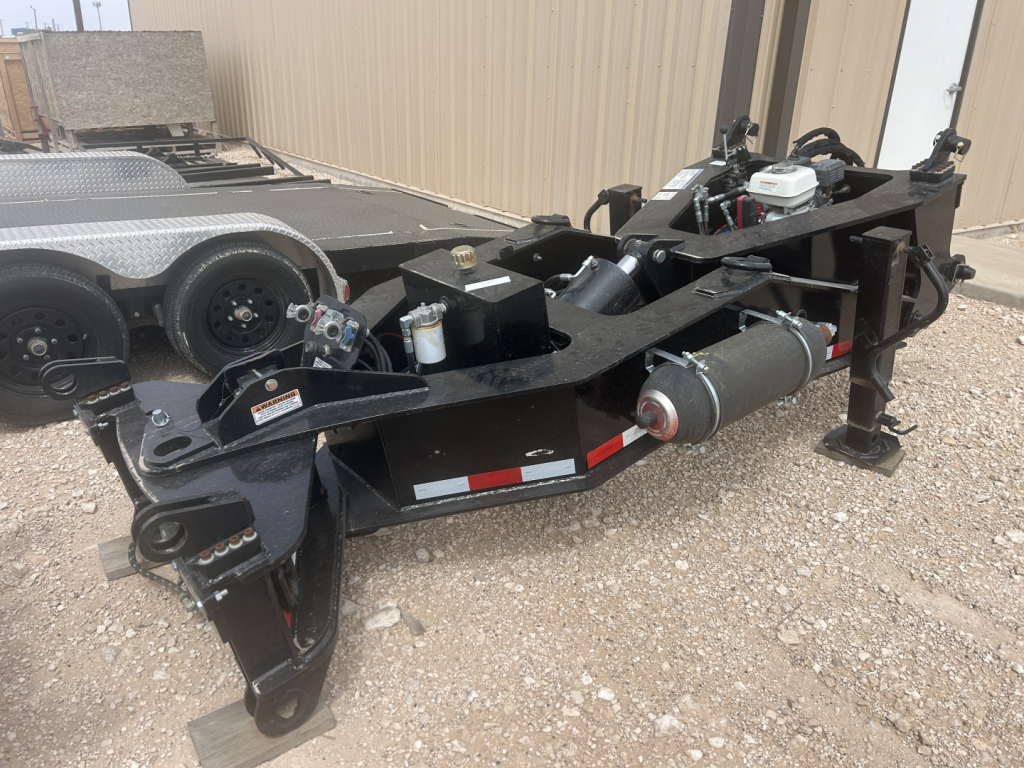
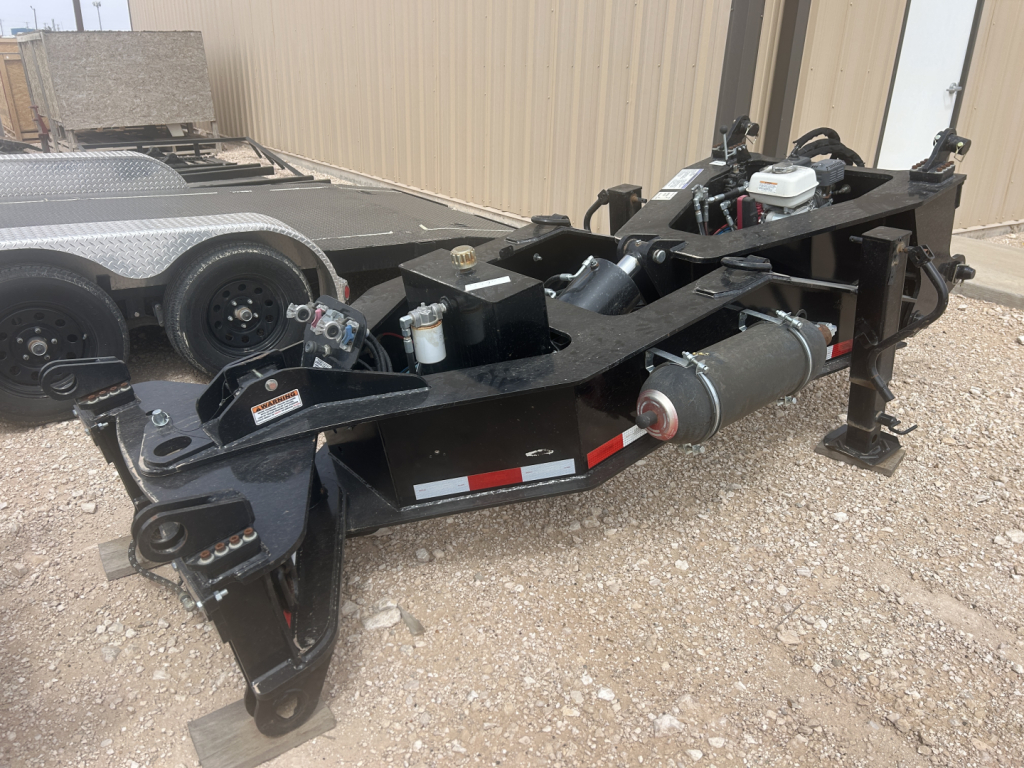
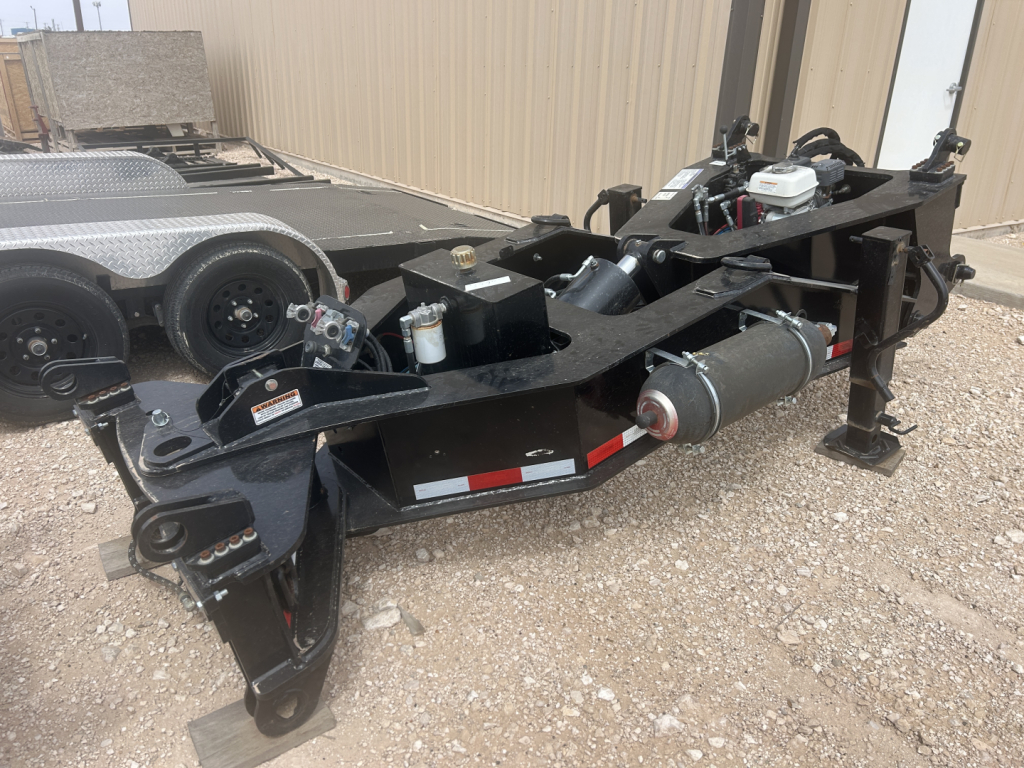
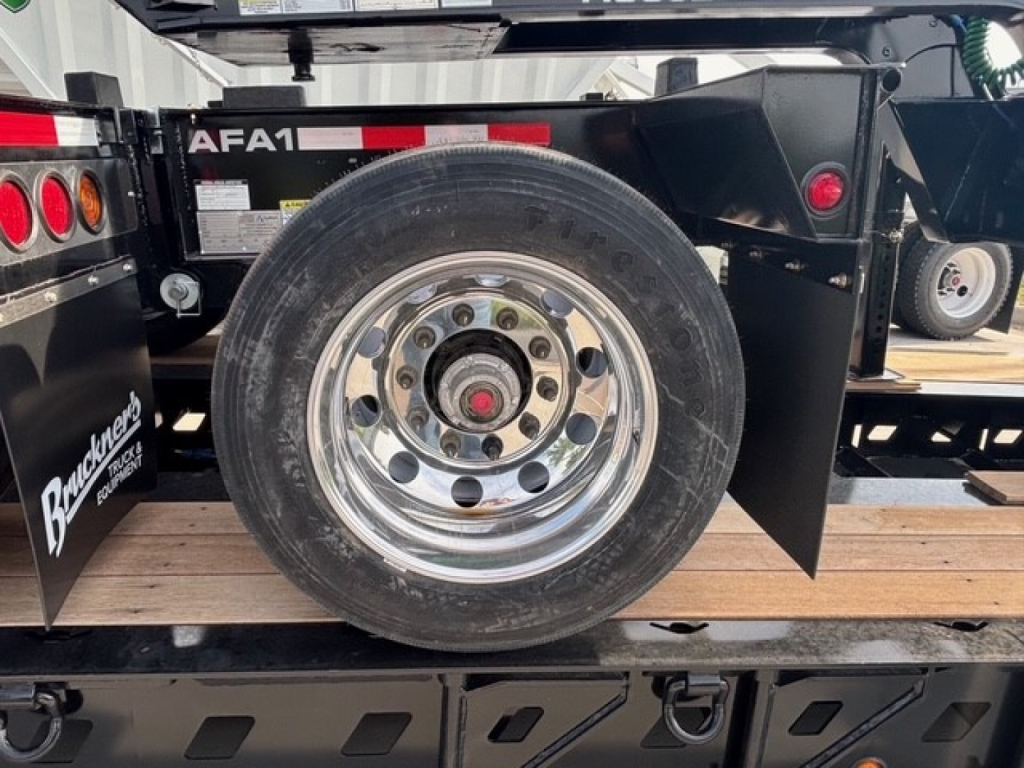
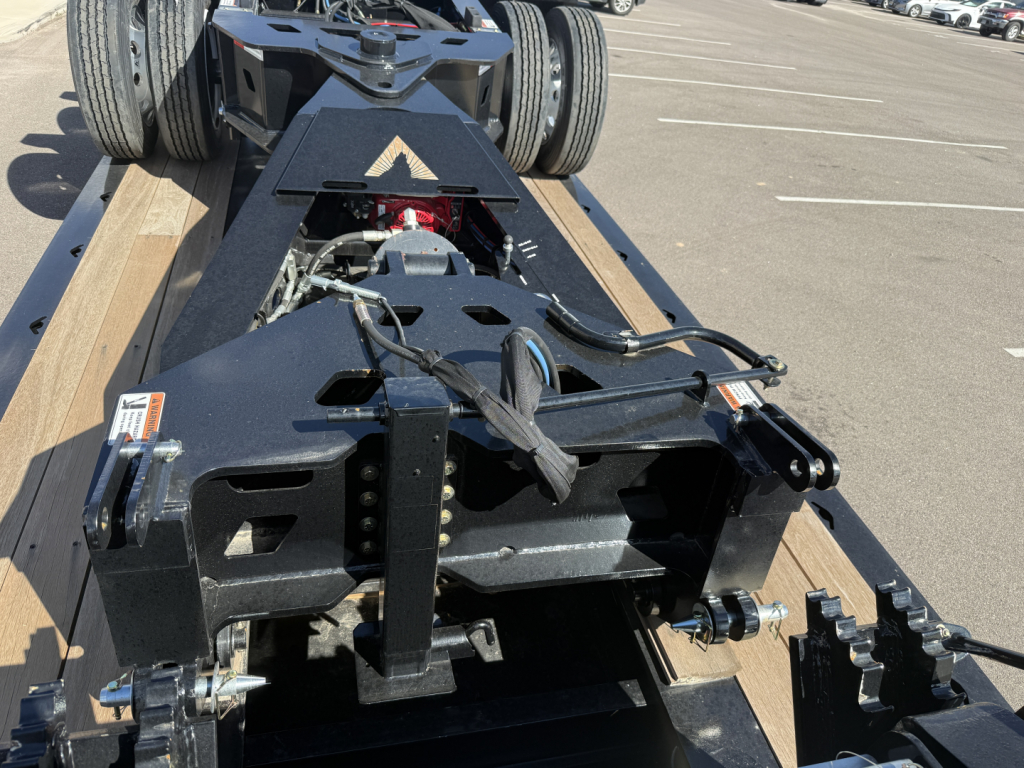
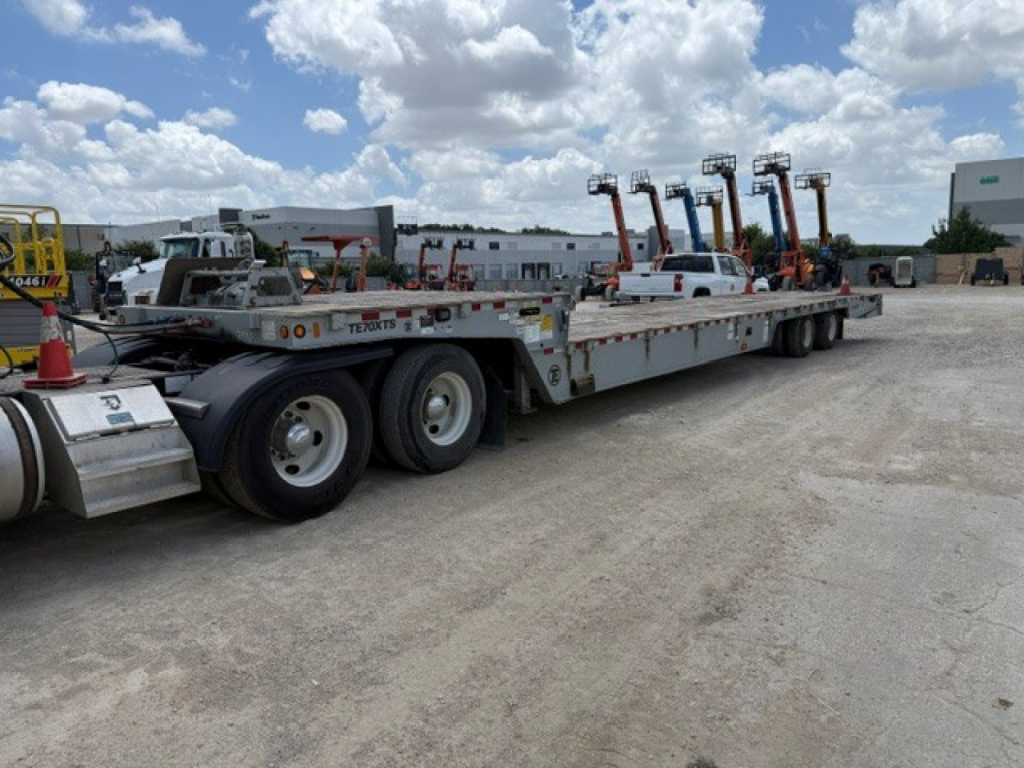
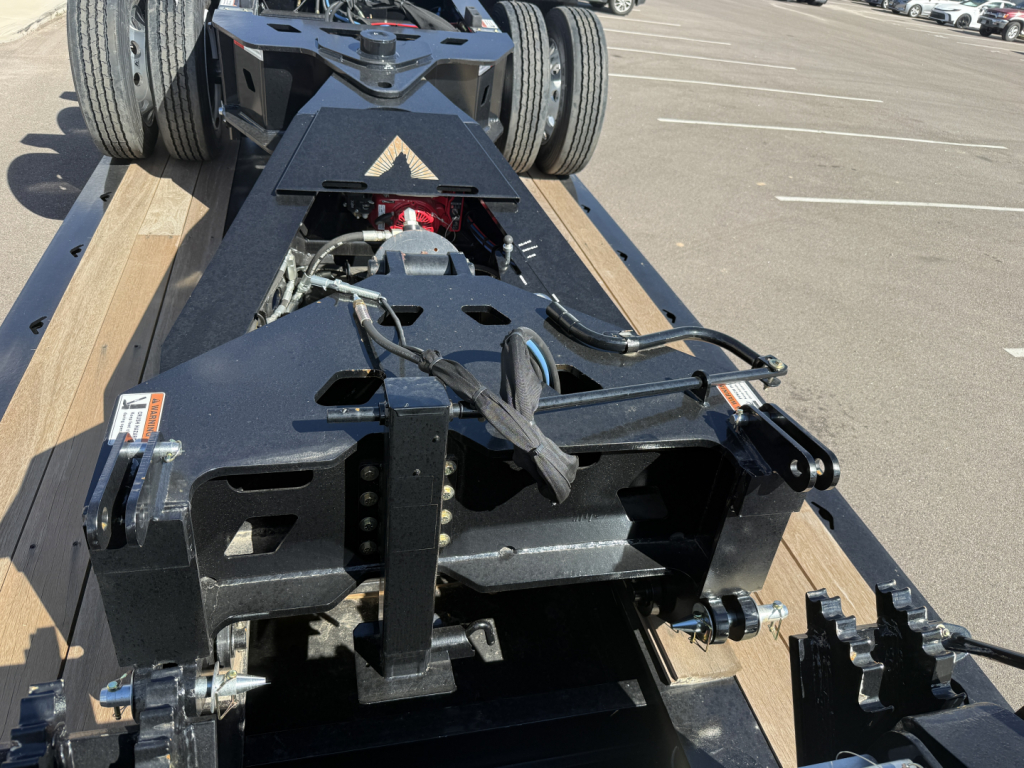
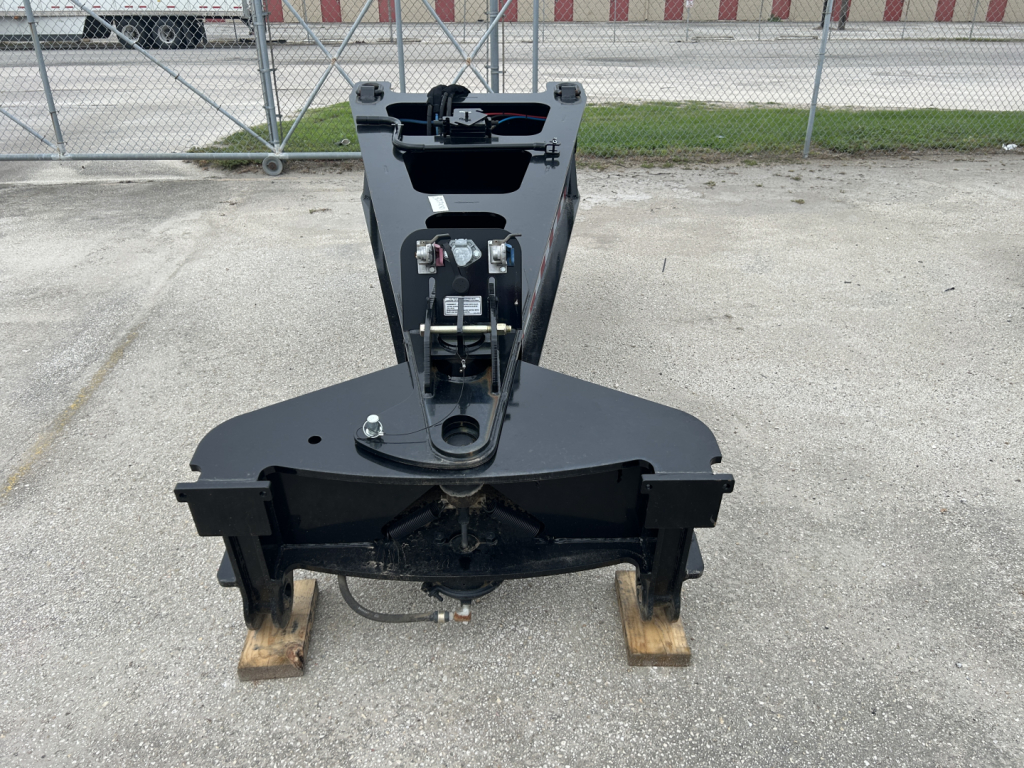
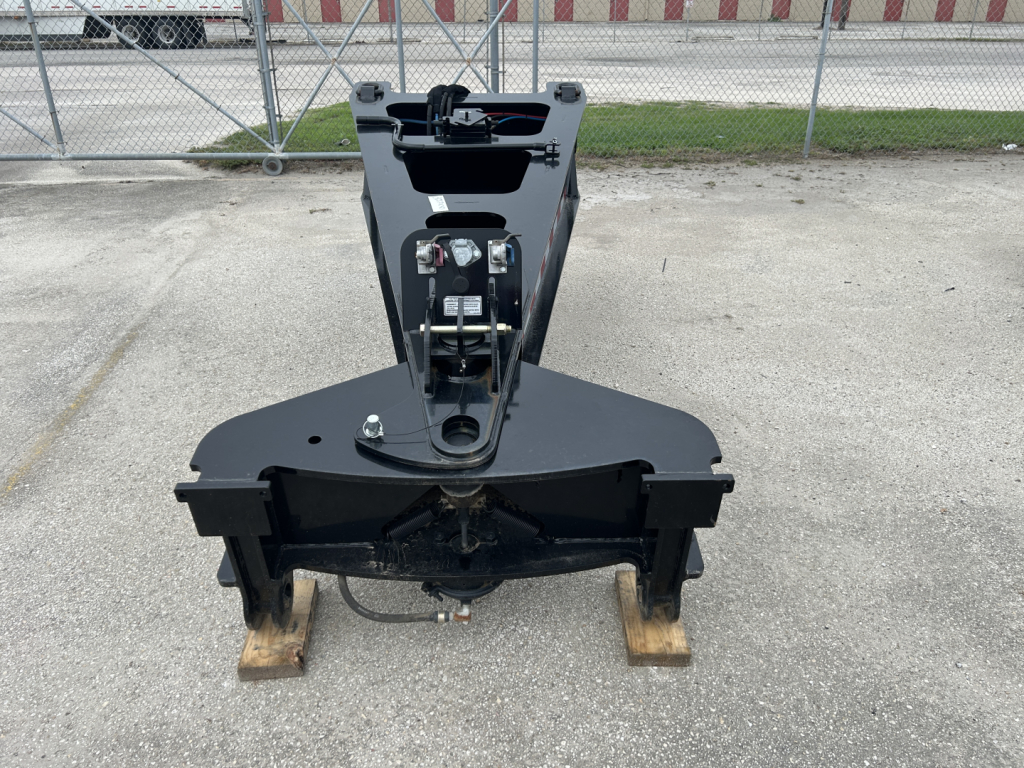
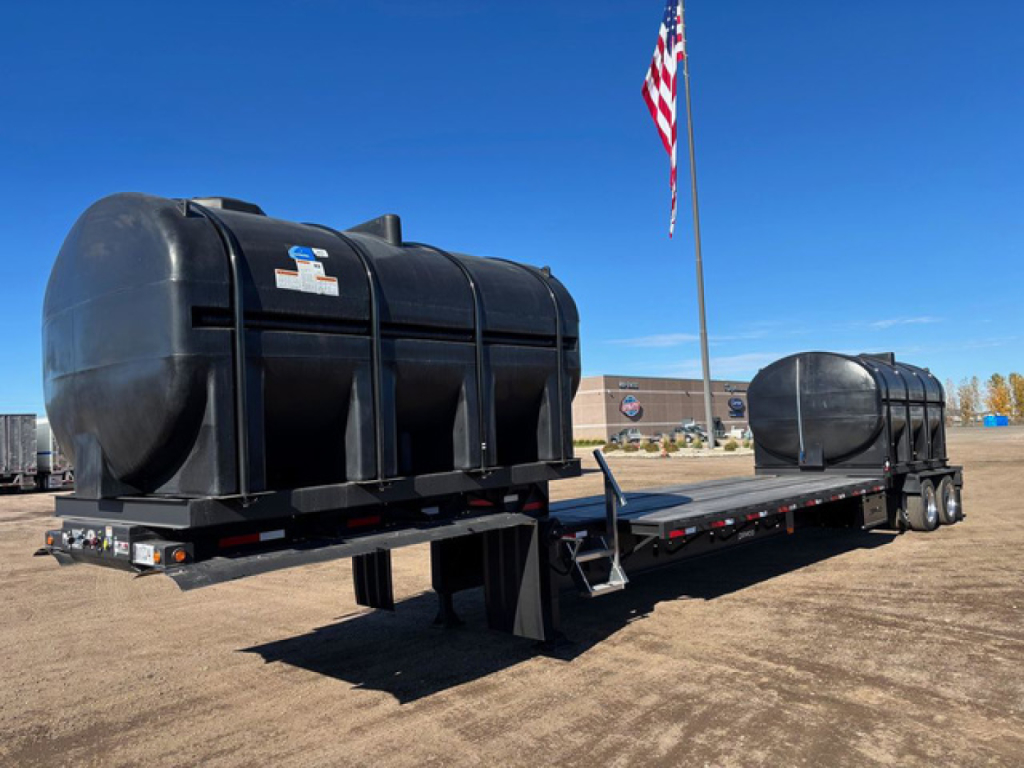
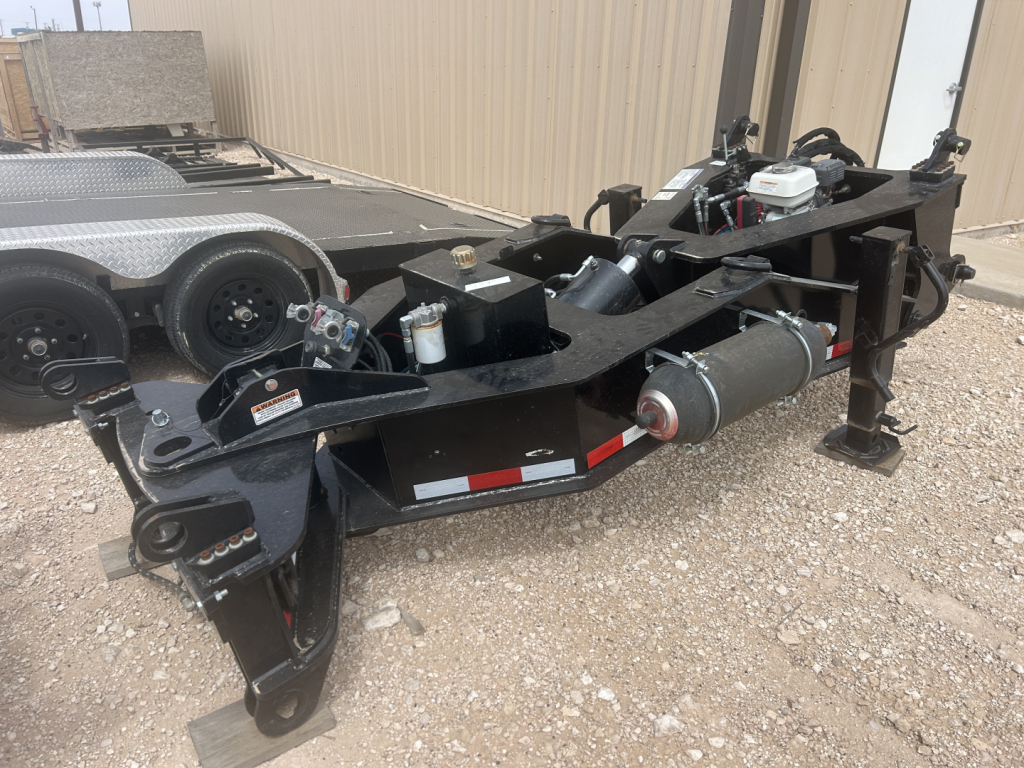
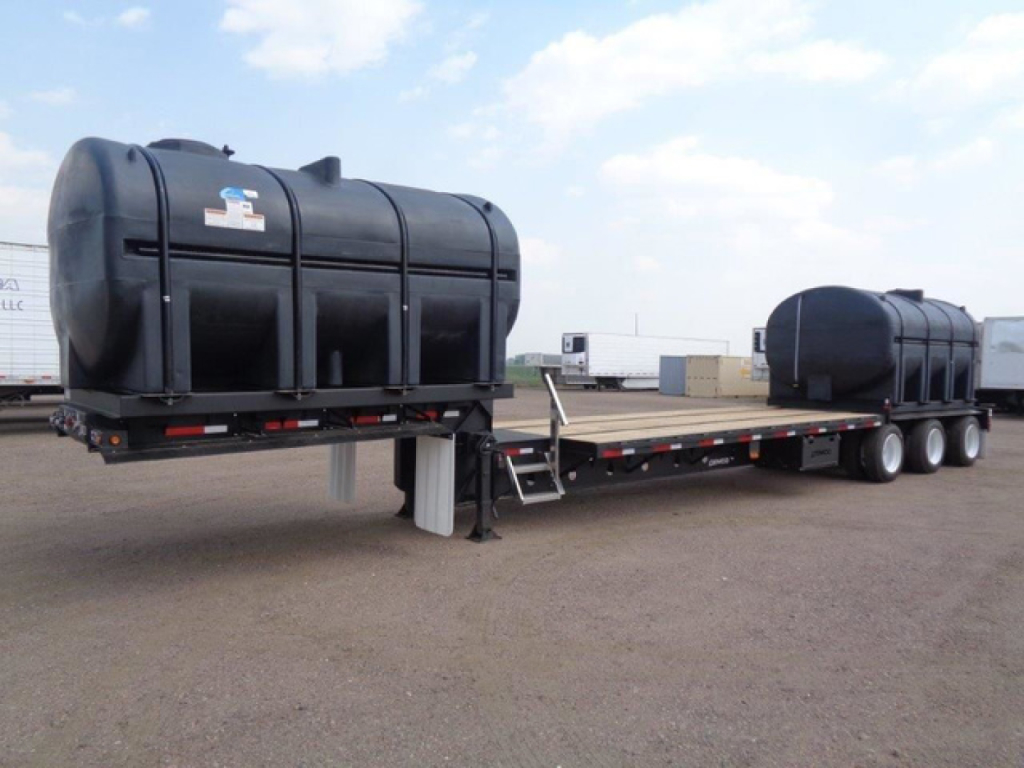
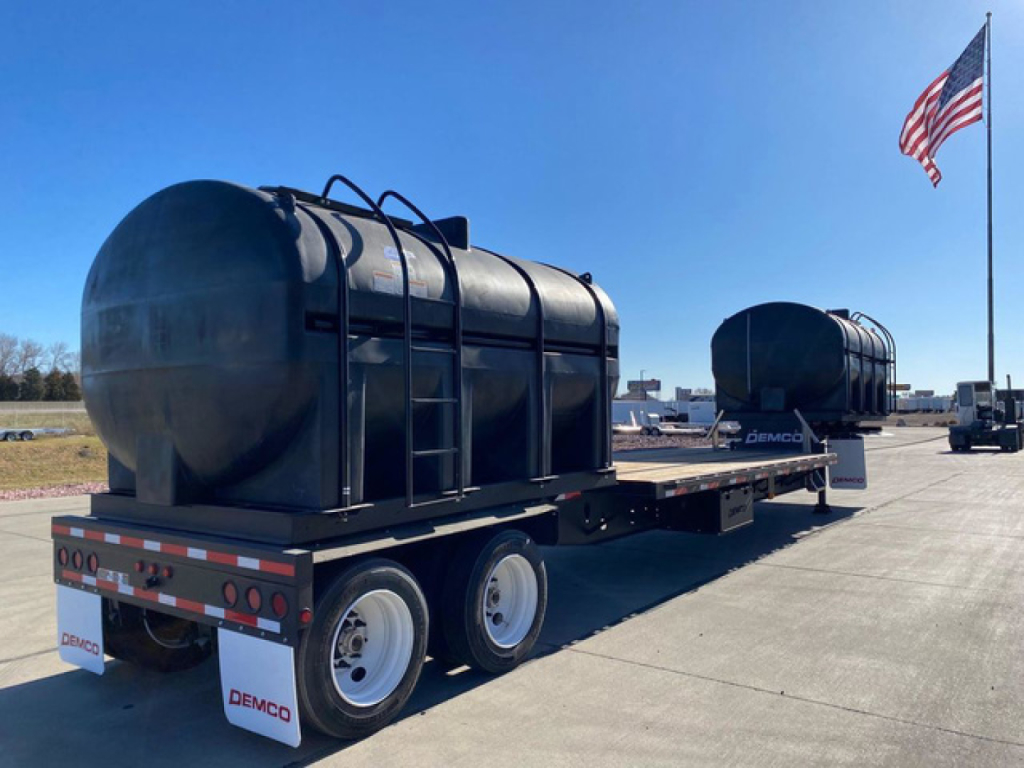
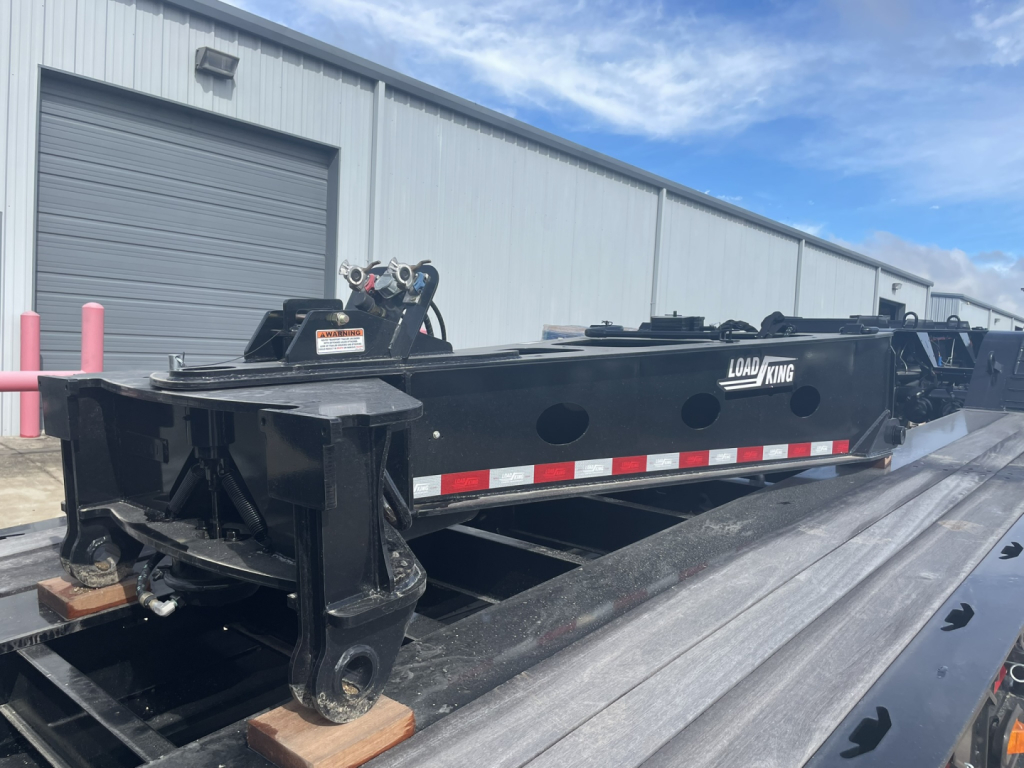
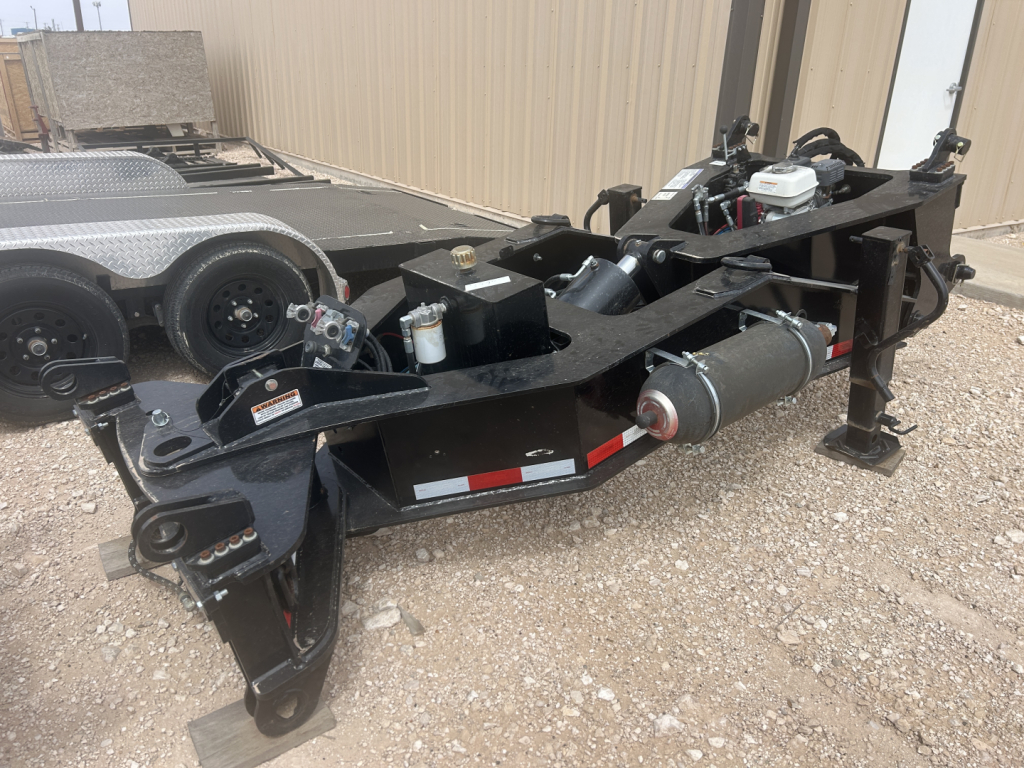
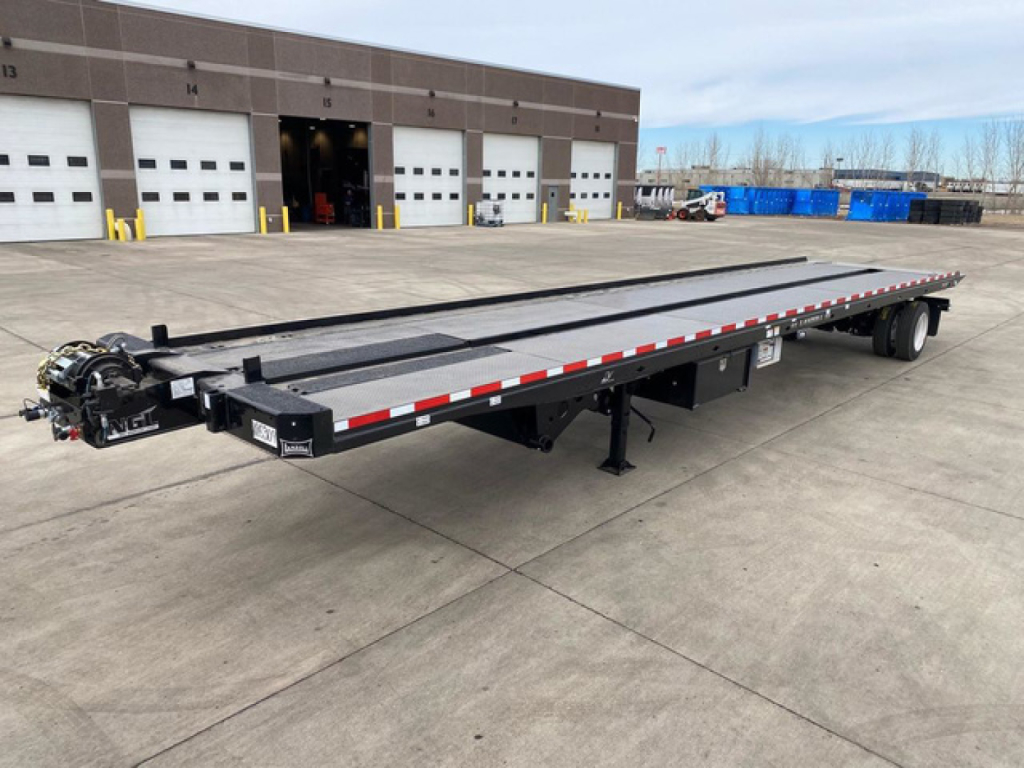
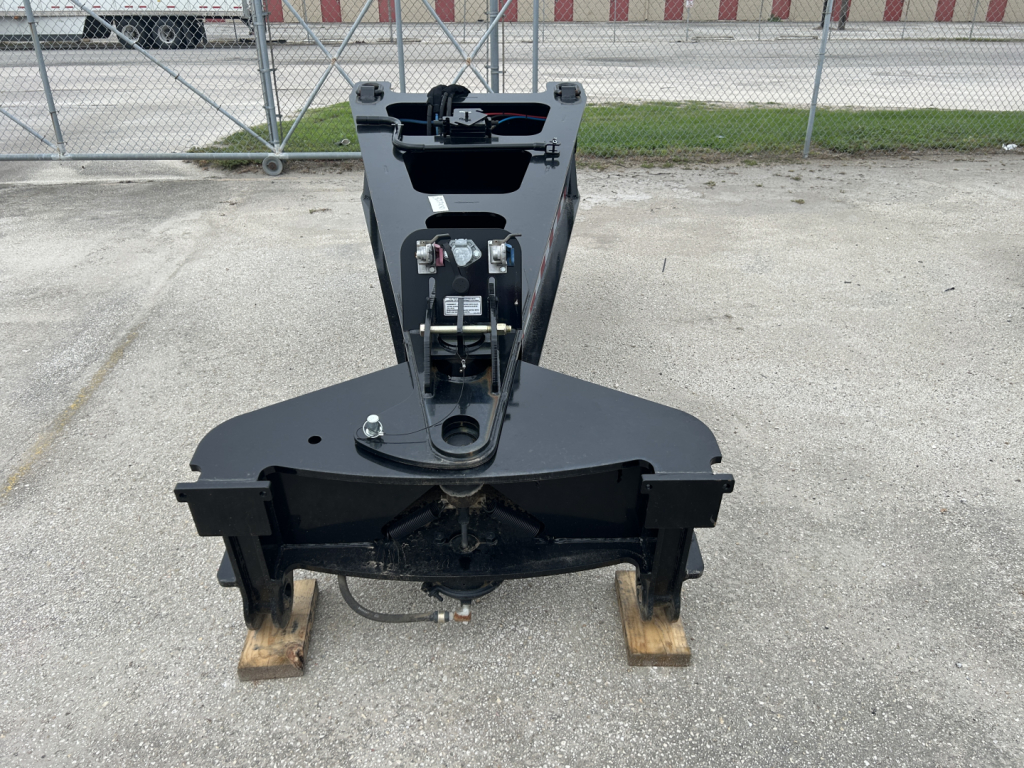
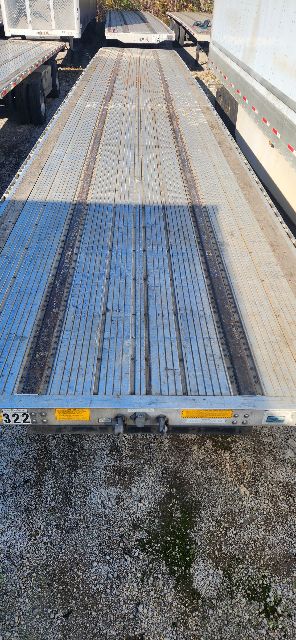

Selling a other trailer? List your other trailer for sale and reach thousands of commercial buyers.
Other Trailers in Wisconsin
In Wisconsin, buyers often need equipment that can handle mixed duty cycles, seasonal road conditions, and permit-driven heavy-haul work. Steel construction is common on specialty trailer components because it holds up well in severe service and is easier to repair in the field or at a fabrication shop. For heavy-haul related units, pay close attention to axle capacity, whether the axle is fixed, steerable, or flip-style, suspension design, brake configuration, and wheel-end specs. If the trailer or component is meant to pair with a double drop, lowboy, or multi-axle setup, confirm kingpin settings, ride height, deck transition points, and how the added equipment affects bridge law compliance and load distribution.
Many trailers in this category are bought to solve a specific operational problem. A flip axle, for example, is used to add capacity and help distribute weight on a heavy-haul trailer combination, but it only has value if it matches the parent trailer correctly and can be deployed efficiently by the crew. Specialty trailers also demand closer inspection of connection points, hydraulic or air hookups, lighting, ABS provisions, tire size commonality, and parts support. A buyer should also factor in permit strategy, route restrictions, loaded deck height, and the time required to configure the trailer for each move.
Because this category is broad, the best buying decision comes from matching the equipment to the exact freight and operating region. Some units are simple mechanical additions, while others are highly specialized transport tools with limited use outside a narrow application. Review fabrication quality, crossmember design, frame reinforcement, tire and brake condition, and any signs of stress around hinges, necks, or axle mounts. On specialty trailers, small spec mismatches create big operating problems, so fit, compatibility, and legal load compliance matter more than general appearance.
Frequently Asked Questions about Other Trailers in Wisconsin
What types of equipment are usually listed under other trailers?
Other trailers usually include specialty or uncommon trailer types that do not fit standard marketplace categories. Examples can include flip axles, jeep dollies, converter dollies, custom heavy-haul attachments, specialized transport platforms, and niche application trailers. These units are often purchased as part of a larger hauling system, so buyers should evaluate how the equipment integrates with existing tractors, trailers, and permit requirements.
What should I check before buying a specialty trailer or heavy-haul trailer component?
Start with compatibility. Confirm axle ratings, suspension type, brake setup, hub and wheel specifications, overall dimensions, and connection points. If the unit is designed to work with a lowboy, double drop, or multi-axle trailer, verify that the geometry, ride height, and attachment method match the primary trailer. It is also important to inspect frame integrity, hinge areas, wiring, ABS components, and any hydraulic or air connections, because repairs on specialty equipment can be expensive and downtime can be significant.
Are flip axles and similar trailer components considered trailers?
In many listings, yes. Equipment such as flip axles and related heavy-haul attachments is often grouped with trailers because it functions as part of a trailer combination and directly affects legal payload, axle spacing, and roadability. Even though these components are not used like a standard stand-alone trailer, they are critical pieces of specialized hauling equipment and should be evaluated with the same attention to structural condition, brake system condition, and specification matching.
Why do specs matter more in the other trailer category than in standard trailer categories?
Specs matter more because many specialty trailers are built for one narrow job. A standard van or flatbed can often be adapted across multiple freight types, but a specialty trailer or attachment may only work properly within a specific axle spread, deck height, or load profile. If the dimensions or ratings are wrong, the equipment may create permit issues, poor load balance, tire scrub, or connection problems with the rest of the combination.
What is the biggest mistake buyers make with specialty trailers?
The biggest mistake is buying by price or appearance instead of application fit. Specialty trailers can look serviceable but still be the wrong choice if they do not match the intended tractor, lead trailer, freight dimensions, or state permit rules. The correct approach is to define the load, route, required axle configuration, and trailer compatibility first, then evaluate the unit’s condition and remaining service life.