
Other Trailers For Sale in South Dakota
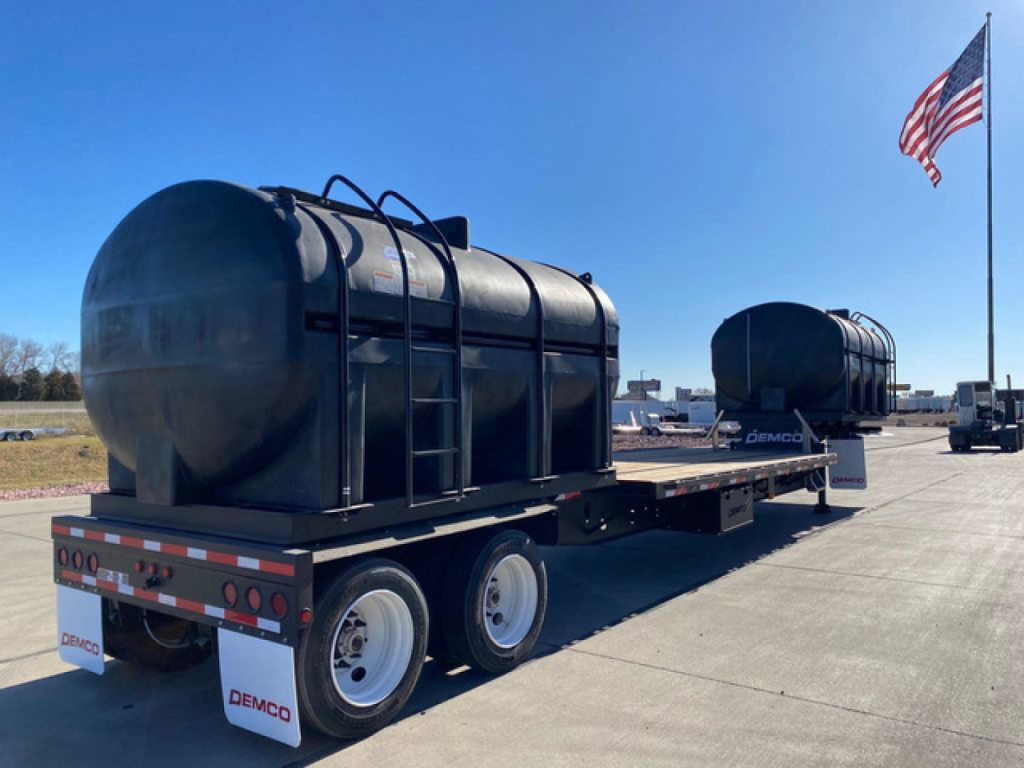
Browse other trailers for sale, including liquid tender trailers with tandem or triple axles, air ride or spring suspension, and ag-ready specs.

Selling a other trailer? List your other trailer for sale and reach thousands of commercial buyers.
Other Trailers in South Dakota
Axle configuration, suspension, and overall length matter more in this category than many buyers expect. Tandem axle setups are common when you need a balance of payload, maneuverability, and lower operating complexity. Triple axle trailers can make sense when the application pushes capacity higher or when load distribution is a priority. Suspension choice also changes how the trailer behaves on mixed surfaces. Air ride can help protect the trailer and cargo on rough roads and uneven approaches, while spring suspension is often chosen for simplicity, durability, and lower maintenance cost. Common tire sizes like 255/70R22.5 and steel wheels are widely used because they are practical, serviceable, and easy to support in regional operations.
Specialty trailers like liquid tenders should be evaluated as working tools, not just transport assets. Tank layout, plumbing, pump compatibility, hose storage, discharge setup, and cleanout access all affect daily productivity. If the trailer is going to serve ag retail, custom application, or large-acreage farming, pay attention to turnaround time in the field and how easily the trailer integrates with your existing transfer equipment. Length options such as 42-foot and 48-foot models can change capacity, bridge law flexibility, and maneuvering in yards, field entrances, and narrow county roads. In South Dakota, weather and road conditions also make frame construction, corrosion resistance, and brake performance worth a close look.
The best way to compare other trailers for sale is to match the trailer’s configuration to the exact material being hauled and the environment it will work in. Confirm axle rating, GVWR, tank or body capacity, suspension type, tire spec, and any DOT or product-handling requirements before making a decision. For buyers looking at liquid tender equipment, the value is usually found in uptime, safe handling, and how efficiently the trailer supports planting and spraying windows. A specialized trailer that fits the operation correctly will do more than carry product. It will reduce delays, simplify logistics, and hold up better under the real demands of seasonal work.
Frequently Asked Questions about Other Trailers in South Dakota
What is a liquid tender trailer used for?
A liquid tender trailer is used to transport and transfer bulk liquids that support agricultural operations, including water, liquid fertilizer, and some crop input products. It is commonly used to refill sprayers or support field application equipment during planting and spraying seasons. The main advantage is reduced downtime, since product can be staged and delivered closer to where the equipment is working.
Should I choose a tandem axle or triple axle specialty trailer?
A tandem axle trailer is often the better choice when maneuverability, lower empty weight, and simpler maintenance are priorities. A triple axle trailer may be the better fit when higher capacity and improved load distribution are needed. The right choice depends on payload targets, legal weight limits, road conditions, and how often the trailer has to move through tight farm yards or field entrances.
Is air ride suspension better than spring suspension on an other trailer category unit?
Air ride suspension can improve ride quality and reduce shock to the trailer and its cargo, which is useful on rough rural roads and uneven approaches. Spring suspension remains popular because it is durable, straightforward, and typically less expensive to maintain. Buyers should choose based on the sensitivity of the load, expected road surfaces, and their preference for maintenance simplicity versus ride control.
What specs matter most when comparing other trailers for sale?
The most important specs depend on the trailer’s intended application, but buyers should closely review length, axle spacing, axle rating, suspension type, tire size, wheel type, braking system, and overall capacity. On a liquid tender trailer, plumbing layout, pump compatibility, discharge options, and cleanout access are also critical. These details affect not just legal operation, but daily efficiency and serviceability.
Are specialty trailers in this category suitable for South Dakota operations?
Yes, many specialty trailers in the other category are well suited for South Dakota, especially those built for agriculture and rural transport work. Buyers should pay attention to durability features that matter in the region, including reliable brakes, corrosion-resistant components, strong frame construction, and suspension suited to gravel roads and uneven field access. Matching the trailer to local road conditions and seasonal demands is the key to long-term performance.