
2027 Other Trailers For Sale in South Dakota
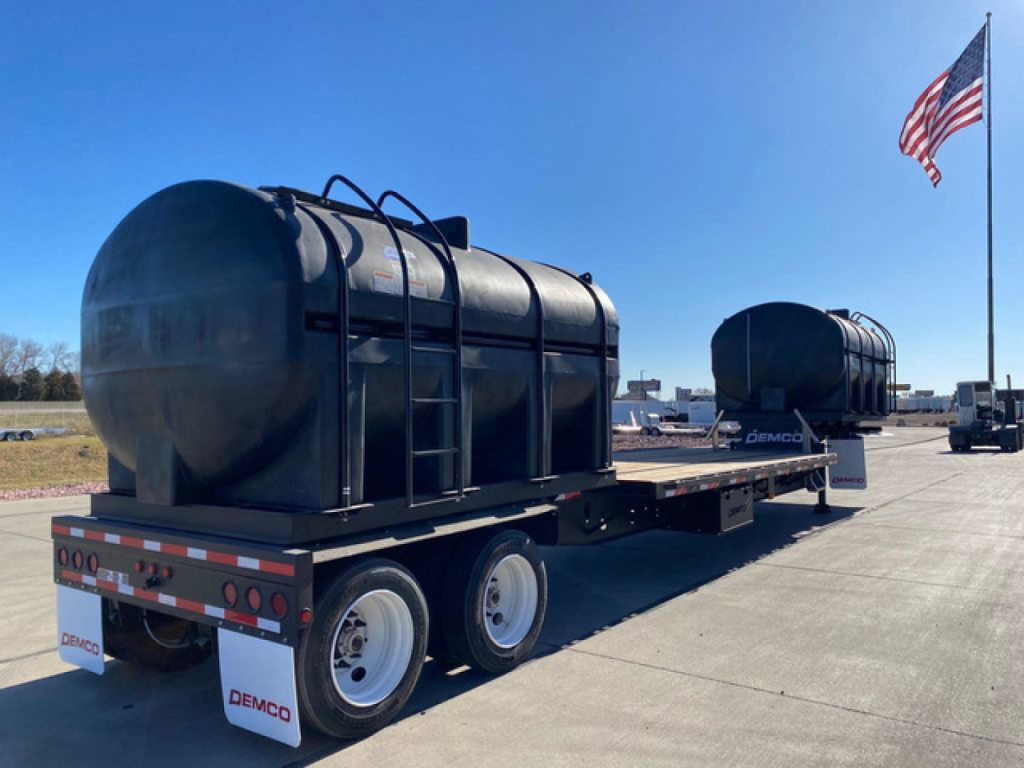
Browse 2027 other trailers for sale in South Dakota, including liquid tender trailers with tandem or triple axles and ag-focused hauling specs.

Selling a 2027 other trailer? List your 2027 other trailer for sale and reach thousands of commercial buyers.
2027 Other Trailers in South Dakota
A liquid tender trailer is built around safe, stable transport of bulk liquid, and that puts weight distribution at the center of the buying decision. Tandem axle setups are common for operators balancing maneuverability with payload, while triple axle configurations can improve load support and stability when tank capacities increase or when road and field transfer conditions are less forgiving. Tires such as 255/70R22.5 are a typical commercial spec that support serviceability and replacement access. Suspension matters too. Air ride can help protect the load and improve road manners, while spring suspension remains a practical choice for simple, durable operation in tougher farm-use environments.
Because this is a broad trailer category, buyers should look closely at frame construction, tank mounting, plumbing layout, pump compatibility, and cleanout access rather than relying on the category name alone. On liquid tenders, details such as fill openings, valve placement, hose storage, and chemical-resistant materials can affect turnaround time and long-term maintenance. If the trailer will spend part of its life on county roads and part in field approaches, ground clearance, landing gear placement, and axle spread deserve attention. Steel wheels are still common in this class and are valued for durability and straightforward replacement in work-focused applications.
South Dakota buyers typically need trailers that can handle seasonal peaks, variable weather, and mixed-surface travel without adding unnecessary complexity. A specialty trailer in the other category should be evaluated by application first, then by running gear and serviceability. If the trailer is intended for liquid handling, confirm the tank and transfer system are matched to the product being hauled and that the axle, tire, and suspension package supports the loaded operating weight. The best choice is usually the one that fits the real work cycle, is easy to maintain locally, and holds up under repeated short-haul, high-turnover use.
Frequently Asked Questions about 2027 Other Trailers in South Dakota
What is included in the other trailer category?
The other trailer category usually includes specialty trailers that do not fall neatly into standard classes like flatbed, dry van, hopper, or dump. Examples can include liquid tender trailers, nurse trailers, specialty ag support trailers, and purpose-built units for hauling specific products or equipment. The category name is broad, so buyers should focus on the actual trailer design, intended application, axle package, and installed components rather than the label alone.
What should I look for when buying a liquid tender trailer?
Start with the product you plan to haul, then verify that the tank, plumbing, valves, seals, and transfer components are compatible with that liquid. Capacity, tandem versus triple axle configuration, suspension type, tire size, and frame strength are key because they determine stability, legal loading, and durability. Cleanout access, hose storage, fill location, and pump integration also matter because they affect speed in the field and ease of maintenance over time.
Is tandem or triple axle better on a specialty trailer?
Neither is automatically better because the right setup depends on payload, tank size, and operating surface. Tandem axles are often easier to maneuver and can be a strong fit for lighter or more compact liquid tender applications. Triple axles generally offer better weight distribution and additional support under heavier loads, but they can add cost, tire wear, and maintenance. Match the axle count to the trailer’s loaded use, not just the empty trailer spec.
Why does suspension type matter on an ag or liquid tender trailer?
Suspension affects ride quality, load control, and how the trailer behaves on pavement, gravel, and field entrances. Air ride suspension can improve stability and reduce shock transmitted to the trailer structure and mounted components, which can be helpful on higher-value specialty equipment. Spring suspension is often chosen for its simplicity, lower cost, and proven durability in rough-duty applications. Buyers should consider service conditions, maintenance preferences, and the sensitivity of the load being carried.
Are commercial tire sizes like 255/70R22.5 common on these trailers?
Yes, 255/70R22.5 is a common commercial trailer tire size in specialty applications because it offers a practical balance of load support, parts availability, and service access. Using a widely supported tire size can simplify roadside replacement and routine maintenance. Buyers should still confirm load rating, wheel spec, and clearance with the trailer’s axle and suspension package so the tire setup matches the trailer’s intended operating weight.