
New Other Trailers For Sale in South Dakota
Browse new other trailers for sale in South Dakota, including liquid tender trailers with tandem or triple axles, ag-ready specs, and durable setups.

Selling a new other trailer? List your new other trailer for sale and reach thousands of commercial buyers.
New Other Trailers in South Dakota
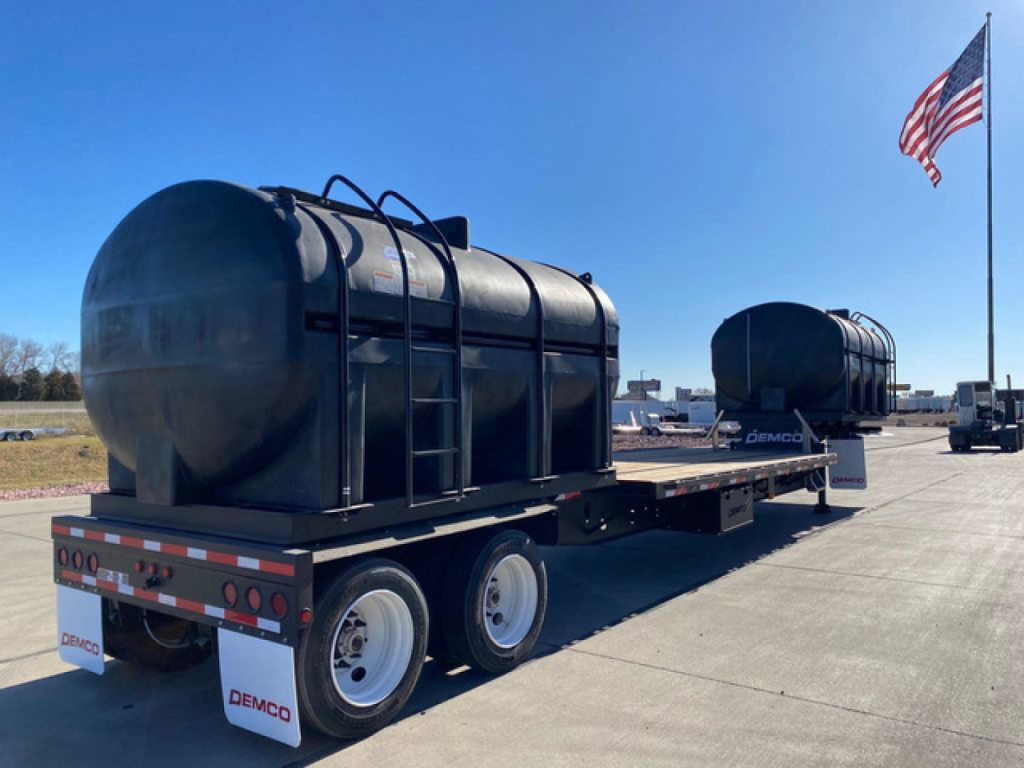
Liquid tender trailers are a common example in this category. These units are designed around fast support service, not general freight. Key decisions usually come down to axle configuration, suspension, tire size, and frame layout. Tandem axle setups can be a good fit where lower empty weight, tighter maneuvering, and moderate payload needs matter. Triple axle configurations can offer better load distribution and added stability for higher-capacity applications. Common specs in this segment include 255/70R22.5 tires, steel wheels, and either spring or air-ride suspension depending on the intended ride quality, field access, and maintenance preference.
Because these trailers are often exposed to fertilizer, chemical residue, mud, and seasonal weather, build quality matters. Buyers should pay close attention to tank material, plumbing layout, pump compatibility, rinse-out access, valve protection, and overall corrosion resistance. Frame finish, hose storage, fender design, and serviceability can affect long-term uptime more than headline capacity alone. If the trailer will spend time on section roads and uneven approaches, ground clearance, suspension travel, and loaded stability deserve a close look.
A new other trailer can make sense for operations that need specialized support equipment with current components, known maintenance history, and a setup matched to today’s application equipment. For South Dakota buyers, it is smart to consider roadability between fields, cold-weather durability, and parts support during peak planting and spraying windows. The best choice is usually the trailer that fits the product being hauled, the transfer equipment on hand, and the pace of the operation, not simply the biggest tank or heaviest running gear.
Frequently Asked Questions about New Other Trailers in South Dakota
What is included in the “other trailer” category?
The other trailer category typically includes specialized trailers that fall outside standard freight segments like dry vans, flatbeds, reefers, dumps, or conventional tank trailers. In agricultural markets, this often includes liquid tender trailers, nurse trailers, field support units, and application-focused equipment built for specific products or workflows. The defining factor is specialized use rather than a universal freight function.
What should I look for in a new liquid tender trailer?
Focus first on product compatibility, capacity, and transfer setup. Tank construction, plumbing, pump provisions, valve placement, and rinse capability all affect how well the trailer will handle fertilizer, water, or other ag liquids. After that, look at axle configuration, suspension type, tire size, and service access. A well-designed tender trailer should be easy to load, easy to unload, stable on uneven roads, and practical to clean and maintain.
Is a tandem axle or triple axle liquid tender trailer better?
It depends on payload, road conditions, and maneuverability needs. Tandem axle trailers are often simpler, lighter, and easier to maneuver in tighter farmyard and field approaches. Triple axle trailers can improve weight distribution and support higher-capacity applications, especially when the trailer will carry heavier loads over mixed road surfaces. The better choice depends on the loaded weight you expect to run and the conditions the trailer will see during the season.
How important is suspension type on a specialty trailer?
Suspension type has a direct effect on ride quality, stability, and maintenance. Spring suspension is common for straightforward durability and lower complexity. Air-ride suspension can improve load protection and road manners, especially on rough surfaces or longer trips between locations. On a specialty trailer, the right suspension should match the weight carried, the speed and distance traveled, and the quality of the roads and field entrances it will cross.
Why buy a new specialty trailer instead of a used one?
A new specialty trailer gives the buyer current running gear, unworn plumbing and valves, and a known starting point for maintenance. That matters on equipment used during narrow seasonal windows where downtime is costly. New units also make it easier to match the trailer to current application equipment, tire standards, and suspension preferences. For many operations, the value is not just condition but predictable uptime during planting, spraying, and tendering work.