
New 2027 Other Trailers For Sale in South Dakota
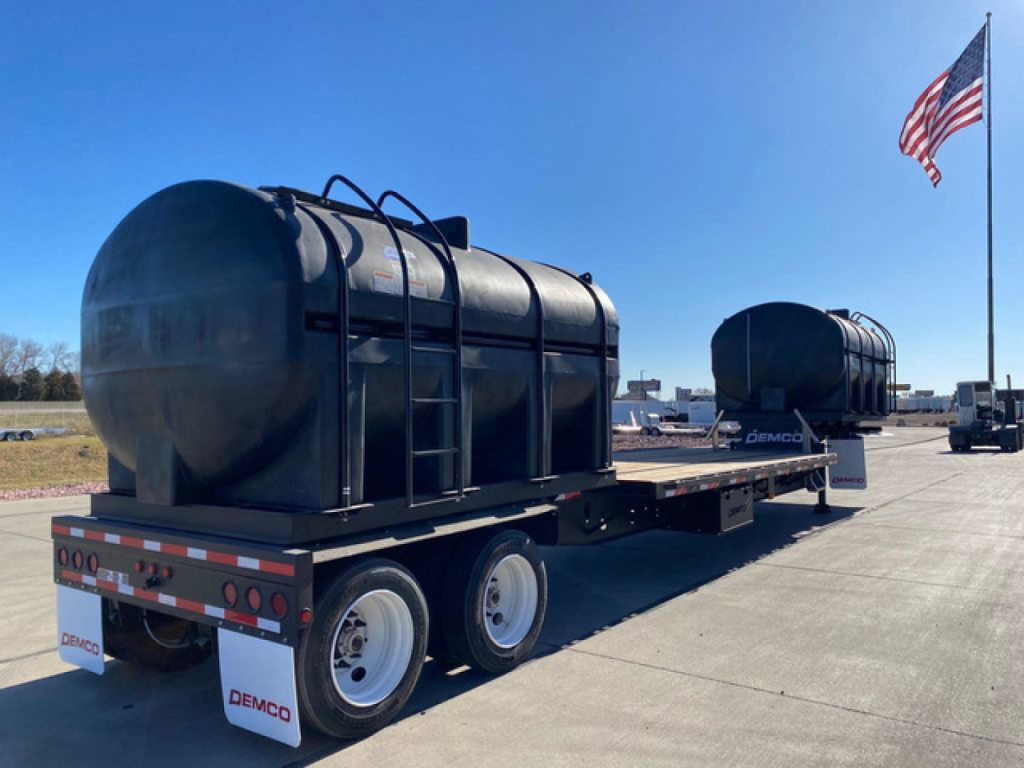
Browse new 2027 other trailers for sale in South Dakota, including specialty liquid tender trailers with tandem axles and ag-focused specs.

Selling a new 2027 other trailer? List your new 2027 other trailer for sale and reach thousands of commercial buyers.
New 2027 Other Trailers in South Dakota
A liquid tender trailer is built for controlled transport and transfer of bulk liquids in agricultural operations. Common configurations include tandem axles, 22.5-inch rubber, and either steel or aluminum wheels depending on weight targets and corrosion preferences. Suspension setup matters on rough approaches and field entrances, especially when the trailer will see seasonal use on county roads, gravel, and yard surfaces. Capacity, pump compatibility, valve access, hose storage, and tank material should all be reviewed closely, since those details affect fill time, unload speed, cleanup, and long-term durability more than the basic trailer frame does.
New 2027 specialty trailers appeal to buyers who want current component spec, fresh tank and plumbing systems, and less uncertainty around wear items. For South Dakota use, it is smart to think about cold-weather exposure, fertilizer corrosion, and how easily the trailer can be cleaned and winterized. Wheel choice, tire size, fender design, and frame finish all matter when a trailer is expected to move between paved roads and farm sites. If the trailer will spend much of its life loaded and stationary during transfer operations, pay close attention to stability, landing gear strength, and how the unit is balanced over the axle group.
The right choice in this category usually comes down to matching the trailer to the product being hauled and the transfer method at the destination. A buyer comparing new other trailers should verify legal weight assumptions, compatibility with the intended tractor or tender truck, and the exact plumbing and safety equipment installed from the factory. Specialty trailers can be extremely efficient when correctly spec'd, but they are less forgiving than general-purpose trailers if the application is mismatched. Careful attention to axle configuration, tank design, service access, and corrosion resistance will do more for long-term value than brand name alone.
Frequently Asked Questions about New 2027 Other Trailers in South Dakota
What is considered an “other trailer” in the commercial market?
An “other trailer” is typically a specialty trailer that does not fit cleanly into standard trailer classes such as dry van, reefer, flatbed, dump, hopper, or conventional tank trailer. These units are usually application-specific and may be built for agricultural support, liquid transfer, equipment service, or niche hauling tasks. The key buying point is function, not category label, so the trailer should be evaluated by its tank system, frame design, axle package, and operating environment.
What should I look for when buying a liquid tender trailer?
Start with the liquid type, required capacity, and how the product will be loaded and unloaded. Then review the tank construction, plumbing layout, valve quality, hose storage, pump compatibility, and access for cleaning or winterizing. Tandem axle setup, tire size, suspension type, and wheel material also matter because they affect durability, stability, and maintenance cost. A tender trailer that is easy to service and properly matched to the product will usually deliver better uptime than one chosen only by price or tank size.
Are aluminum wheels better than steel wheels on a specialty trailer?
Aluminum wheels can reduce weight and resist corrosion well, which is attractive on trailers exposed to fertilizer, moisture, and seasonal road conditions. Steel wheels are generally more economical and remain common on work-focused trailer specs. The better choice depends on operating conditions, maintenance habits, and weight sensitivity. In many agricultural applications, corrosion resistance and ease of cleanup are strong reasons buyers consider aluminum, while steel remains a practical option for cost control.
Why does axle and suspension spec matter on an ag support trailer?
Axle and suspension spec affects how the trailer handles uneven approaches, gravel roads, field entrances, and loaded stationary transfer work. A tandem axle setup helps distribute weight and improve stability, but the suspension design also influences ride quality, tank stress, and component life. On specialty liquid trailers, a poor running gear spec can lead to rough handling, accelerated wear, and reduced confidence when the trailer is loaded near working capacity. Matching the running gear to the terrain is just as important as choosing the right tank.
Is a new 2027 specialty trailer worth it over an older used unit?
A new 2027 trailer can make sense when uptime, current component spec, and lower immediate repair exposure matter more than minimizing acquisition cost. New units also reduce uncertainty around tank condition, plumbing wear, tires, suspension components, and corrosion history. For specialized applications like liquid tender work, hidden wear in valves, fittings, and transfer systems can become expensive quickly. Buyers who need dependable seasonal performance often place a premium on new-condition equipment because the cost of downtime during narrow operating windows can outweigh the initial savings of an older trailer.