
Other Trailers For Sale in Illinois
Browse other trailers for sale in Illinois, including specialty and hard-to-classify trailer types for regional hauling, storage, and custom work.
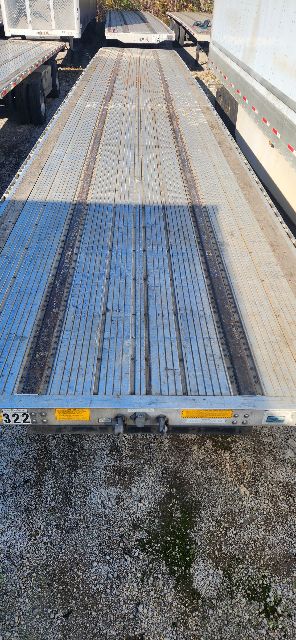
Selling a other trailer? List your other trailer for sale and reach thousands of commercial buyers.
Other Trailers in Illinois
The first decisions are usually deck length, overall weight capacity, axle configuration, and frame construction. Steel frames remain common for severe-duty use and repairability, while aluminum or combo construction can reduce tare weight and improve payload. Suspension type, brake setup, tire size, ramp arrangement, deck height, and coupler or kingpin configuration all matter because specialty trailers often work in tighter operating windows than general freight equipment. If the trailer will run Illinois highways year-round, check crossmember condition, floor integrity, wiring quality, ABS function, and corrosion around suspension hangers, light boxes, and rear structure.
A broad category like this can include combo flatbeds, tag trailers, storage trailers, equipment carriers, converter gear, and application-specific units built for construction, agriculture, municipal work, or local delivery support. For a buyer, the useful comparison points are GVWR, empty weight, usable deck space, tie-down layout, landing gear condition, and how easily parts can be sourced. If the trailer has specialized equipment such as winches, ramps, toolboxes, lift mechanisms, or reinforced flooring, inspect those systems as closely as the running gear. On used units, tire age, brake wear, bushing condition, and evidence of frame repairs often tell you more than the category name.
Illinois buyers should also think about bridge law, route restrictions, seasonal weather exposure, and the service network available for the trailer’s components. A hard-to-classify trailer can be a strong value if it matches the work exactly, but it can become expensive if key dimensions, axle ratings, or attachment points are wrong for the load. The best purchase in this category is usually the trailer with the clearest fit to the job, the cleanest structural history, and the simplest path to parts, inspection, and day-to-day maintenance.
Frequently Asked Questions about Other Trailers in Illinois
What does "other trailers" usually mean on a commercial trailer marketplace?
"Other trailers" is typically a catch-all category for trailer types that do not fit standard marketplace classes such as dry van, flatbed, dump, reefer, or tanker. It often includes specialty trailers, custom configurations, niche hauling equipment, storage-style trailers, converter gear, and multipurpose units. The category name alone is not enough to judge fit, so buyers should focus on the trailer’s actual dimensions, axle ratings, deck or body design, and intended application.
What should I check first when comparing used specialty trailers?
Start with the structural and capacity basics: frame condition, GVWR, axle count, suspension type, brake system, tire condition, and usable deck or body dimensions. After that, inspect the floor, crossmembers, landing gear, coupler or kingpin area, wiring, lights, and any specialty equipment such as ramps, winches, or lift components. On a used trailer, signs of previous frame repair, corrosion, uneven tire wear, and worn suspension parts can have a bigger impact on value than cosmetic appearance.
Are combo flatbeds considered part of this category sometimes?
Yes. Some marketplaces place combo flatbeds or less common flatbed variants in an "other" category when the listing structure does not have a more precise option. A combo flatbed usually combines aluminum and steel construction to balance lower tare weight with strength in key stress areas. Buyers should verify deck length, floor type, crossmember spacing, tie-down equipment, and overall empty weight before comparing it to a standard all-aluminum or steel flatbed.
How important is parts availability on an unusual trailer type?
Parts availability is a major buying factor on any uncommon trailer. Specialty lighting, suspension components, hydraulic parts, ramps, landing gear assemblies, or custom structural pieces can be harder to source and may increase downtime. Before buying, it is smart to identify axle and brake brands, suspension model, tire and wheel specs, and any proprietary equipment so routine service and repair costs are easier to predict.
What matters most for buyers in Illinois?
For Illinois operation, buyers should pay close attention to corrosion, electrical reliability, brake performance, and suspension wear because trailers often see road salt, freeze-thaw cycles, and mixed highway and local-road use. Confirm that VIN and title information are clean, inspect the underside carefully, and make sure the trailer’s dimensions and axle setup fit the routes and loads it will handle. A trailer that is mechanically simple and easy to service locally is often the safer long-term buy.