
New Trailers For Sale in Wyoming
Shop new trailers for sale in Wyoming, including flatbed, reefer, dump, tanker, and drop deck trailers built for regional and heavy-duty work.
Learn more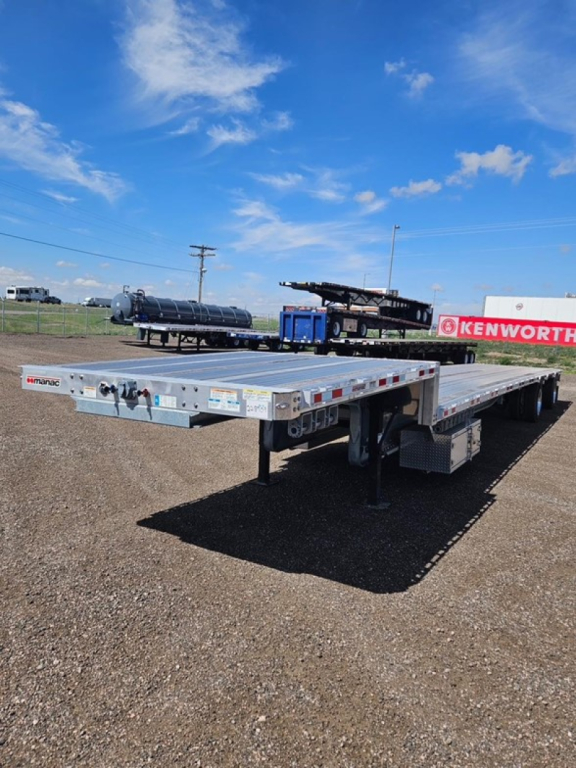
Showing 1 to 12 of 14 results
Have new trailer to sell? List it here to reach thousands of buyers.
About New Trailers in Wyoming
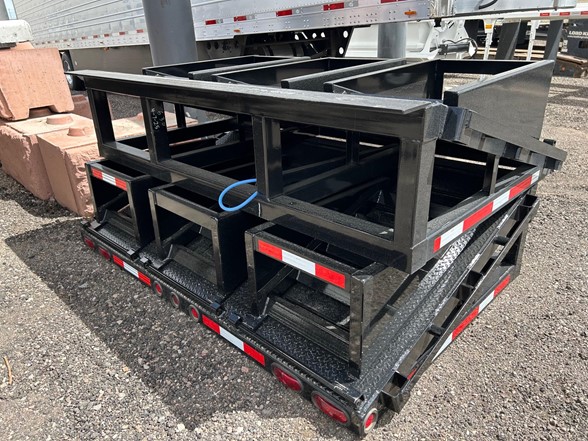
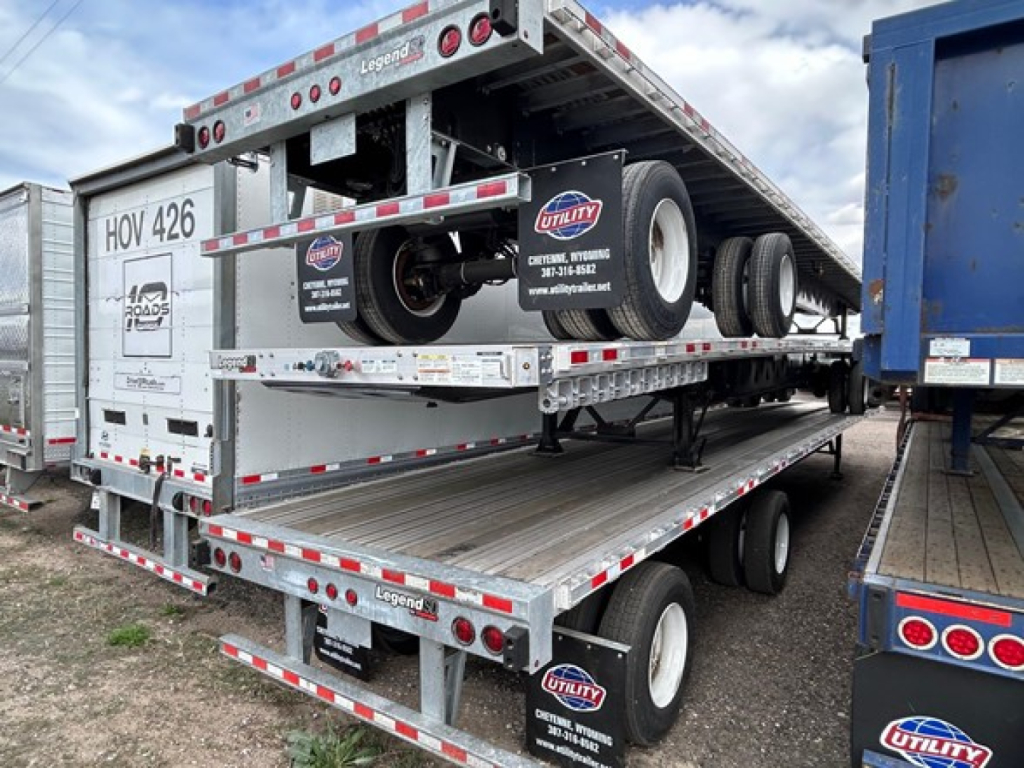
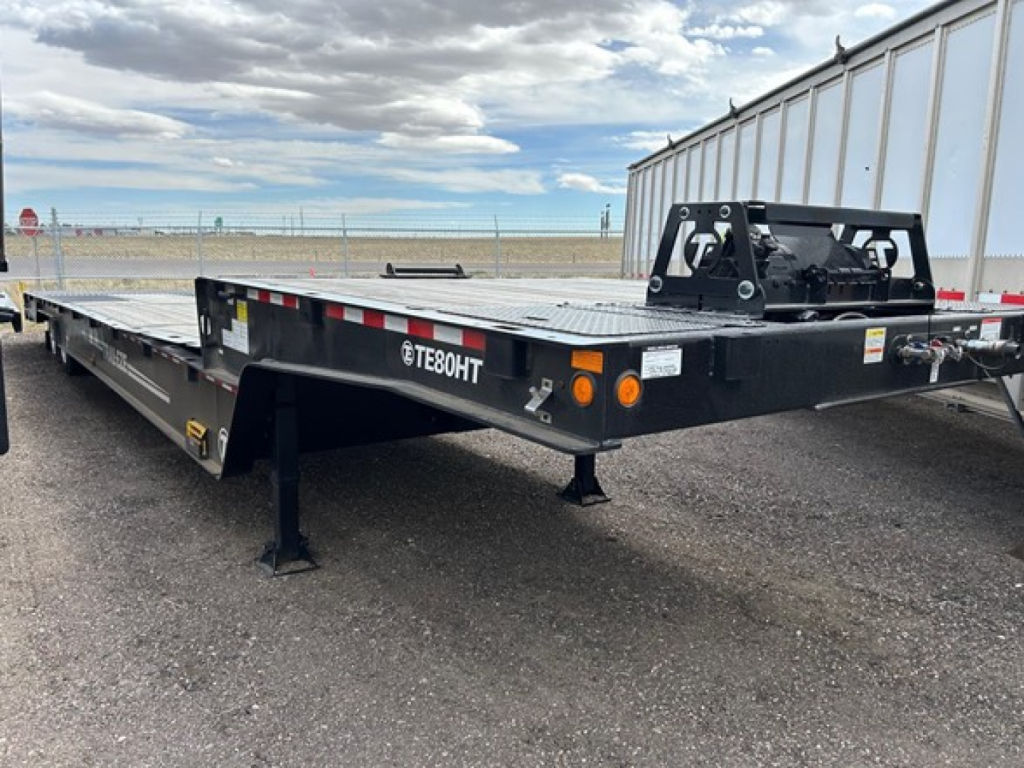
Flatbed trailers and drop deck trailers, also known as step deck trailers, remain common choices for building materials, machinery, and oversized freight that cannot be easily loaded through a van door. Key specs include overall length, deck construction, crossmember spacing, winch track setup, stake pockets, pipe spools, and sliding axle or spread axle options. Combo construction with steel main beams and aluminum components helps balance strength and tare weight. For equipment loading, a beavertail and flip ramps can turn a standard drop deck into a more versatile machine hauler, especially for skid steers, compact excavators, and other rolling loads.
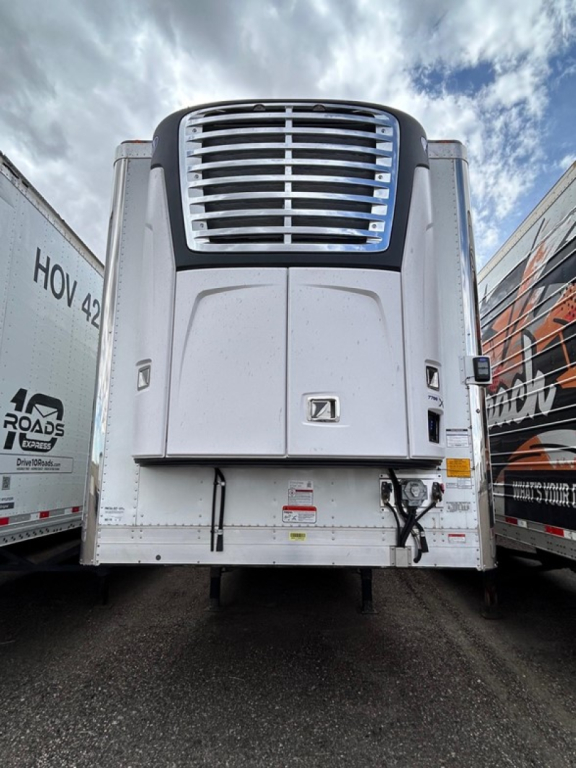
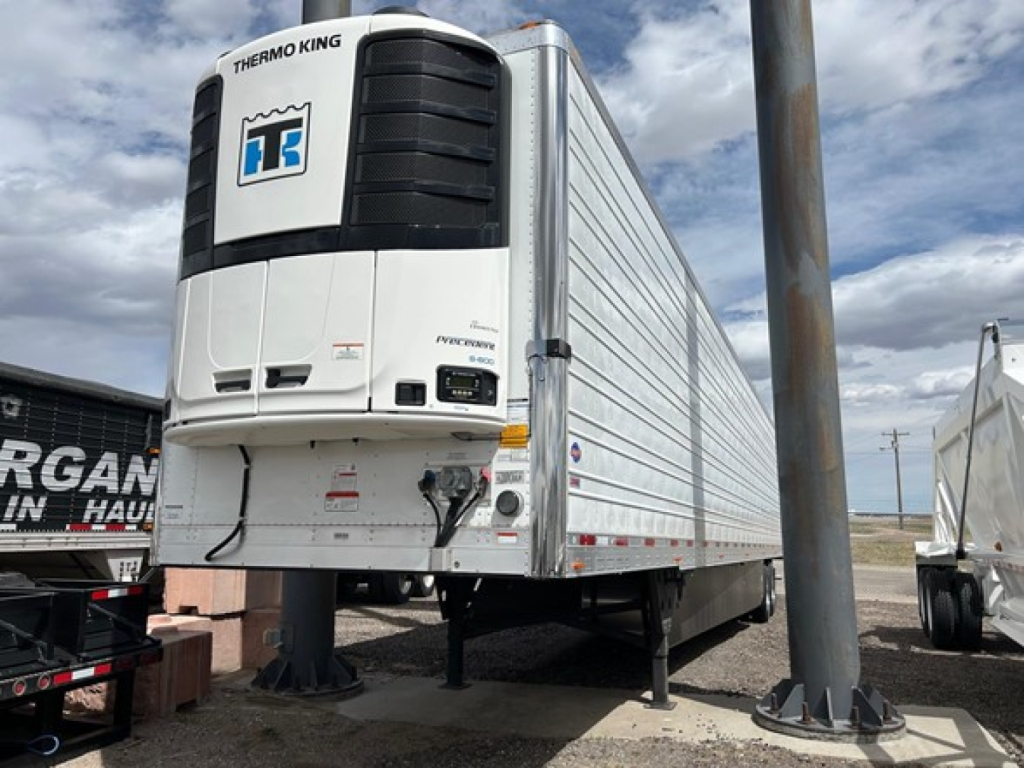
Reefer trailers are built for temperature-controlled freight and are judged on more than the refrigeration unit alone. Buyers should look at insulation performance, duct floor design, rear door construction, wearband height, side skirts, and suspension layout. A 53-foot reefer with air ride, a slider, and a modern Thermo King or Carrier unit is typical for grocery, frozen food, and pharmaceutical lanes. Closed tandems, tire inflation systems, anti-dock-walk features, and stainless steel rear components are common on newer specs because they improve uptime, cargo protection, and trailer life.
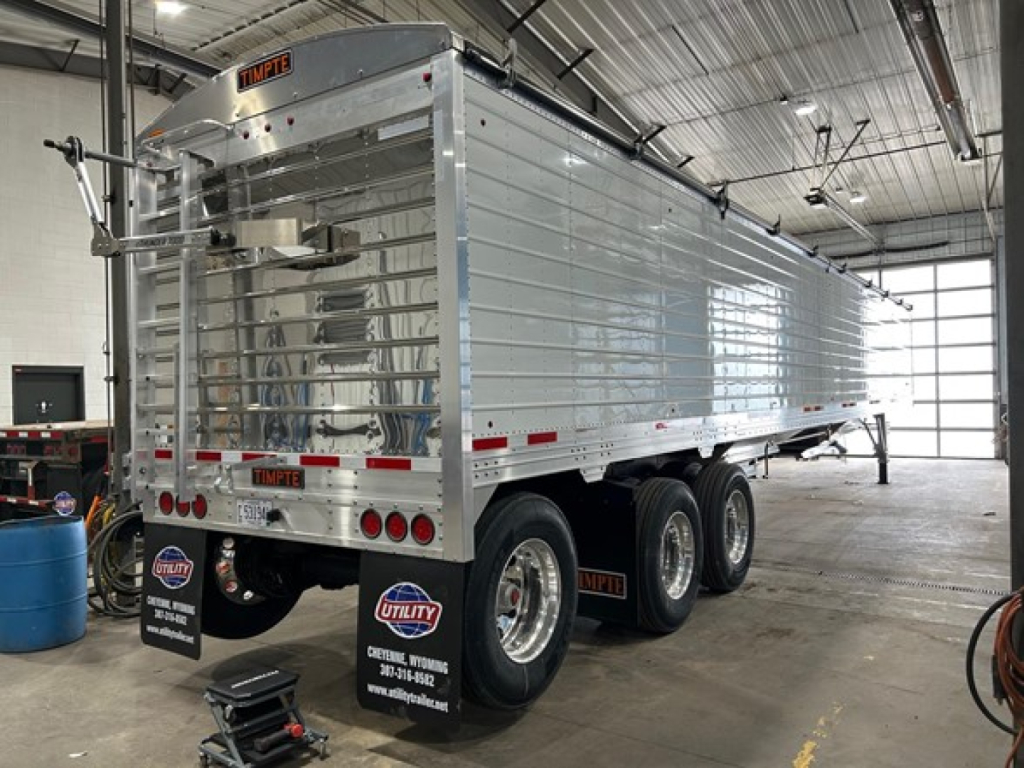
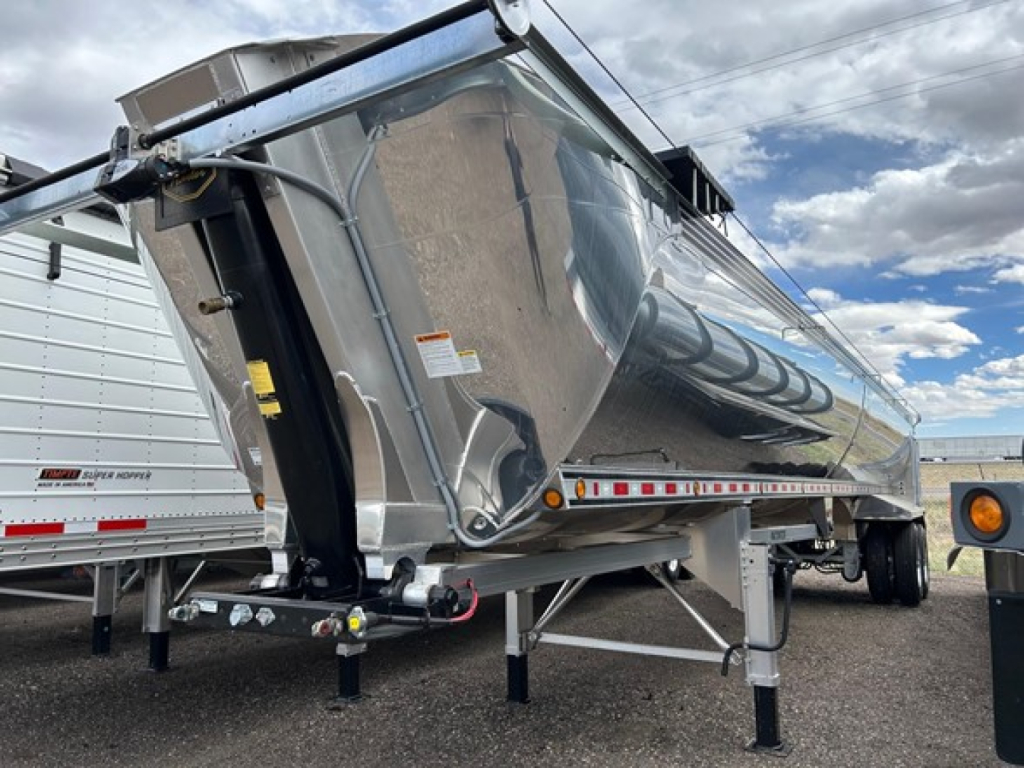
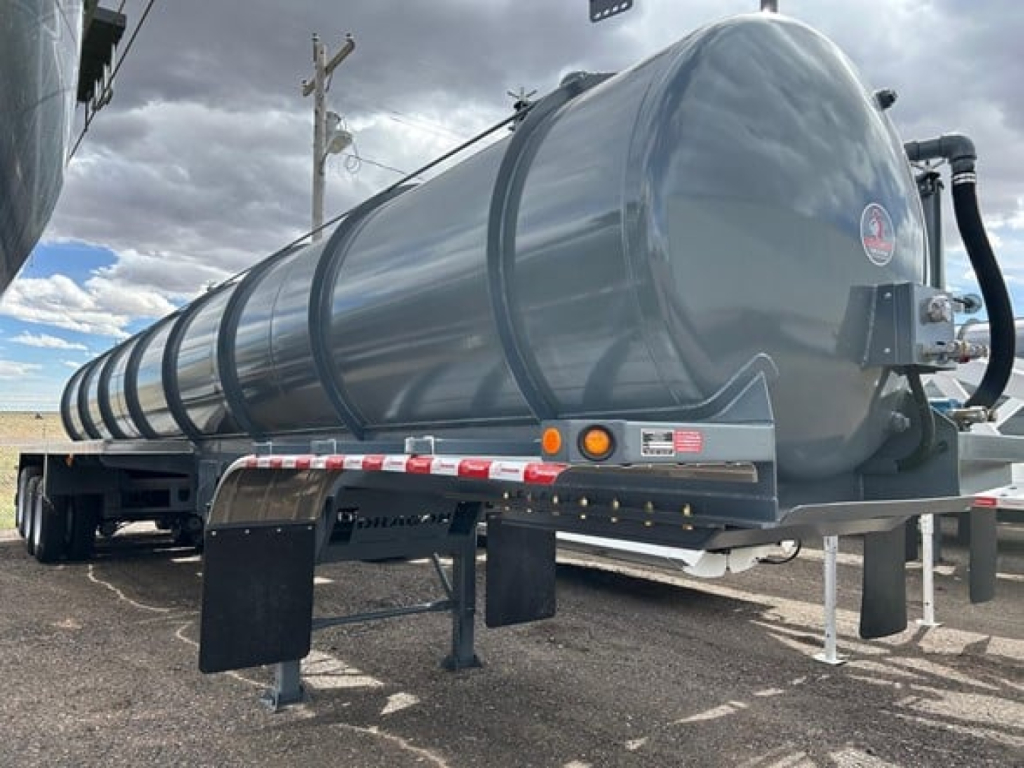
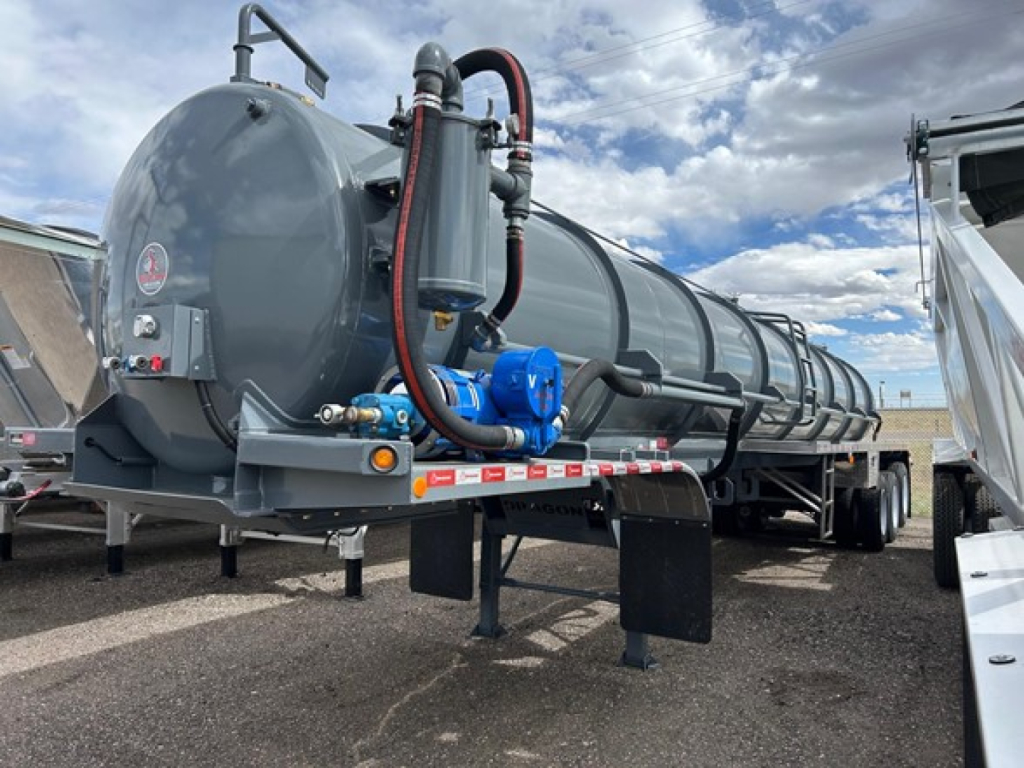
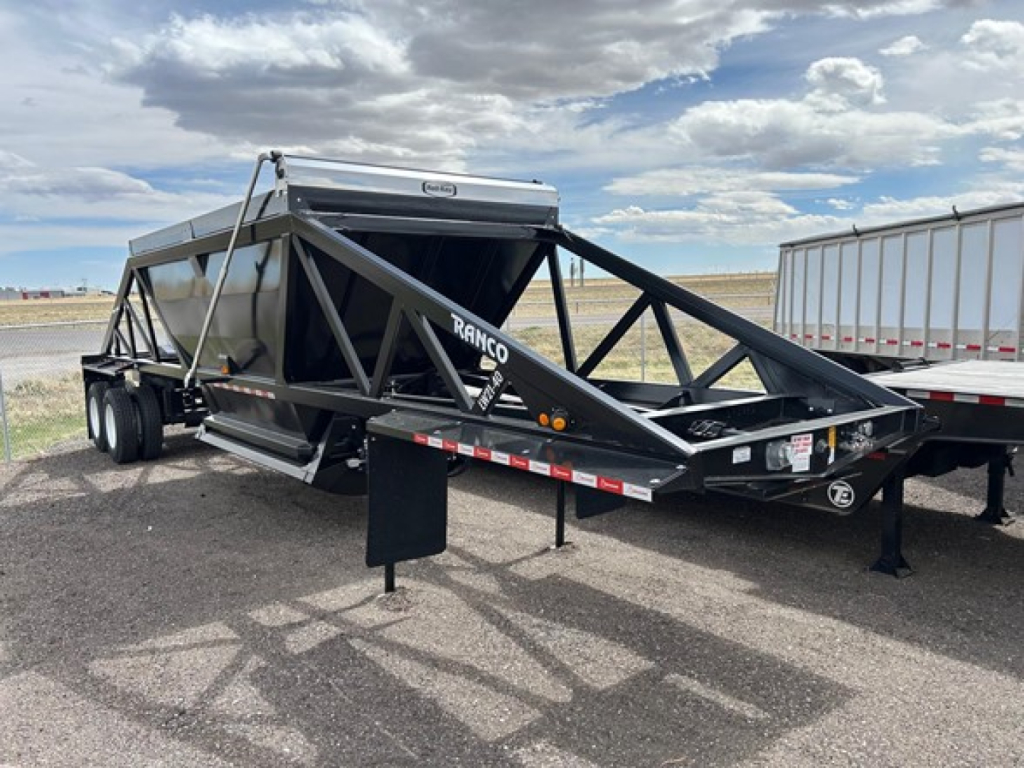
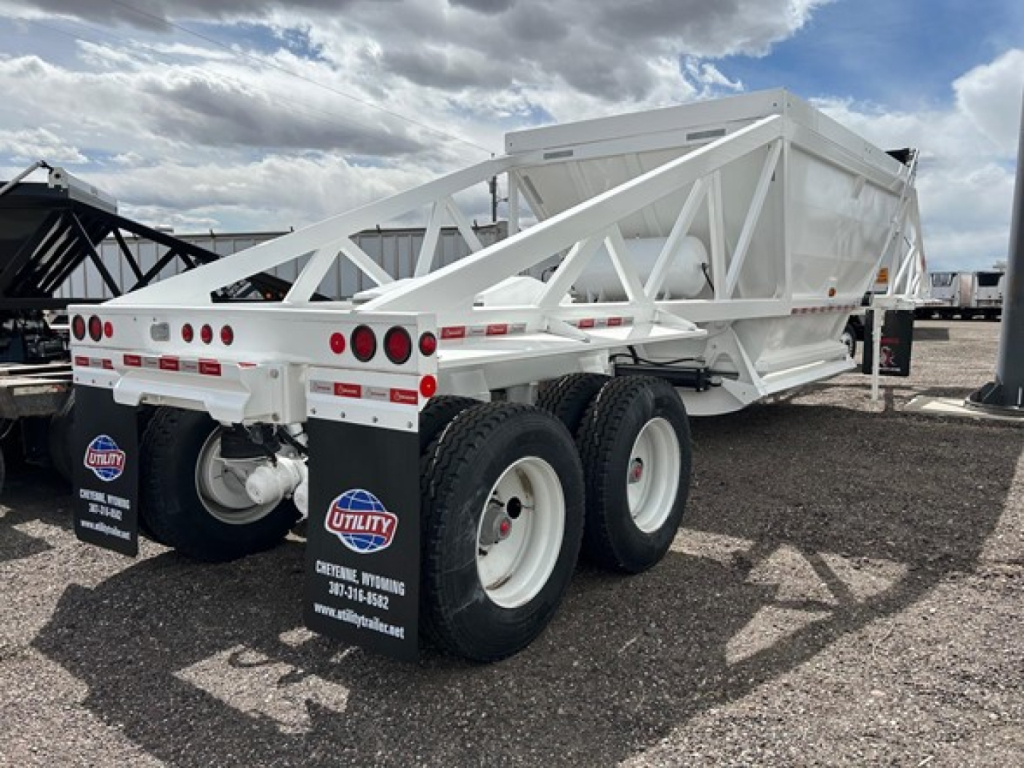
For bulk and industrial work, dump trailers and vacuum tank trailers are common in Wyoming service. Bottom dumps are widely used in road building, dirt, gravel, and aggregate applications because they unload efficiently while maintaining stability. Important considerations include cubic yard capacity, hopper configuration, gate controls, lift axle setup, and whether the trailer is configured for pup towing. Vacuum trailers, including non-code water vacuum tankers, are often used in energy, environmental, and fluid handling operations. Capacity, compartment and baffle layout, pump brand, suspension type, and frame strength all matter, especially when the trailer will spend time on mixed pavement and lease roads. New trailers give buyers the advantage of current safety features, cleaner spec alignment, and less immediate maintenance exposure compared with older used equipment.
Frequently Asked Questions
What types of new trailers are commonly used in Wyoming?
Wyoming fleets commonly use flatbed trailers, drop deck trailers, reefer trailers, dump trailers, and vacuum tank trailers. The right choice depends on the freight, route, and operating environment. Flatbeds and drop decks are common for construction materials and equipment, reefers for temperature-sensitive freight, bottom dumps for aggregate and road work, and vacuum tankers for oilfield, water, and industrial service.
What should I look for in a new flatbed or drop deck trailer?
Start with freight profile and loading method. Deck length, legal width, main beam construction, crossmember spacing, winch arrangement, stake pockets, pipe spools, ramp options, and axle position all affect how useful the trailer will be day to day. Buyers hauling machinery or wheeled equipment often focus on beavertail and ramp configuration, while general freight operators may prioritize tare weight, deck durability, and securement flexibility.
What matters most when buying a new reefer trailer?
The refrigeration unit is only one part of the package. Floor design, insulation, interior lining, rear door seal, suspension, and tire system all affect operating cost and cargo integrity. Buyers should also check whether the trailer is California legal, what air ride and slider setup it uses, and whether the rear frame, bumper, and door hardware are spec'd for frequent dock use and long service life.
Why do buyers in Wyoming pay close attention to axle and suspension specs?
Wyoming routes can include interstate miles, secondary roads, jobsite entrances, and harsh seasonal weather. Axle count, lift axle design, air ride versus mechanical suspension, and slider configuration all influence ride quality, load distribution, tire wear, and legal compliance. A trailer that is correctly spec'd for local weight laws and road conditions usually delivers better uptime and lower maintenance costs.
Are new dump and vacuum trailers built for different jobs?
Yes. A bottom dump trailer is designed for controlled discharge of aggregate, dirt, and similar bulk material, often in paving and site work. A vacuum trailer is designed to move liquids, slurry, or waste through a pump system and tank body. Even though both may operate in construction or energy sectors, body design, capacity ratings, plumbing, gate systems, and suspension specs are tailored to very different applications.