
New Ranco Trailers For Sale in Wyoming
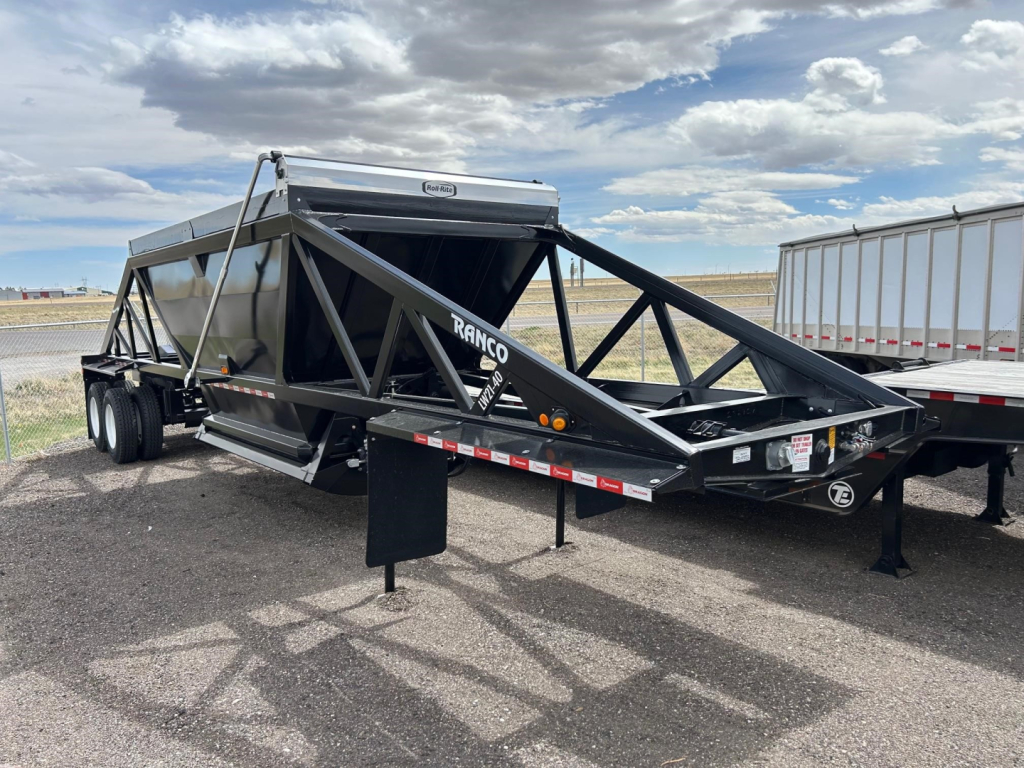
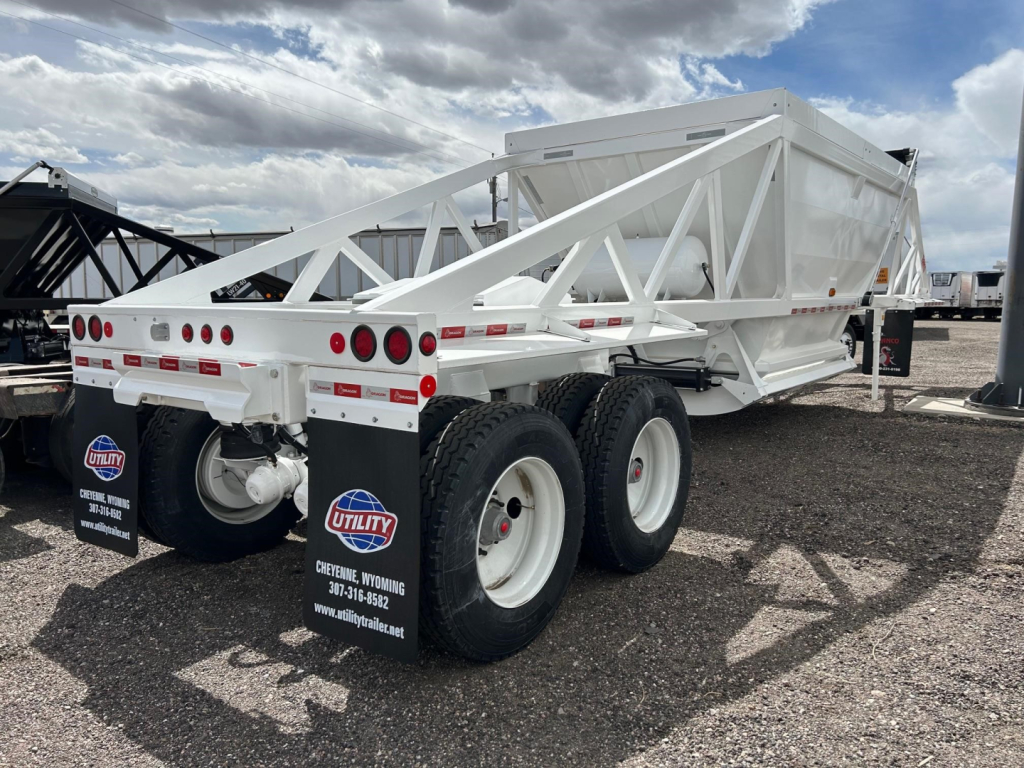
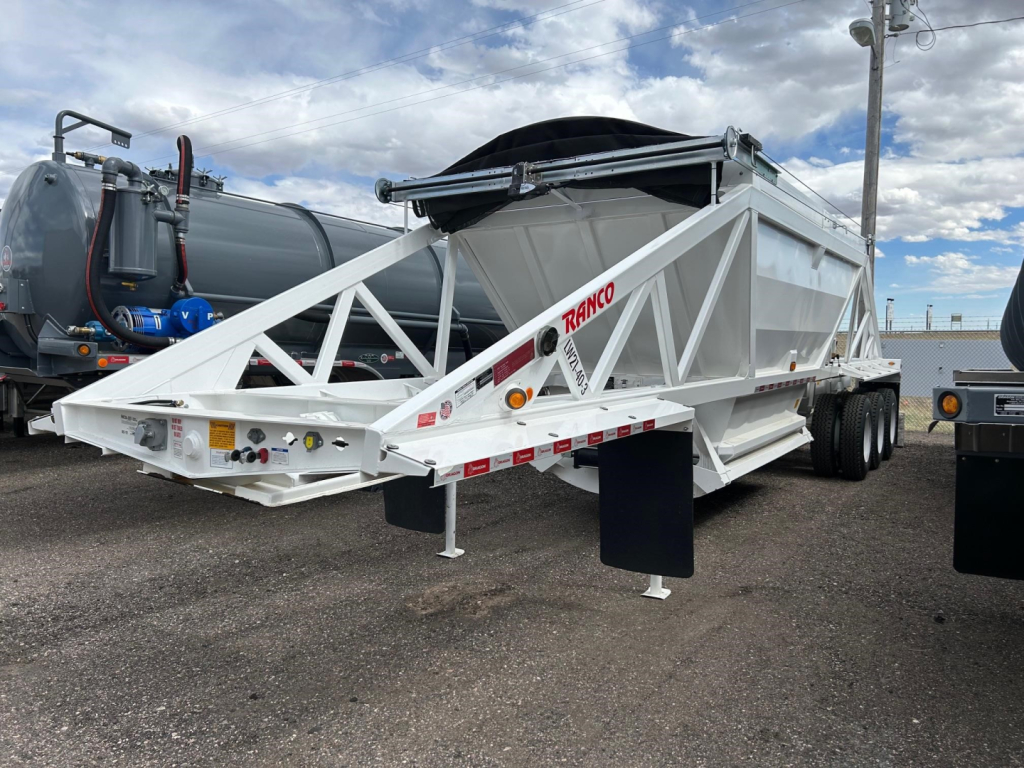
New Ranco dump trailers for sale in Wyoming, including bottom dump configurations built for aggregate, road work, and high-cycle hauling.
Selling a new ranco trailer? List your new ranco trailer for sale and reach thousands of commercial buyers.
New Ranco Trailers in Wyoming
For many buyers, the main decision starts with the dump style and axle layout. A Ranco bottom dump in the 40-foot class with a single hopper is a common fit for road building, shoulder work, stockpiling, and windrow applications. Features such as pin setting gate limiters, Versa Valve gate control, windrow deflectors, bang boards, and electric flip tarps are practical options, not cosmetic ones. They affect material flow, unloading precision, tarp compliance, and day-to-day ease of operation. Tri-axle and tandem configurations are both common, with setups ranging from closed tandem air ride to tri-axle layouts with lift axles, depending on bridge law, payload targets, and how often the trailer runs empty versus loaded.
Suspension and running gear deserve close attention on a new Ranco trailer. Air ride is popular because it helps protect the trailer structure, improves ride quality, and can be easier on components over rough haul roads. Tire size, wheel type, fender configuration, lighting, and hitch equipment all matter if the trailer will run in a train or pull a pup. Buyers hauling in Wyoming often look for practical additions like push blocks, pintle hitches with air and electric, and durable steel wheel packages that are easy to maintain in hard service. Bottom dump buyers should also compare hopper capacity, gate response, kingpin setting, overall tare weight, and frame design because small spec differences can change payload, maneuverability, and discharge consistency.
A new Ranco trailer makes the most sense for fleets and owner-operators who need predictable unload performance and low downtime in bulk material service. Bottom dumps are especially efficient when the job calls for spreading material while moving, feeding paving operations, or unloading quickly in tight cycle times. Compared with an end dump, a belly dump usually offers faster discharge and a lower center of gravity during unloading. The tradeoff is that it is purpose-built for free-flowing material and controlled spread work, so buyers should match the gate design and hopper setup to the commodity. For aggregate, road maintenance, and construction support, Ranco remains a strong name in dump trailers because the specs are built around real payload work, not just brochure weight.
Frequently Asked Questions about New Ranco Trailers in Wyoming
What is a Ranco bottom dump trailer best used for?
A Ranco bottom dump trailer is best used for hauling and controlled unloading of free-flowing bulk materials such as sand, gravel, road base, and other aggregates. It is especially effective in road construction and maintenance because it can discharge material while moving, creating a consistent windrow for grading or paving support. That makes it different from an end dump, which is better suited to pile unloading and materials that do not flow as easily.
What should I look for when comparing new Ranco dump trailers?
The most important points are dump style, axle configuration, suspension, hopper capacity, gate control system, and tare weight. Buyers should also check for practical work-spec items like pin setting gate limiters, electric tarps, windrow deflectors, push blocks, fenders, and hitch packages for pup applications. In day-to-day operation, those details can affect payload, unload precision, maintenance costs, and how well the trailer fits local bridge and road rules.
Is air ride a good choice on a new Ranco trailer?
Air ride is a strong choice for many dump trailer applications because it improves ride quality and helps reduce shock loading into the trailer structure and running gear. On rough roads or long haul routes, that can support better component life and more stable handling. It also helps when protecting the trailer during repetitive loaded cycles, although the right suspension still depends on payload demands, road conditions, and fleet maintenance preferences.
How does a bottom dump compare with an end dump trailer?
A bottom dump trailer unloads through gates in the belly of the trailer, while an end dump raises the body to discharge from the rear. Bottom dumps are generally faster for spread applications and offer a lower center of gravity during unloading, which can be an advantage on uneven jobsites. End dumps can be more versatile for certain materials and for dumping into piles, but for aggregate road work and continuous material placement, a bottom dump is often the more efficient tool.
Why do axle layout and lift axles matter on a Ranco dump trailer?
Axle layout affects legal payload, bridge compliance, turning behavior, tire wear, and operating cost. A tandem may be simpler and lighter, while a tri-axle or lift-axle setup can help distribute weight more effectively and improve legal carrying capacity in the right application. Buyers in Wyoming should match the axle group to local regulations, haul distance, and the type of work because the wrong layout can limit payload or add unnecessary maintenance.