
New Trailers For Sale in Iowa
Browse new trailers for sale in Iowa, including dry vans, reefers, dumps, lowboys, and specialty trailers built for freight, ag, and heavy haul.



Showing 1 to 24 of 27 results
Have new trailer to sell? List it here to reach thousands of buyers.
New Trailers in Iowa
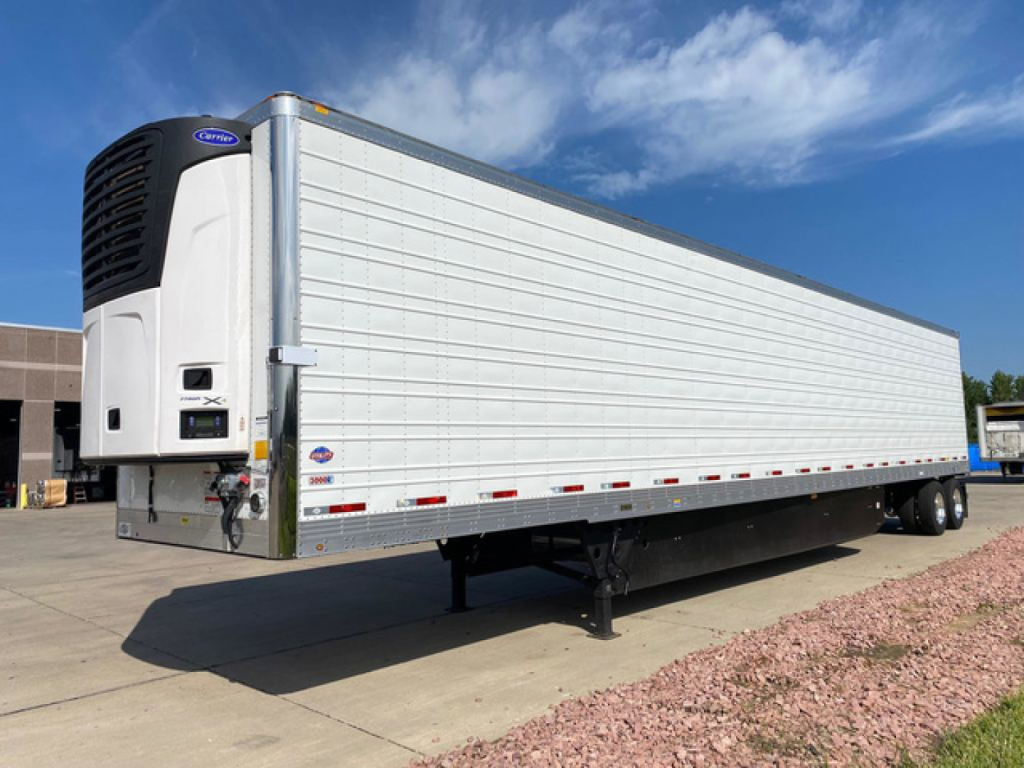
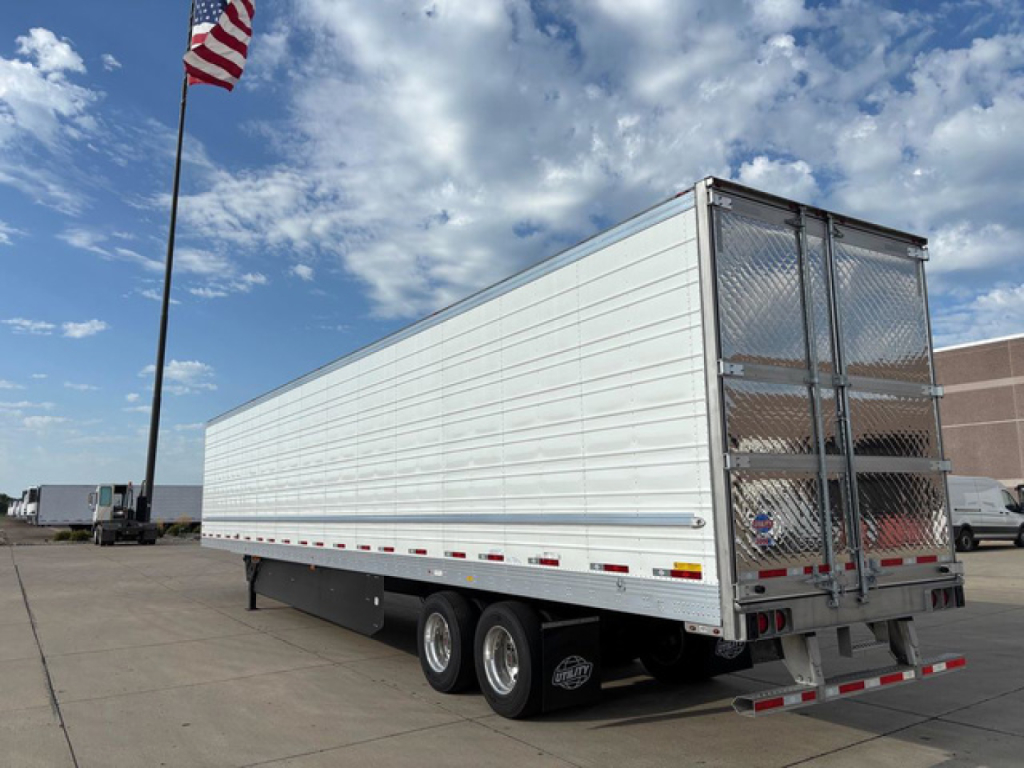
Refrigerated trailers are a common next step for Iowa fleets moving food, dairy, meat, produce, seed products, or temperature-sensitive freight. A new reefer trailer should be evaluated on insulation quality, duct floor design, door seal integrity, reefer unit compatibility, and interior track options such as E-track. Thermal efficiency matters because it directly affects fuel burn, pull-down performance, and product protection in both summer heat and winter cold. Galvanized components, aluminum wheels, and durable interior liners can also make a noticeable difference in washout durability, corrosion resistance, and resale value over time.
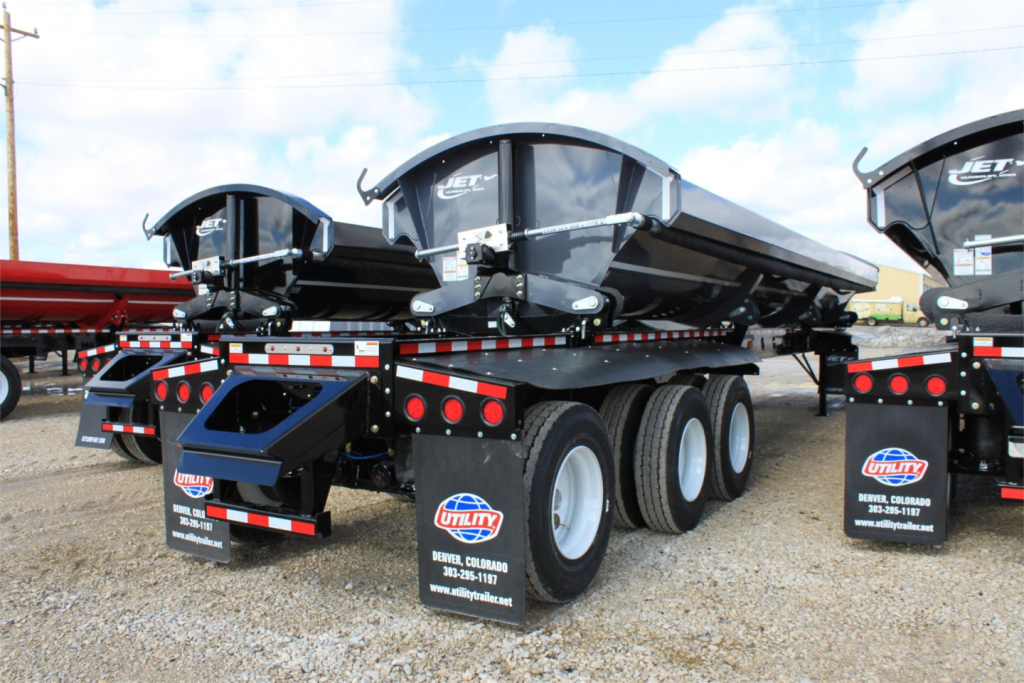
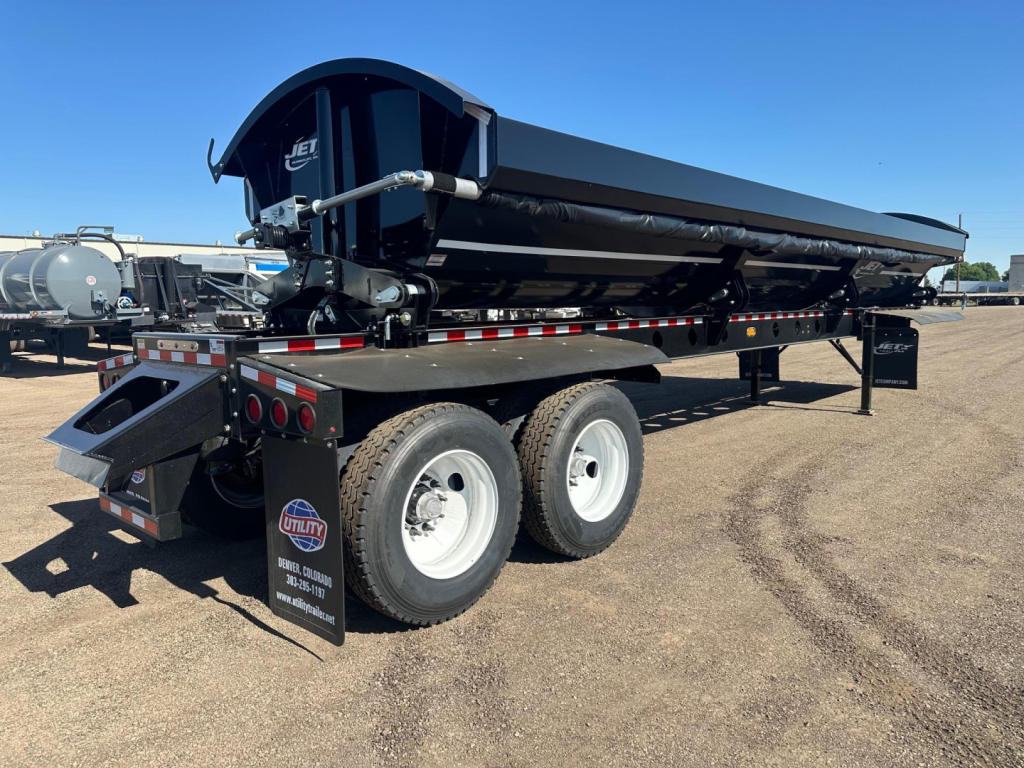
For agriculture, construction, and material handling, new dump trailers and side dumps are a strong fit across Iowa. Capacity, tub material, tarp system, suspension, and axle placement matter more than headline price when the trailer is working in silage, aggregate, demolition, or seasonal hauling. Steel tubs with AR plate are common for abrasive loads, while air ride suspension can help protect the trailer and improve stability on mixed road surfaces. Buyers should also pay close attention to push block design, fender setup, landing gear, and legal payload considerations, especially when running local roads, gravel yards, or high-cycle farm routes.
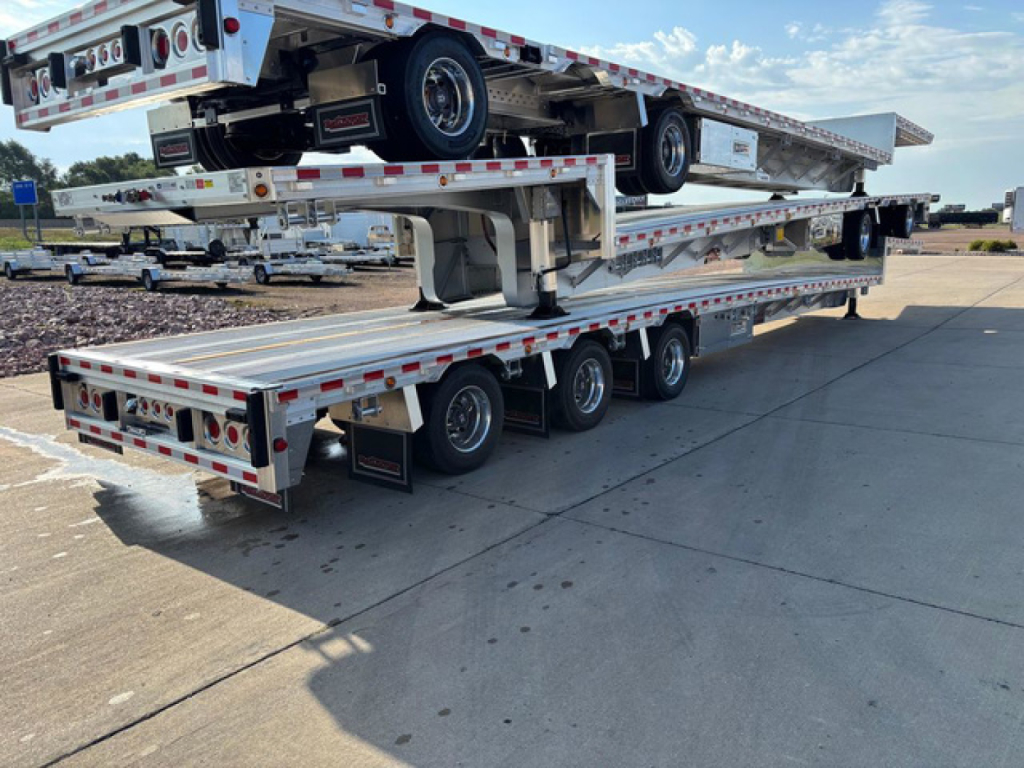
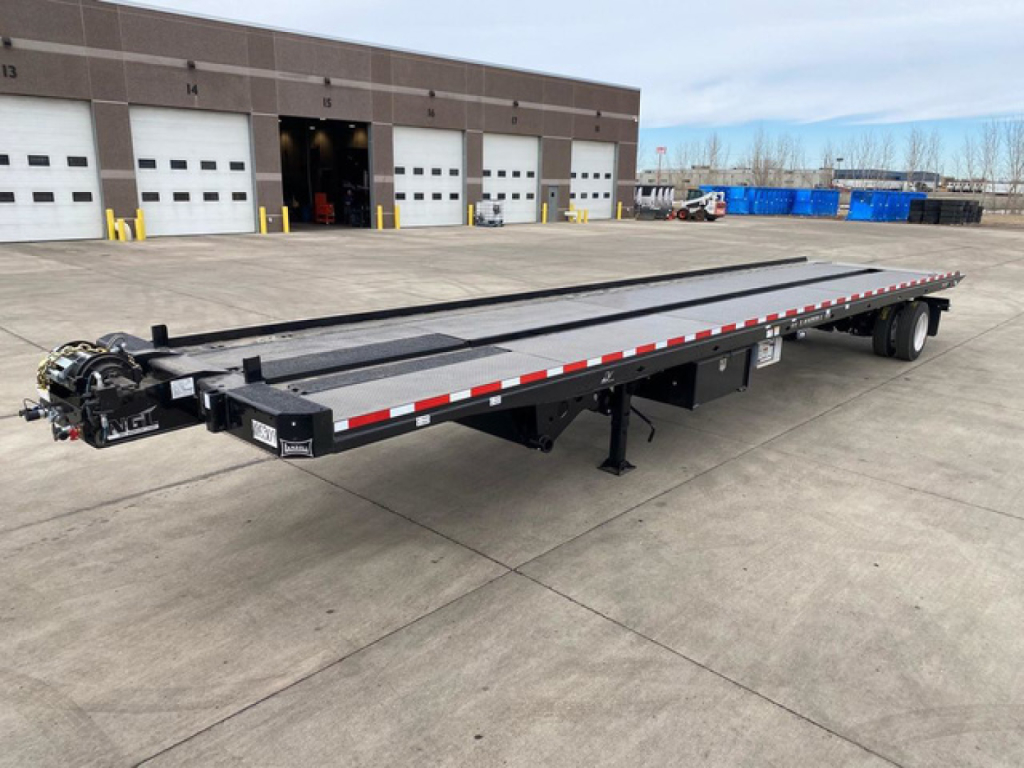
Specialized trailers round out the market, including lowboys, double drops, extendables, flip axles, and dollies for heavy equipment and oversize loads. In this segment, deck height, loaded deck length, axle spread, neck style, outriggers, and compatibility with flip attachments are key buying points. Iowa operators moving ag equipment, construction machines, or industrial components often need a trailer that can balance legal payload, maneuverability, and expandability for permit work. New trailers generally bring the advantage of current-spec components, warranty coverage, and the ability to standardize suspension, wheel-end, and tire setups across a fleet, which can simplify maintenance planning from day one.
Frequently Asked Questions about New Trailers in Iowa
What types of new trailers are most commonly used in Iowa?
The most common new trailers in Iowa include dry van trailers, refrigerated trailers, dump trailers, side dumps, flatbeds, lowboys, double drops, and specialty heavy haul equipment. Dry vans and reefers are widely used for regional and over-the-road freight, while dump and side dump trailers are heavily used in agriculture, aggregate, and construction. Lowboys and double drops are common for equipment transport and oversize loads.
What should I look for when comparing a new dry van trailer?
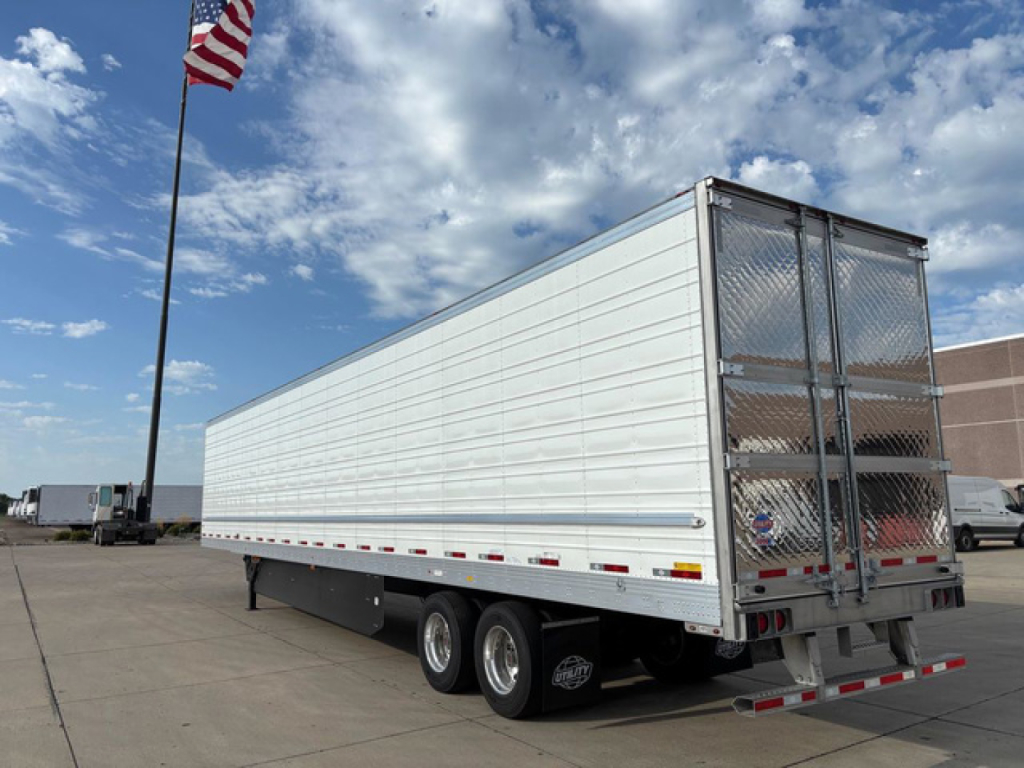
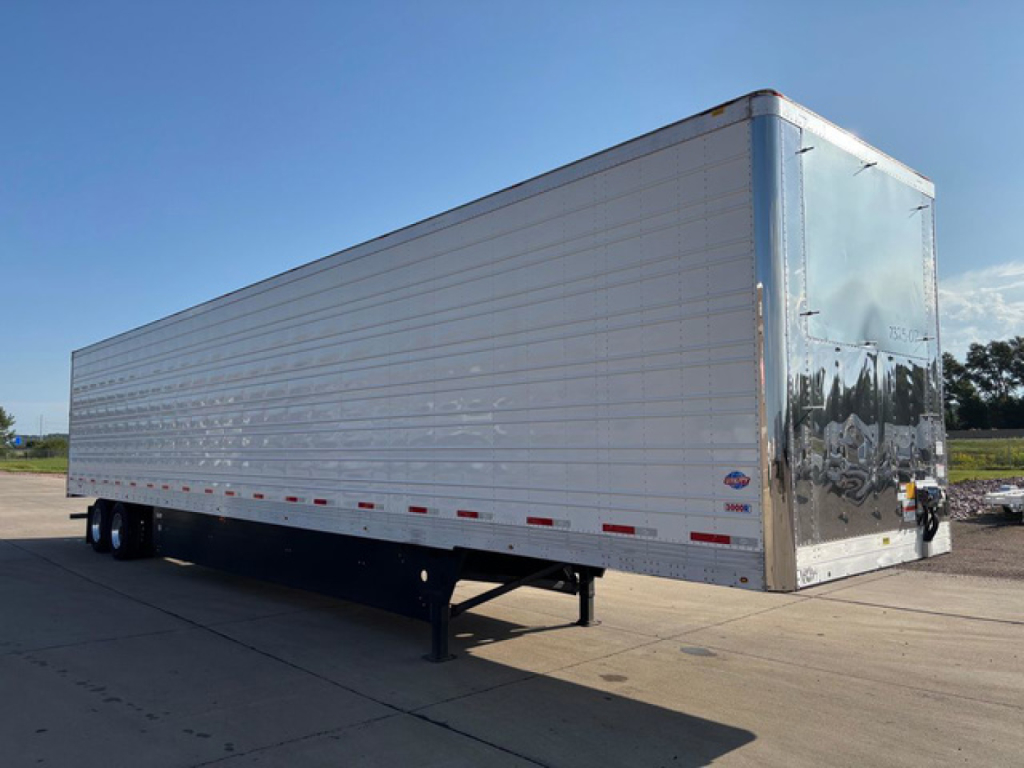
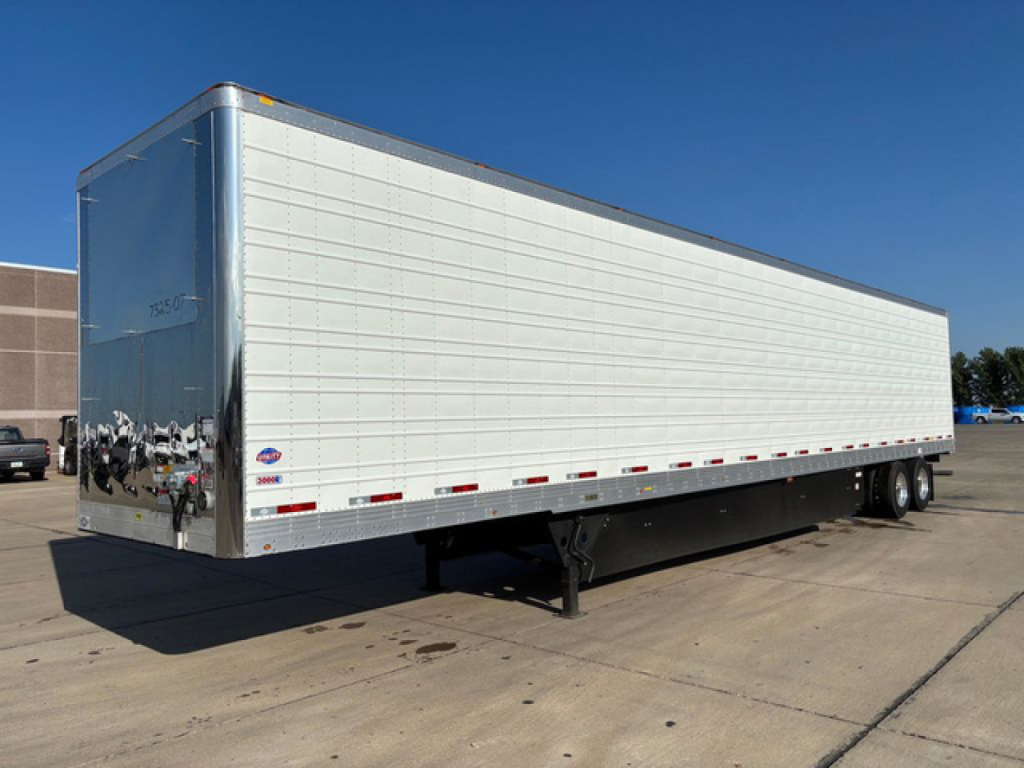
Focus on structural and maintenance-related details before comparing cosmetics. Important features include suspension type, floor construction, logistics post spacing, rear frame galvanization, threshold design, door style, wheel spec, and tire inflation systems. These items affect cargo versatility, trailer durability, corrosion resistance, and cost per mile over the life of the trailer.
Are reefer trailers a good fit for Iowa-based operations?
Reefer trailers are a strong fit for Iowa fleets handling food products, meat, dairy, frozen freight, pharmaceuticals, and other temperature-sensitive cargo. They are also useful when shippers require tighter environmental control than a dry van can provide. Buyers should pay attention to insulation performance, duct flooring, interior cargo control options, and the overall thermal efficiency of the trailer body because these factors influence fuel use and temperature consistency.
How do I choose between a dump trailer and a side dump trailer?
The choice depends on material type, unloading conditions, and jobsite layout. Side dump trailers are often preferred for faster unloading and improved stability in certain applications, especially for silage, aggregate, and road work. Traditional dump trailers may be a better fit where vertical dumping is practical and the operation already supports that style of unloading. Capacity, tub construction, tarp system, and suspension should be matched to the material being hauled and the terrain the trailer will see.
Why do buyers consider galvanized components on new trailers?
Galvanized components help protect the trailer against corrosion, which is especially important in Midwest service where road salt, moisture, and wash cycles can shorten equipment life. Galvanized rear frames, posts, and structural components can reduce repainting needs, preserve appearance, and support better long-term resale value. For fleets keeping equipment several years, corrosion protection is often a major factor in total ownership cost.