
New Utility Trailers For Sale in Iowa
New Utility trailers for sale in Iowa, including reefer trailer specs, common options, insulation, suspension, axle settings, and buyer tips.



Selling a new utility trailer? List your new utility trailer for sale and reach thousands of commercial buyers.
New Utility Trailers in Iowa
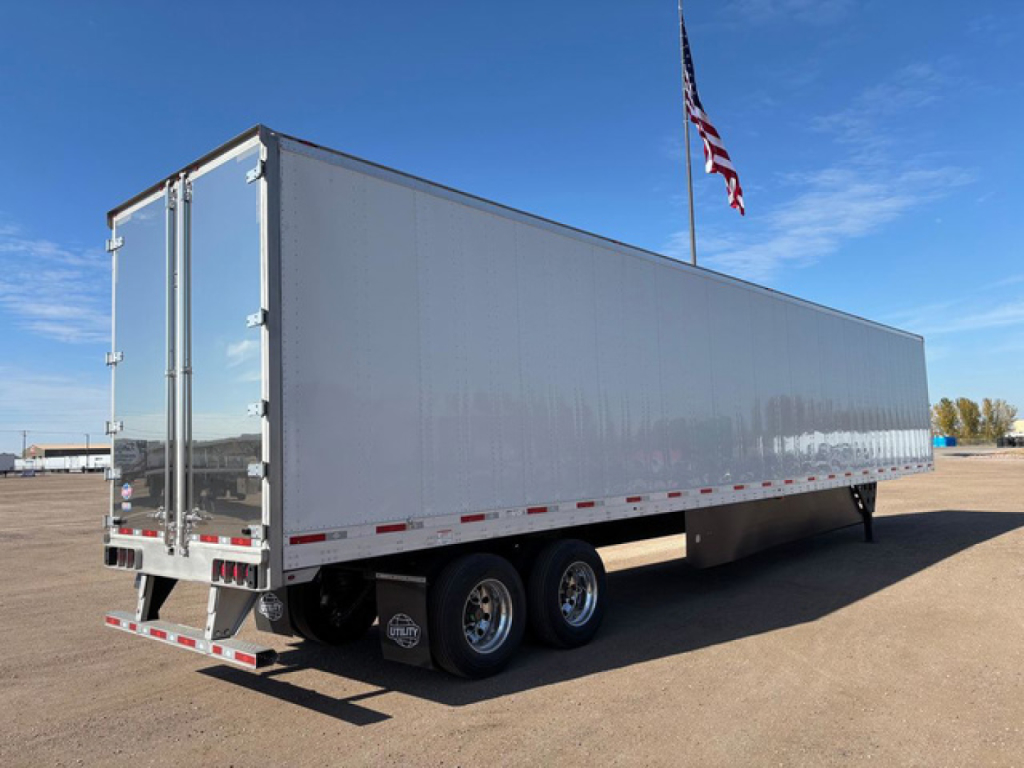
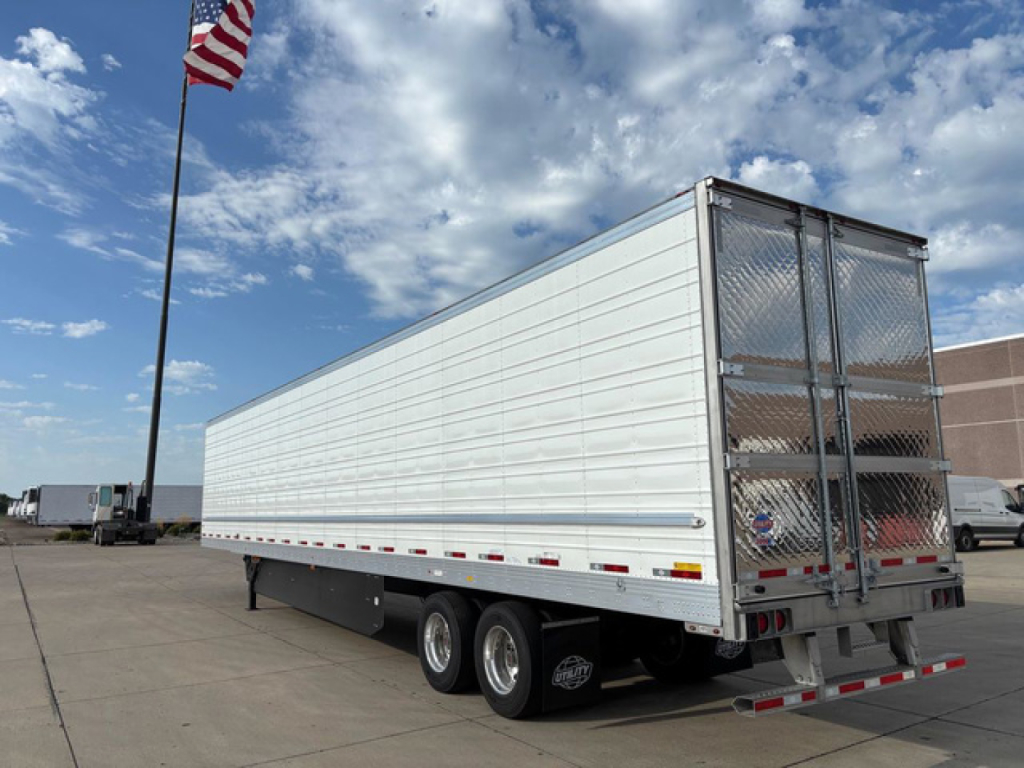
On many new Utility reefer specs, key details include 22.5-inch rubber, aluminum wheels, air ride suspension, and sliding tandem axle spacing. Those are practical choices for fleets running mixed shipper freight and needing flexibility on bridge laws and axle scaling. Air ride helps protect sensitive loads and reduces trailer shock compared with mechanical setups. Sliding tandems matter if you cross multiple states or work shippers with tight kingpin-to-rear-axle requirements. Roof specification, sidewall construction, rear frame design, and door seal quality also deserve attention because they affect thermal efficiency, maintenance cost, and how well the box holds temperature under repeated stops.
A buyer comparing new Utility trailers should look closely at floor type, wall liner construction, and trailer telematics readiness. In reefer service, the floor has to handle constant forklift traffic, pallet jack point loading, and washout cycles. Interior options such as scuff liners, duct floors, load securement tracks, and bulkhead configurations can make a major difference depending on whether the freight is produce, frozen packaged goods, or multi-stop grocery. If the operation loads heavy in summer and runs hard through winter, insulation performance and door opening recovery become just as important as the refrigeration unit itself. New trailer warranty coverage, corrosion protection, and parts availability also matter because downtime in refrigerated service gets expensive fast.
For Iowa-based operations, it also makes sense to spec for four-season use and long regional miles. Corrosion resistance, suspension durability, and easy service access are important when trailers see road salt, temperature swings, and repeated loading cycles. Utility trailers are widely used in fleet applications because the specs are familiar to technicians and drivers, and replacement parts are generally straightforward to source. The best new Utility trailer is the one built around the freight lane: frozen, chilled, or mixed temp; dock-to-dock or multi-stop; maximum cube or heavier payload. A careful spec up front usually pays back through better fuel efficiency, lower maintenance, and more consistent trailer uptime.
Frequently Asked Questions about New Utility Trailers in Iowa
What should I look for when buying a new Utility reefer trailer?
Start with the freight profile. The right new Utility reefer trailer depends on commodity type, target payload, stop frequency, and route length. Buyers should review insulation performance, floor rating, suspension type, axle configuration, wheel and tire package, and the trailer's compatibility with the refrigeration unit spec. Details like rear door seals, scuff liners, roof construction, and interior liner durability have a direct effect on temperature retention, maintenance cost, and trailer life.
Why are sliding tandems important on a refrigerated trailer?
Sliding tandem axles give a reefer trailer more flexibility for bridge compliance, state axle laws, and shipper dock requirements. They also help operators balance weight correctly across the tractor and trailer axles, which matters when commodity weights vary by load. For fleets running across the Midwest or through multiple states, sliding tandems are often a practical necessity rather than an optional feature.
Is air ride suspension worth it on a new Utility trailer?
Air ride suspension is a strong choice for refrigerated freight because it reduces trailer shock and helps protect sensitive cargo. It can improve ride quality for perishables, packaged food, dairy, pharmaceuticals, and other loads affected by vibration. Air ride also tends to support better trailer control and cargo stability, especially on rough roads and in high-mileage regional or over-the-road service.
What floor and interior options matter most in a reefer trailer?
Floor strength and interior protection are critical because reefer trailers see heavy forklift traffic, pallet jack use, and frequent washdowns. Buyers should pay attention to floor type, floor rating, scuff liner height, wall protection, and any load securement systems needed for the freight. Duct floor designs, logistics posts, and bulkhead setups can improve airflow and cargo management, especially for mixed loads or multi-temp applications.
How does Iowa service affect trailer spec choices?
Iowa operations often put trailers through cold winters, summer heat, road salt exposure, and long regional freight cycles. That makes corrosion resistance, durable suspension components, quality door seals, and easy service access more important. A new Utility trailer spec that performs well in Iowa usually balances thermal efficiency, structural durability, and low-maintenance running gear for year-round use.