
New Trailers For Sale in Arkansas
Shop new trailers for sale in Arkansas, including dry vans, dump trailers, and more with current specs, updated materials, and modern options.
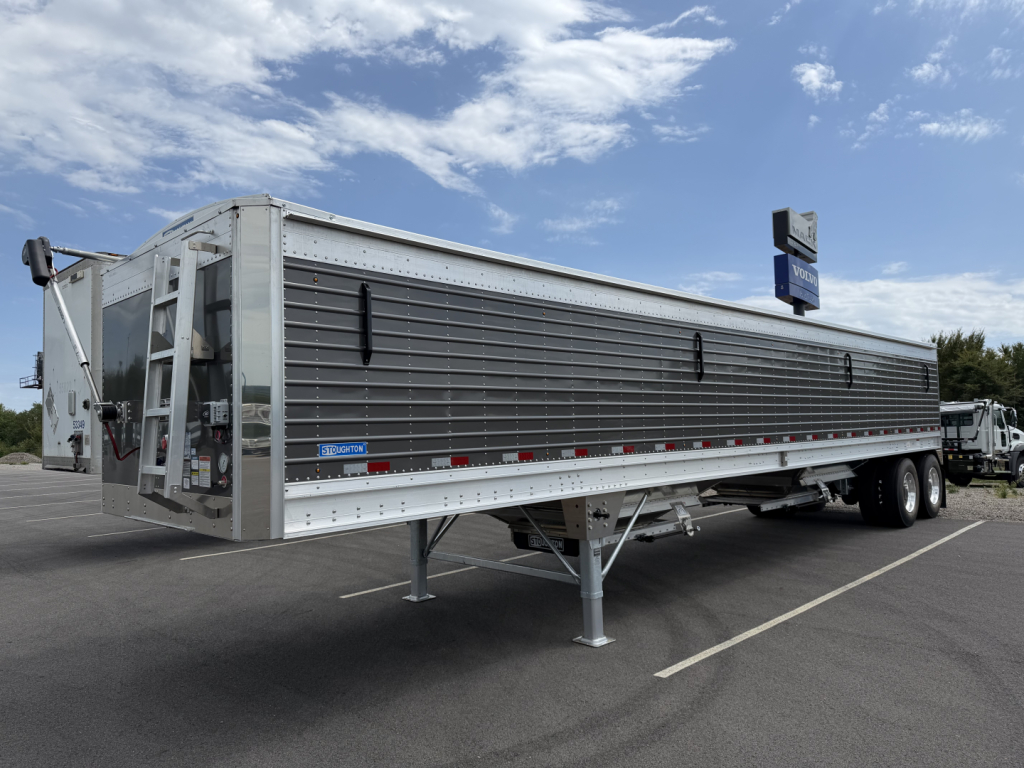
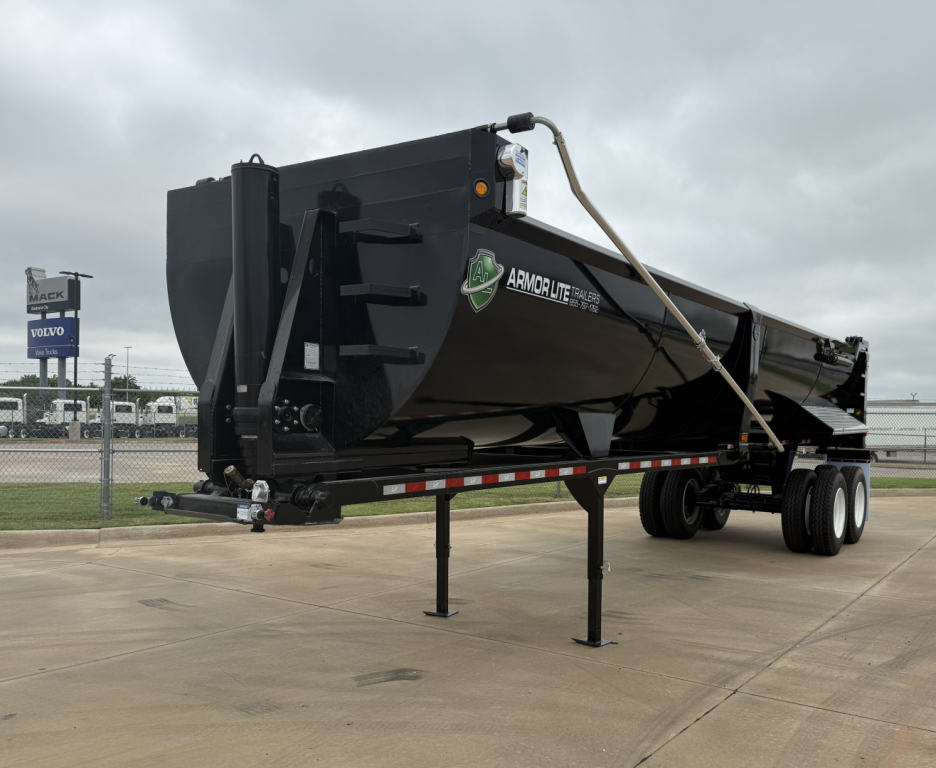
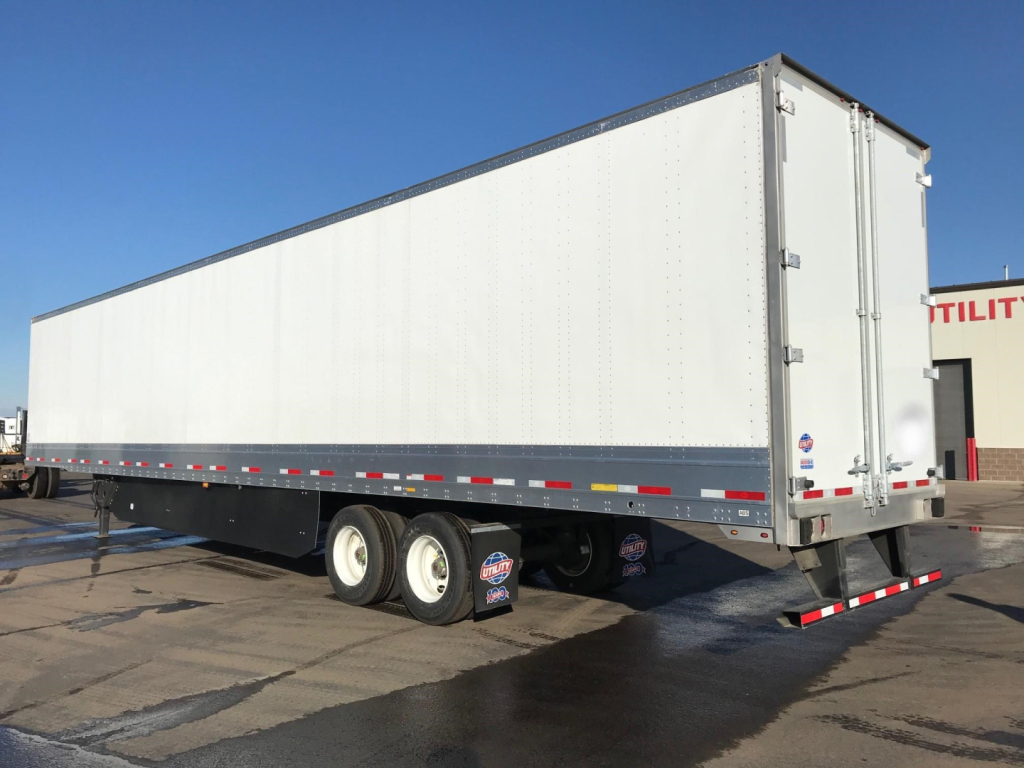
Selling a new trailer? List your new trailer for sale and reach thousands of commercial buyers.
New Trailers in Arkansas
For van trailers, the key details are length, axle configuration, floor construction, and cargo-control setup. The most common over-the-road dry van is a 53-foot by 102-inch tandem axle trailer with swing doors, sliding tandems, and logistics posts for flexible load securement. Buyers should pay close attention to floor rating, scuff liners, threshold plate design, side skirts, and tire inflation systems, especially in high-mileage regional or long-haul service. Suspension choice also matters. Air ride helps protect cargo and can improve ride quality, while slider settings affect bridge law compliance and dock positioning.
For dump trailers, body material, side height, suspension, brake type, and gate style drive long-term performance. Scrap and construction applications often call for heavy tub construction, high sidewalls, barn doors or tailgate configurations, electric tarp systems, and durable single-point or other severe-duty suspensions. Tire size, brake package, landing gear, and liner or body metallurgy directly affect payload strategy and maintenance cost. A buyer hauling abrasive material in Arkansas should look closely at steel thickness, wear resistance, and how the trailer is reinforced around stress points such as the hoist area, rear frame, and upper rail.
Arkansas buyers often need trailers that can handle a mix of highway miles, jobsite access, and seasonal weather, so durability and serviceability should be evaluated just as closely as purchase price. Look at brake components, wheel-end specification, tire availability, lighting, corrosion resistance, and how easy the trailer will be to maintain in your operating area. A new trailer should match the tractor wheelbase, fifth wheel height, kingpin setting, and freight profile you plan to run. Getting those basics right up front usually matters more than brand name alone.
Frequently Asked Questions about New Trailers in Arkansas
What should I look for first when buying a new trailer?
Start with the trailer’s intended application, because that determines nearly every important spec. A dry van for general freight needs the right length, floor rating, cargo-control system, door configuration, and tandem setup. A dump trailer for scrap or aggregate needs the right body material, side height, suspension, brake package, and tarp system. Once the application is clear, compare structural specs, weight, maintenance needs, and compatibility with your tractor.
Are air ride suspensions worth it on a new trailer?
Air ride suspension is a strong choice for many van trailers and other highway applications because it helps protect cargo, improves ride quality, and can reduce shock transmitted through the trailer. It is especially useful for palletized freight, consumer goods, and other loads that benefit from a smoother ride. In more severe-duty dump applications, suspension choice depends on terrain, payload, and how much abuse the trailer will see, so durability may take priority over ride quality.
What features matter most on a new dry van trailer?
The most important dry van features usually include overall length and width, swing or roll door style, sliding tandems, floor construction, wall and roof materials, logistics posts, scuff liners, and trailer aerodynamics such as side skirts. Buyers should also look at tire inflation systems, dock protection, threshold plate design, and lighting. These details affect payload flexibility, loading efficiency, freight protection, and operating cost over the life of the trailer.
What makes a new dump trailer a better fit for scrap or aggregate work?
A dump trailer built for scrap or aggregate work should have a body material and thickness suited to abrasive, high-impact loads. Features like Hardox-type steel, higher sidewalls, barn doors, electric flip tarps, severe-duty suspension, and strong rear-frame construction are common in this segment. The right setup depends on whether the trailer will spend more time on pavement, in transfer yards, or on rough job sites, because each environment changes the balance between payload, durability, and maintenance.
Why does trailer and tractor compatibility matter so much?
Trailer and tractor compatibility affects legal compliance, handling, tire wear, loading angle, and day-to-day drivability. Fifth wheel height, kingpin setting, slider range, axle spread, and landing gear clearance all need to work together. If those dimensions are off, the combination can create bridge law issues, poor weight distribution, or practical problems at docks and job sites. Matching the trailer to the tractor before purchase helps avoid expensive adjustments later.