
Used Manac Trailers For Sale
Shop used Manac trailers including flatbed, step deck, and extendable models built for heavy-duty hauling and long service life.
Learn more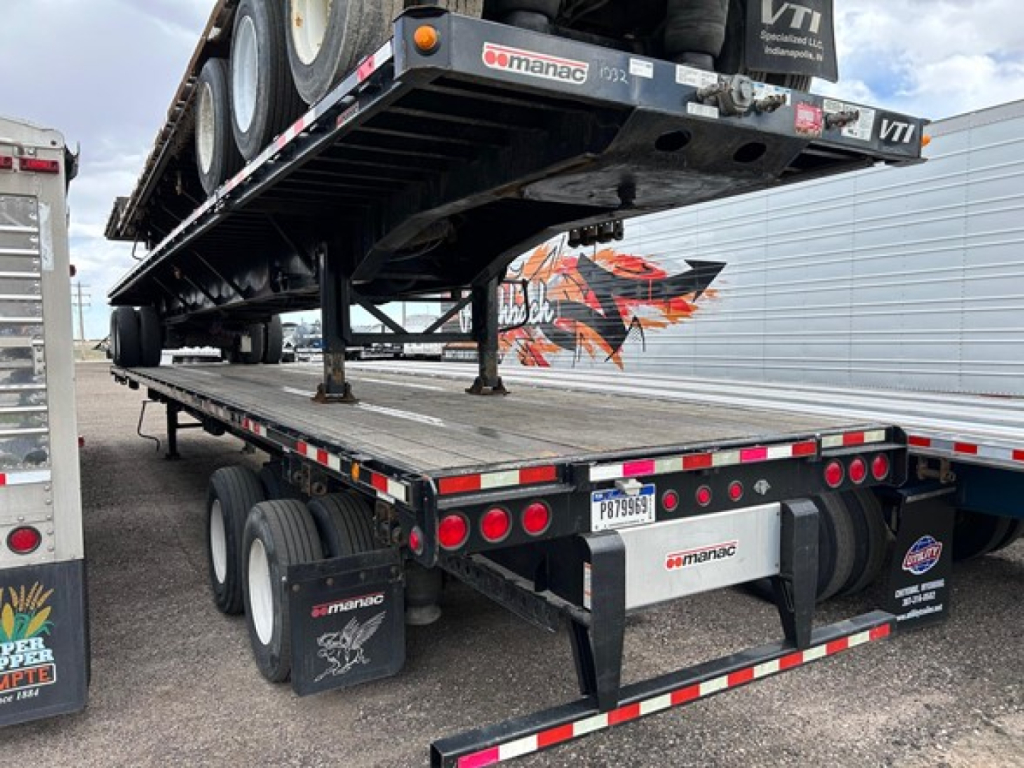
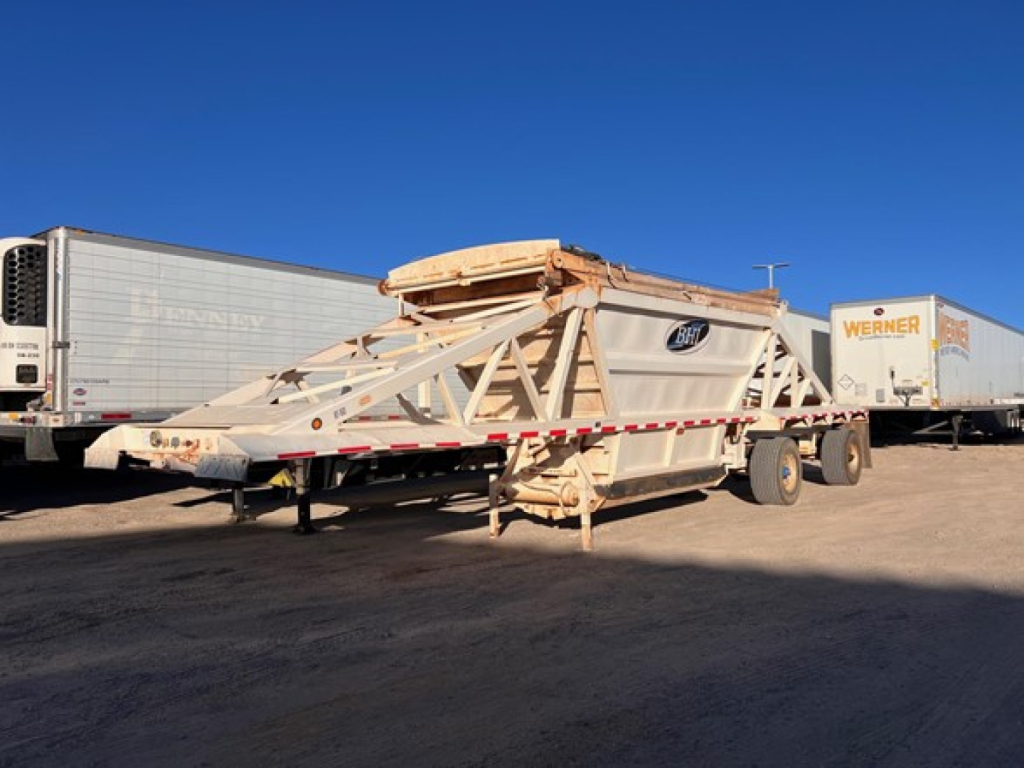
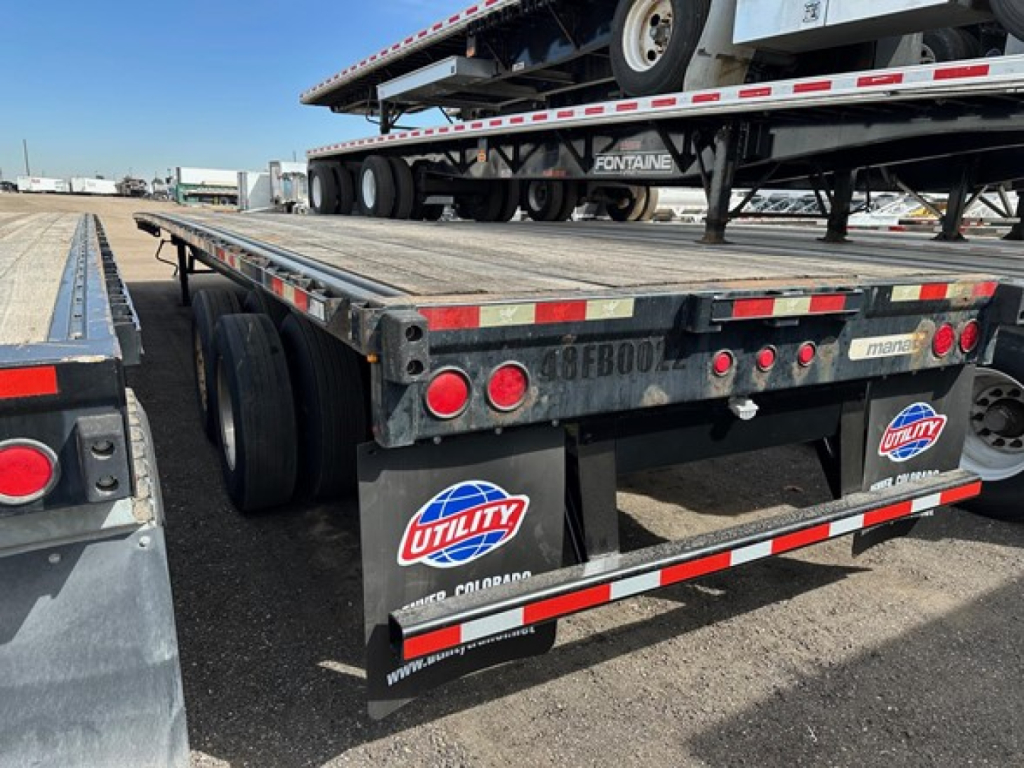
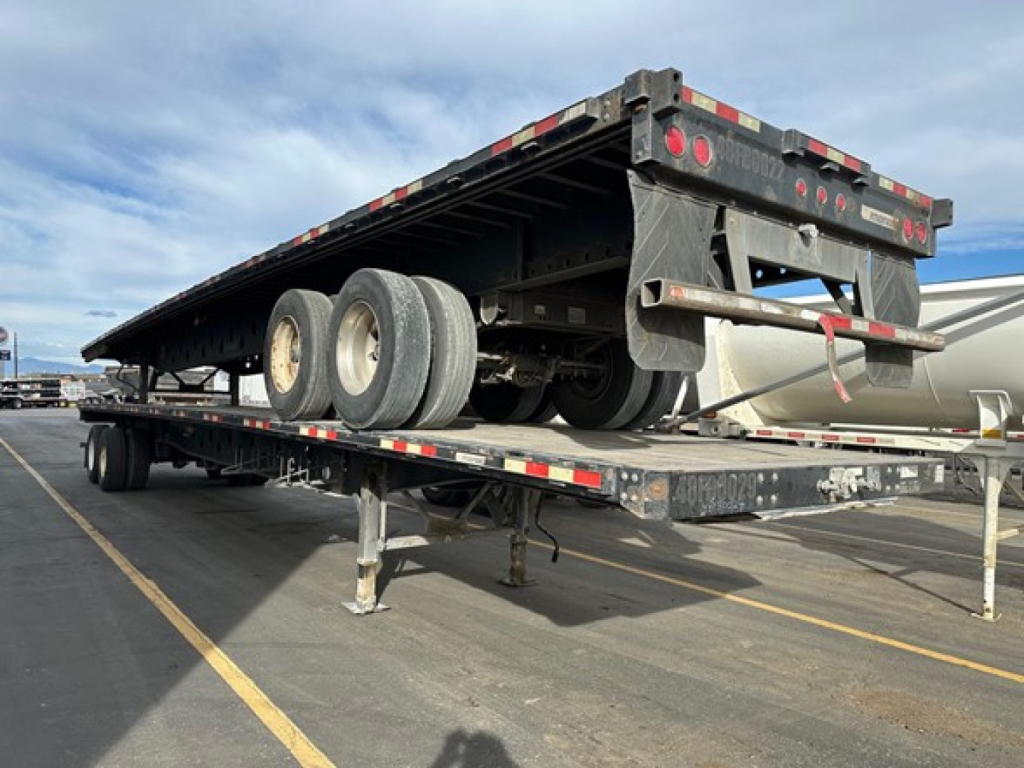
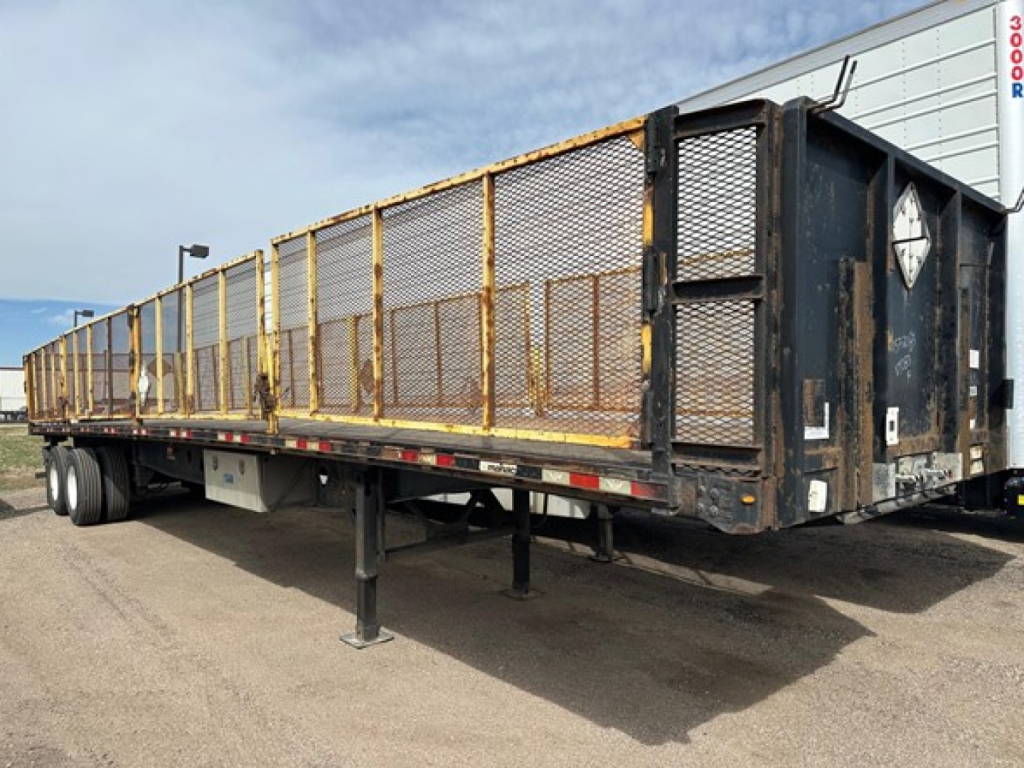
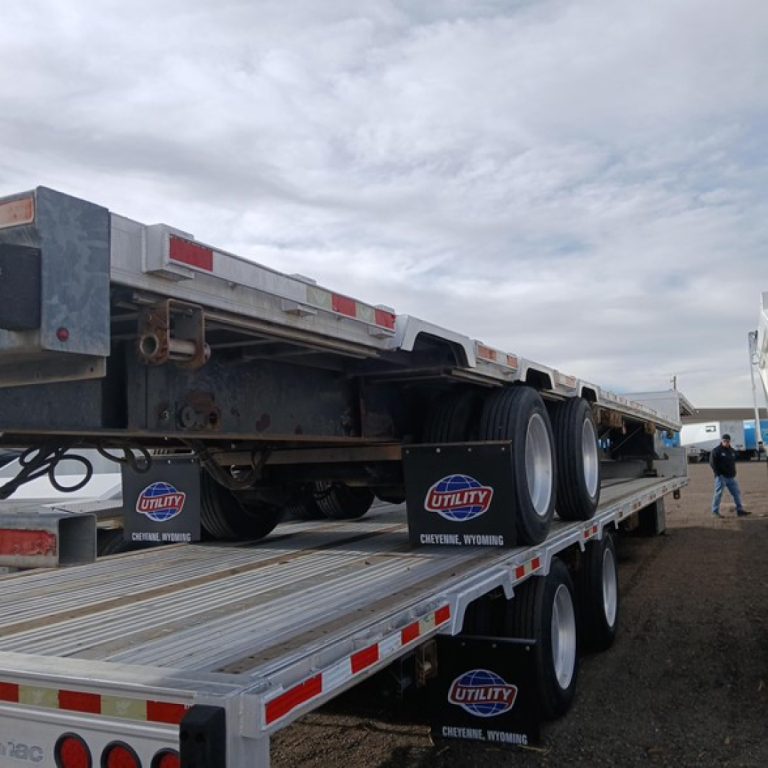
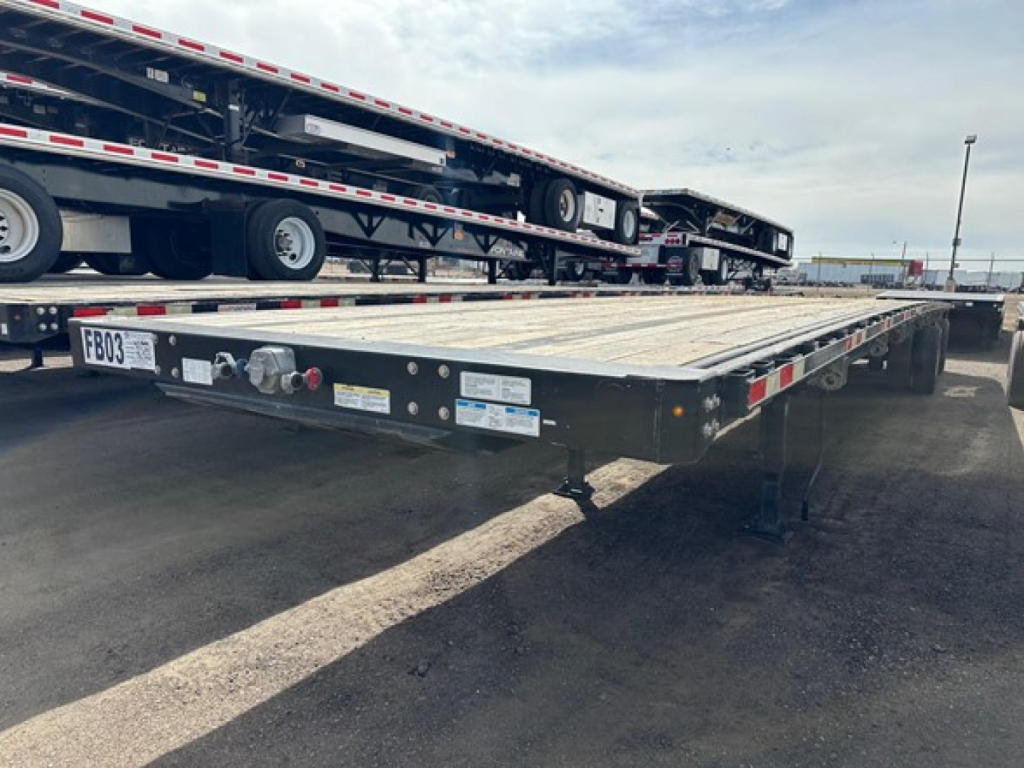
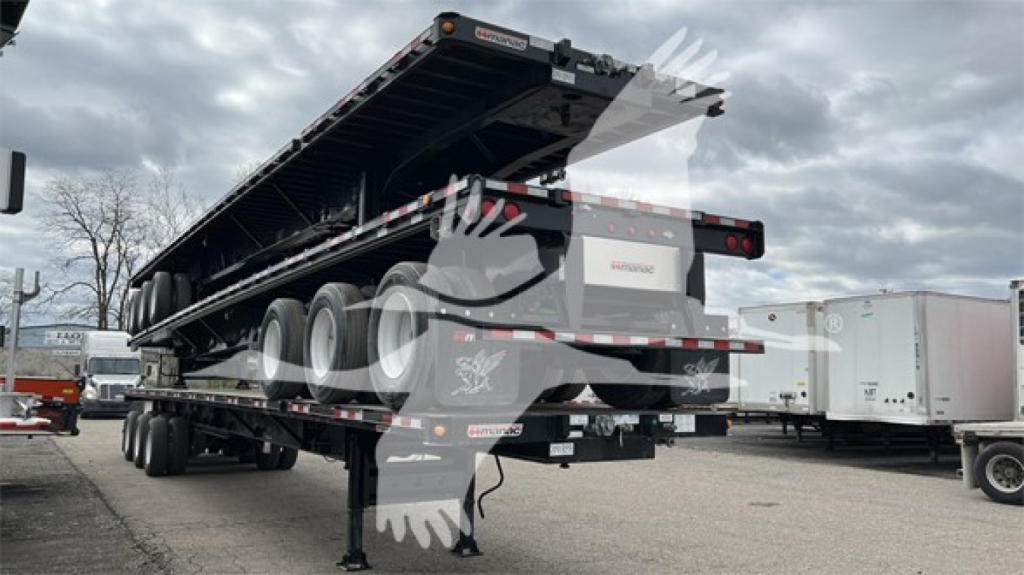
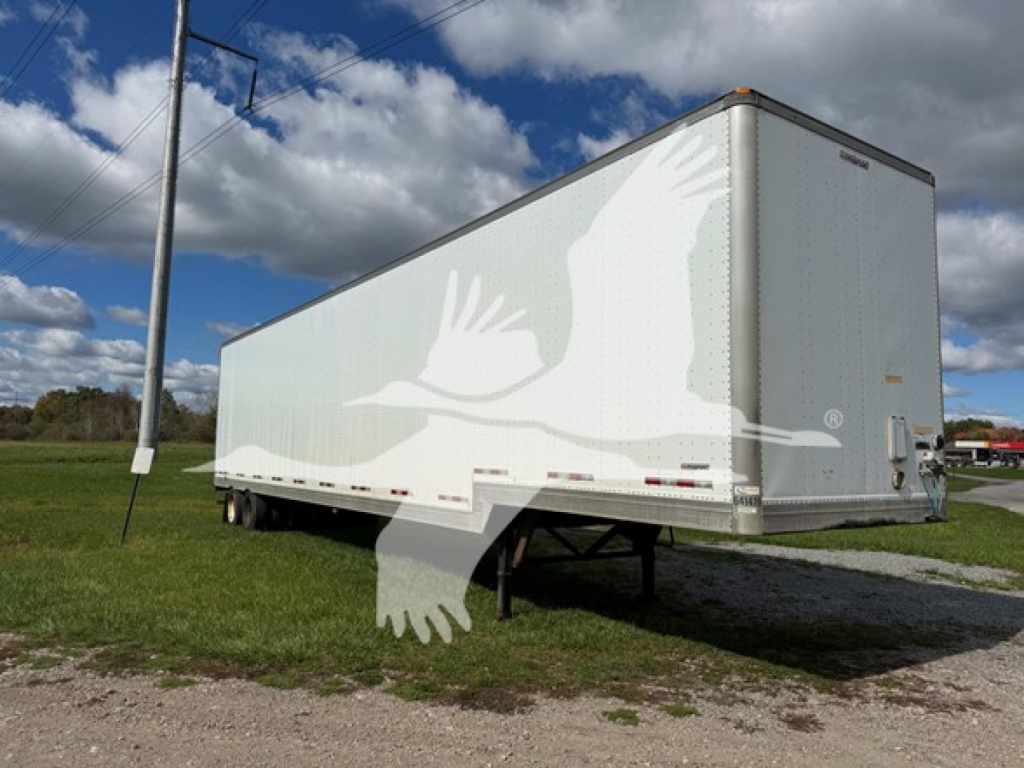
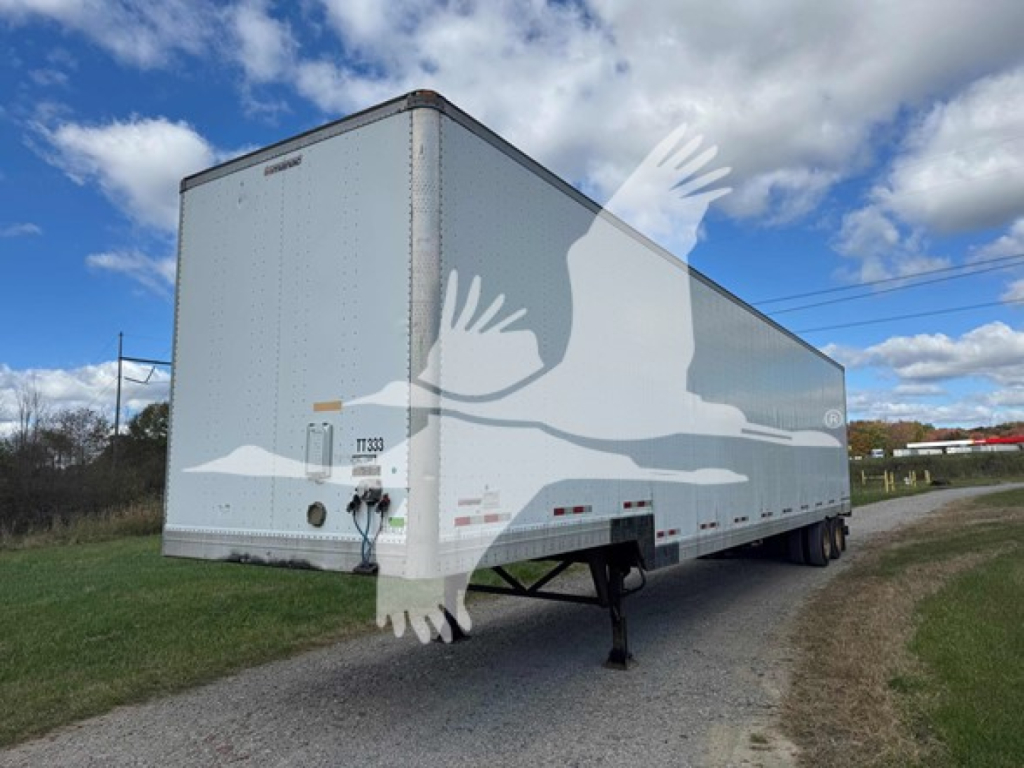
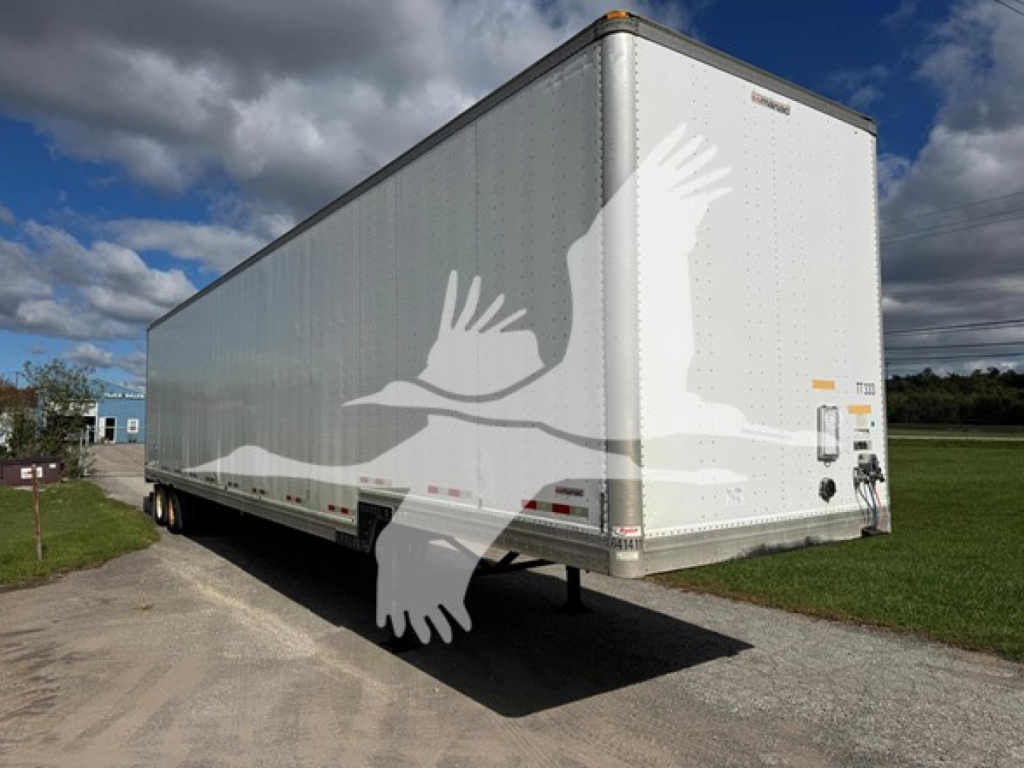
Showing 1 to 12 of 26 results
Have used manac trailer to sell? List it here to reach thousands of buyers.
About Used Manac Trailers
The biggest buying decision is usually trailer style and axle setup. A used Manac flatbed or extendable flatbed is typically chosen for long material, pipe, structural steel, and jobs that benefit from roadside winch tracks, sliding winches, and multiple extension lock positions. Step deck and drop deck models, also known as lowboys in some conversations though technically a different class, are more useful when deck height matters for taller freight. Tandem sliding axles are common for general freight flexibility, while spread axle and tridem configurations can improve weight distribution for heavier or more specialized loads. Buyers should pay attention to kingpin setting, suspension type, and whether the axle group slides, since those details affect bridge law compliance, maneuverability, and loading options.
Construction details matter on a used Manac trailer because they directly affect remaining service life. Many units are steel throughout, with 12-inch crossmember spacing, formed channel side rails, Holland landing gear, and air-ride or spring suspension from brands such as Hendrickson or Hutchens. Apitong flooring is especially desirable on platform trailers because it holds up well under concentrated loads and repeated forklift traffic. On extendable models, inspect the extension system, lock engagement points, cable or sliding mechanism condition, and frame alignment at full extension. On step decks and drops, look closely at deck wear, concentrated stress areas, suspension hangers, tire wear pattern, and evidence of prior frame or rail repairs. A clean used trailer with good tires, straight rails, solid floor condition, and functional lighting can save significant downtime after purchase.
Spec matching is what separates a useful used Manac trailer from one that creates constant operating compromises. Check loaded and empty weight, deck length in closed and extended position, winch package, pipe spool count, tire size, wheel type, and suspension setting before narrowing down options. Fleets hauling legal general freight may prioritize low tare weight and axle flexibility, while specialized operators may value tridem sliders, steel frames, and heavy-duty side rail design. Manac trailers have a reputation for being built for demanding vocational and open-deck service, so the right used unit often comes down to how well the prior configuration matches your lanes, commodity mix, and securement practices.
Frequently Asked Questions
What types of used Manac trailers are most common?
The most common used Manac trailers are flatbeds, step decks, drop decks, and extendable platform trailers. Flatbeds are used for general open-deck freight, while step decks handle taller freight that would exceed legal height on a standard deck. Extendable Manac trailers are popular in steel, pipe, and overlength applications because they can stretch to accommodate long loads while retaining platform versatility.
Are used Manac extendable trailers a good choice for heavy-duty hauling?
Used Manac extendable trailers are often a good choice for heavy-duty hauling if the extension system and frame structure are in sound condition. Many are built with steel construction, heavy crossmembers, Apitong flooring, and tandem or tridem axle configurations suited for concentrated loads. The key is to inspect extension locks, slide mechanism wear, frame straightness, and suspension condition, since those areas take the most stress in long-load service.
What should I inspect first on a used Manac trailer?
Start with the frame, side rails, floor condition, suspension, axles, brakes, and tires. On extendable models, inspect the extension rails, lock positions, cable or mechanical slide components, and alignment at both closed and extended lengths. On step decks and drop decks, pay close attention to the transition area, lower deck structure, and any signs of repair or cracking around high-stress points.
How do I choose between tandem, spread axle, and tridem Manac trailers?
The right axle configuration depends on payload, freight type, and the states or provinces where the trailer will run. Tandem sliders offer the most day-to-day flexibility and are common for legal general freight. Spread axle trailers can improve weight distribution and deck stability but may be less maneuverable in tight areas. Tridem setups are usually selected for heavier applications and can be useful where bridge law and permitted loading requirements justify the extra axle capacity.
Why is Apitong flooring important on used Manac flatbed and step deck trailers?
Apitong is valued because it is dense, durable, and resistant to wear under heavy freight and repeated loading. On a used Manac trailer, an Apitong floor can be a sign that the trailer was built for serious platform work rather than light-duty service. Buyers should still inspect for rot, broken boards, fastener pull-through, and localized damage from chains, forklifts, or concentrated machinery loads.