
Used Manac Flatbed Trailers For Sale
Shop used Manac flatbed trailers including fixed and extendable models with durable steel construction, wood decking, slider setups, and load-ready specs.
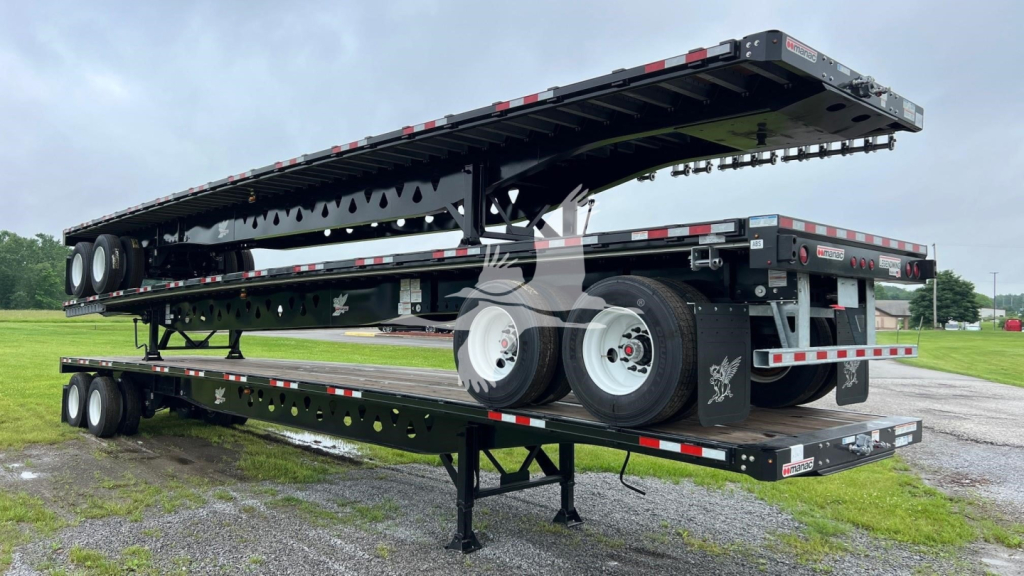
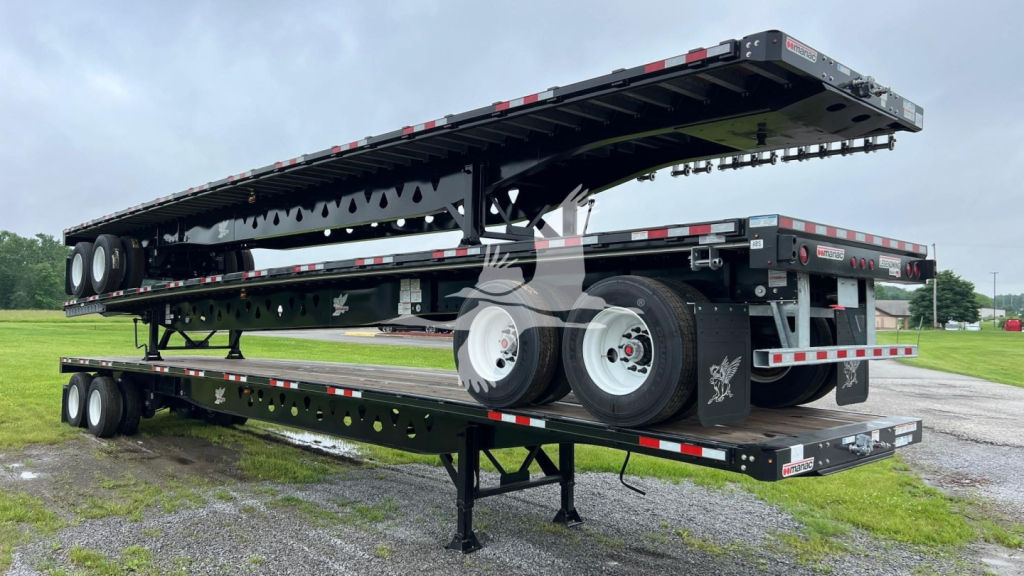
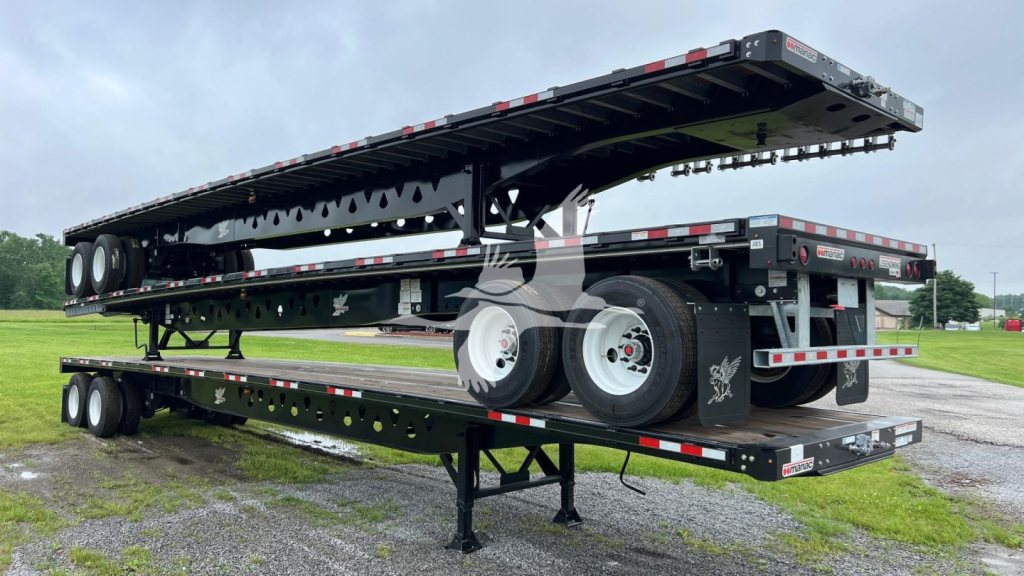
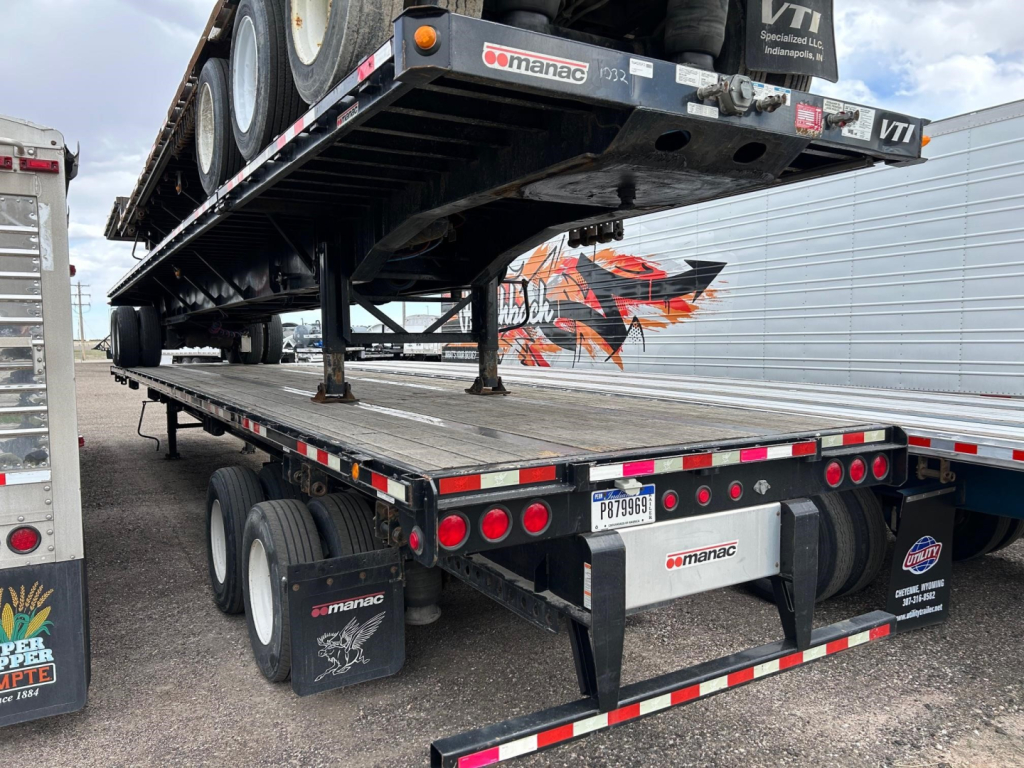
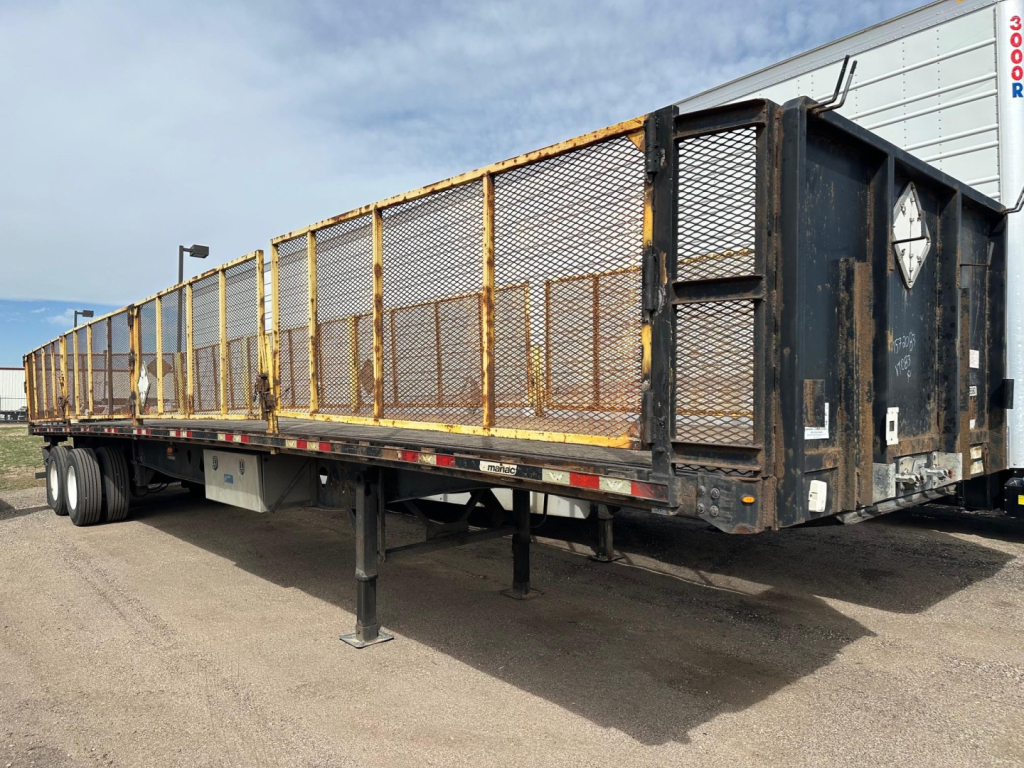
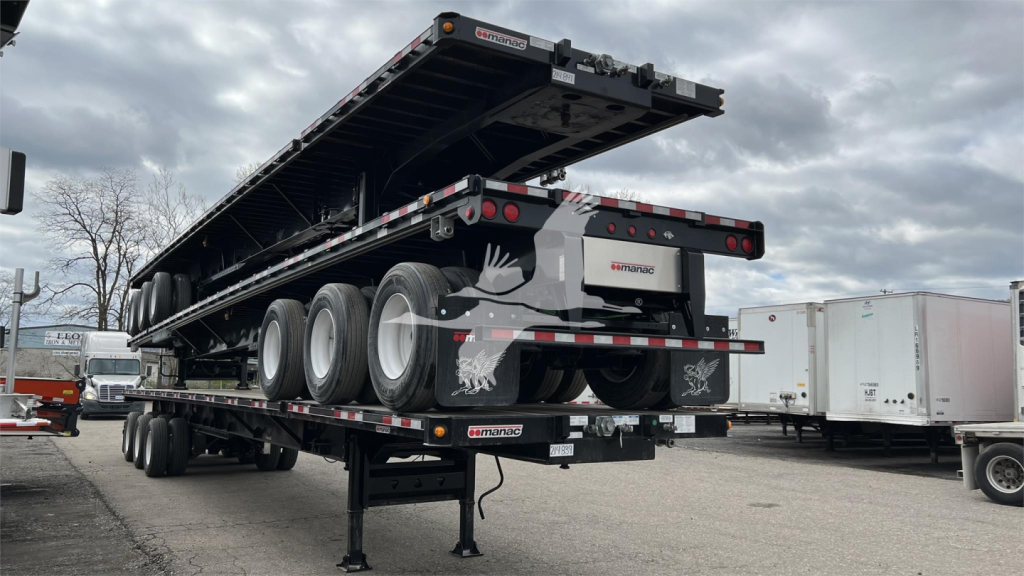
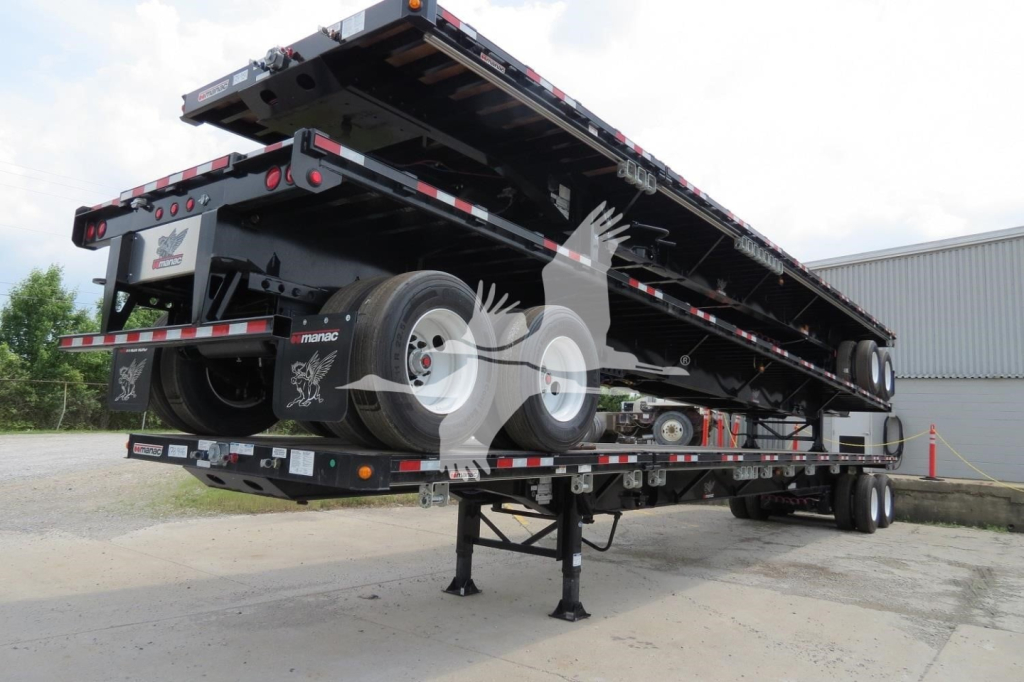
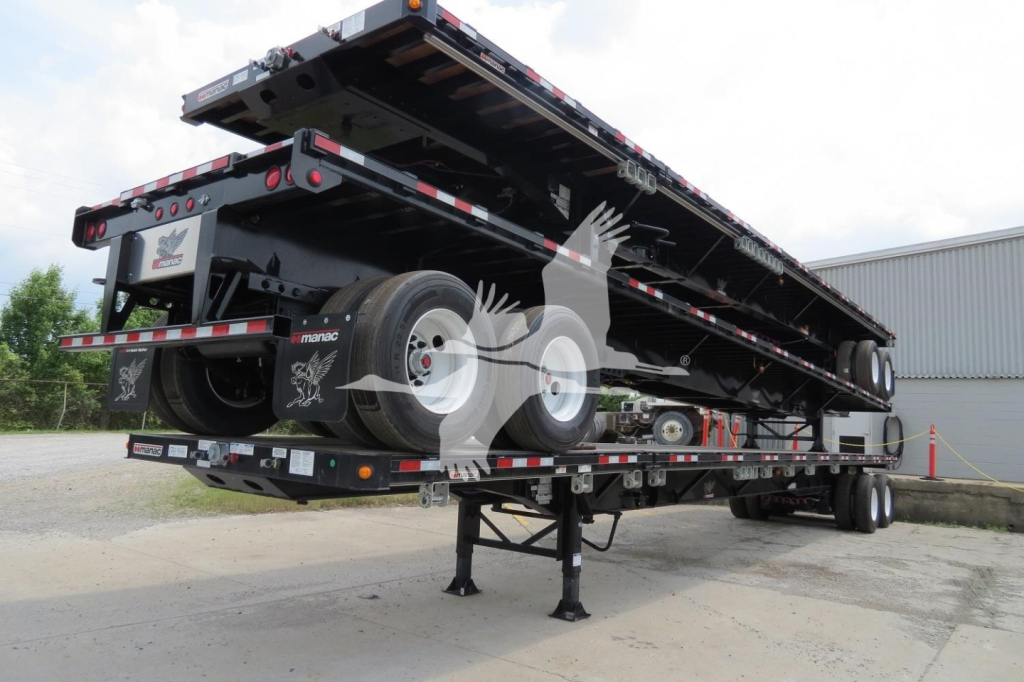
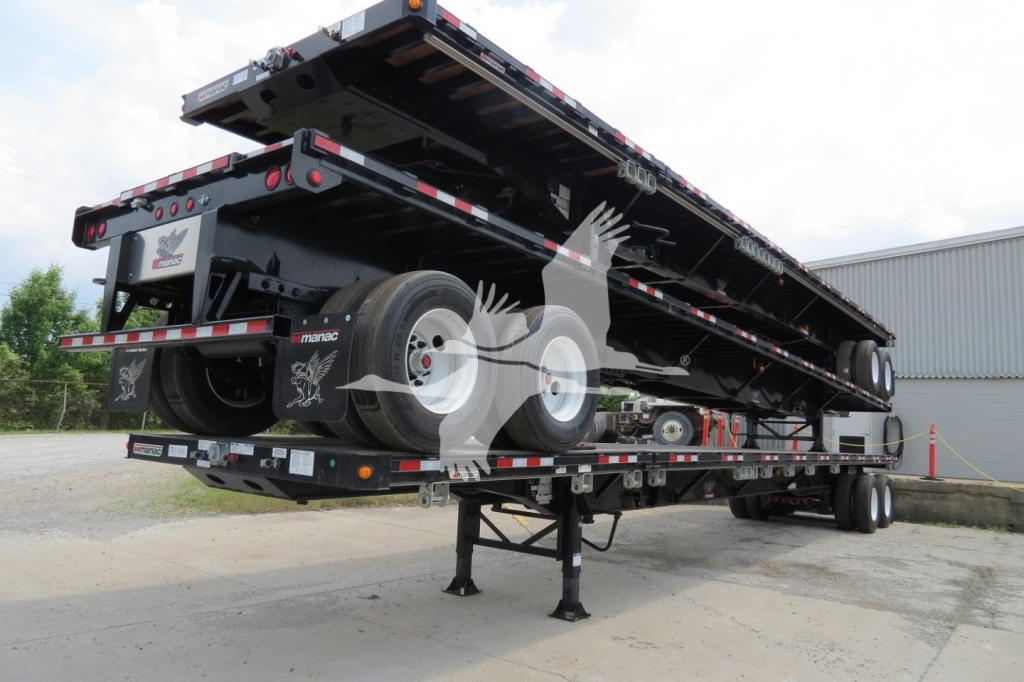
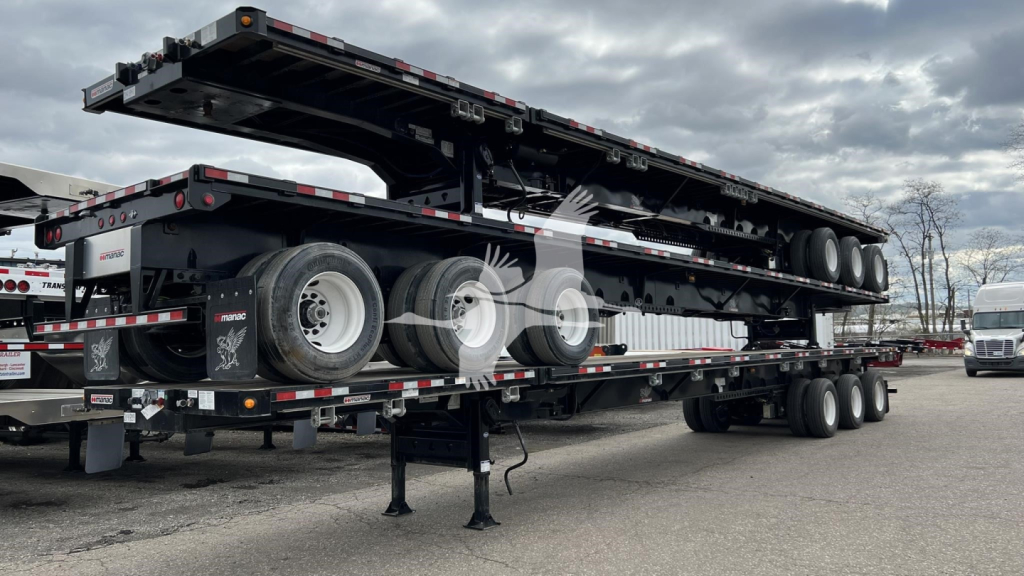
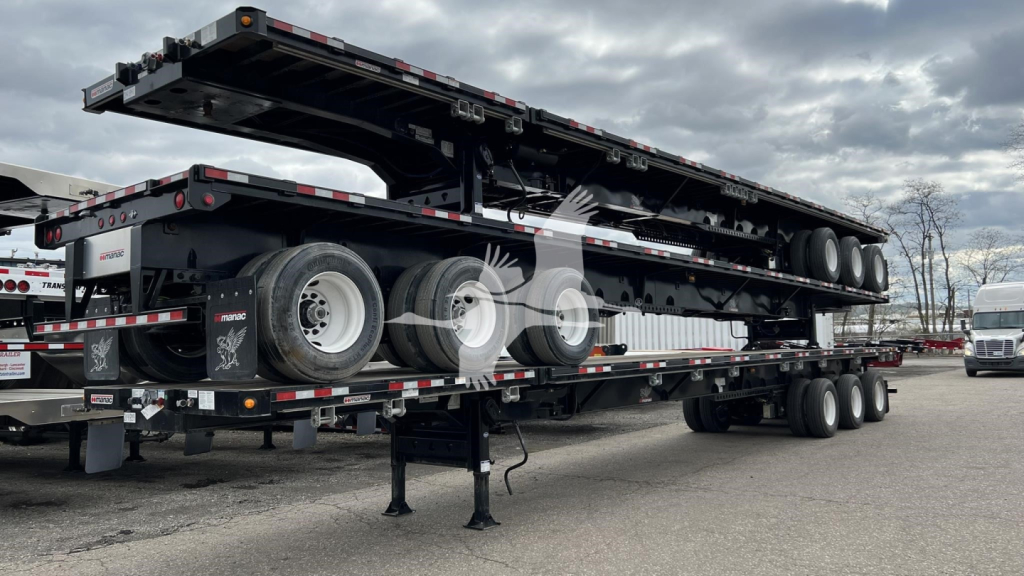
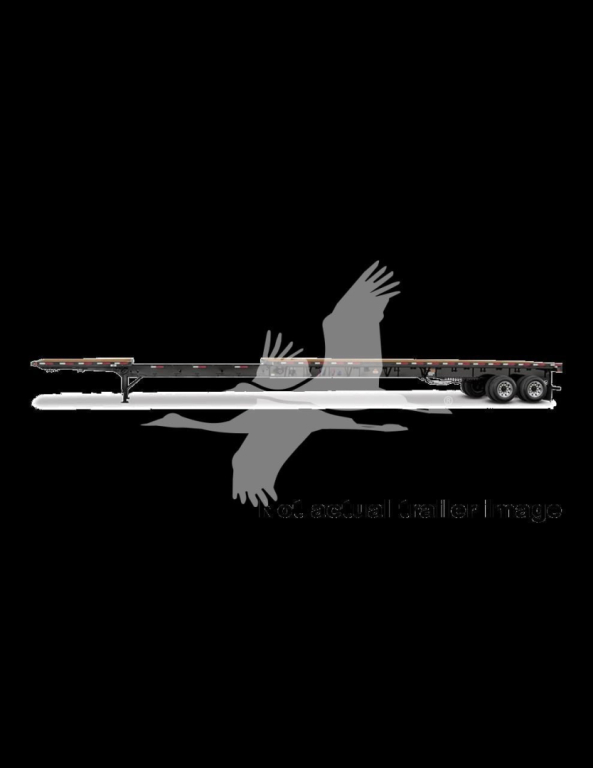
Selling a used manac flatbed trailer? List your used manac flatbed trailer for sale and reach thousands of commercial buyers.
Used Manac Flatbed Trailers
A key buying decision is fixed deck versus extendable. A standard 48-foot Manac flatbed is usually the simpler, lighter, and lower-maintenance choice for general commodity hauling. An extendable Manac trailer adds flexibility for beams, poles, long machinery, and other freight that cannot fit a conventional deck length. Pay attention to closed tandem, sliding tandem, spread axle, or tridem layouts because axle configuration affects bridge compliance, maneuverability, tire wear, and the type of freight the trailer can legally carry. Kingpin setting, suspension setting, and overall retracted and extended lengths also matter if the trailer will run in multiple states or on specialized hauling permits.
On used units, deck and running gear condition tell the real story. Look closely at the Apitong or wood floor for rot, loose boards, and fastener pull-through, especially near the rear, over the suspension, and around concentrated load zones. Inspect side rails, stake pockets, winch tracks, pipe spools, and crossmembers for twists, elongation, cracked welds, or signs of frequent overloading. Suspension choice is another major factor. Spring ride setups are common, simple, and cost-effective, while air ride can offer a better match for higher-value freight or operations that want improved ride quality. Check slider function, axle alignment, tire wear pattern, landing gear condition, lighting, and brake components before comparing one trailer to another on price alone.
Many used Manac flatbed trailers are spec'd with practical load securement features such as roadside winch tracks, sliding winches, stake pockets, chain tie-down points, and pipe spool arrangements. Those details matter because they affect loading speed and how easily the trailer adapts to mixed freight. Buyers hauling coils, steel products, lumber, palletized material, or equipment should verify deck rating, concentrated load capability, and the condition of the main beams and rear frame. If the trailer is an extendable model, inspect extension locks, wear surfaces, cable or slide mechanisms, and wiring protection across the telescoping section. A well-maintained used Manac flatbed can be a very solid choice for fleets and owner-operators who want a straightforward trailer with strong resale appeal and specs built around real-world freight demands.
Frequently Asked Questions about Used Manac Flatbed Trailers
What should I check first on a used Manac flatbed trailer?
Start with the frame, main beams, crossmembers, and deck. Those components reveal how the trailer was loaded and whether it was consistently run near or beyond its intended capacity. After that, inspect the suspension, axle alignment, brakes, tires, landing gear, and all load securement points including stake pockets, winch tracks, and pipe spools. On an extendable trailer, extension locks and the sliding mechanism deserve the same level of attention as the frame itself.
Are Manac extendable flatbeds a good choice for general freight?
They can be, but they are usually best suited for operations that regularly haul long or specialized loads. An extendable flatbed gives you more versatility for beams, trusses, poles, and oversized freight, but it also adds weight, complexity, and more inspection points than a standard fixed-length flatbed. If most loads are standard legal freight, a conventional 48-foot flatbed is often the more efficient choice.
What axle setup is best on a used Manac flatbed trailer?
The right setup depends on freight mix, route structure, and local bridge rules. A sliding tandem is common for general over-the-road use because it offers flexibility in weight distribution. Spread axle and tridem configurations can improve load carrying and permit options for certain applications, but they may reduce maneuverability and increase tire scrub in tight operating environments. Matching axle layout to your freight and geography is more important than picking the heaviest-looking spec.
Is spring ride or air ride better on a used flatbed trailer?
Spring ride is simpler, durable, and often less expensive to maintain, which makes it popular on working flatbeds hauling steel, lumber, and construction materials. Air ride can provide better ride quality and may be preferred for freight that is more sensitive to shock and vibration. On a used trailer, condition matters as much as suspension type, so inspect bushings, hangers, air bags, shocks, equalizers, and evidence of uneven wear before making that call.
Do wood deck condition and securement features really affect trailer value?
Yes. A flatbed earns its keep through deck usability and securement flexibility, so buyers pay attention to floor condition, stake pockets, chain slots, winch tracks, sliding winches, and pipe spool layouts. A trailer with a solid Apitong or wood floor, straight rails, and clean securement hardware is easier to put to work immediately and usually carries stronger resale value than a cheaper unit that needs deck work or structural repairs.