
Used Manac Trailers For Sale in Colorado
Shop used Manac trailers for sale in Colorado, including flatbed and drop deck models with specs, axle setups, deck materials, and hauling insights.
Learn more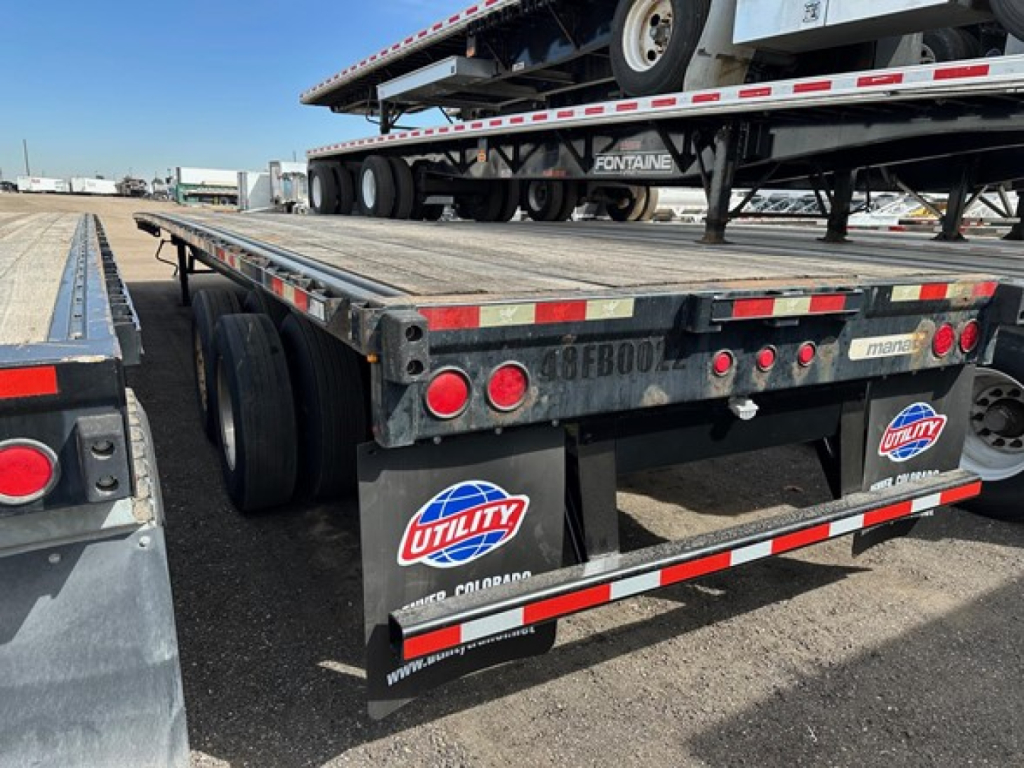
Have used manac trailer to sell? List it here to reach thousands of buyers.
About Used Manac Trailers in Colorado
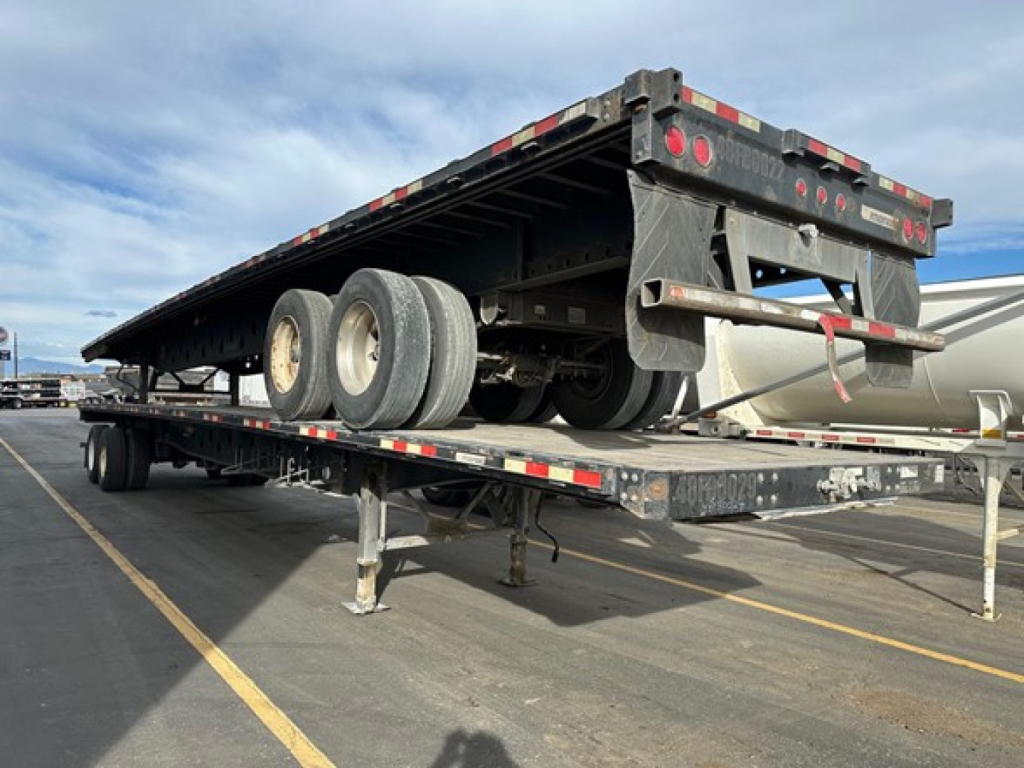
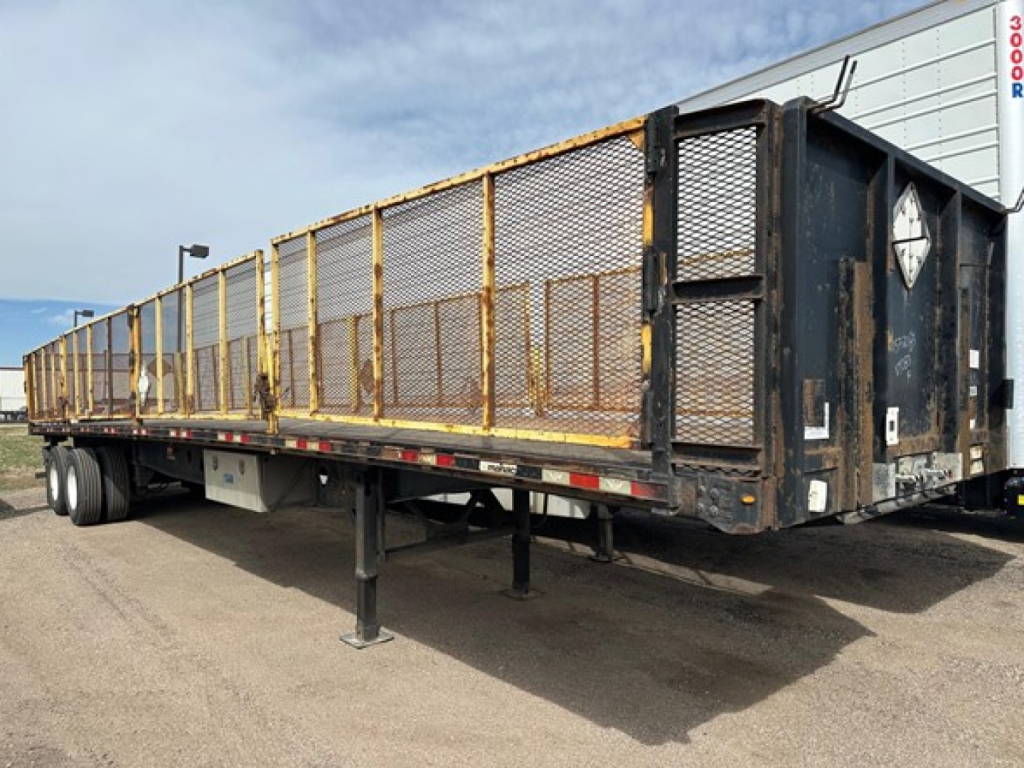
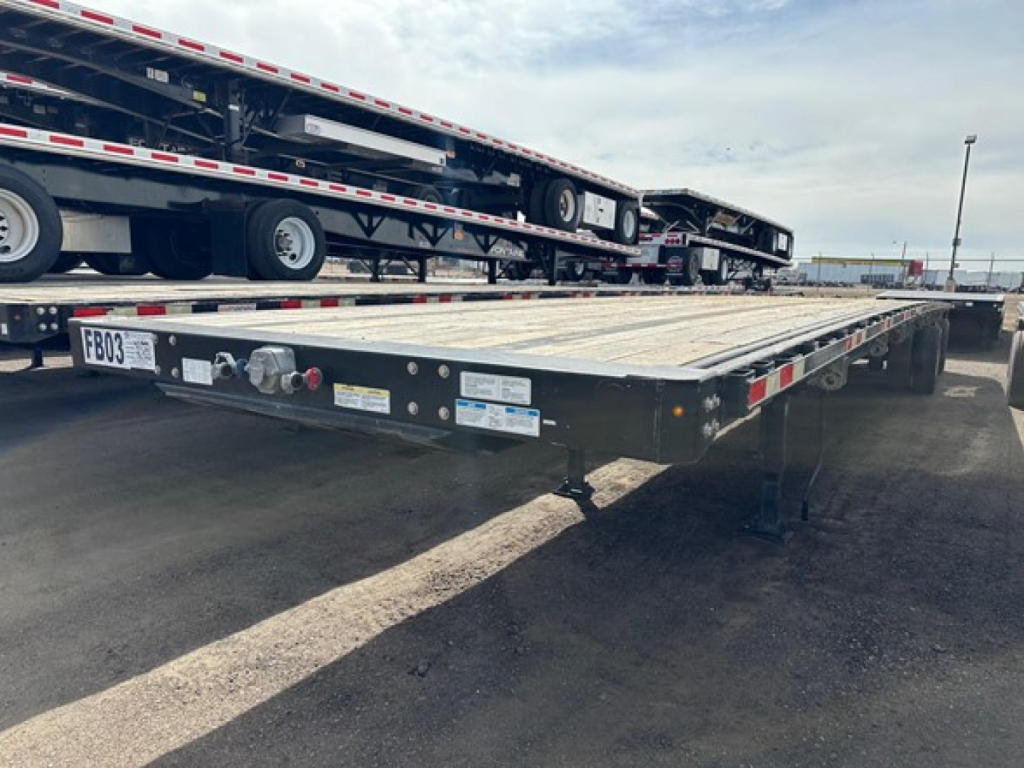
For flatbed buyers, the main decisions usually come down to steel versus combo construction and closed tandem versus spread axle. A steel flatbed typically offers a rugged platform and can be a good choice for hard use, concentrated loads, and operations that value repair simplicity. Combo trailers, with steel main beams and aluminum components, can help reduce empty weight and improve payload flexibility. Common features on used Manac flatbeds include stake pockets, sliding winches, pipe spools, toolboxes, forklift kits, and air ride or spring ride suspension. Air ride is generally preferred for more fragile freight and better ride quality, while spring ride can still make sense for operators focused on lower complexity and cost control.
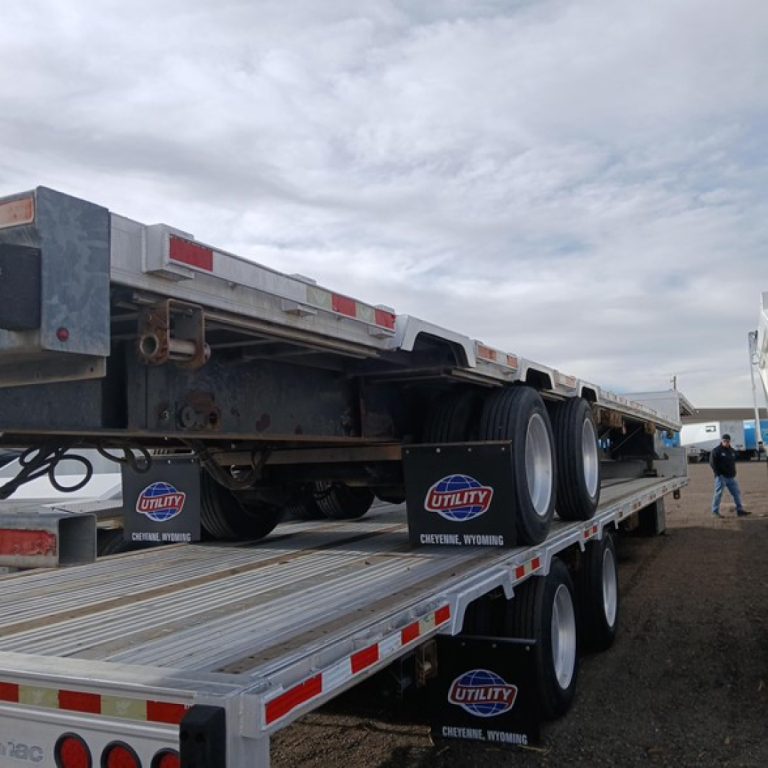
If you are comparing used Manac drop deck trailers, deck height, loaded legal length, and axle slide arrangement matter as much as overall condition. A 53-foot drop deck can open up freight options that a standard flatbed cannot handle, especially taller machinery, crated freight, and construction materials. Buyers should look closely at upper deck length, lower deck length, loaded deck height, crossmember condition, nail strips, winch track wear, and the condition of the rear slide or fixed suspension setup. In western states, California-legal and other regional axle configurations can also affect where and how the trailer can be dispatched, so it is worth matching the trailer layout to the lanes you actually run.
On any used Manac trailer, inspect the frame rails, crossmembers, landing gear, suspension hangers, slider operation, brake components, and tire wear pattern before focusing on accessories. Check deck condition for rot, delamination, cracked welds, or impact damage around the rear, axle area, and concentrated load zones. Also confirm wheel material, low-profile 22.5 tire setup if equipped, and the presence of practical freight securement features such as winches, chain ties, rub rail integrity, and ICC bumper condition. A well-spec'd used Manac trailer can be a productive freight platform for steel, building products, equipment, palletized freight, and jobsite deliveries, especially when the axle and deck configuration match your daily freight mix.
Frequently Asked Questions
What types of used Manac trailers are most common on the market?
Used Manac trailers commonly show up as flatbeds, drop decks, and other open-deck configurations built for general freight and specialized hauling. Flatbeds are often found in 48-foot lengths with steel or combo construction, while drop decks are frequently 53-foot models designed for taller freight. Many used units also include practical freight equipment such as sliding winches, stake pockets, pipe spools, and air ride suspension.
Is a steel Manac flatbed better than a combo Manac trailer?
A steel Manac flatbed is generally better for buyers who prioritize durability, repair simplicity, and resistance to hard daily use. A combo trailer is usually better for operations that want to reduce tare weight and preserve payload capacity without giving up steel strength in the main beams. The better choice depends on your freight profile, typical loading method, maintenance approach, and how important weight savings are in your lanes.
What should I inspect first on a used Manac trailer?
Start with the structural items that affect safety, uptime, and long-term repair cost. That includes the main beams, crossmembers, suspension mounts, axle alignment, brakes, tires, landing gear, and slider function if the trailer has a sliding tandem or sliding rear axle. After that, inspect the deck surface, rub rails, stake pockets, winch track, and securement points because those areas show how the trailer was actually worked.
Are spread axle or closed tandem Manac flatbeds better for Colorado hauling?
A spread axle Manac flatbed can offer stability and may fit certain load distributions better, but it can also add tire scrub in tighter yards and urban turns. A closed tandem setup is often easier to maneuver and can be a more flexible choice for mixed regional work. The right setup depends on your freight, route density, axle weight management, and whether you need a slider for bridge law and load positioning.
Why does suspension type matter on a used Manac trailer?
Suspension type affects ride quality, cargo protection, maintenance needs, and resale appeal. Air ride is usually preferred for sensitive freight, better ride characteristics, and broader shipper acceptance in open-deck work. Spring ride can still be a sound choice for tougher applications where simplicity and lower initial cost matter more than ride refinement.