
Trail-Eze Lowboy Trailers For Sale
No exact matches found for your search
Showing Lowboy Trailers instead.
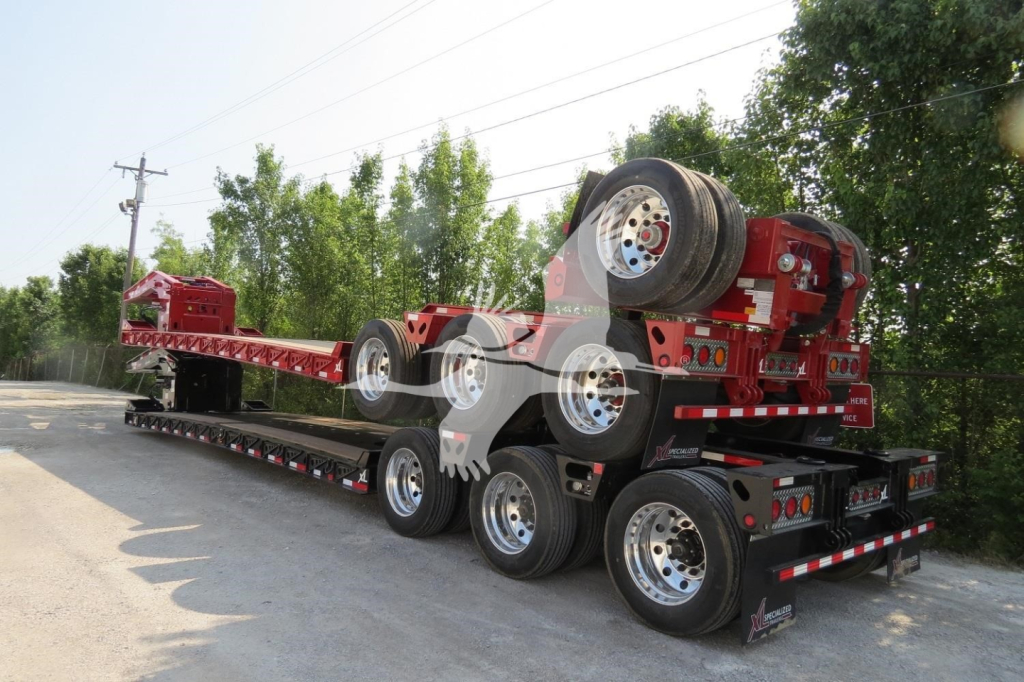
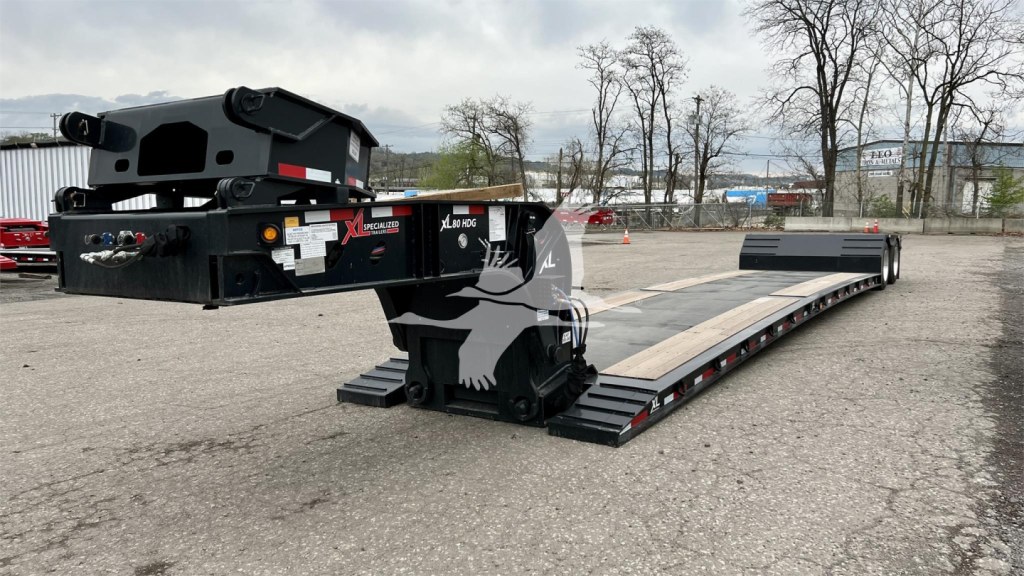
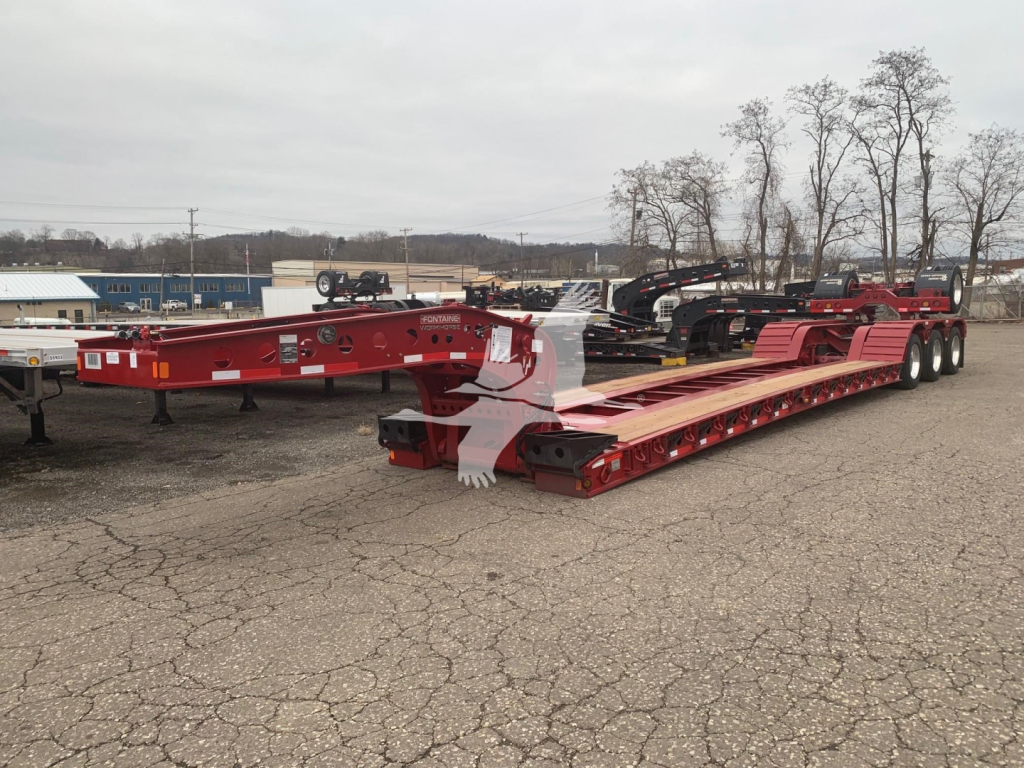
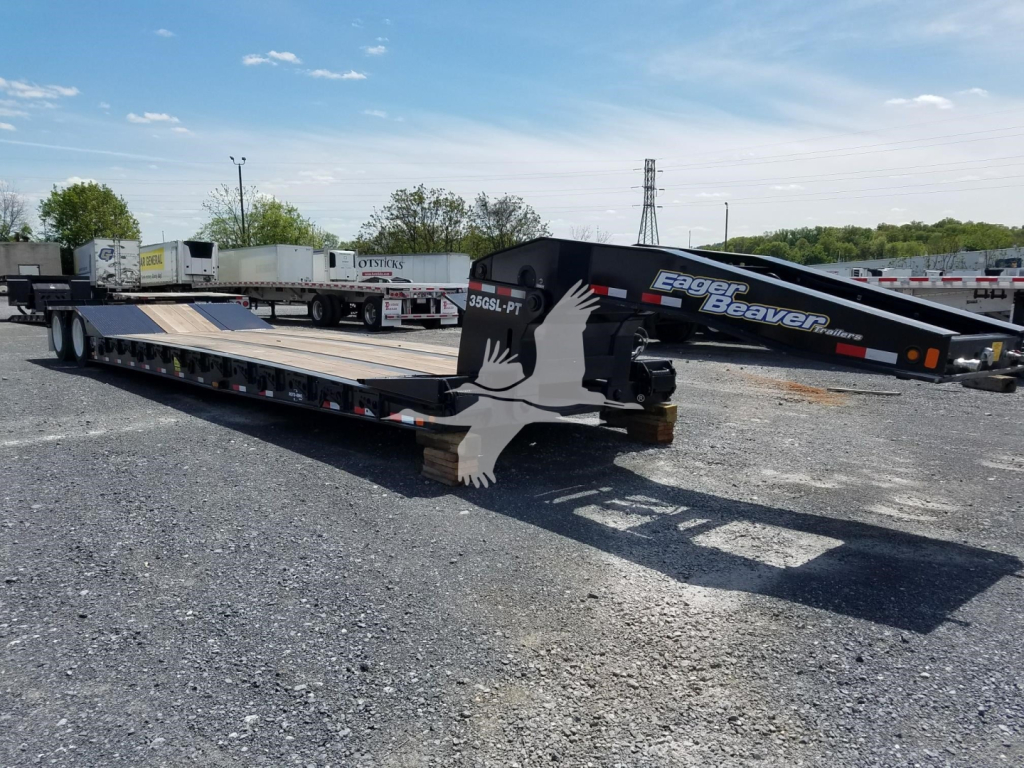
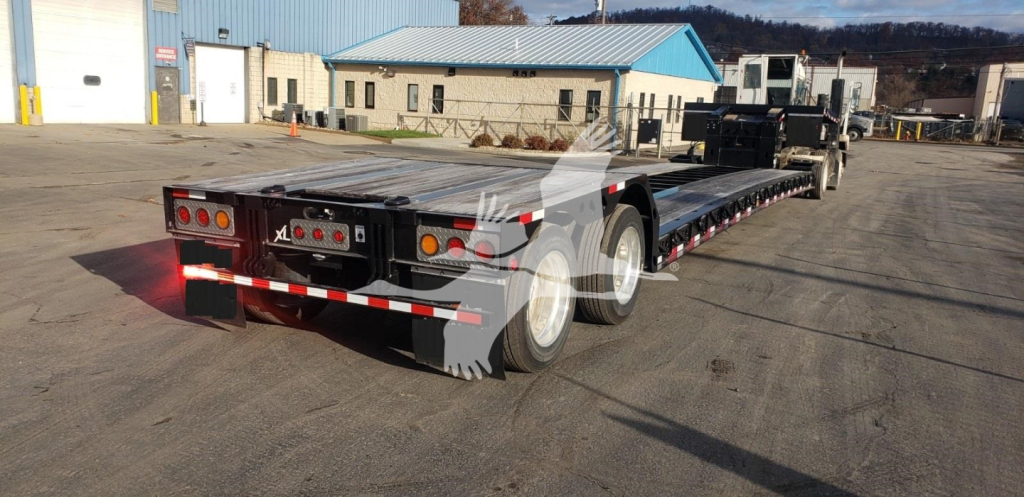
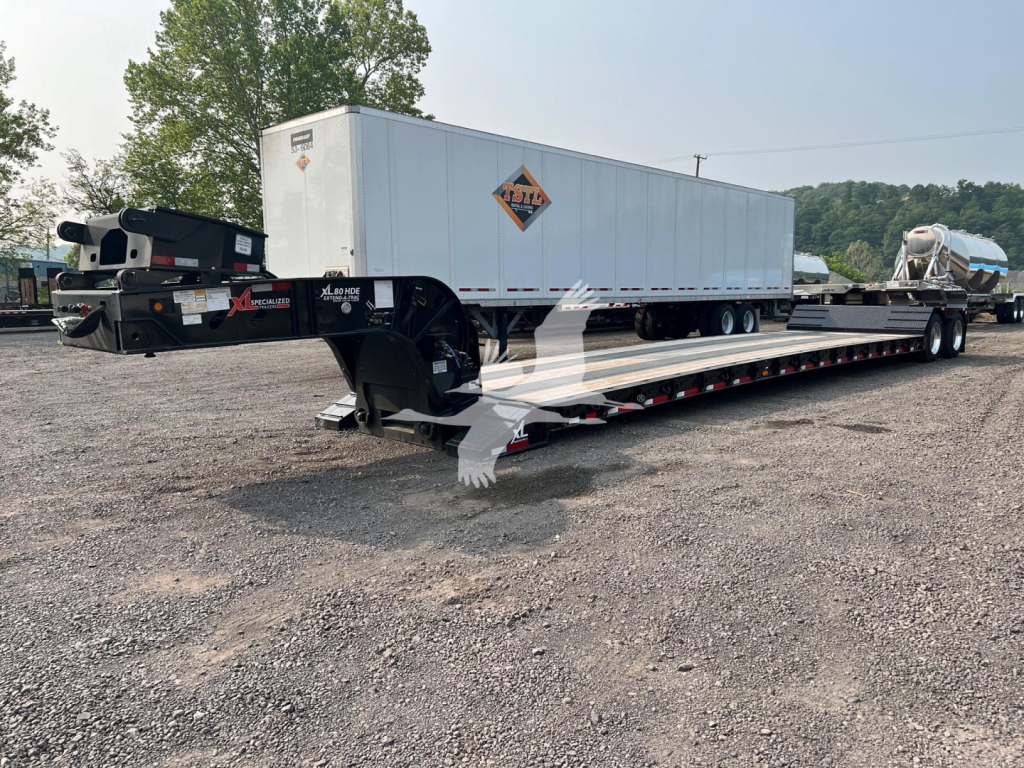
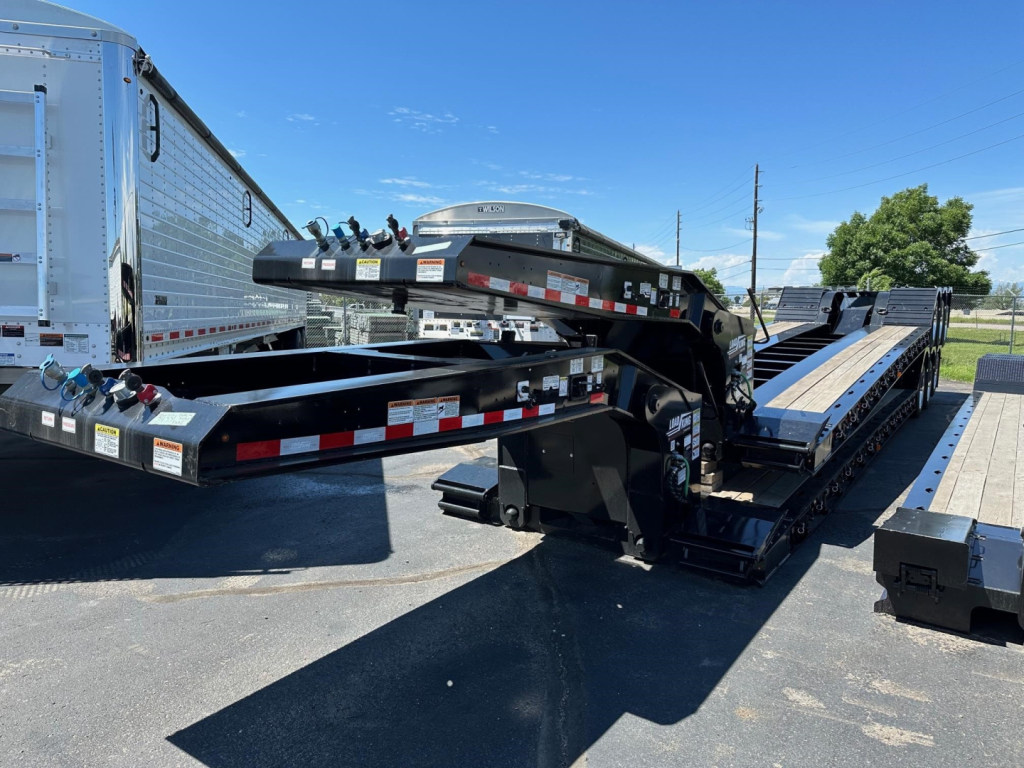
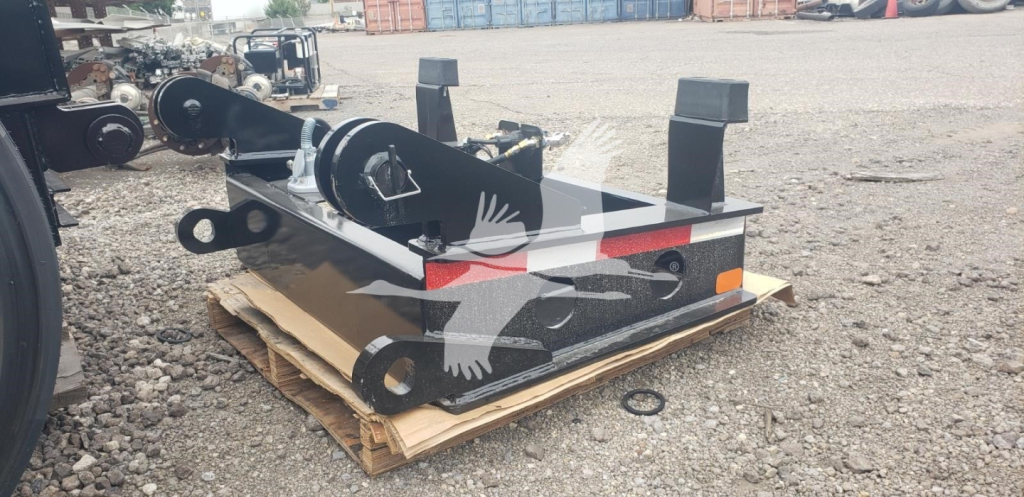
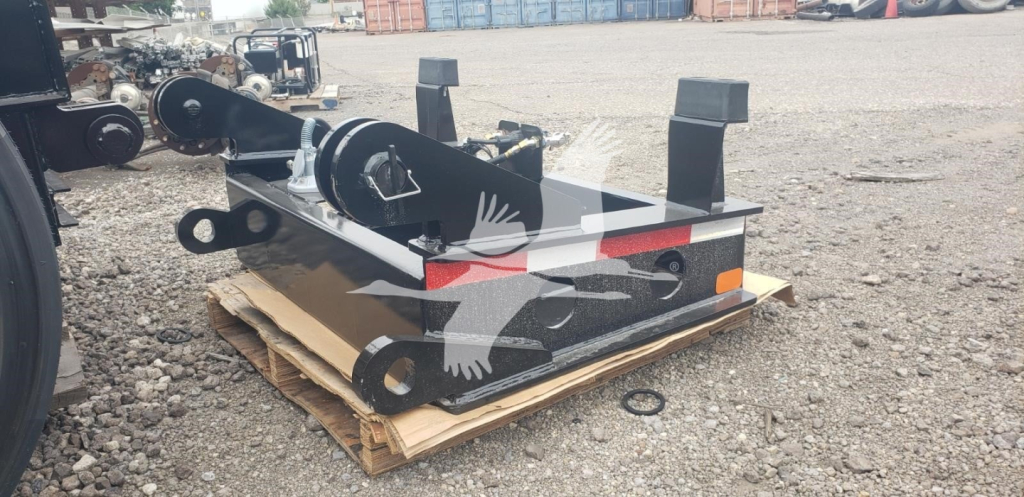
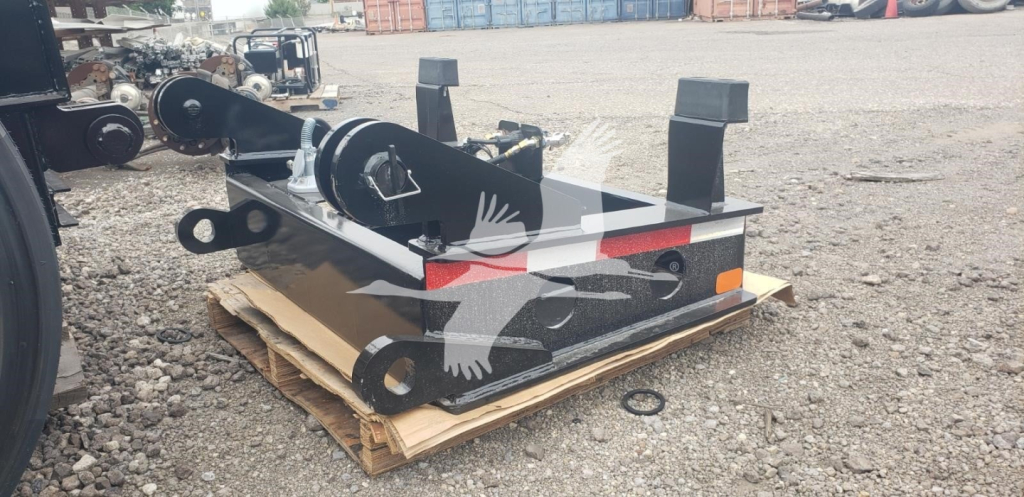
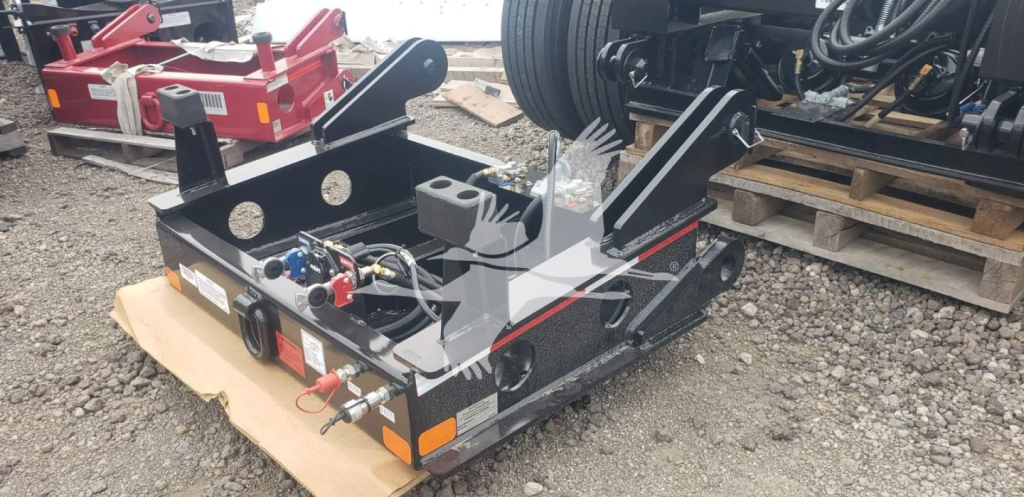
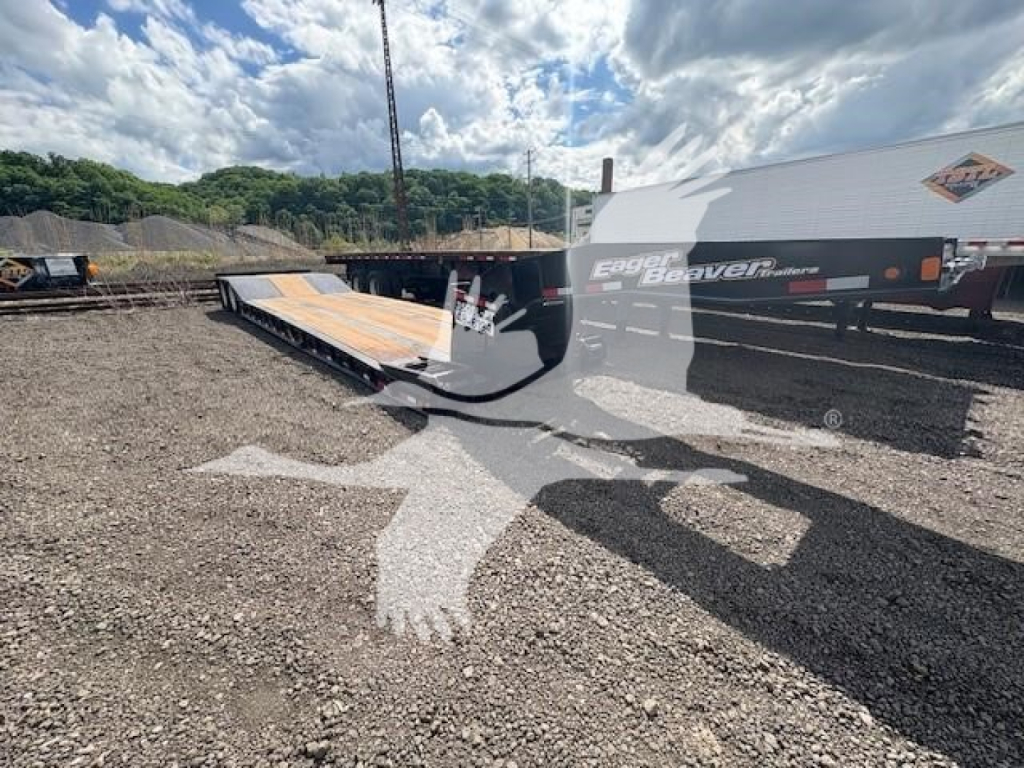
Showing 133 to 144 of 160 results
Have trail-eze lowboy trailer to sell? List it here to reach thousands of buyers.
Trail-Eze Lowboy Trailers
In this category, you will commonly see tandem, tri-axle, and heavier multi-axle configurations designed to spread weight and meet bridge law requirements. Trail-Eze is well known for practical heavy-haul designs that prioritize loading ease and structural durability. Common specs include hydraulic detachable goosenecks, mechanical detachable necks on some models, beam or pan-style decks, apitong wood flooring, outriggers, chain slots, D-rings, and multiple tie-down points. Deck lengths and well lengths vary by application, and so does axle equipment, with air ride or spring suspension, drum or disc brakes, lift axles, and 22.5-inch or 17.5-inch wheel packages showing up depending on capacity and intended service.
A buyer comparing Trail-Eze lowboy trailers should pay close attention to the type of freight the trailer will carry most often. Excavators, dozers, wheel loaders, rollers, and crushers all load differently and place weight in different zones of the deck. That makes loaded deck length, rear bridge, axle spacing, and concentrated load rating more important than headline gross capacity alone. Ramp style matters too. A detachable gooseneck can speed loading for tracked equipment and reduce approach angle issues, while fixed-neck lowboys with rear ramps may better suit fleets that want lower acquisition cost and simpler operation. Ground clearance, loaded ride height, neck swing clearance, and the condition of hydraulic systems are also key points on used heavy-haul trailers.
For long-term value, buyers tend to look at frame condition, neck connection wear, suspension bushing life, brake condition, tire match, and any evidence of deck repairs or stress around crossmembers and main beams. On a Trail-Eze, serviceability and parts support are part of the appeal, especially for fleets running regional construction or equipment rental routes where uptime matters. If the trailer will cross multiple states, it also helps to match the axle count and deck configuration to expected permit work, legal load targets, and the dimensions of your most common machines. The right lowboy trailer is not just about maximum tonnage. It is about carrying your equipment safely, keeping loading time down, and staying productive on real jobsite and highway conditions.
Frequently Asked Questions about Trail-Eze Lowboy Trailers
What is a Trail-Eze lowboy trailer best used for?
A Trail-Eze lowboy trailer is best used for hauling heavy equipment with high operating weight or tall transport height, including excavators, dozers, loaders, pavers, rollers, and similar machinery. The low deck height helps keep overall loaded height down, which is critical when moving machines under bridges, utility lines, and state height limits. Many Trail-Eze models are designed for frequent loading and unloading in construction, paving, rental, and municipal service.
What should I check first on a used Trail-Eze lowboy?
Start with the frame, main beams, crossmembers, and neck area, because those are the highest-stress parts of the trailer. Look closely for cracks, weld repairs, elongation at connection points, deck damage, and uneven tire wear that may indicate alignment or suspension issues. On detachable gooseneck models, inspect hydraulic cylinders, hoses, locking mechanisms, and the neck mating surfaces, since wear in those areas can affect loading safety and everyday reliability.
How do I choose between a fixed-neck lowboy and a detachable gooseneck Trail-Eze?
A detachable gooseneck model is usually the better fit for tracked equipment or fleets that load heavy machines often, because the front of the trailer can be removed and the machine can be driven directly onto the deck. That reduces loading angle and can make the process faster and safer. A fixed-neck lowboy may cost less and can work well for operations that haul similar equipment consistently and load from the rear with ramps.
What axle setup is common on Trail-Eze lowboy trailers?
Common Trail-Eze lowboy configurations include tandem and tri-axle setups, with heavier models adding more axles or lift axles to manage concentrated loads and permit requirements. The right setup depends on the weight of the equipment, bridge law considerations, and the states where the trailer will run. Buyers should evaluate not only gross capacity, but also axle spacing, deck distribution, and how the load will sit across the trailer.
Why does deck height matter on a lowboy trailer?
Deck height directly affects legal loaded height and route flexibility. A lower deck allows taller equipment to be hauled with less risk of exceeding height restrictions, which can reduce permit complications and routing problems. Deck height also influences center of gravity, loading stability, and how easily certain machines can be transported without removing components such as cabs, guard structures, or attachments.