
New Atoka Lowboy Trailers For Sale in Oklahoma
Have new atoka lowboy trailer to sell? List it here to reach thousands of buyers.
New Atoka Lowboy Trailers in Oklahoma
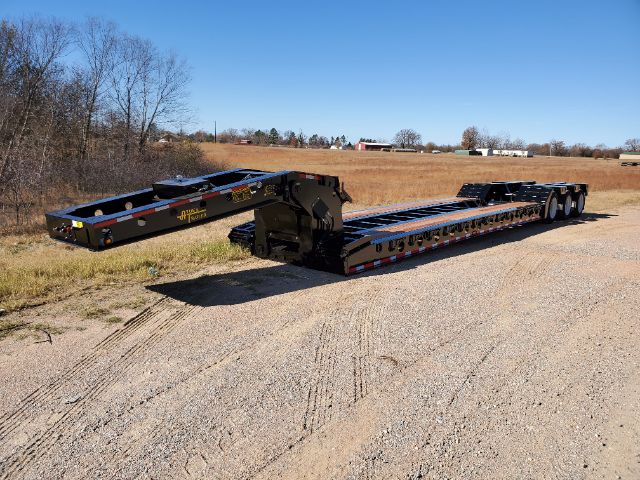
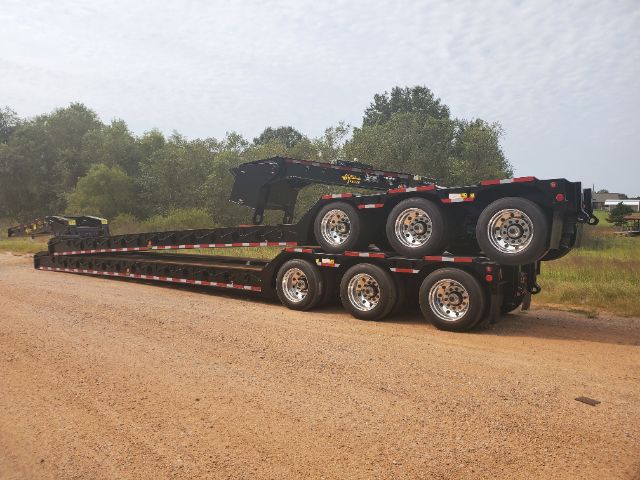
The most important spec decisions usually start with the well. A 26-foot well is a common setup because it handles a wide range of construction equipment, but the right length depends on your machine mix and how you need to distribute weight. Buyers should also look closely at overall length, loaded deck height, width, and whether the trailer has fixed or expandable capability. Axle configuration matters just as much. A tandem, tri-axle, or a trailer built with fourth axle provisions can change how easily you scale loads and how much flexibility you have for future permitting. On many new Atoka lowboys, features such as T1 high-tensile steel frames, apitong wood decking, LED lighting, and pony motor hydraulic systems are the kind of details that affect long-term durability and day-to-day usability.
Atoka lowboy trailers are commonly spec'd for regional heavy haul work, and buyers in Oklahoma often need a trailer that can handle a mix of highway miles and off-pavement loading conditions. Frame construction, crossmember design, suspension choice, neck design, and ramp or gooseneck operation all influence service life and loading efficiency. If your freight includes tracked equipment, pay attention to deck traction, lumber condition, and concentrated load ratings in the well. If you move multiple machine types, consider how kingpin setting, axle spacing, and neck length will work with your tractors and permit requirements. A new trailer can make sense when uptime, compliance, and minimizing structural fatigue are priorities, especially for fleets that want a clean maintenance baseline from day one.
For most buyers, the right lowboy is the one that fits the heaviest and tallest equipment you move most often without overspec'ing the trailer for every load. It is worth comparing ground clearance at the transition, swing clearance between tractor and neck, hydraulic system reliability, and how quickly the trailer can be detached and reloaded in the field. A well-built Atoka RGN lowboy can be a practical choice for contractors, equipment dealers, and specialized carriers that need a straightforward heavy haul platform with the core specs to support demanding work.
Frequently Asked Questions about New Atoka Lowboy Trailers in Oklahoma
What is the main advantage of an Atoka lowboy or RGN trailer compared with a standard flatbed?
The main advantage is lower deck height. A lowboy, especially a removable gooseneck trailer, lets you haul taller equipment while keeping overall loaded height closer to legal limits. It also improves loading for tracked and wheeled machines because the detachable neck creates a shallow loading angle and direct drive-on access to the deck.
How do I choose the right well length on a lowboy trailer?
Well length should match the equipment you haul most often, not just the occasional oversized load. A 26-foot well is a common heavy equipment spec because it fits many excavators, dozers, and loaders, but longer or shorter machine footprints can change weight distribution and axle loading. The goal is to place the machine correctly in the well so steer, drive, and trailer axle weights can be balanced for legal operation and permitting.
Why do fourth axle provisions matter on a new lowboy trailer?
Fourth axle provisions give you room to increase capacity or improve bridge compliance later without replacing the trailer. For buyers planning future heavier loads, this can be an important flexibility feature. It can also help protect resale value because the trailer is already prepared for a broader range of heavy haul applications and state permit requirements.
What trailer construction features are most important on a new lowboy?
The most important features are frame strength, deck durability, hydraulic reliability, and axle configuration. High-tensile steel frames help the trailer resist fatigue under repeated heavy loading. Apitong decking is widely used because it holds up well under equipment traffic. LED lighting reduces maintenance, and a dependable pony motor or hydraulic system is critical on an RGN because neck operation directly affects loading speed and uptime.
Are lowboy trailer specs especially important for Oklahoma hauling conditions?
Yes. Oklahoma operators often deal with a mix of highway transport, county roads, oilfield traffic, and uneven jobsite access. That makes deck height, ground clearance, suspension setup, and structural build quality especially important. A lowboy that performs well on pavement but also handles rough approaches and repeated heavy equipment loading will usually be the better long-term fit for this region.