
New Atoka Lowboy Trailers For Sale
Have new atoka lowboy trailer to sell? List it here to reach thousands of buyers.
New Atoka Lowboy Trailers
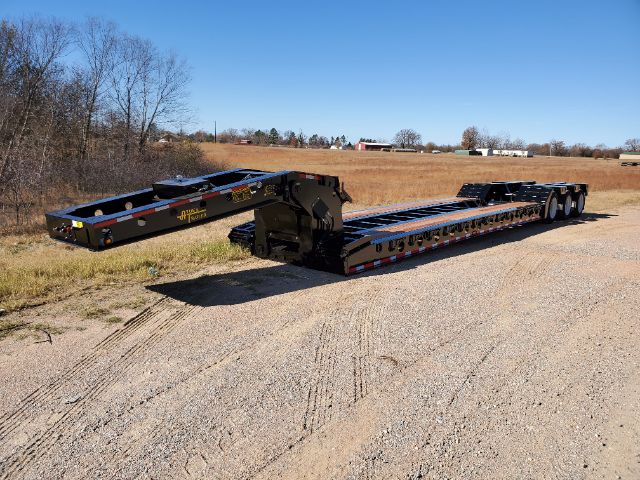
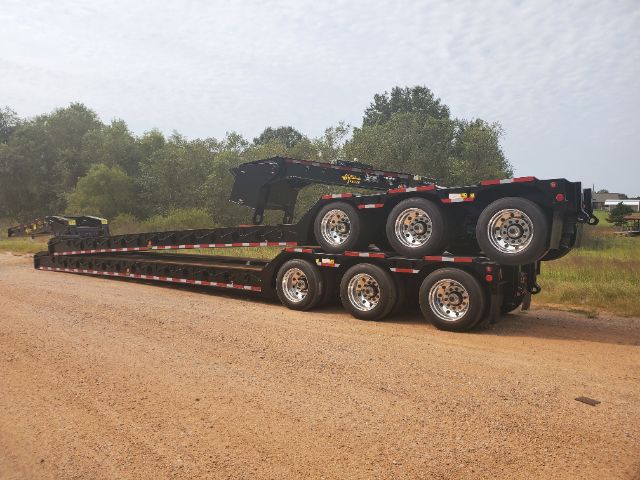
A common decision point is the deck and axle layout. Many Atoka lowboy trailers in this class use a 26-foot well and a 53-foot overall length, which is a practical setup for mixed equipment fleets. Buyers should look closely at axle capacity, spread, and future expandability such as fourth-axle provisions if operating weights may increase later. Removable gooseneck operation is another key spec. A hydraulic neck with a pony motor, including Honda-powered systems commonly seen on this type of trailer, speeds up loading and unloading in the field without relying on a tractor wet kit. Width is often 102 inches, and that can be paired with outriggers or deck options depending on the machines being hauled.
Construction details directly affect service life. T1 high-tensile steel frames are common on heavy-haul trailers because they deliver strength without unnecessary dead weight. Apitong decking remains a preferred material for equipment hauling because it stands up well to track and tire traffic and gives operators dependable traction. LED lighting, protected wiring, heavy-duty suspension components, and properly reinforced neck and main beam areas all contribute to lower maintenance and better uptime. On any new lowboy, it is worth confirming loaded deck height, ground clearance at transition points, kingpin setting, and ramp angle or neck approach to make sure the trailer matches the equipment mix and the routes it will run.
For buyers comparing new Atoka lowboy trailers, the right choice usually comes down to the machines being hauled, expected gross weight, and how often loading happens away from a yard. A lowboy used for regional construction moves may prioritize quick detach convenience and versatile axle specs, while a trailer dedicated to heavier iron may need additional axle provisions and stricter bridge-law planning. Atoka lowboys appeal to fleets that want a straightforward heavy-equipment trailer with practical specs and durable materials, especially in applications where low deck height, front-loading capability, and structural strength are non-negotiable.
Frequently Asked Questions about New Atoka Lowboy Trailers
What is the advantage of an Atoka lowboy trailer with a removable gooseneck?
A removable gooseneck lowboy, often called an RGN, allows equipment to be driven onto the deck from the front after the neck is detached. That loading method is safer and faster for many tracked and wheeled machines than climbing steep rear ramps. It also helps reduce loading angle issues for low-clearance equipment. For fleets moving construction and paving equipment regularly, an RGN setup is often the most practical configuration.
Why does well length matter on a lowboy trailer?
Well length determines how much machine footprint can sit in the dropped deck section, which is the lowest part of the trailer. A 26-foot well is a common choice because it fits a broad range of equipment while keeping total trailer dimensions manageable. If the well is too short, weight distribution can become difficult and loading options become limited. Buyers should match well length to the wheelbase or track length of the machines they haul most often.
Are fourth-axle provisions important on a new lowboy?
Fourth-axle provisions can be very valuable if hauling requirements may grow over time. They give the trailer a path to increased payload capacity and improved weight distribution without replacing the entire unit. This is especially important for contractors and specialized carriers that may add heavier dozers, excavators, or crushing equipment later. Even if the trailer is initially run in a lighter configuration, built-in provisions preserve flexibility and resale appeal.
What deck material is commonly used on heavy-equipment lowboys?
Apitong hardwood is one of the most common deck materials on heavy-haul and equipment trailers because it handles repeated loading from steel tracks, rubber tracks, and heavy tires better than many softer woods. It also offers good traction and long service life when maintained properly. For lowboy buyers, deck material is not a minor detail because it affects durability, repair intervals, and loading confidence in muddy or wet jobsite conditions.
What should buyers check besides axle count and overall length?
Loaded deck height, neck style, frame material, kingpin setting, deck width, and hydraulic operating system are all critical. Those details affect legal height, turning clearance, tractor compatibility, and day-to-day loading speed. Buyers should also consider bridge-law requirements, route restrictions, and whether the trailer needs options such as outriggers, additional tie-down points, or a self-contained pony motor. A lowboy that matches the equipment and operating territory will perform better than one chosen on length and axle count alone.