
2027 Landoll Trailers For Sale
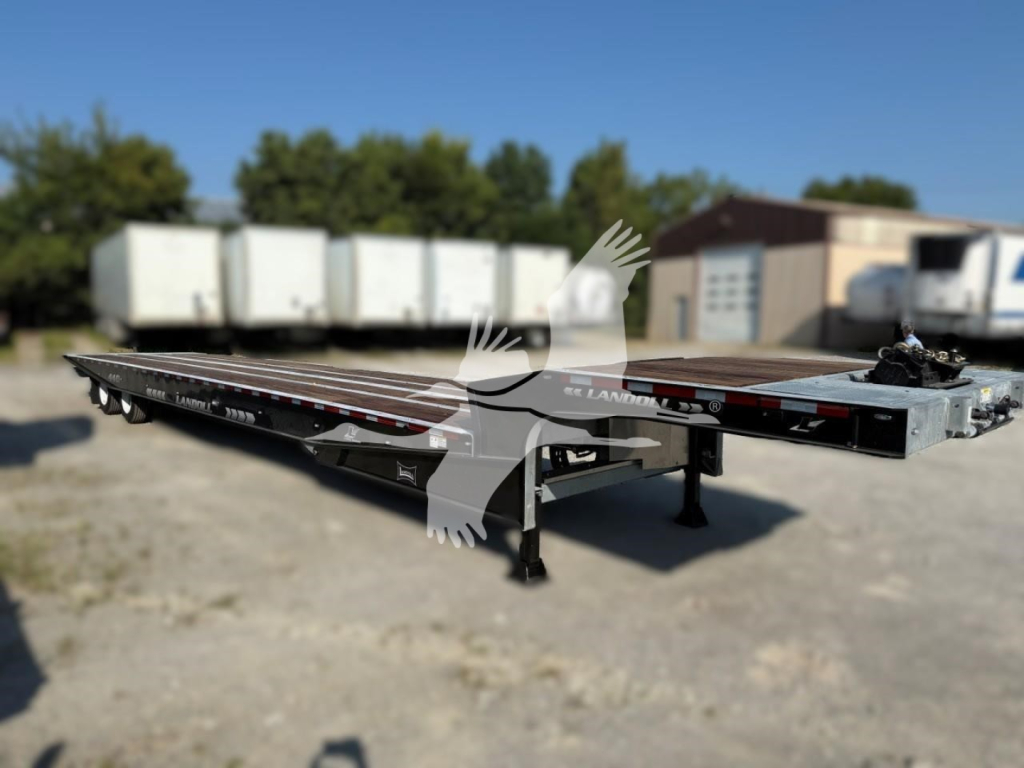
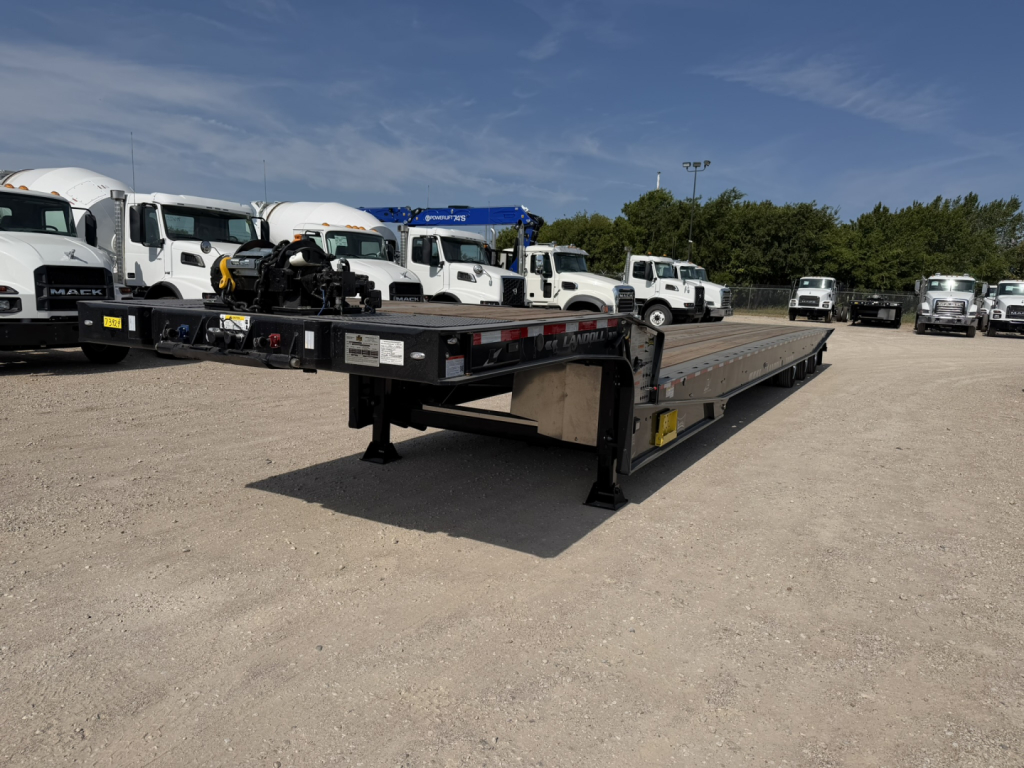
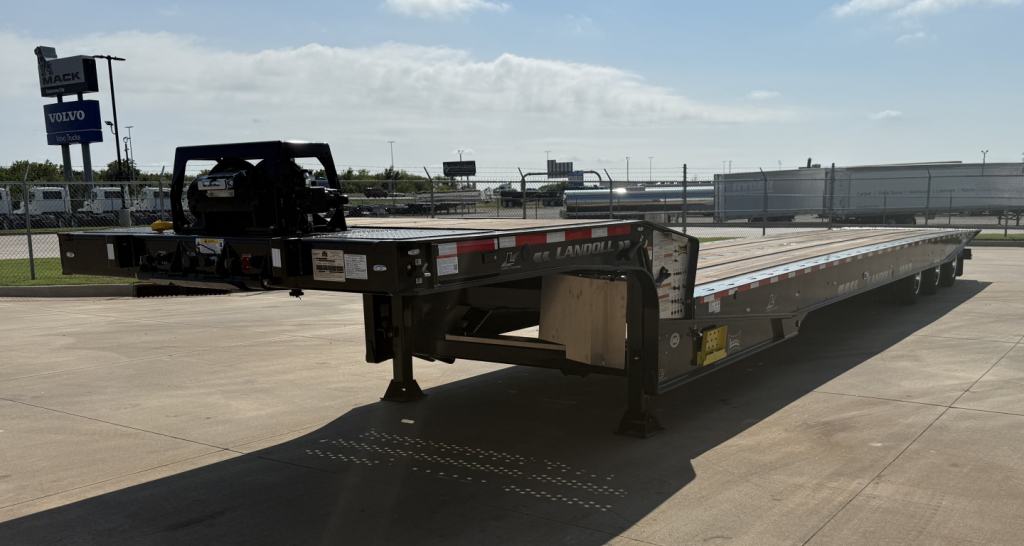
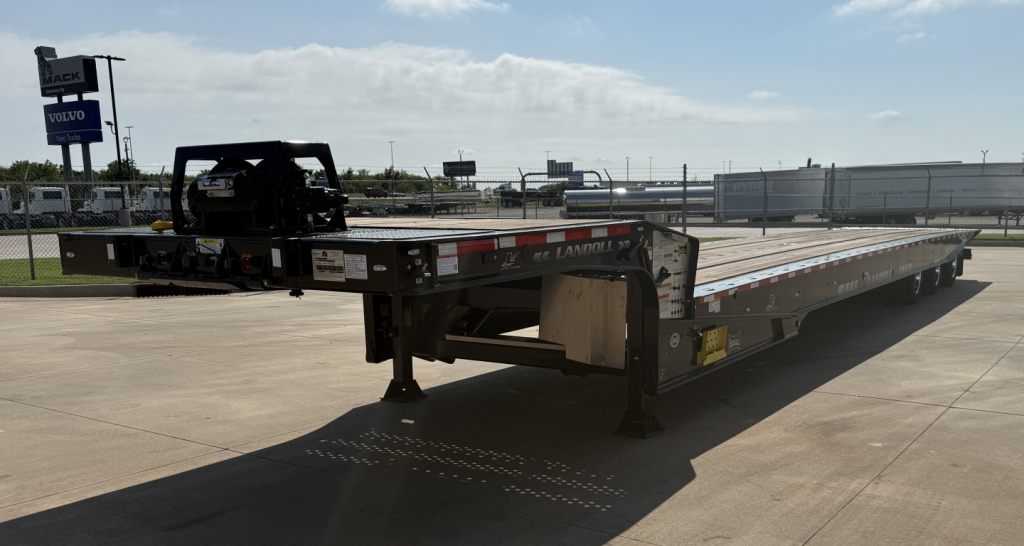
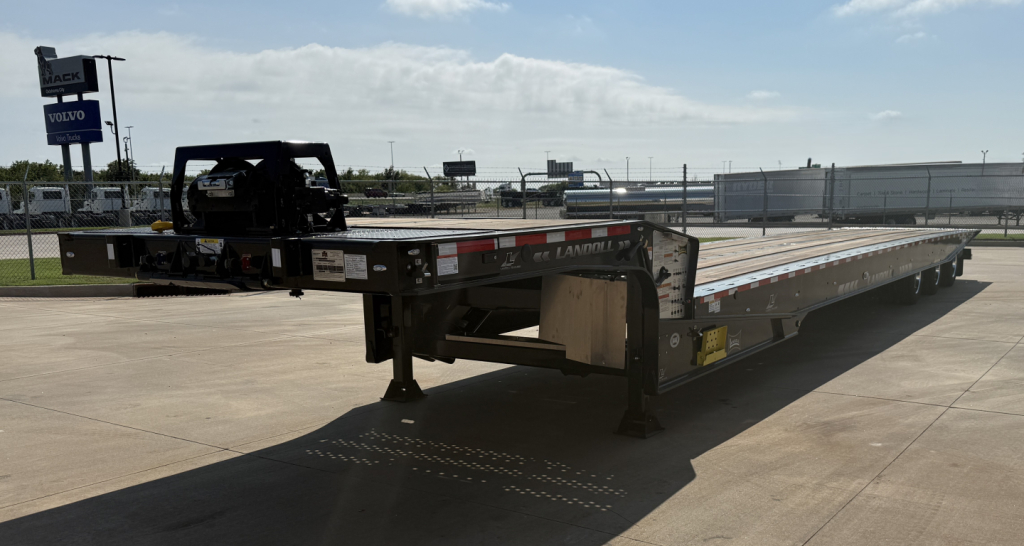
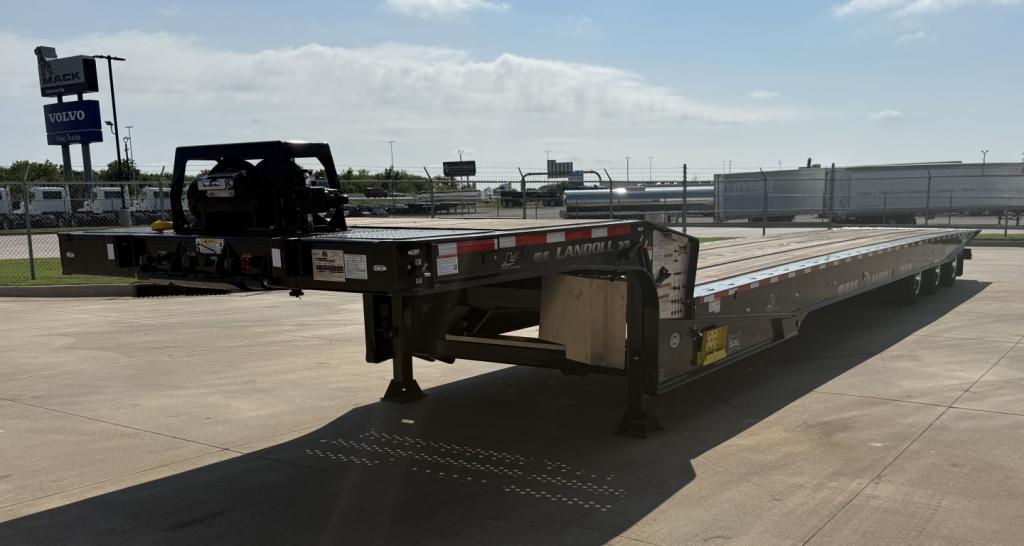
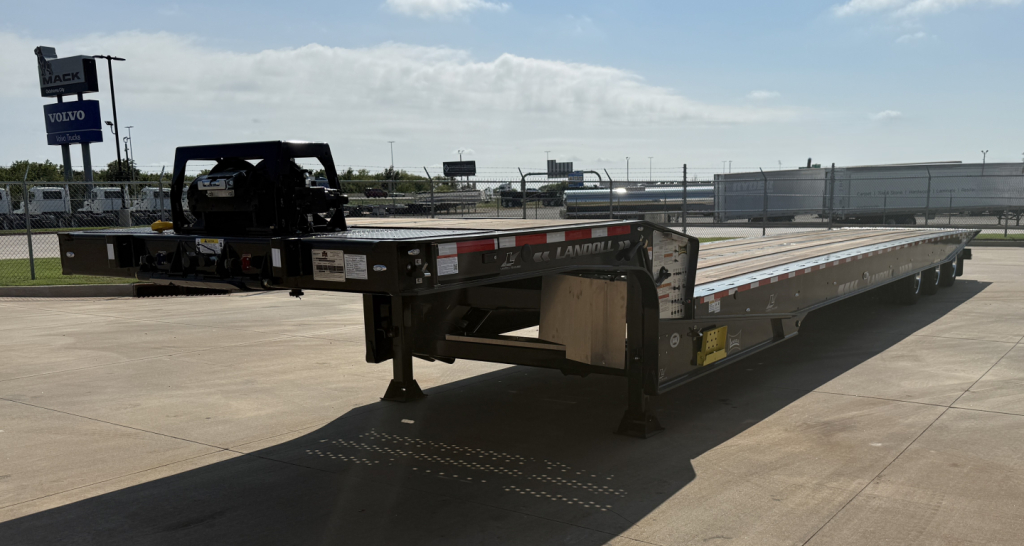
Shop 2027 Landoll trailers for sale, including traveling axle lowboys built for heavy equipment hauling, low load angles, and strong deck ratings.
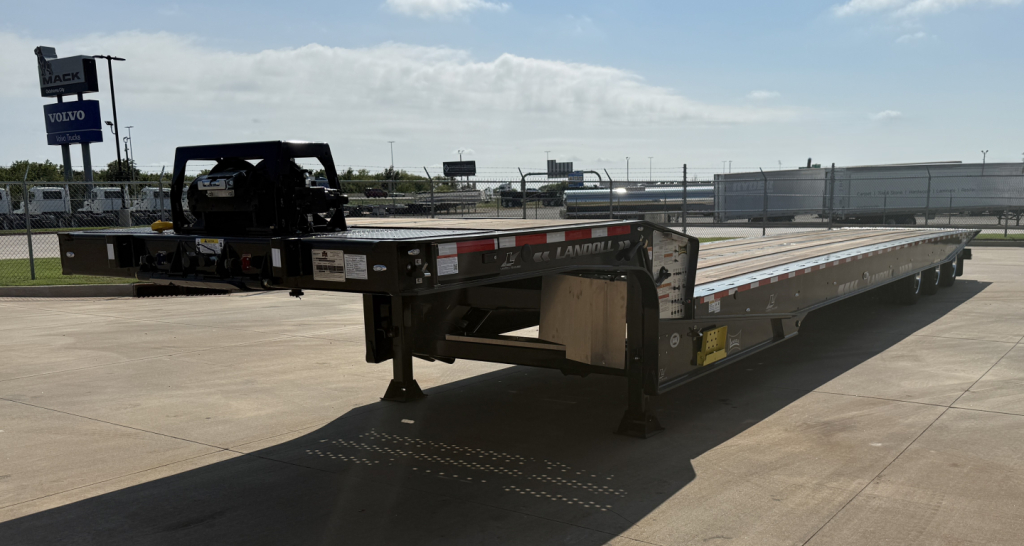
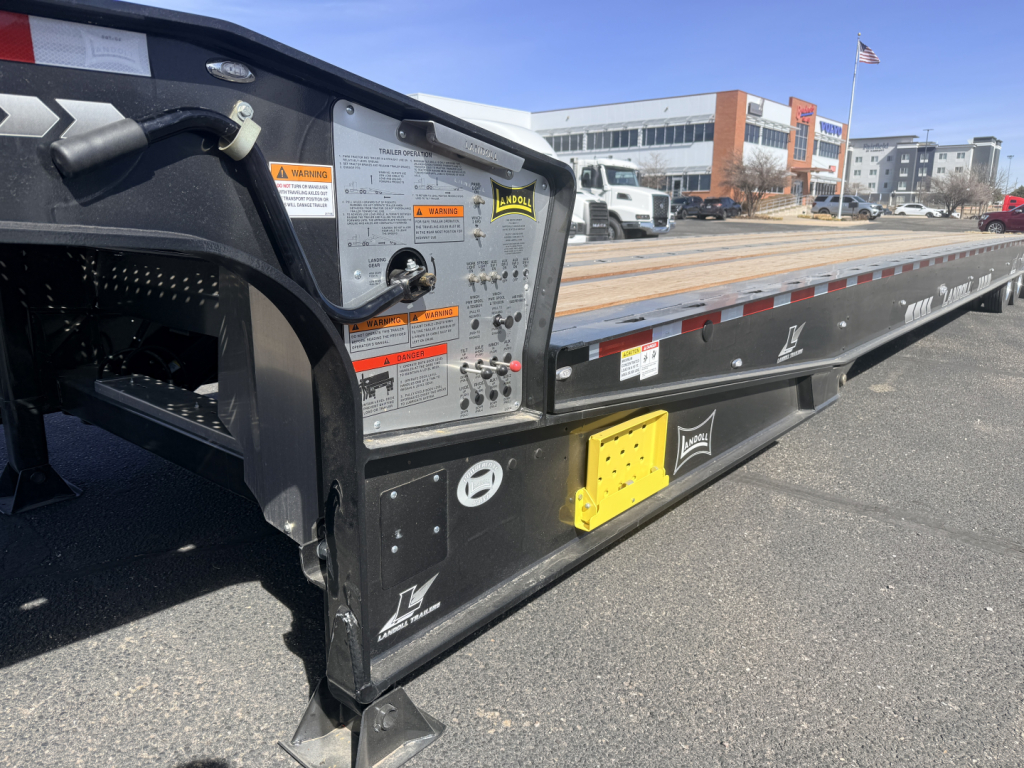
Selling a 2027 landoll trailer? List your 2027 landoll trailer for sale and reach thousands of commercial buyers.
2027 Landoll Trailers
A key buying decision in this category is capacity and axle group. Landoll 440B-series trailers are commonly spec'd around 40-ton class capacity, while 455B-series models move into the 55-ton class. Typical examples include 53-foot by 102-inch decks, kingpin settings around 21 inches, loaded deck heights near 37 inches, and swing clearance around 83.5 inches. Buyers comparing listings should pay close attention to the concentrated load rating, not just gross capacity. A trailer rated for 80,000 or 110,000 pounds overall may carry a lower rating in 10 feet, and that matters when hauling excavators, crushers, or other machines with heavy point loads.
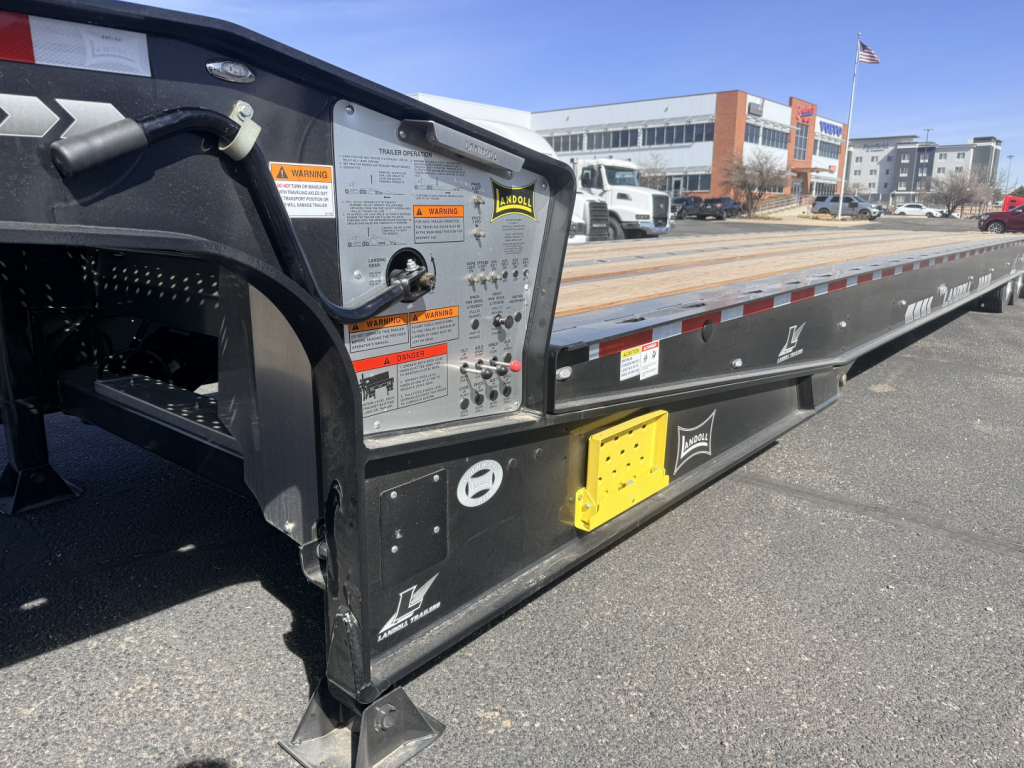
Hydraulic and tie-down details matter on Landoll trailers because they directly affect day-to-day usability. Common specs include 6-function wireless remote controls, hydraulic traveling axle operation, winches in the 20,000 to 30,000 pound range, Apitong decking, upper deck wear plates, double keyhole chain slots, center tie-downs, and stake pockets on close centers. Air ride suspension, air dump valves, onboard scale systems such as Air-Weigh QuickLoad Plus, centralized grease systems, and PSI tire inflation systems are all valuable features for fleets trying to reduce downtime and improve loading consistency. Side-opening toolboxes, LED work lights, folding steps, and extra hydraulic couplers also add practical value in the field.
For a buyer sorting through 2027 Landoll trailer listings, the real comparison points are deck rating, axle count, load angle, hydraulic condition, and how the trailer is equipped for your freight mix. A 2-axle traveling axle trailer can be a strong fit for mid-weight iron and regional hauling, while a 3-axle configuration makes more sense for higher-capacity work and tighter weight distribution requirements. Landoll remains a recognized name in the equipment-hauling market because these trailers are designed around quick loading, low deck height, and securement flexibility, which are the specs that tend to matter most when the trailer is working every day.
Frequently Asked Questions about 2027 Landoll Trailers
What is a Landoll traveling axle trailer used for?
A Landoll traveling axle trailer is used primarily for hauling equipment that needs a low loading angle and easy drive-on or winch-on access. Common loads include skid steers, pavers, rollers, tractors, forklifts, excavators, and other self-propelled or static machines. The traveling axle design lets the deck lower for loading and then shifts the axle assembly for transport, which helps combine loading convenience with heavy-haul capability.
What is the difference between a Landoll 440B and a 455B?
The main difference is capacity class and running gear. A Landoll 440B is generally considered a 40-ton class traveling axle trailer, often with a tandem axle setup, while a 455B is typically a 55-ton class trailer with higher overall capacity and heavier concentrated load ratings. Buyers should confirm the exact deck rating in 10 feet, axle configuration, suspension spec, and winch package because those details determine how well the trailer matches the equipment being hauled.
Why does the deck rating in 10 feet matter on a Landoll trailer?
The deck rating in 10 feet matters because many heavy machines place most of their weight in a short span, especially under tracks, outriggers, or axle groups. Overall gross capacity does not tell the full story if the load is concentrated. A trailer with a 50,000-pound rating in 10 feet will perform differently from one rated at 70,000 pounds in 10 feet, even if both are built on a similar overall platform. This is one of the most important specs to review for excavators and other high point-load equipment.
What features are worth looking for on a 2027 Landoll trailer?
Useful features in this category include wireless hydraulic remote controls, a properly sized winch, Apitong wood decking, keyhole chain slots, stake pockets, air ride suspension, air dump, onboard scale systems, tire inflation systems, and centralized grease points. These options improve loading efficiency, securement flexibility, and maintenance control. Lighting, toolbox layout, and upper deck protection are also worth reviewing because they affect daily usability and long-term trailer condition.
How do I choose between a 2-axle and 3-axle Landoll trailer?
A 2-axle Landoll trailer is usually the better fit for lighter equipment fleets, shorter haul lengths, and operations that do not regularly push upper-end legal weight thresholds. A 3-axle trailer is better suited for heavier equipment, higher deck ratings, and jobs where axle loading and bridge compliance are bigger concerns. The right choice depends on the weight and balance of your typical load, your operating states, and whether you need added capacity margin for future equipment changes.