
Used Hyundai Trailers For Sale in Illinois
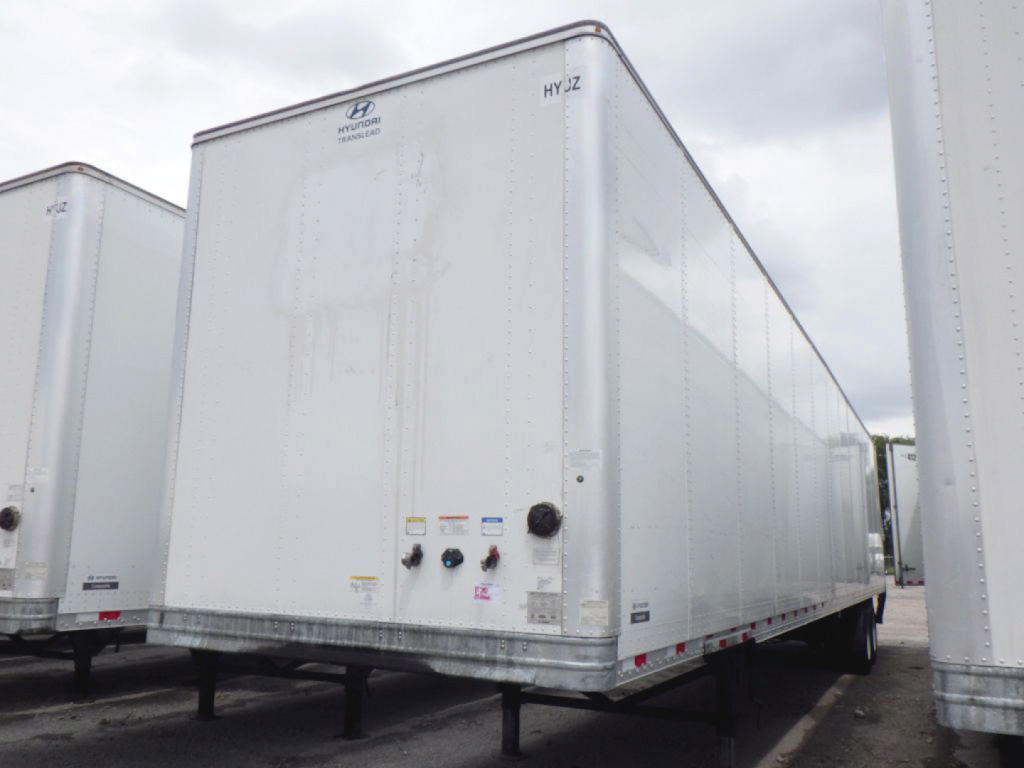
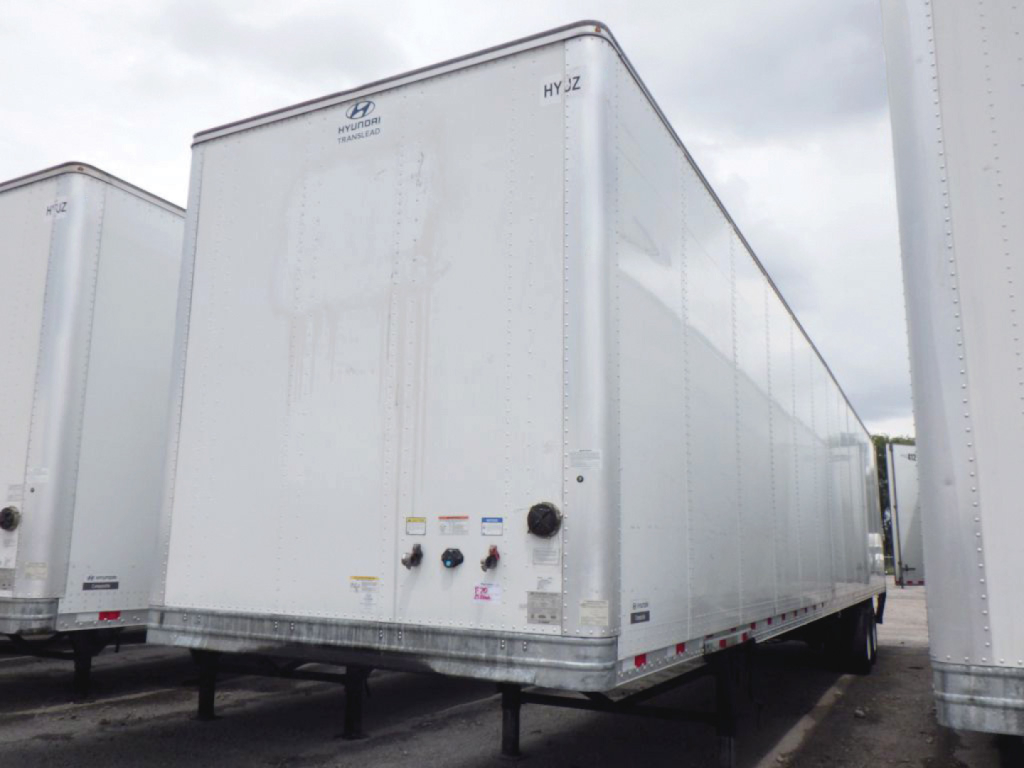
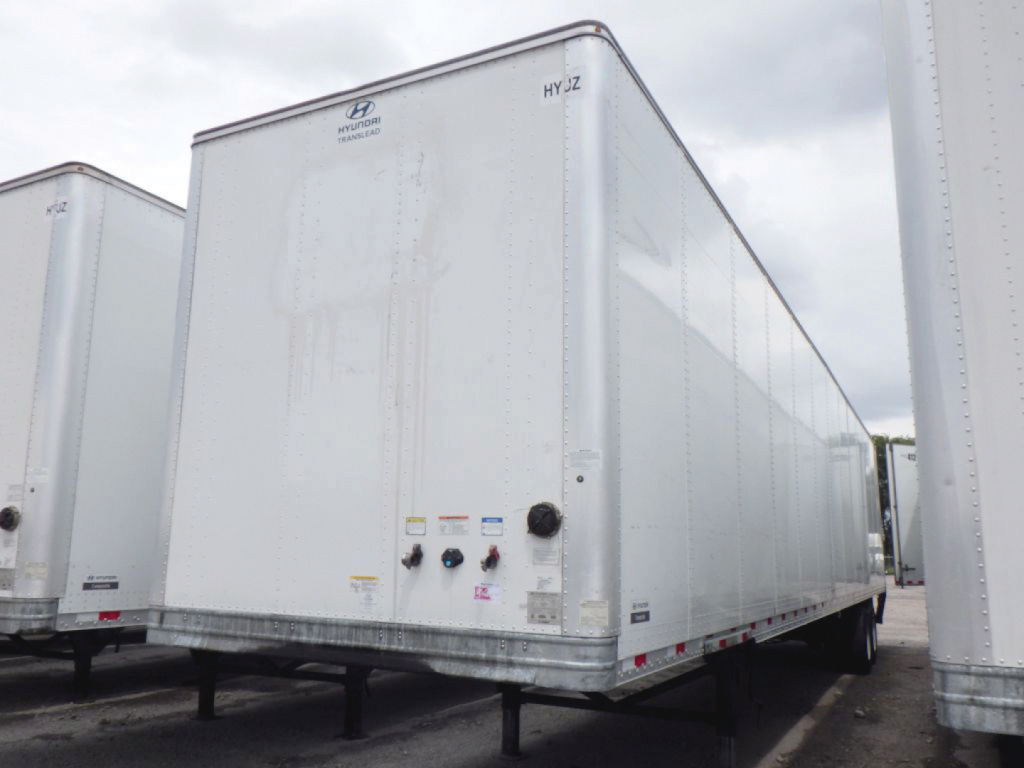
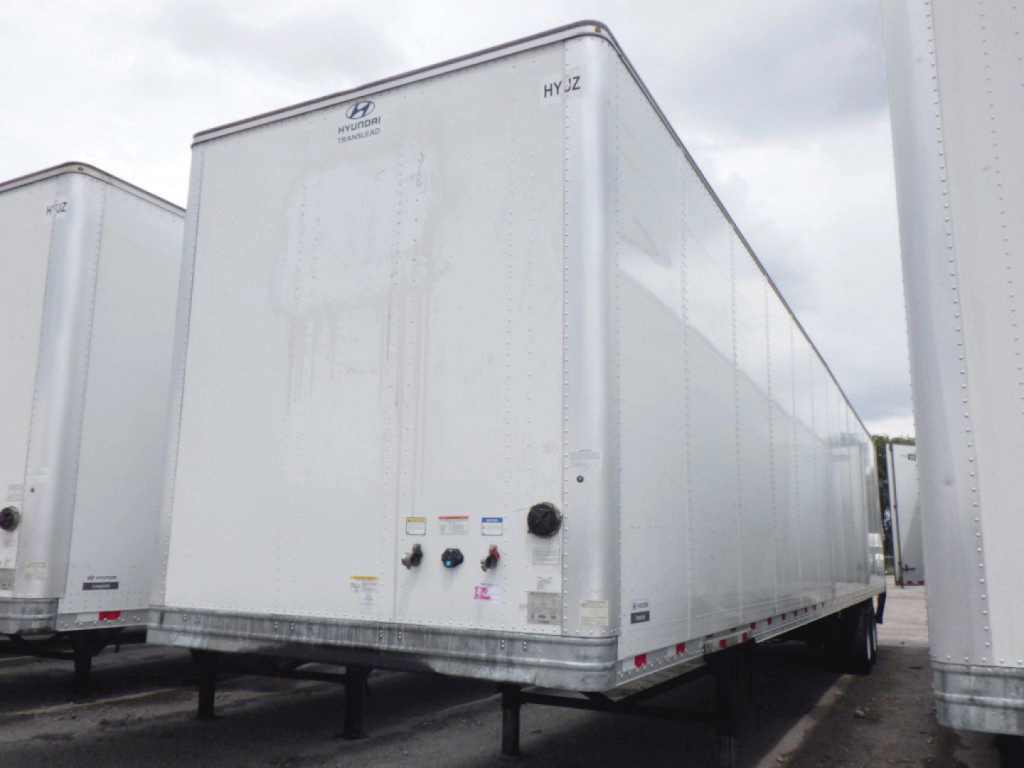
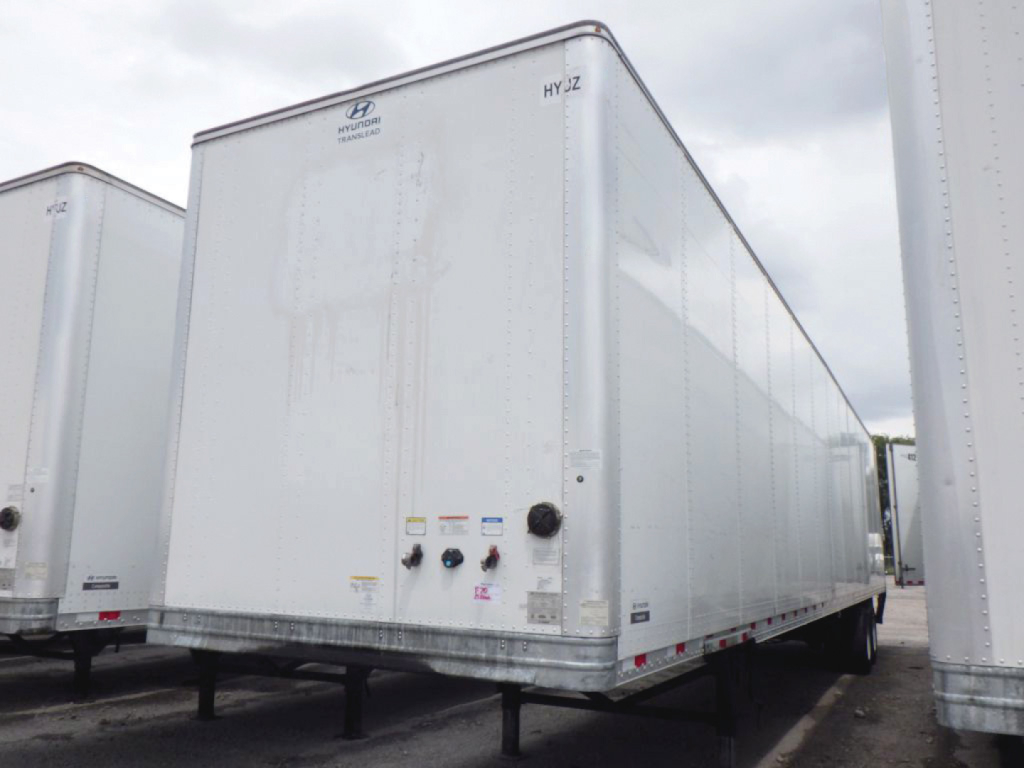
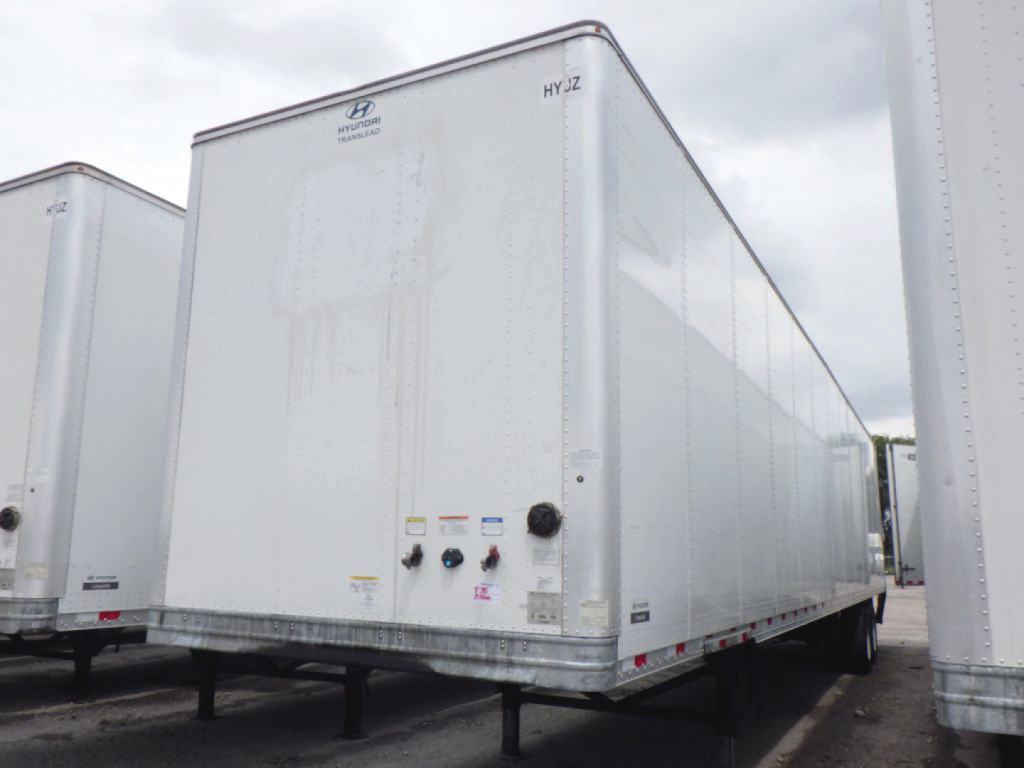
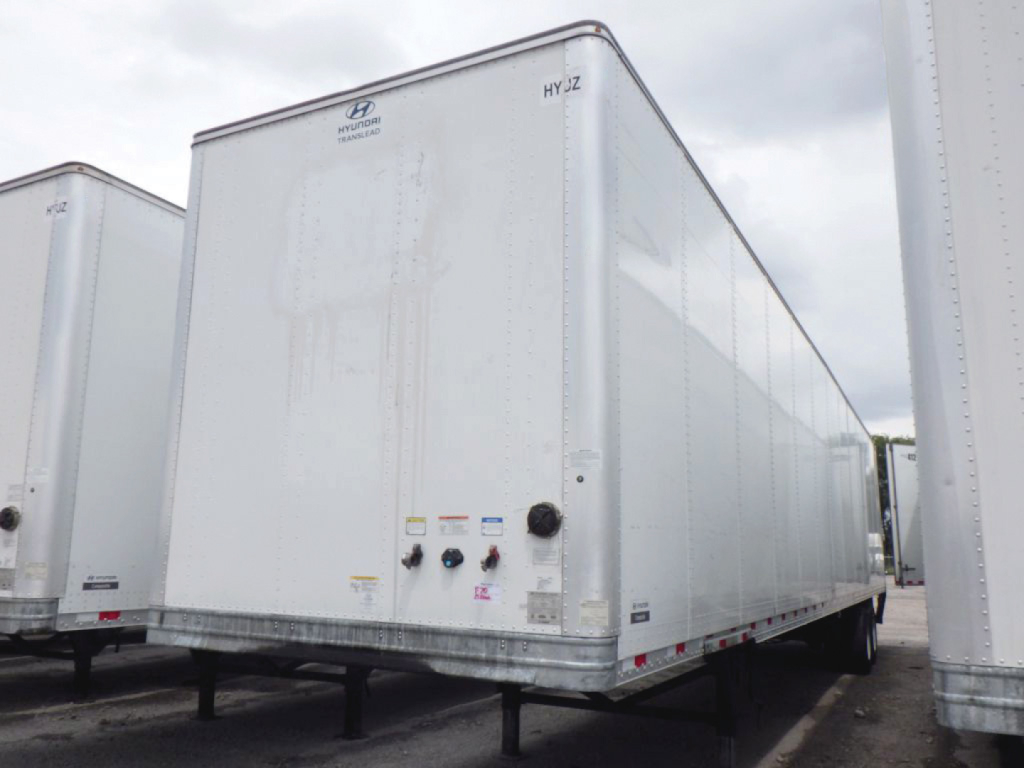
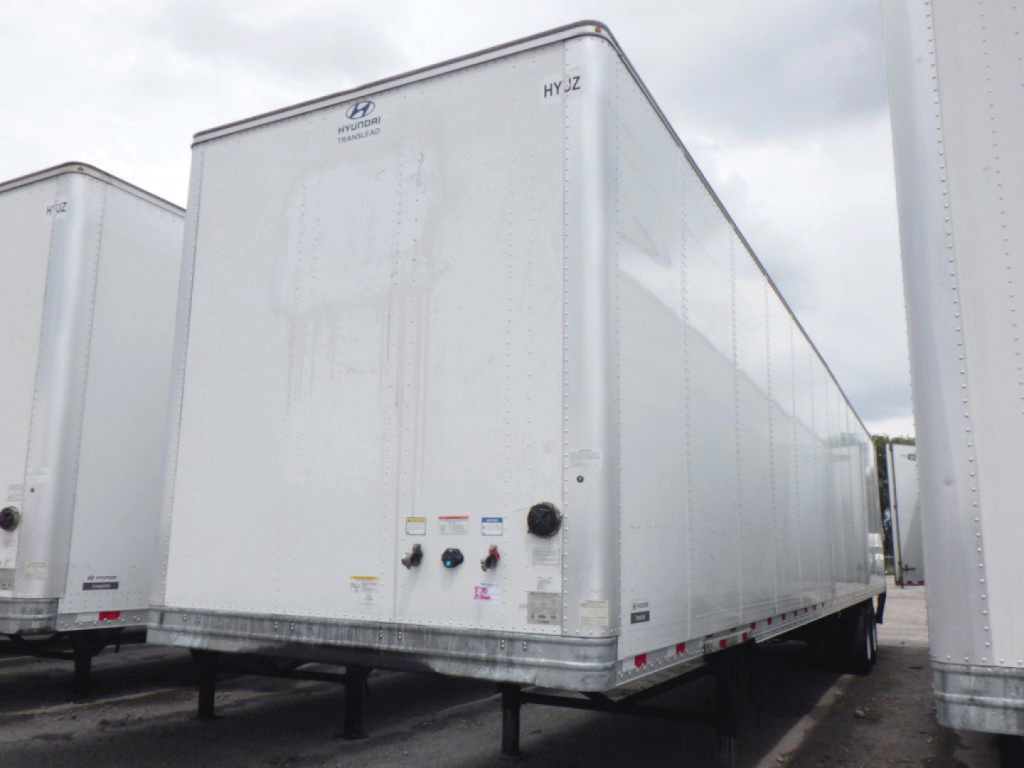
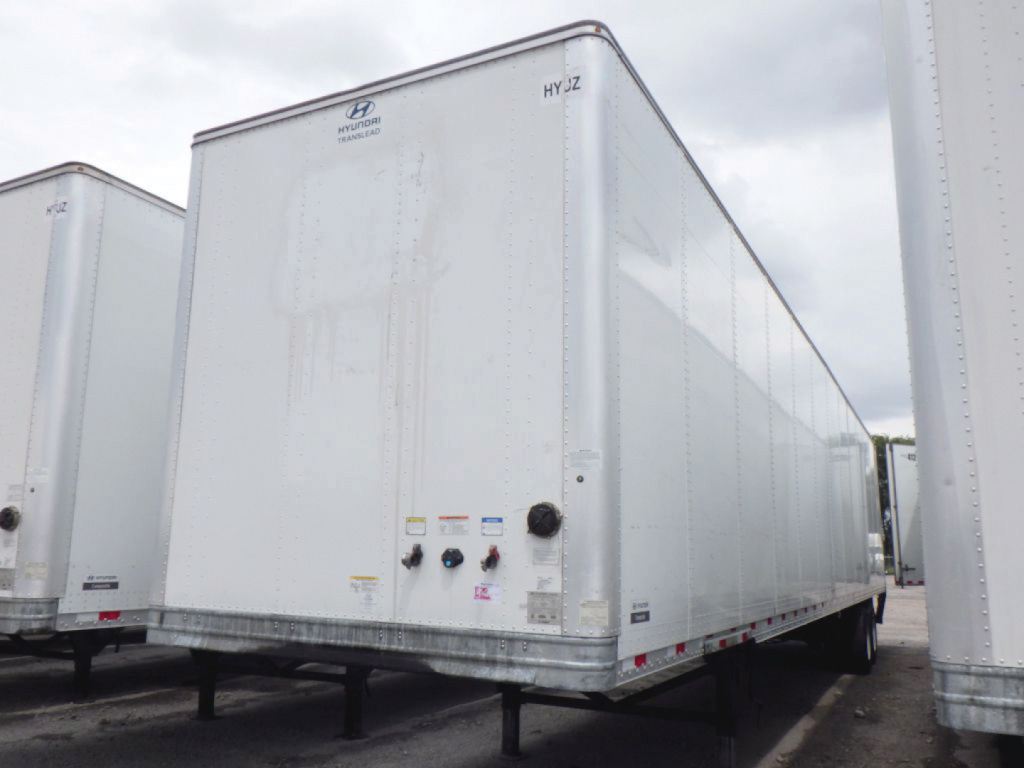
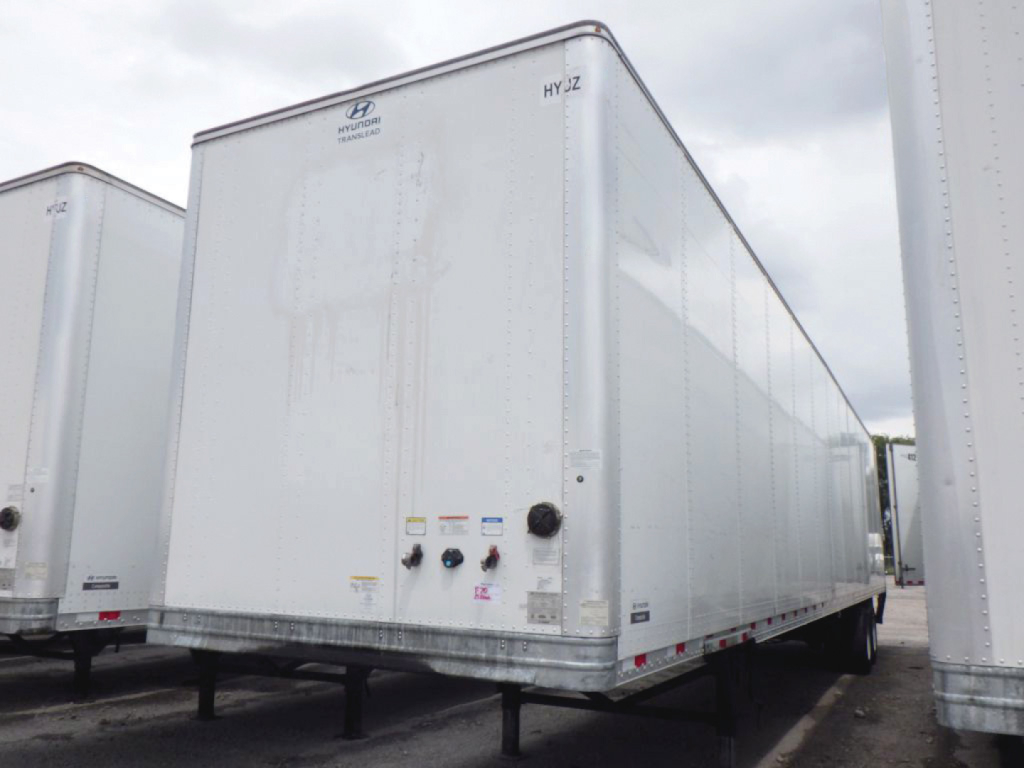
Shop used Hyundai trailers in Illinois, including dry van and container configurations with fleet-friendly specs for freight hauling.

Selling a used hyundai trailer? List your used hyundai trailer for sale and reach thousands of commercial buyers.
Used Hyundai Trailers in Illinois
The first buying decision is usually trailer length and door setup. A 53-foot Hyundai van is the standard for high-cube general freight, while 48-foot and 45-foot units can make sense for dedicated regional work, private fleet applications, or shippers with tighter dock and yard conditions. Roll-up doors are common on distribution-spec trailers because they reduce swing clearance at crowded docks, but buyers should inspect door tracks, header area, and rear frame for impact damage and wear. Interior cargo control matters too. E-track, plywood lining, scuff liners, and sound wood flooring are valuable on used dry vans because they reduce interior damage and give more flexibility for mixed freight, palletized freight, and load securement.
A used Hyundai trailer should also be evaluated from the undercarriage up. Sliding tandem operation, suspension condition, bushing wear, brake type, tire condition, and wheel-end service history are more important than cosmetic appearance. Tire inflation systems can be a real advantage in high-mile applications because they help manage irregular wear and roadside downtime, but they need to be inspected for leaks and proper function. On late-model aerodynamic vans, side skirts and vent packages may improve operating efficiency depending on route profile and cargo type. Buyers hauling dense freight should pay attention to tare weight and floor rating, while buyers in multi-stop freight should put more emphasis on rear frame condition, dock bumper wear, and door cycle durability.
Hyundai trailers are also seen in container and intermodal-related service, but the used Illinois market tends to lean heavily toward dry van specifications. For most buyers, the right trailer comes down to matching the trailer’s age, maintenance history, and spec to the freight. A clean aluminum van with a straight frame, dry roof, solid floor, and properly functioning tandem slider will usually matter more than minor cosmetic wear. If the trailer will run in Chicago-area freight, intermodal yards, or high-cycle distribution work, inspect kingpin wear, landing gear condition, crossmember integrity, roof bows, and signs of prior wall or floor repairs before making a decision.
Frequently Asked Questions about Used Hyundai Trailers in Illinois
What are the most common used Hyundai trailer types in Illinois?
The most common used Hyundai trailers in Illinois are dry van trailers, especially 48-foot and 53-foot aluminum vans used in regional and over-the-road freight. Many are spec'd with plywood-lined interiors, wood floors, E-track, roll-up doors, sliding tandems, and air ride suspension. Container and intermodal-related Hyundai units also appear in the market, but dry vans are typically the primary configuration buyers compare.
What should I inspect first on a used Hyundai dry van trailer?
Start with the structural and wear items that drive repair cost and uptime. Check the frame, crossmembers, floor condition, roof, rear frame, kingpin area, landing gear, tandem slider rails, suspension, brakes, and wheel ends. Inside the trailer, inspect plywood liners, scuff plates, threshold plate condition, E-track integrity, and signs of water intrusion. A trailer with a straight structure and documented maintenance history is usually a better buy than one that only looks clean from the outside.
Are Hyundai trailers good for fleet use?
Hyundai trailers are widely used in fleet service because they are commonly spec'd for standard freight applications and are generally easy to integrate into mixed trailer pools. Buyers often find familiar components such as air ride suspensions, standard tandem slider setups, common door hardware, and fleet-friendly interior packages. That makes them practical for operations focused on dock loading, linehaul freight, and regional distribution.
Is a 48-foot or 53-foot Hyundai trailer better for my operation?
A 53-foot Hyundai trailer is usually the better fit for maximum cubic capacity and standard dry van freight. A 48-foot trailer can still be a strong choice for regional lanes, dedicated customers, or yards where maneuverability matters more than cube. The right length depends on freight density, route restrictions, dock space, and how often the trailer will be loaded to full volume versus full weight.
Do features like tire inflation systems and side skirts matter on a used Hyundai trailer?
They can matter if the trailer runs enough miles for operating cost to be meaningful. A tire inflation system can help reduce tire-related downtime and improve tire life when it is functioning properly. Side skirts may help aerodynamic performance on highway routes, especially in linehaul service. On a used trailer, these features add value only if they are intact, serviceable, and supported by the rest of the trailer’s condition.