
Used Hopper Trailers For Sale in Nebraska
Browse used hopper trailers for sale in Nebraska, including aluminum grain hoppers with common lengths, side heights, tarp systems, and axle setups.
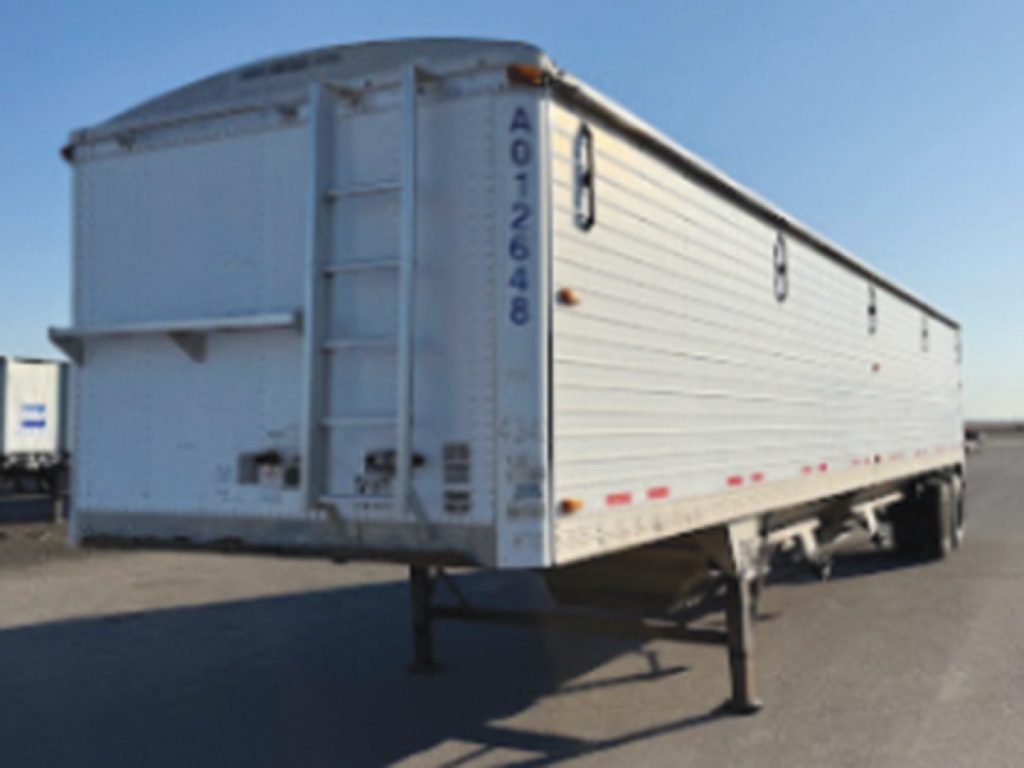
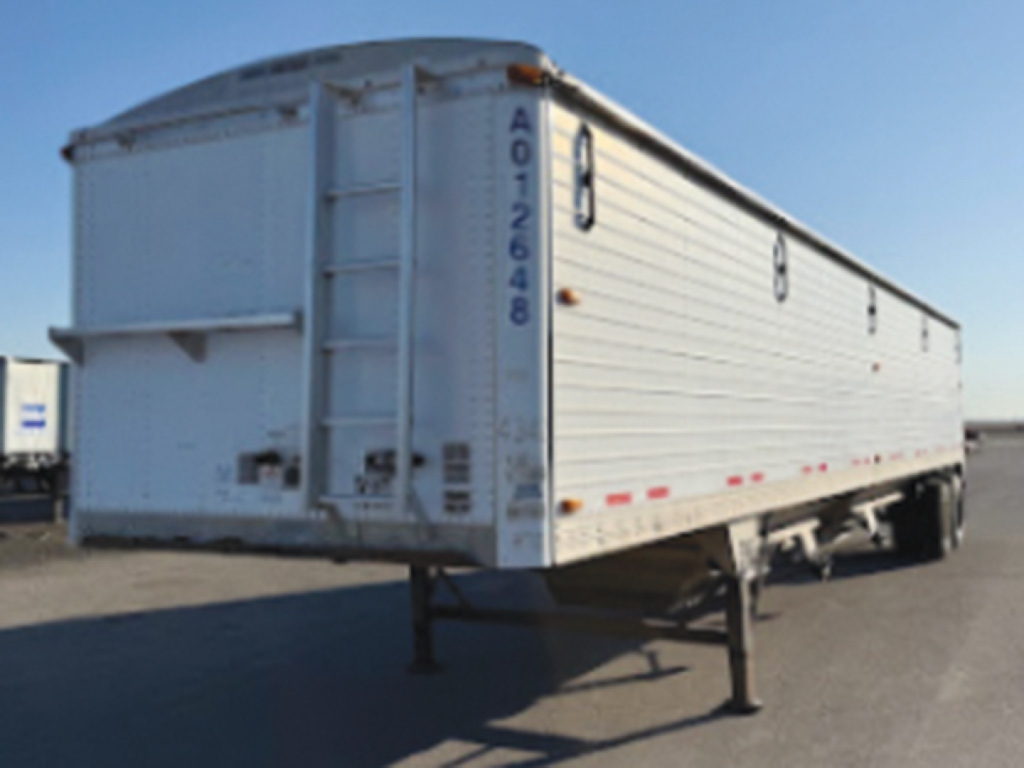
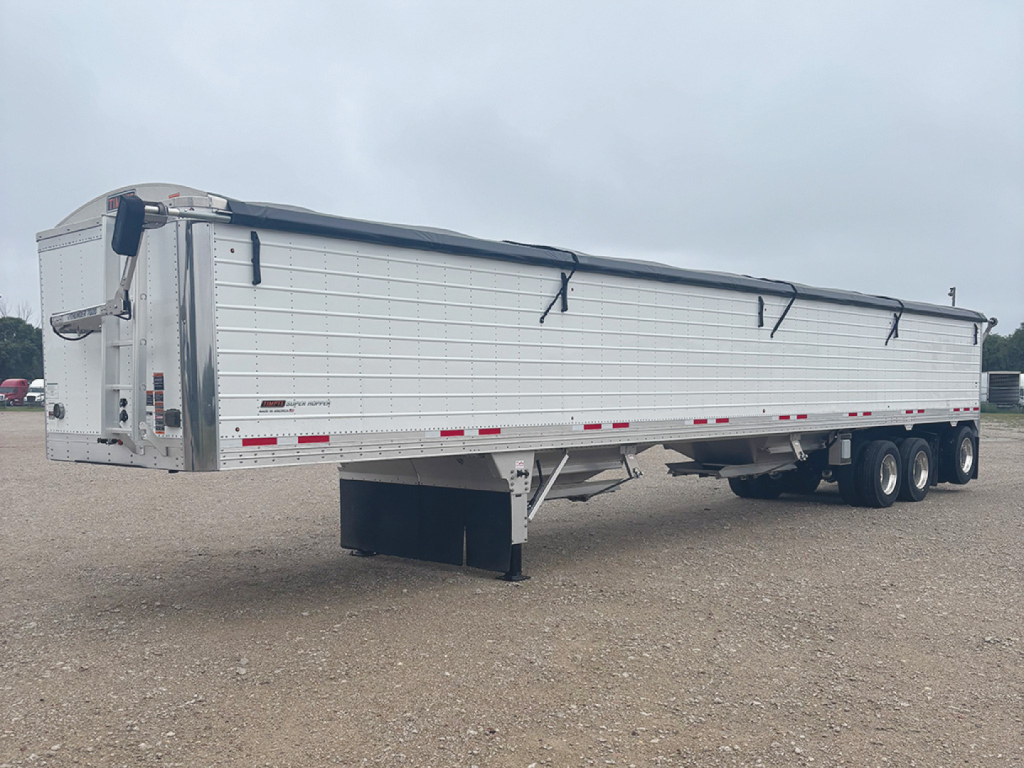

Selling a used hopper trailer? List your used hopper trailer for sale and reach thousands of commercial buyers.
Used Hopper Trailers in Nebraska
A buyer should pay close attention to hopper configuration, door operation, suspension type, and overall trailer structure. Two-speed hopper doors are popular because they give better control at the pit or auger, especially when flow rate matters. Air ride suspension is common on late-model grain hoppers and can help protect the trailer and cargo over rough county roads, while spring suspension still shows up on older or simpler specs. Tri-axle configurations, including lift-axle setups, can be useful where bridge law and payload distribution are part of the operating plan. Roll tarp systems, either manual or electric, are also a major decision point because they affect load security, turnaround time, and driver effort during harvest.
Nebraska buyers often focus on corrosion resistance and cleanout because these trailers spend time around fertilizer, wet grain, dust, and changing weather. Aluminum construction is standard, but stainless rear panels or stainless radius panels are common upgrades in higher-wear areas. Check crossmembers, subframe areas, hopper slopes, traps, and door tracks for signs of hard use, repairs, or stress cracking. Ladders, catwalks, dump valves, air scale systems, and wheel-end condition also deserve close inspection because they affect both daily convenience and operating cost. Tire size, wheel material, and brake type can influence replacement cost and compatibility across a fleet.
The strongest used hopper trailers are the ones matched to the commodity, route, and unload setup. A 42-foot trailer may suit operators balancing maneuverability with legal payload, while a 48-foot tri-axle may be a better fit for high-volume grain movement where cubic capacity is the priority. In this category, proven brands like Timpte and Wilson are common because parts support, resale value, and dealer familiarity remain important in the Midwest. Buyers comparing used hopper trailers for sale should think in terms of weight, cubic capacity, gate control, suspension, and structural condition first, then evaluate convenience features that improve harvest efficiency.
Frequently Asked Questions about Used Hopper Trailers in Nebraska
What is the most common use for a hopper trailer in Nebraska?
A hopper trailer in Nebraska is most commonly used for hauling grain such as corn, soybeans, and wheat from the field, farm storage, or elevator to a processor, terminal, or feed location. Hopper bottom trailers are preferred because they unload quickly by gravity, which reduces time at pits and augers and keeps harvest traffic moving efficiently.
What should I inspect first on a used hopper trailer?
Start with the structure and discharge system. Inspect the aluminum frame, crossmembers, hopper slopes, seams, and subframe for cracks, patched areas, or corrosion-related damage. Then check the hopper doors, traps, linkages, and seals to make sure they open smoothly and close tightly. After that, review suspension, brakes, tires, wheel ends, tarp system, and any air scale components.
Are 42-foot and 48-foot hopper trailers used for different jobs?
Yes. A 42-foot hopper trailer is often chosen for a balance of maneuverability, lighter weight, and flexibility on tighter farm approaches or smaller facilities. A 48-foot hopper trailer generally offers more cubic capacity and is often used when moving larger volumes of lighter commodities. The best choice depends on commodity density, bridge laws, route conditions, and how the trailer will be unloaded.
Is air ride better than spring suspension on a used grain hopper?
Air ride suspension is often preferred for ride quality, cargo protection, and reduced stress on the trailer over uneven roads, which is useful in agricultural hauling. Spring suspension is simpler and can be less expensive to maintain, but it usually provides a harsher ride. The right suspension depends on maintenance priorities, road conditions, and how hard the trailer is worked during harvest and throughout the year.
What features add value on a used hopper trailer?
Features that commonly add value include aluminum construction, stainless wear components, two-speed hopper doors, electric or well-kept roll tarp systems, air ride suspension, air scales, lift axles on tri-axle setups, and clean ladder and catwalk arrangements. These features can improve payload management, unloading control, driver convenience, and long-term durability, all of which matter in grain hauling.