
Used 2010 Hopper Trailers For Sale
Shop used 2010 hopper trailers, including grain and ag hoppers, with specs buyers want like side height, hopper count, tarp style, and suspension.
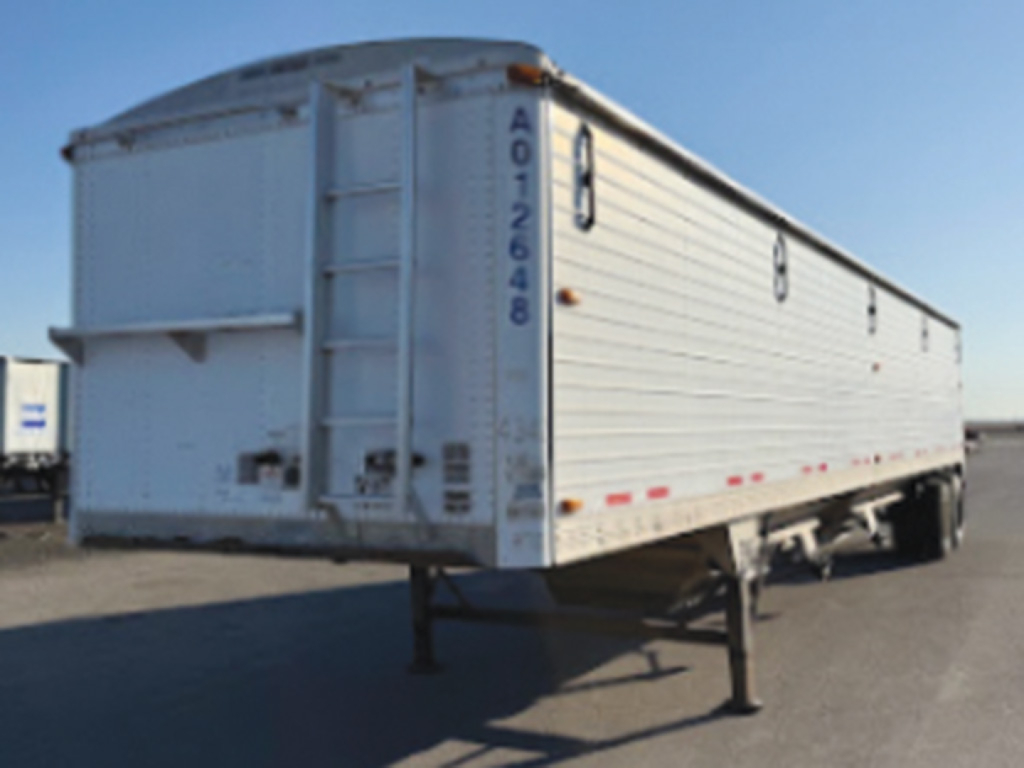
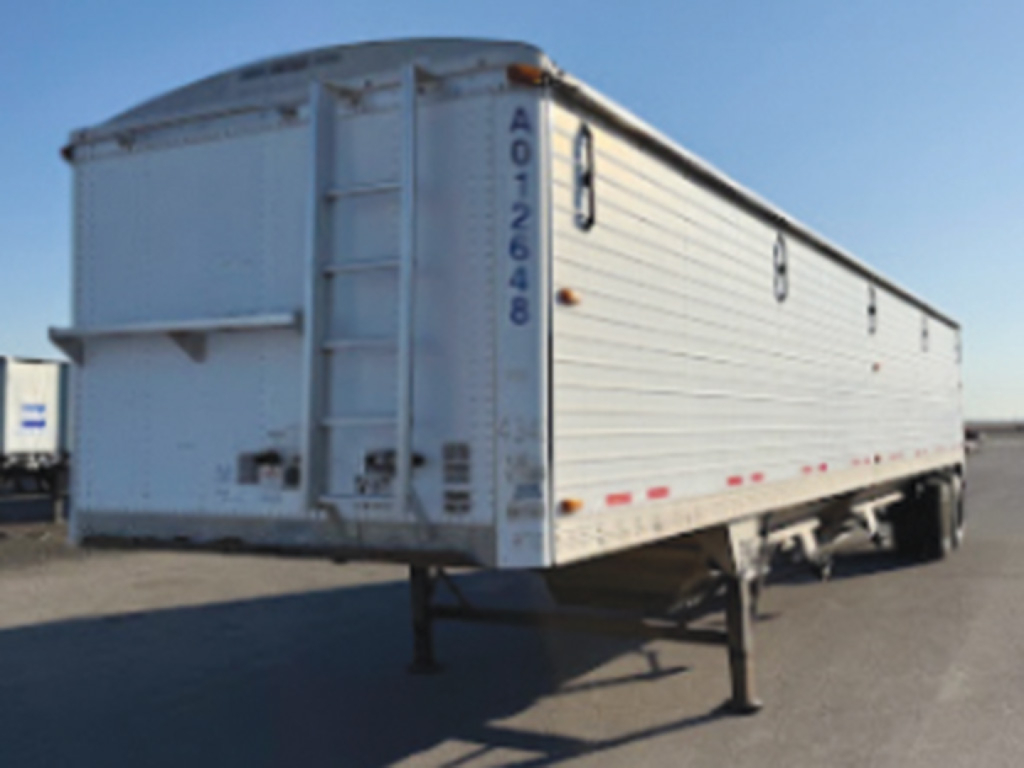
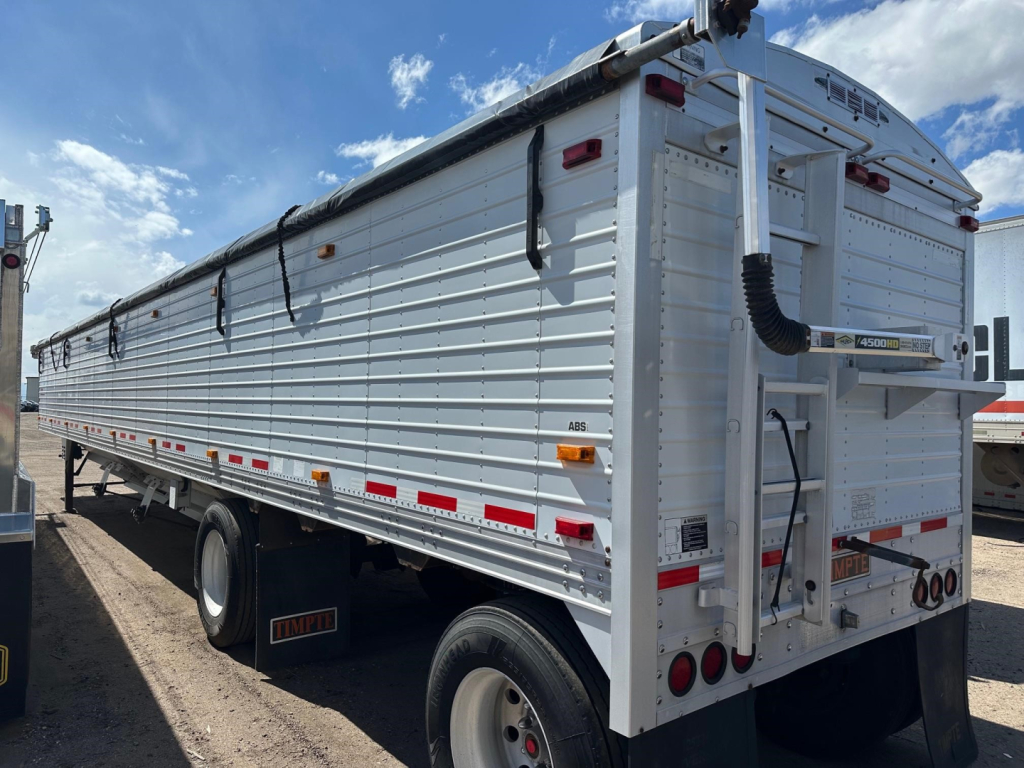
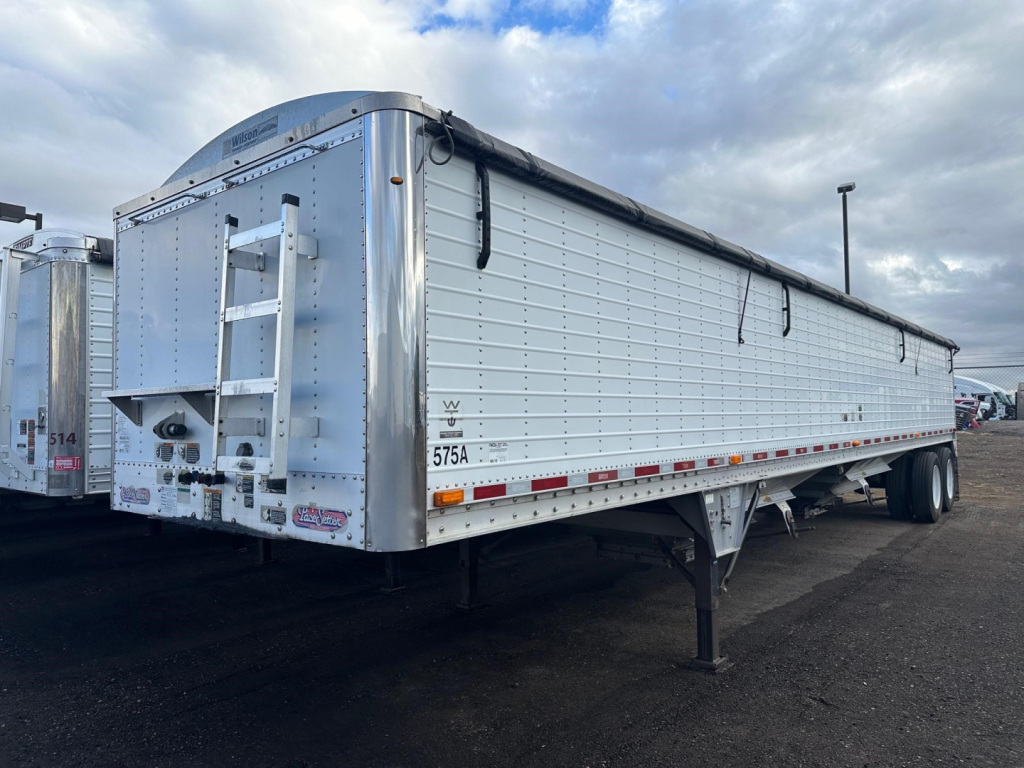
Selling a used 2010 hopper trailer? List your used 2010 hopper trailer for sale and reach thousands of commercial buyers.
Used 2010 Hopper Trailers
Construction details matter on a 2010 model because long-term durability often comes down to how the trailer was spec'd and maintained. Aluminum bodies are standard in this category because they help maximize payload, while stainless front corners, stainless rear panels, and corrugated side panels are common upgrades for strength and wear resistance. Many 2010 hopper trailers came with manual or electric rollover tarps, front and rear ladders, catwalks, and load scale systems. Buyers should pay close attention to trap door operation, hinge wear, tarp bows, ladder mounts, crossmember condition, and any cracking around hopper openings or suspension attachment points.
Suspension and running gear can make a noticeable difference in ride quality, maintenance cost, and regional suitability. Air ride closed tandem and spread axle setups are both seen in hopper trailers from this period. Closed tandems are common for grain hauls where maneuverability and bridge compliance are important, while spread configurations can help with load distribution depending on state regulations and operating lanes. Tire size, wheel material, brake condition, and hub maintenance history are worth checking closely on a used 2010 unit, especially if the trailer has spent years in seasonal ag service with long periods of storage between harvests.
For most buyers, the right used 2010 hopper trailer comes down to commodity type, legal payload target, and unload efficiency at the destinations you use most. A grain-focused trailer may prioritize ag hoppers, manual dump valves, and simple tarp systems, while a more specialized operation may want scales, work lights, and specific gate controls. Brands such as Timpte, Wilson, and similar ag-focused manufacturers are common in this segment, and replacement parts support is generally strong. A well-kept 2010 hopper trailer can still be a productive, cost-effective choice if the structure is sound, the traps seal properly, and the suspension and brake system have been maintained.
Frequently Asked Questions about Used 2010 Hopper Trailers
What should I inspect first on a used 2010 hopper trailer?
Start with the structure and the discharge system. Check the subframe, crossmembers, hopper slopes, suspension mounting points, and kingpin area for cracks, repairs, or corrosion. Then inspect the trap doors, rack-and-pinion or linkage operation, seals, and handle effort because poor gate function can slow unloads and lead to commodity loss. Tarp condition, ladder mounts, catwalks, brake components, wheel ends, and tire wear should also be reviewed closely on a trailer of this age.
Are 2010 hopper trailers mainly used for grain only?
No. Grain is the most common application, but hopper trailers also handle feed ingredients, pellets, seed, some fertilizer products, and other free-flowing bulk commodities. The right fit depends on the trailer's gate style, side height, lining or cleanliness requirements, and how well it seals. Buyers hauling multiple commodity types should confirm the trailer's traps, tarp system, and interior condition match the products they plan to move.
What size and configuration are common on a 2010 hopper trailer?
Common specs include 42-foot or 50-foot lengths, 96-inch width, tandem axles, and two hopper bottoms. Many grain trailers from this era have 66-inch to 78-inch side heights depending on the intended cubic capacity. Air ride suspension is common, and buyers will see both closed tandem and spread axle layouts. Features such as aluminum construction, stainless front corners, corrugated side panels, and rollover tarps are also typical in this category.
Is air ride important on a used hopper trailer?
Air ride is common and valuable because it improves ride quality, helps protect the trailer structure, and can reduce commodity agitation compared with rougher suspension types. It also tends to be preferred in many grain and ag applications for stability and driver comfort. On a used 2010 hopper trailer, the key is less about having air ride and more about its condition, including airbags, height control valves, bushings, shocks, and alignment-related tire wear.
How do I choose between lower sides and taller sides on a hopper trailer?
Lower side heights generally suit heavier commodities where legal gross weight is reached before the trailer is physically full. Taller sides are better for lighter products where cubic capacity limits the load first. A buyer hauling corn, soybeans, wheat, or mixed ag commodities should match side height to local weight laws, commodity density, and elevator requirements. The goal is to avoid carrying empty space on every trip while still staying legal on axle weights.