
New Hopper Trailers For Sale in Colorado
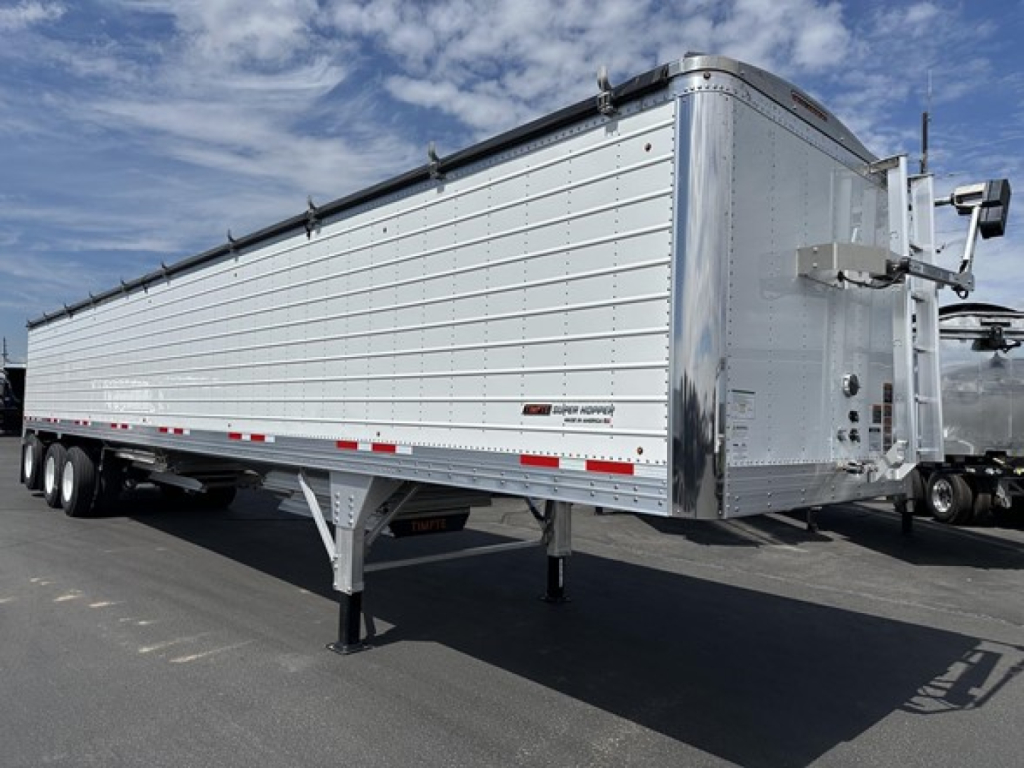
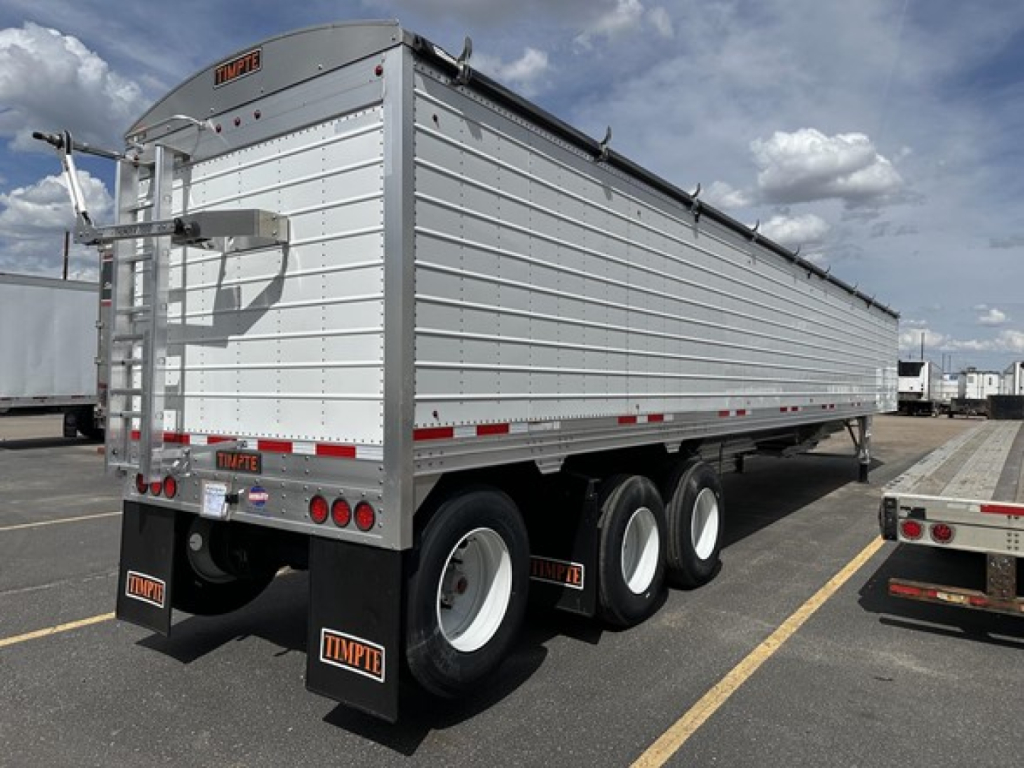
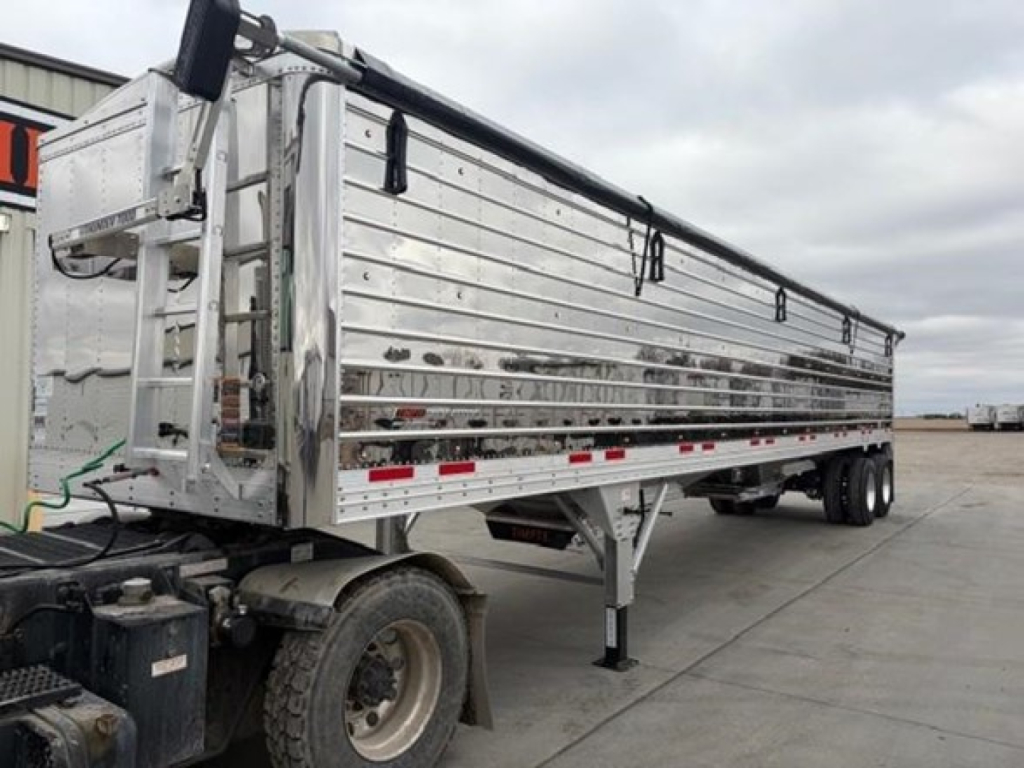
New hopper trailers for sale in Colorado, including grain and frac sand models with aluminum construction, air ride, tarp systems, and ag hoppers.
Learn more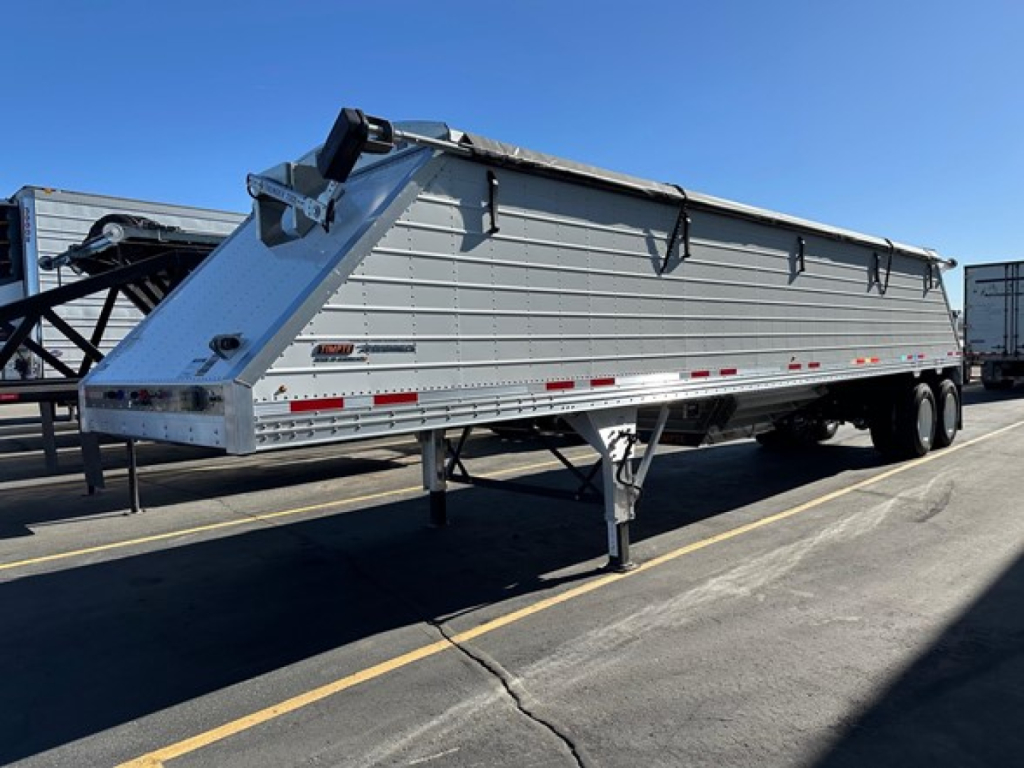
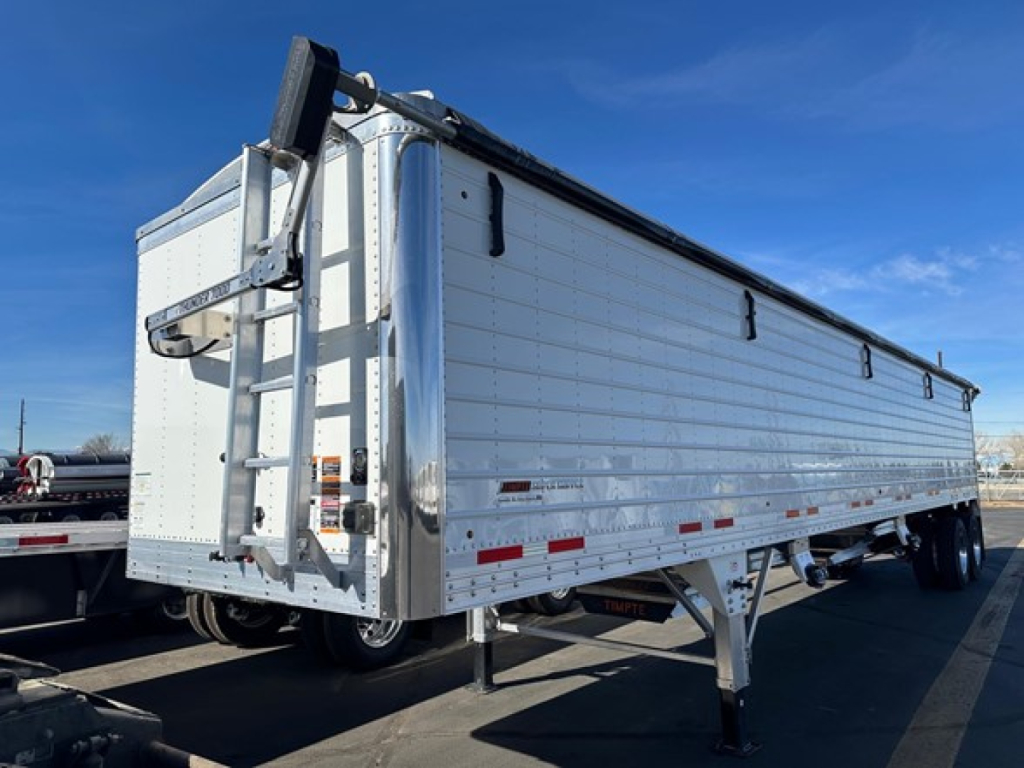
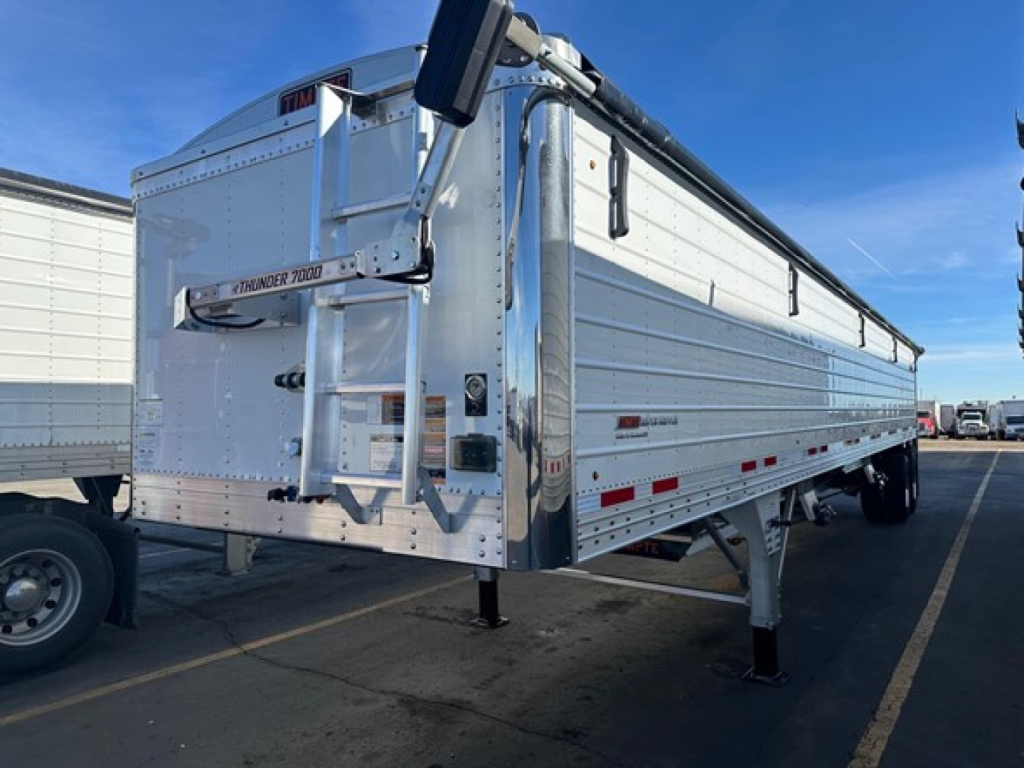
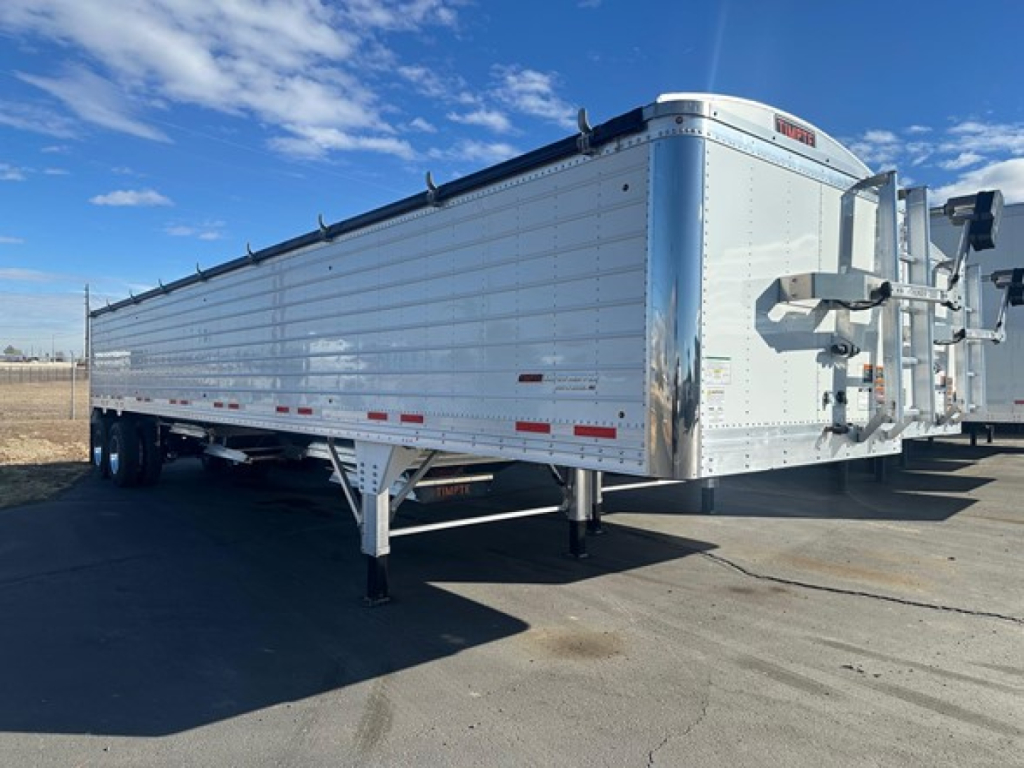
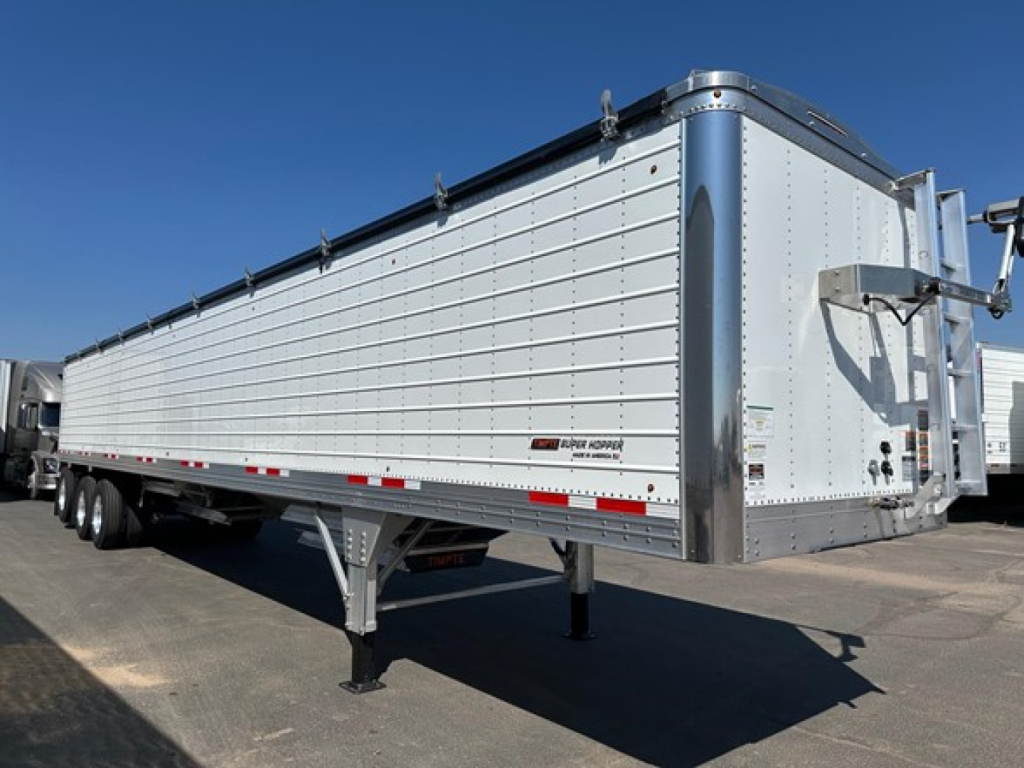
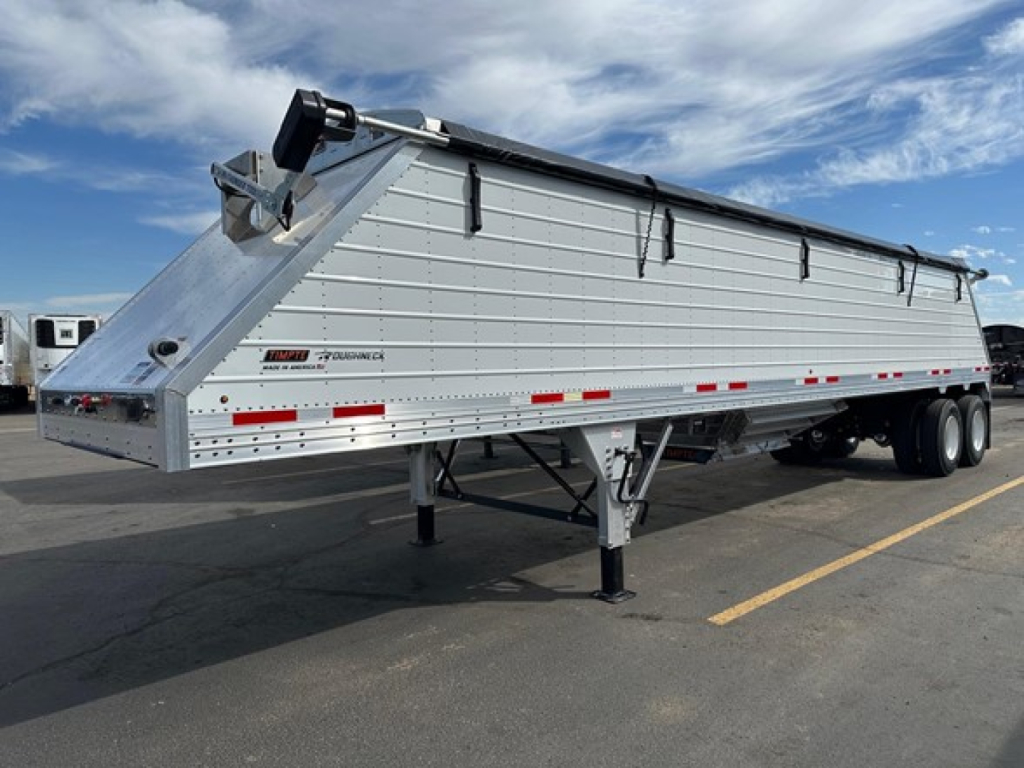
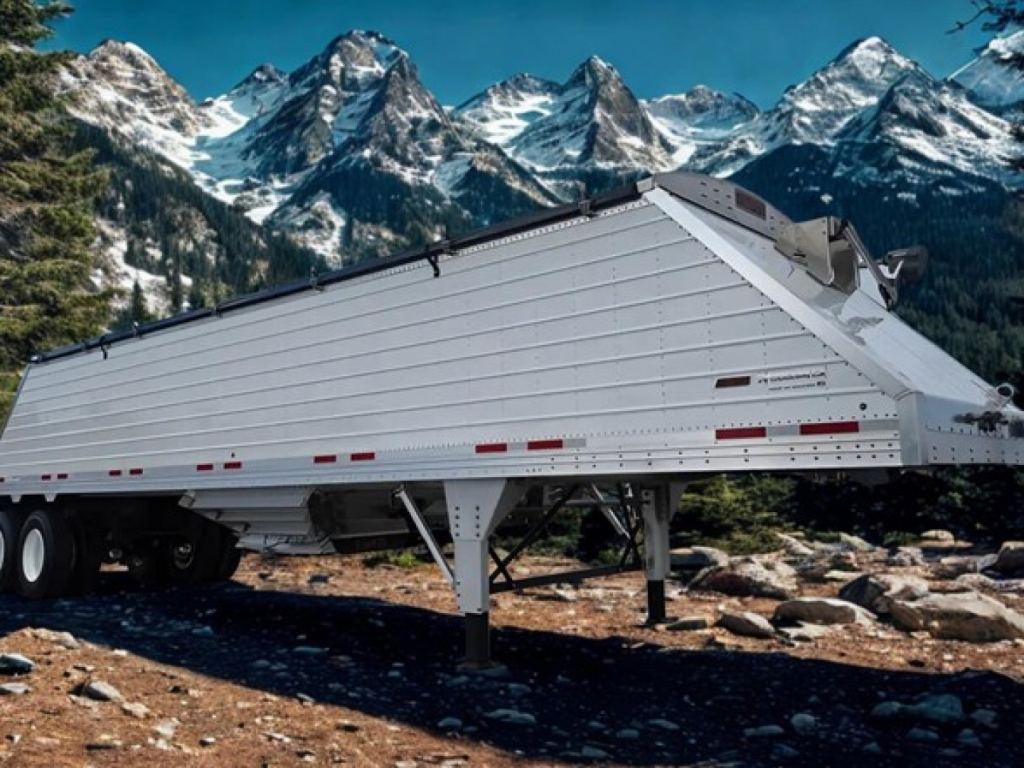
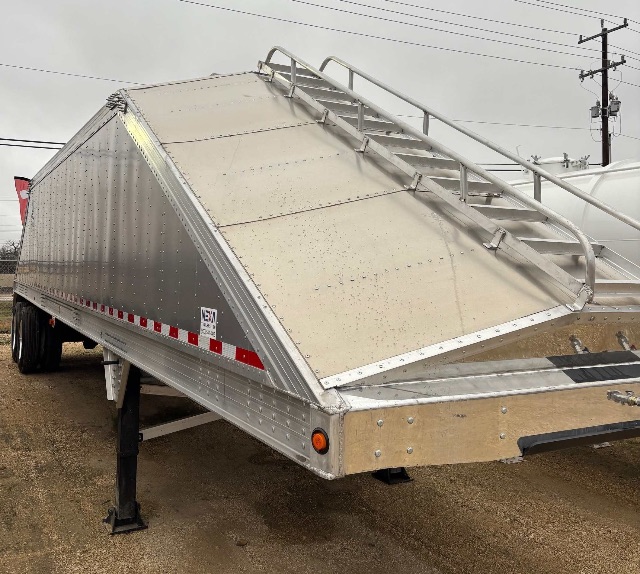
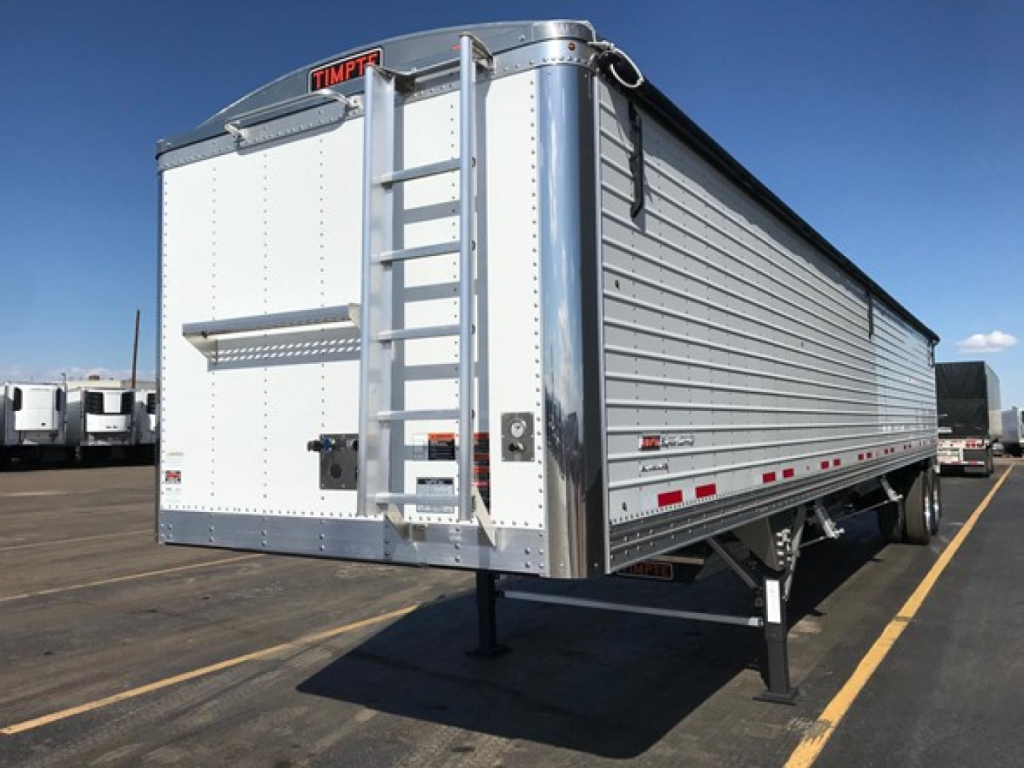
Showing 1 to 12 of 13 results
Have new hopper trailer to sell? List it here to reach thousands of buyers.
About New Hopper Trailers in Colorado
Most new hopper trailers in this class use aluminum construction to keep tare weight down and payload up. Common specs include 39-foot to 48-foot overall length, 96-inch or 102-inch width, tandem or tri-axle layouts, air ride suspension, and 11R22.5 or 11R24.5 tires. In Colorado, axle configuration matters because route, bridge law, and commodity weight can push the decision between a closed tandem and a tri-axle with lift axle. Aluminum subframes, stainless front corners, corrugated side panels, and full rear stainless panels are common on higher-spec units because they improve durability in abrasive service and help resist corrosion. Air brakes with ABS, JOST landing gear, LED lighting, and sealed harness systems are standard expectations on new trailers in this category.
A buyer should also pay attention to the work package around the hopper body. Manual or electric roll-over tarps, front and rear ladders, catwalks, knock rails, load scales, dump valves, and ag hopper packages all affect day-to-day usability. For grain work, features like multiple hopper openings, liquid-filled scales, and clean discharge can improve load accuracy and reduce downtime at elevators and feed mills. For sand service, hydraulic trap doors, single-hopper layouts, and reinforced structure are more important than maximum cubic volume alone. Tire and wheel spec also matters more than many buyers expect, especially if the trailer will split time between paved highway work and oilfield or yard access roads.
Colorado buyers often need a trailer that can handle elevation changes, mixed weather, and a combination of highway and rural access. That makes suspension quality, brake spec, tarp reliability, and gate sealing more than just option-sheet details. A well-matched hopper trailer should unload cleanly, scale consistently, and carry the right commodity without compromising legal payload or service life. If the trailer will haul multiple products through the year, it is worth checking side height, interior finish, trap design, and ease of cleanout so the trailer stays flexible across grain, feed, fertilizer, or sand applications.
Frequently Asked Questions
What is the difference between a grain hopper trailer and a frac sand hopper trailer?
A grain hopper trailer is generally designed for agricultural dry bulk such as corn, wheat, soybeans, and feed, with two or more hopper bays and gate systems that emphasize clean, controlled unloading. A frac sand hopper trailer is typically built for denser, more abrasive material and may use a single hopper, heavier gate hardware, steeper interior slopes, and hydraulic or specialized trap-door systems. The right choice depends on commodity density, unloading method, and how severe the operating environment will be.
What hopper trailer length and axle setup is most common?
Common new hopper trailer sizes run from about 39 feet to 48 feet, with tandem axle and tri-axle configurations both widely used. Tandem axle trailers are common for general grain hauling because they balance payload, simplicity, and lower operating cost. Tri-axle models are often selected when legal payload, bridge compliance, or route restrictions make extra axle capacity useful. The best setup depends on state regulations, commodity weight, and the roads the trailer will run most often.
Why do so many new hopper trailers use aluminum construction?
Aluminum hopper trailers are popular because they reduce empty weight and allow more legal payload compared with heavier steel designs. They also offer good corrosion resistance, which matters in fertilizer, grain, and all-season road conditions. Many trailers still use steel or stainless components in high-wear areas such as the kingpin section, front corners, coupler area, or rear frame structure to improve durability where impact and abrasion are highest.
Which options matter most on a new hopper trailer?
The most important options usually relate to unloading efficiency, load protection, and weight management. Buyers often focus on tarp type, gate style, hopper count, load scales, suspension, wheel and tire package, and ladder or catwalk access. For agricultural use, scales and dependable gate sealing are especially important. For sand service, reinforced construction, hydraulic discharge components, and durable lighting and wiring tend to move higher on the priority list.
Are hopper trailers only used for grain?
No. Hopper trailers are used for a wide range of dry bulk commodities, including grain, feed, fertilizer, seed, meal, pellets, and certain sand products. The trailer has to match the commodity’s density, flow characteristics, and cleanliness requirements. A trailer intended for food-grade or ag use may need easier cleanout and tighter sealing, while one intended for abrasive material may prioritize structural reinforcement and specialized discharge equipment.