
New 2026 Hopper Trailers For Sale
Shop new 2026 hopper trailers built for grain and bulk commodities, with tandem or tri-axle setups, ag hoppers, tarps, and air ride options.
Learn more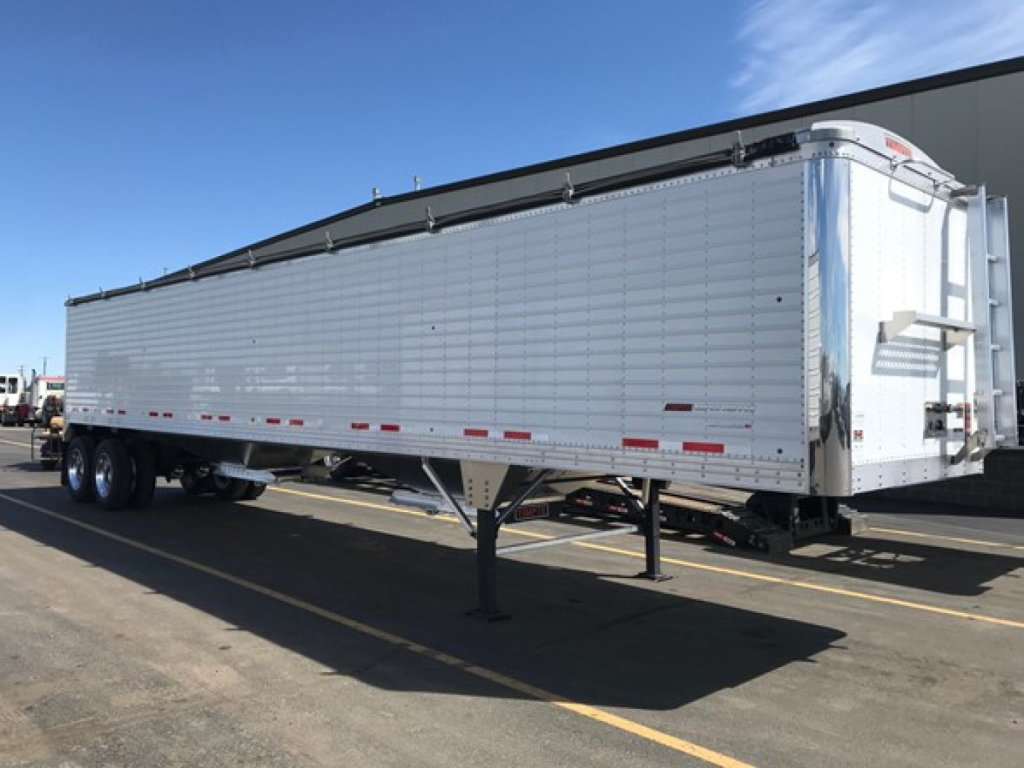
Showing 13 to 13 of 13 results
Have new 2026 hopper trailer to sell? List it here to reach thousands of buyers.
About New 2026 Hopper Trailers
One of the biggest buying decisions is matching hopper configuration to the commodity and unloading setup. Two-hopper ag configurations are common because they unload efficiently at farm sites, elevators, and processing facilities. Electric hopper doors can reduce driver effort and speed up repetitive loading cycles, while manual doors keep the trailer simpler and may lower maintenance complexity. Buyers should also pay attention to tarp systems, since manual vinyl roll tarps and electric rollover tarps change daily usability in a big way during harvest and multi-stop work. Ladders, catwalks, knock rails, vibrators, dump valves, and scale gauges are not just convenience features. They directly affect safety, cleanout, load verification, and how smoothly the trailer works across different shippers and receivers.
Running gear matters as much as body design. Tandem axle hopper trailers remain the standard for many grain haulers because they balance payload, maneuverability, and tire cost. Tri-axle versions can make sense where bridge laws, spread requirements, or higher gross allowances support the extra axle. Air ride suspension is common on premium-spec trailers because it helps protect the trailer structure and commodity, while spring suspension still appeals to buyers who want simplicity and lower upfront cost. Tire and wheel specs vary widely, including 11R22.5, 11R24.5, and low-profile 22.5 setups, with aluminum outer wheels often chosen to trim weight and improve appearance. Closed tandem layouts, rear lift axles, LED lighting, and sealed wiring harnesses are all worth comparing because they affect durability, legal compliance, and operating cost over the life of the trailer.
For a buyer looking at new 2026 hopper trailers, the key is to compare cubic capacity, bushel capacity, side height, suspension type, axle layout, and discharge equipment as a package instead of as separate features. A 40-foot steel hopper with spring ride may fit short-haul grain work and rugged farm access roads, while a 42- or 48-foot aluminum or stainless-spec unit with air ride, electric tarp, and electric doors may be the better fit for high-cycle commercial hauling. Stainless front panels, rear panels, or corner reinforcements can add durability in high-wear areas, and corrugated side panels are common for strength without excessive weight. The best hopper trailer is the one that matches commodity density, legal weight targets, unloading infrastructure, and the driver’s daily workflow.
Frequently Asked Questions
What size hopper trailer is most common for grain hauling?
The most common grain hopper trailers are typically 40 to 42 feet long and 96 inches wide, although 48-foot units are also used in higher-capacity applications. Side heights often range from about 66 inches to 78 inches, and that dimension has a major effect on cubic and bushel capacity. The right size depends on the commodities hauled, state weight laws, and how often the trailer operates on farm lanes versus paved highway routes.
What is the difference between a tandem axle and tri-axle hopper trailer?
A tandem axle hopper trailer has two trailer axles and is the standard setup for many agricultural and bulk haulers because it is simpler, lighter, and generally easier on tire and maintenance costs. A tri-axle hopper adds a third axle, sometimes with a lift feature, which can help with bridge compliance or legal gross weight in certain jurisdictions. The tradeoff is added complexity, additional maintenance points, and potentially higher empty weight.
Are electric hopper doors and electric tarps worth it on a new hopper trailer?
Electric hopper doors and electric rollover tarps are often worth the cost for operations with frequent loading and unloading cycles. They reduce driver strain, save time at each stop, and can improve consistency when multiple drivers use the same trailer. For lower-cycle use or buyers prioritizing simplicity, manual systems still have value, but many fleets see electric systems as a productivity and safety upgrade.
What construction material is best for a hopper trailer: steel or aluminum?
Steel hopper trailers are often chosen for durability, lower initial cost, and toughness in rough service, but they generally carry more tare weight. Aluminum trailers are popular when payload is a priority because they are lighter and resist corrosion well, especially in grain service. Some trailers also use stainless components in high-wear areas to improve longevity without adding as much weight as a full steel build.
Which specs matter most when comparing new 2026 hopper trailers?
The most important specs are length, width, side height, cubic capacity, bushel capacity, axle configuration, suspension type, hopper count, and door style. Buyers should also compare tarp type, ladder and catwalk setup, wheel and tire package, lighting, and any scale or vibrator equipment. These details determine how the trailer loads, unloads, scales, and holds up in the specific commodities and routes it will handle.