
2027 Heil Trailers For Sale
Shop 2027 Heil trailers for sale, including fuel and tank trailer configurations with proven specs for petroleum, chemical, and bulk liquid hauling.
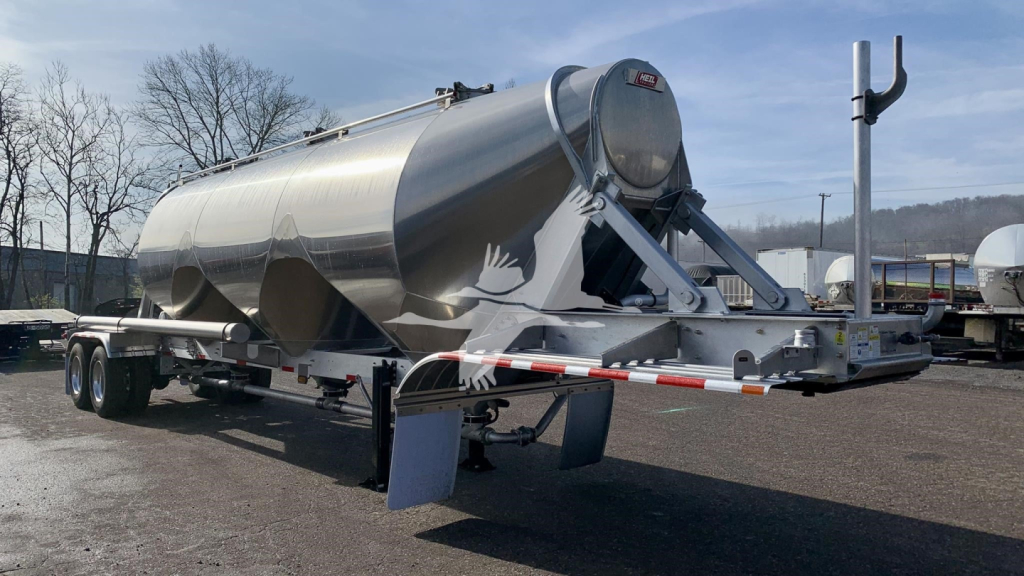
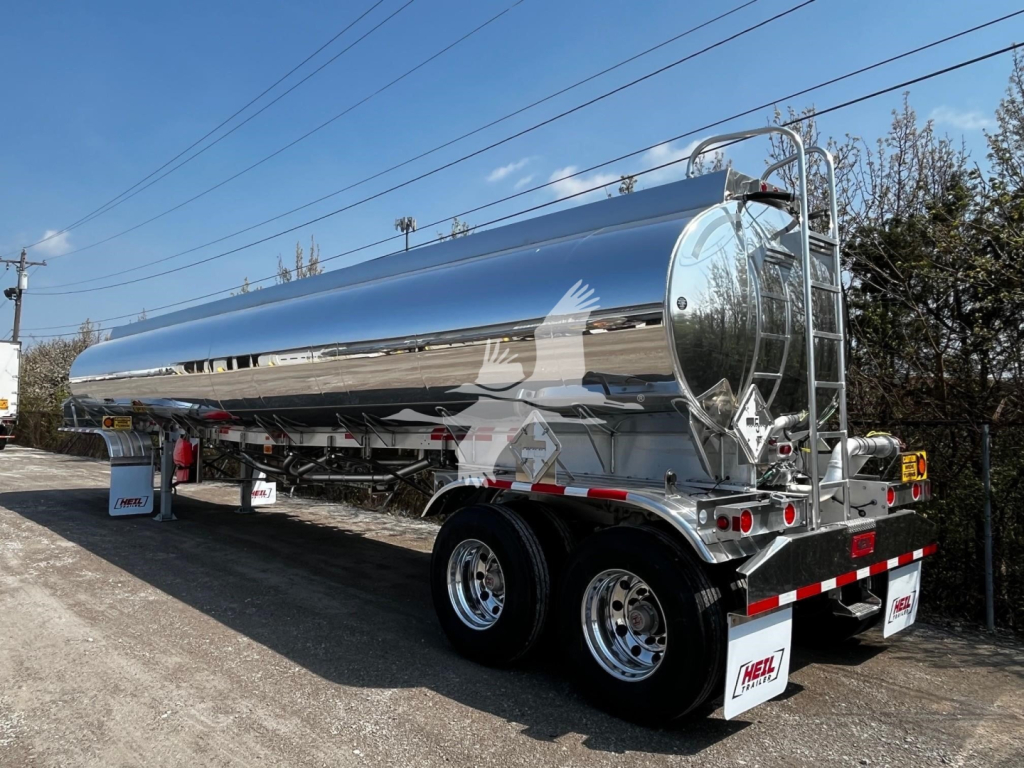
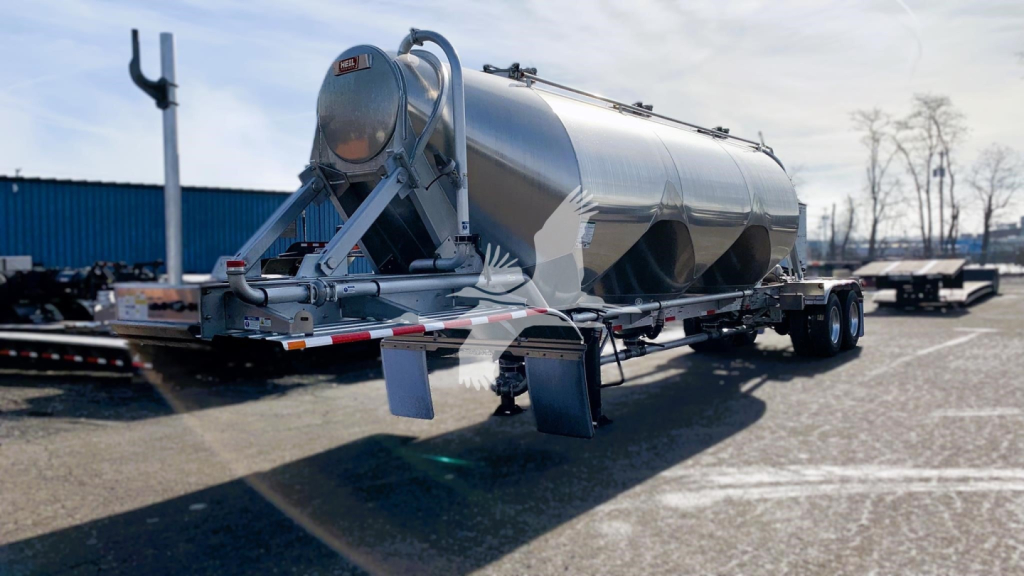
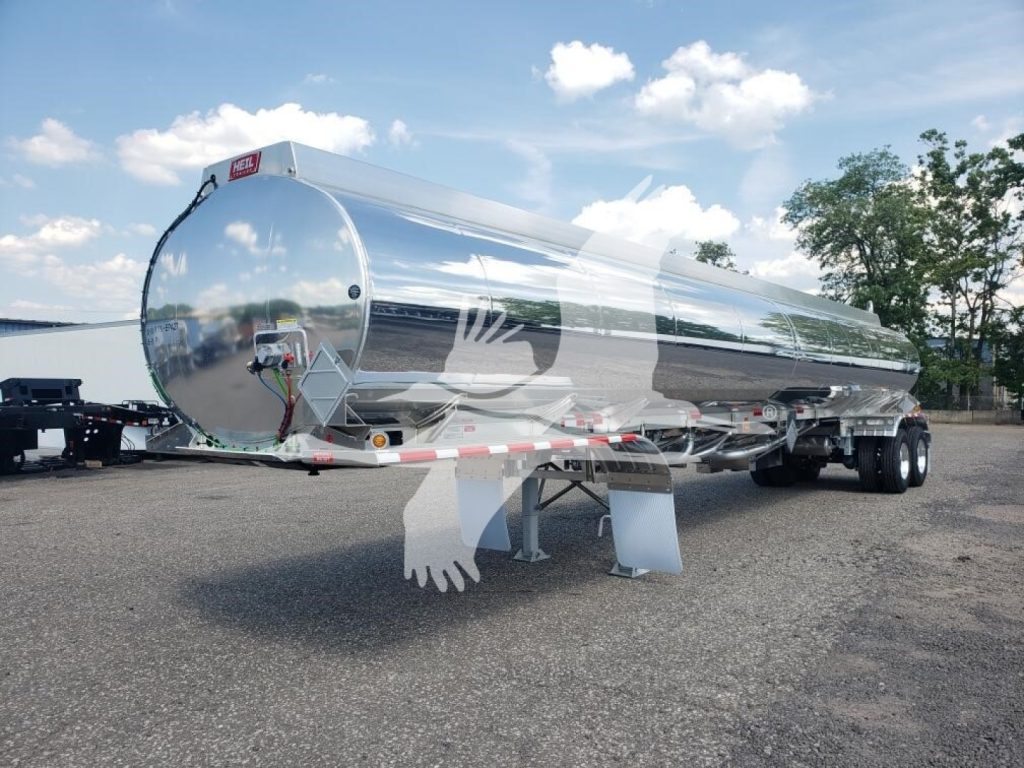
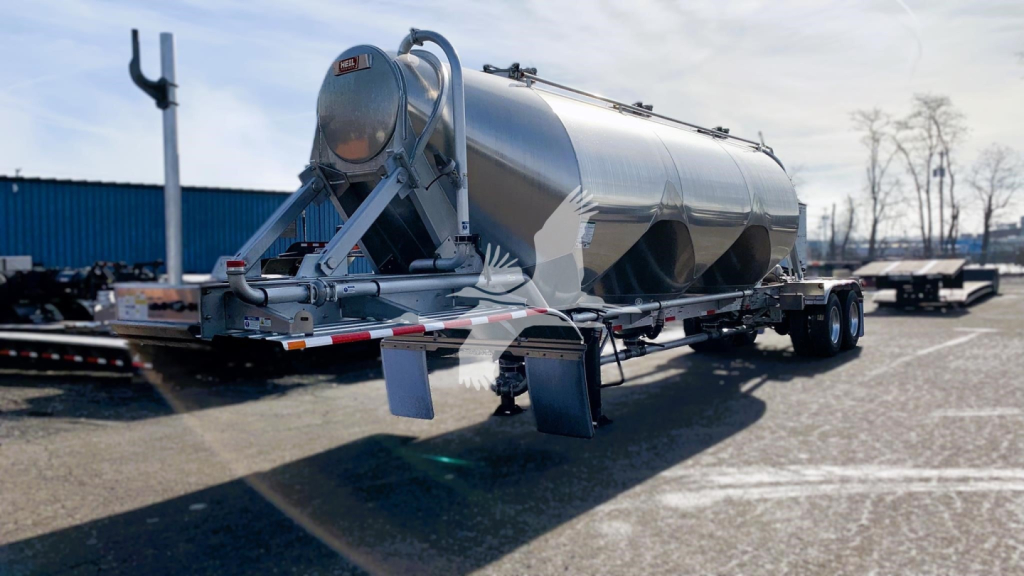
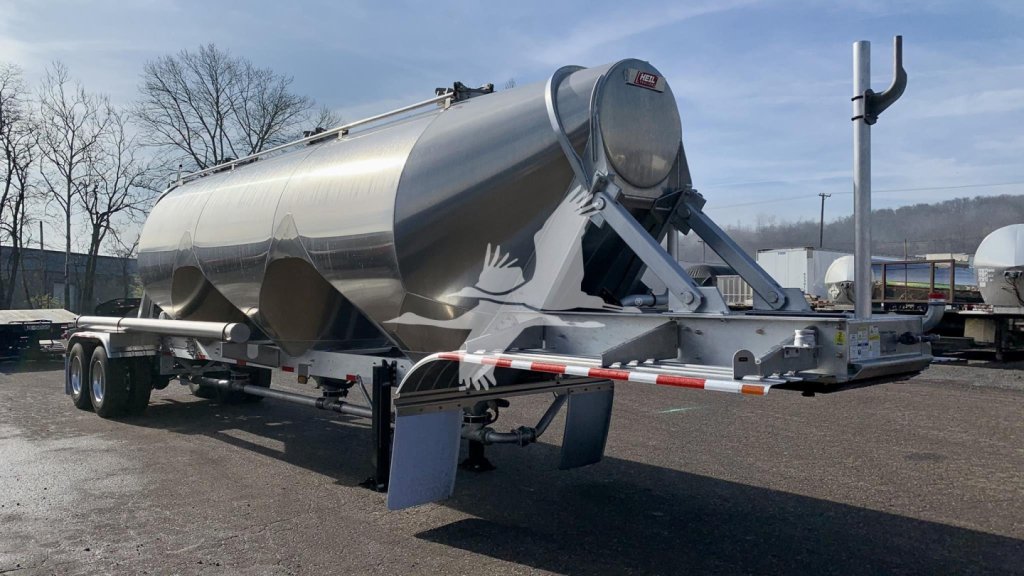
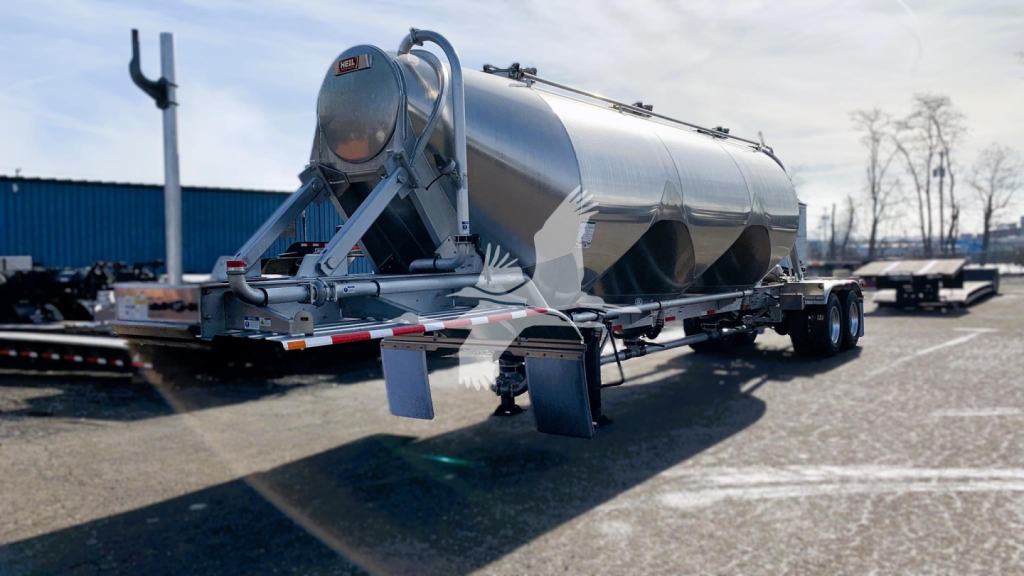
Selling a 2027 heil trailer? List your 2027 heil trailer for sale and reach thousands of commercial buyers.
2027 Heil Trailers
For petroleum work, compartment configuration matters as much as total capacity. A typical Heil gasoline trailer may be set up as a 4- or 5-compartment unit with compartment splits tailored to station delivery patterns, ethanol blending needs, and product segregation. Buyers should look closely at bulkhead type, sump and drain design, internal vapor lines, overfill equipment, and discharge hardware. Features such as Civacon overfill systems, EVO cabinets, hose tube placement, openable adaptors, and internal vapor recovery can make a real difference in delivery speed, safety compliance, and driver convenience. Axle setting, kingpin setting, and tire size also affect bridge law compliance and how well the trailer fits an established fleet spec.
Construction details are a major reason many fleets stay with Heil. Aluminum barrel and frame combinations are common on fuel trailers because they help maximize legal payload while resisting corrosion. On chemical or insulated tank configurations, stainless steel barrels, steam heat, in-transit heat, and rear discharge setups may be more important than compartment count. Suspension spec also deserves attention. Hendrickson air ride setups are common, and buyers should verify suspension capacity, brake type, wheel material, and landing gear spec against the intended duty cycle. If the trailer will be used in high-stop retail fuel service, details like LED lighting, spill containment storage, cabinet access, and fender durability carry more value than they do in longer-haul terminal-to-terminal service.
A good 2027 Heil trailer choice comes down to matching the barrel code and delivery equipment to the product hauled and the lanes served. For gasoline and diesel hauling, confirm test and inspection requirements, overfill compatibility, vapor recovery layout, and the exact compartment capacities before comparing price alone. For chemical or specialty liquid service, focus on material compatibility, insulation, heat system design, pressure manhole configuration, and discharge arrangement. Heil has long been a known name in tank trailers because the equipment is typically built around real-world serviceability, and buyers who pay attention to spec discipline usually get better uptime and easier fleet standardization.
Frequently Asked Questions about 2027 Heil Trailers
What are the most common Heil trailer configurations buyers will find?
The most common Heil trailer configurations are petroleum fuel trailers built to MC-406 specifications and liquid tank trailers built for chemical or specialty product service such as DOT 407 applications. Fuel units are often aluminum, elliptical, bottom-load trailers with 4 or 5 compartments, vapor recovery, air-operated emergency valves, and capacities around 9,200 gallons. Other Heil tank trailers may be straight-round or insulated stainless units designed for a single commodity, higher temperature control, or rear-discharge operation.
What should buyers check first on a Heil fuel trailer?
The first items to check are the tank code, total gallon capacity, compartment layout, and unloading system. After that, confirm the overfill system brand and probe arrangement, vapor recovery design, emergency valve operation, axle setting, kingpin setting, suspension spec, and tire size. On a used or nearly new petroleum trailer, current test dates, inspection status, brake condition, and barrel condition are just as important as the sale price because they directly affect compliance and time to service.
Why does compartment layout matter so much on a Heil gasoline trailer?
Compartment layout determines how efficiently the trailer can serve retail fuel stops and how much product flexibility the carrier has on each route. A 5-compartment 9,200 gallon trailer can handle different gasoline grades and diesel in one trip while reducing leftover product and improving station drop planning. The right split depends on the customer mix, terminal loading pattern, and whether the operation regularly handles ethanol blends, premium fuel, or mixed-volume convenience store deliveries.
Are Heil trailers typically built from aluminum or stainless steel?
Heil builds trailers in both aluminum and stainless steel depending on the application. Aluminum is common in petroleum transport because it reduces tare weight and supports higher legal payloads while still offering good corrosion resistance. Stainless steel is more common in chemical, insulated, or specialty liquid service where product compatibility, temperature retention, or washout requirements are a bigger concern than maximum payload.
What features improve long-term operating value on a Heil tank trailer?
The best long-term value usually comes from a trailer with a clean, fleet-friendly spec that is easy to maintain and compatible with common loading racks and terminal requirements. Features that often help include quality overfill systems, internal vapor recovery, air ride suspension, durable cabinet layout, aluminum wheels, LED lighting, corrosion-resistant frame components, and standard discharge hardware. Buyers should also consider serviceability of valves, probes, lighting, and suspension parts because small maintenance differences add up quickly in fuel and liquid-hauling operations.