
New Great Dane Trailers For Sale in Minnesota
Shop new Great Dane trailers for sale in Minnesota, including dry vans and reefers with buyer-focused specs, applications, and feature insights.
Selling a new great dane trailer? List your new great dane trailer for sale and reach thousands of commercial buyers.
New Great Dane Trailers in Minnesota
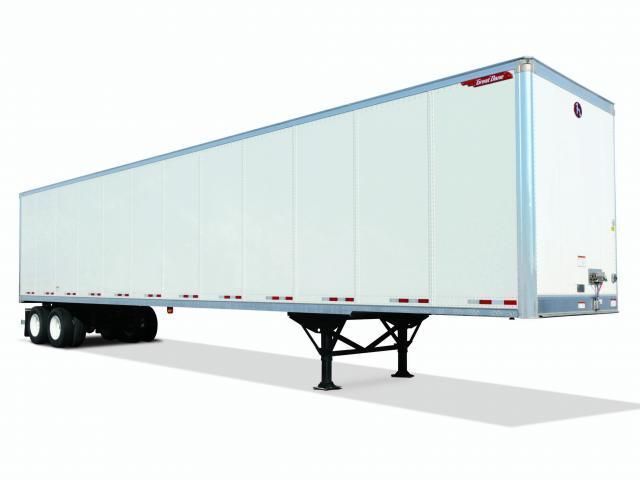
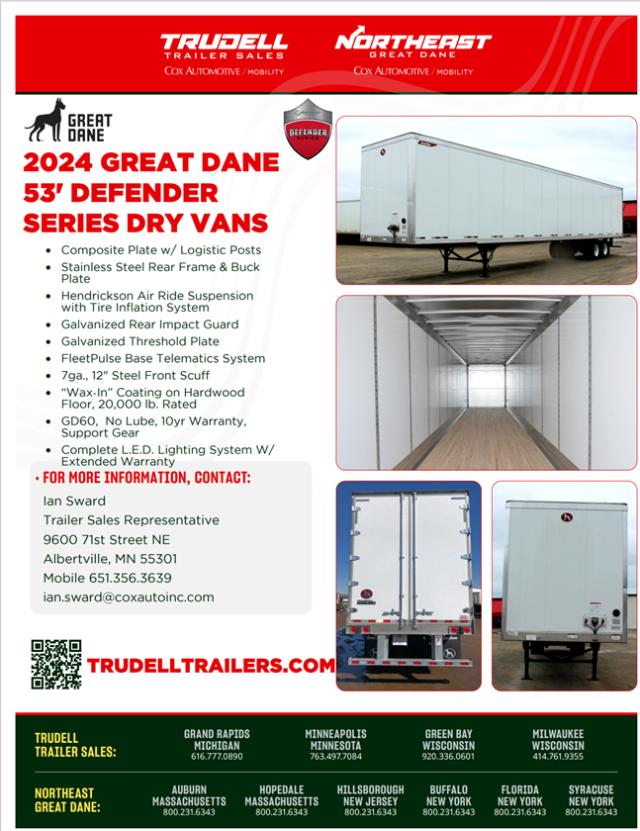
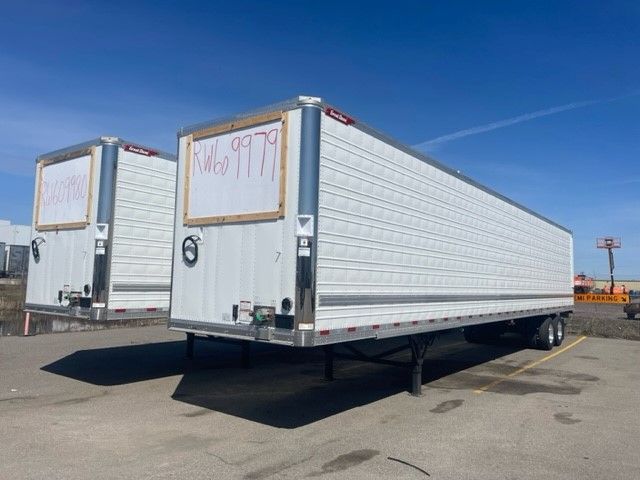
On the dry van side, composite plate van specifications are popular because they balance weight, durability, and repairability. Buyers typically compare roof design, sidewall construction, floor rating, rear frame strength, and interior protection such as scuff liners. For dock-heavy operations, pay attention to threshold reinforcement, logistic post spacing, and door hardware that can hold up to repeated loading cycles. Suspension spec, wheel-end package, and tire system options also matter. Features like automatic tire inflation systems can reduce roadside events and help protect tire life across long regional or over-the-road runs.
For reefer buyers, insulation package and trailer airtightness are just as important as the refrigeration unit itself. Great Dane refrigerated trailers are often spec'd for grocery, frozen, and multi-stop distribution, where stable temperature control and clean interior construction are critical. Common buyer considerations include stainless rear doors, interior liner material, floor design for airflow, and sidewall thickness. Disc brakes are increasingly attractive on reefer applications because they improve stopping consistency, reduce brake fade, and can simplify maintenance planning in demanding service. Options such as roll-stability systems, aerodynamic roof fairings, aluminum lift pads, rub rails, and extended interior scuff protection can add value depending on route profile and loading environment.
A new Great Dane trailer should be matched to freight density, loading method, and lane conditions, not just purchase price. Minnesota fleets often look closely at corrosion resistance, winter traction support, and hardware durability because snow, de-icing chemicals, and temperature swings can shorten component life if the spec is too light. Check axle rating, GVWR, interior height, brake type, door configuration, and telematics compatibility before comparing units. If the trailer will live on drop-and-hook freight, warehouse transfer, or food-grade reefer lanes, the right spec choices up front usually matter more than a long options list.
Frequently Asked Questions about New Great Dane Trailers in Minnesota
What types of new Great Dane trailers are most common in Minnesota?
The most common new Great Dane trailers in Minnesota are 53-foot dry vans and 53-foot refrigerated trailers. Dry vans are widely used for packaged freight, retail, and general distribution, while reefers are common in food, beverage, dairy, and frozen freight. Minnesota buyers often prioritize specs that handle cold weather, frequent dock use, and year-round regional service.
Are disc brakes worth considering on a new Great Dane reefer?
Disc brakes are a strong consideration for reefer service because they generally provide more consistent braking, better heat management, and easier brake inspection than drum systems. For fleets running heavy loads, multi-stop routes, or winter conditions, disc brakes can support shorter stopping performance and more predictable maintenance intervals. The value depends on duty cycle, shop familiarity, and total lifecycle cost rather than upfront price alone.
What should I look for in a new Great Dane dry van spec?
The key dry van decisions usually include trailer body construction, floor capacity, rear frame reinforcement, brake system, suspension, and interior protection. Composite plate van construction is popular because it offers a practical mix of weight control and durability. Buyers should also review scuff liner height, logistics track or post layout, roof material, door hardware, and tire management features if the trailer will see high-cycle freight or drop-and-hook use.
What reefer trailer features matter most for temperature-controlled freight?
Insulation quality, airtight construction, floor airflow design, liner material, and door sealing are some of the most important reefer trailer features. Those components work together with the refrigeration unit to maintain stable box temperature and protect product integrity. Buyers moving frozen or sensitive loads should also look at interior damage protection, washout-friendly construction, and any options that support multi-stop delivery efficiency.
How important is trailer spec for Minnesota operating conditions?
Trailer spec is especially important in Minnesota because winter weather, road treatment chemicals, and freeze-thaw cycles can accelerate wear on brakes, wiring, doors, and running gear. Corrosion resistance, reliable door hardware, brake performance, and durable wheel-end components deserve close attention. A trailer built for the region can reduce downtime, improve safety, and hold its value better over time.