
Great Dane Trailers For Sale in Georgia
Shop Great Dane trailers for sale in Georgia. Compare dry van specs, construction, dimensions, suspension, doors, and fleet-ready options.
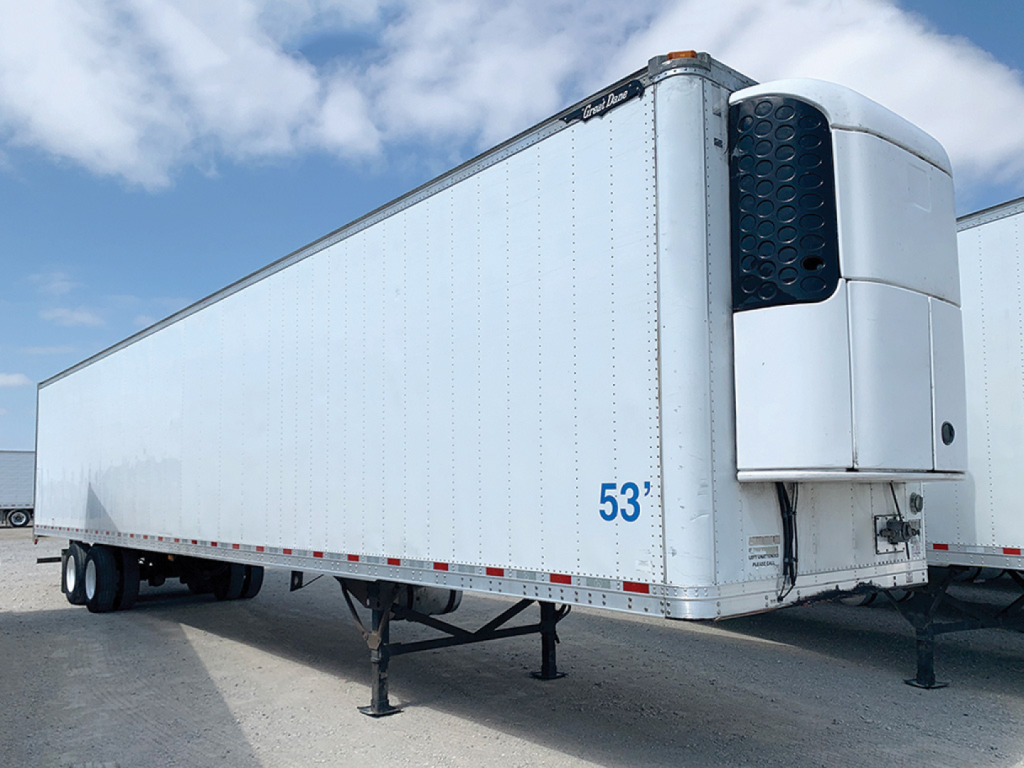
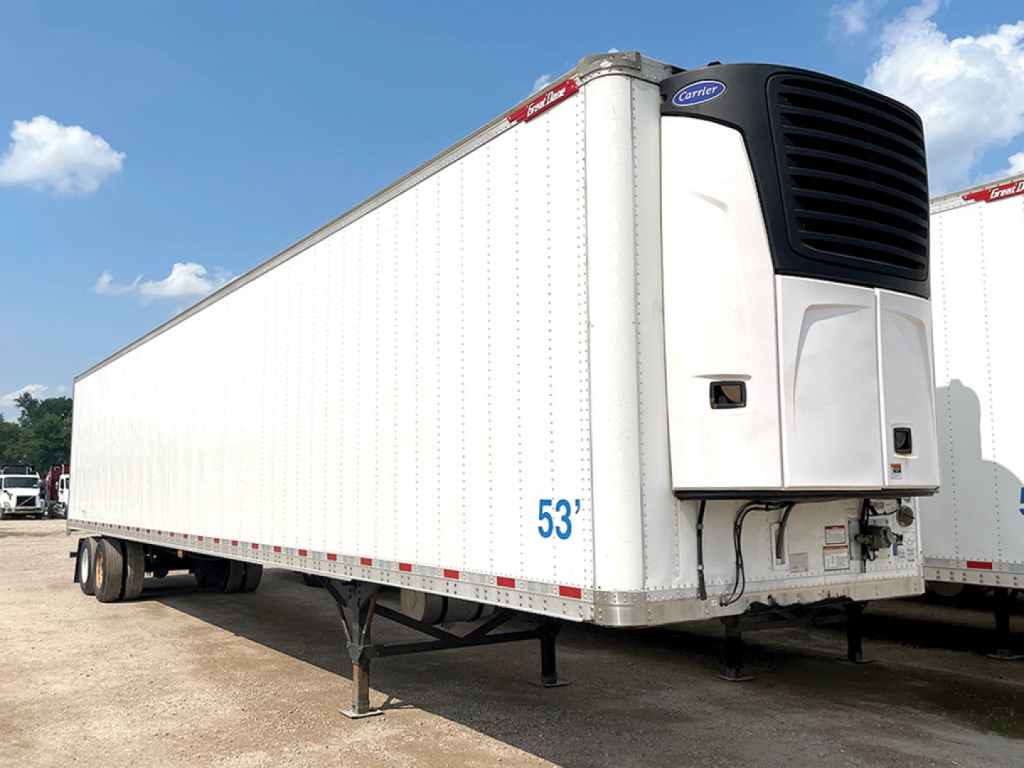
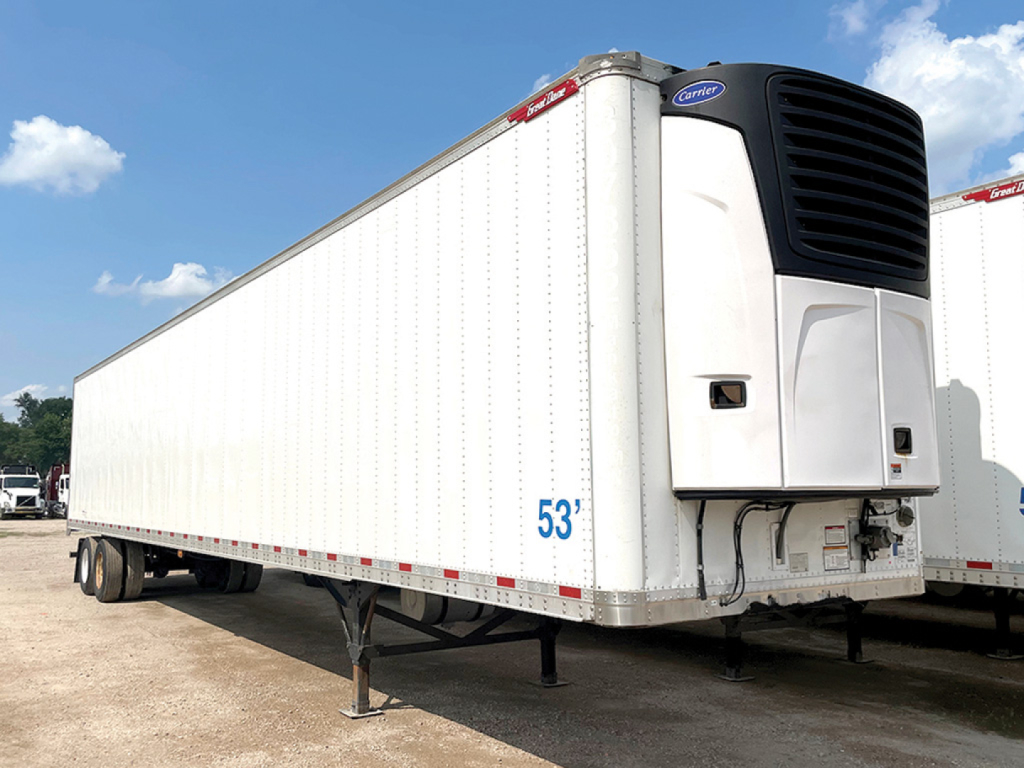
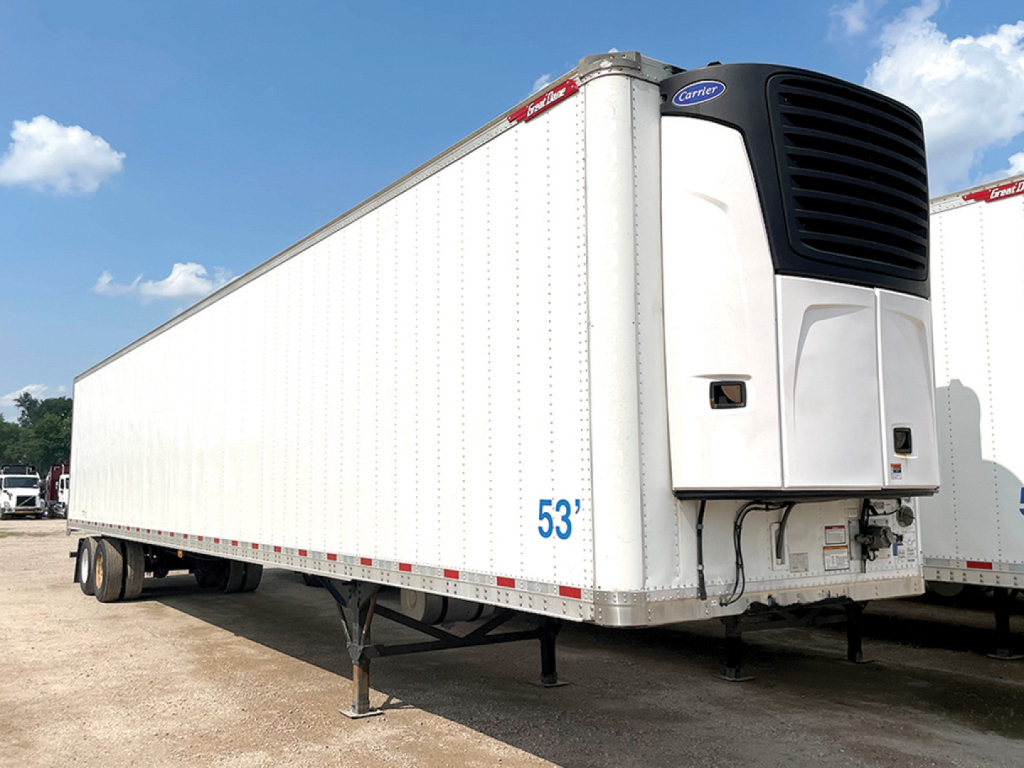
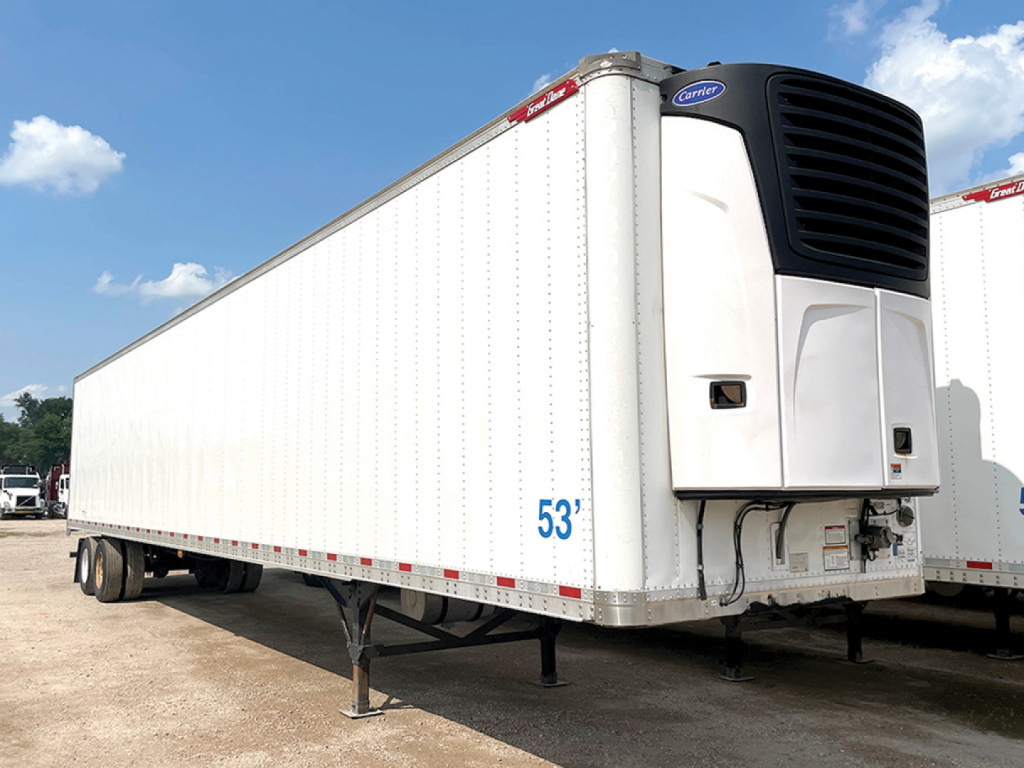
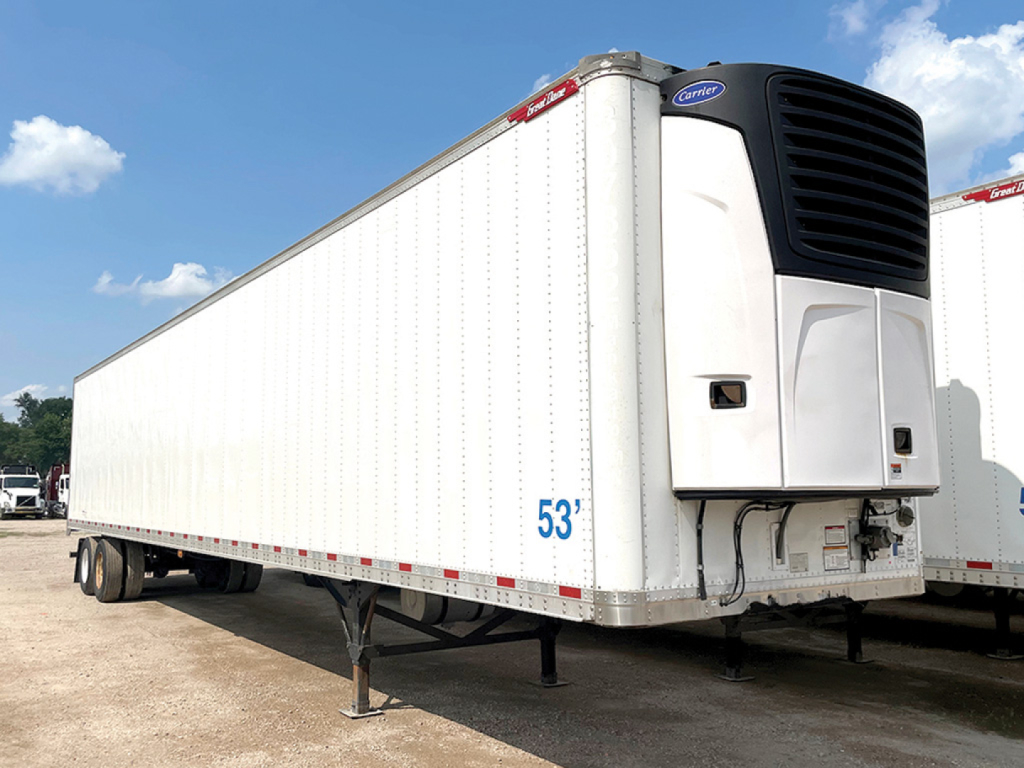

Showing 25 to 38 of 38 results
Have great dane trailer to sell? List it here to reach thousands of buyers.
Great Dane Trailers in Georgia
A buyer comparing Great Dane trailers should start with body condition and floor life. On van trailers, pay close attention to roof skin, sidewall repairs, crossmembers, threshold plate wear, rear frame condition, and signs of forklift damage inside the nose and door area. Scuff liners and threshold plates help protect the trailer in heavy loading cycles, but repeated warehouse use can still lead to cracked floors, damaged logistics tracks, and fatigue around the rear structure. If the trailer is logistics equipped, inspect the tracking system for bent rails, missing hardware, and compatibility with your load securement methods. Door seal condition, hinge wear, and proper door alignment also matter if the trailer will run in mixed weather across Georgia and surrounding states.
Running gear is the next major decision point. Many Great Dane vans are spec'd with air ride and sliding tandem suspensions, which are important for load protection, axle scaling, and route flexibility. In Georgia, especially around Atlanta freight corridors and port-related traffic moving inland from Savannah, a sliding tandem can help with bridge law compliance and dock positioning. Check suspension wear, axle alignment, brake type, wheel condition, and tire size, including whether the trailer is riding on low-profile 22.5 rubber or standard 22.5 assemblies. Buyers should also verify trailer height and inside height if they are maximizing cube on consumer goods, paper products, or lighter palletized freight.
Great Dane has long been a recognized name in dry freight equipment, so resale value and service familiarity are usually positives. The right trailer depends on freight profile and loading frequency more than brand alone. A warehouse-intensive operation may prioritize a stronger floor, healthy scuff protection, and clean logistics rails, while a highway-heavy fleet may focus on suspension condition, straight panels, and clean rear frame structure. For Georgia buyers, the best value usually comes from matching trailer age, structural condition, and spec package to the lane, dock environment, and cargo type the trailer will handle every week.
Frequently Asked Questions about Great Dane Trailers in Georgia
What types of Great Dane trailers are most common for sale in Georgia?
The most common Great Dane trailers on the used market in Georgia are 53-foot dry vans. These trailers are widely used for general freight, retail shipments, consumer goods, and dock-to-dock distribution. Buyers will also see common fleet specs such as 102-inch width, swing doors, wood floors, logistics posts or track systems, air ride suspension, and sliding tandems because those configurations fit regional and over-the-road freight operations well.
What should I inspect first on a used Great Dane dry van trailer?
Start with the structural and cargo-contact areas. Inspect the floor for soft spots, patches, rot, or forklift damage. Check the rear frame, threshold plate, door frame, and roof for wear or repairs. Inside the trailer, look at the scuff liners, sidewalls, and logistics tracks for heavy impact damage. Then move to the running gear, including suspension components, brakes, tires, wheels, and tandem slide operation. A clean exterior matters less than a sound floor, straight structure, and healthy undercarriage.
Is air ride suspension important on a Great Dane van trailer?
Air ride is important for many freight applications because it reduces cargo shock and generally improves ride quality compared with basic spring ride setups. It is especially useful for palletized consumer goods, packaged products, and other freight that benefits from better load protection. Air ride trailers are also common in fleet service, so they are easy to place into mixed operations. Buyers should still inspect air bags, valves, lines, shocks, and suspension bushings because repair costs can add up quickly on neglected trailers.
Why does a sliding tandem matter on a 53-foot van trailer?
A sliding tandem gives the operator flexibility to adjust axle position for weight distribution, bridge law compliance, and loading dock requirements. This is especially useful in regional freight networks where trailer weights and route conditions vary from load to load. A tandem slide that moves properly and locks securely is a practical advantage, but buyers should inspect the slider rails, pins, bushings, and crossmember area for corrosion, wear, or impact damage.
Are Great Dane trailers a good fit for general freight operations?
Great Dane trailers are widely used in general freight service because they are available in standard fleet-friendly configurations, have broad parts familiarity, and are designed for repeated loading cycles. A properly maintained Great Dane dry van can serve well in retail distribution, manufacturing freight, and linehaul work. The key is not just the badge on the nose. Buyers should match the trailer's floor condition, interior protection, suspension spec, and overall structural health to the freight they actually haul.