
Great Dane Trailers For Sale in Colorado
Shop Great Dane trailers for sale, including reefer trailers with 53-foot lengths, air ride suspension, sliding tandems, and popular Thermo King units.
Learn more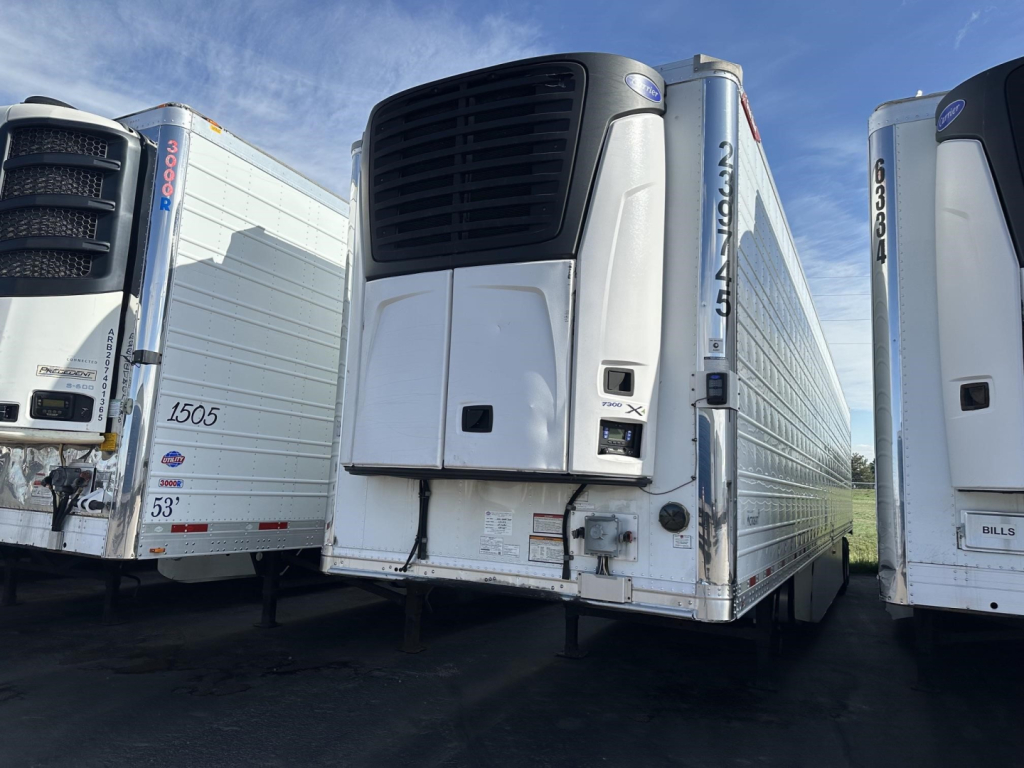
Showing 25 to 28 of 28 results
Have great dane trailer to sell? List it here to reach thousands of buyers.
About Great Dane Trailers in Colorado
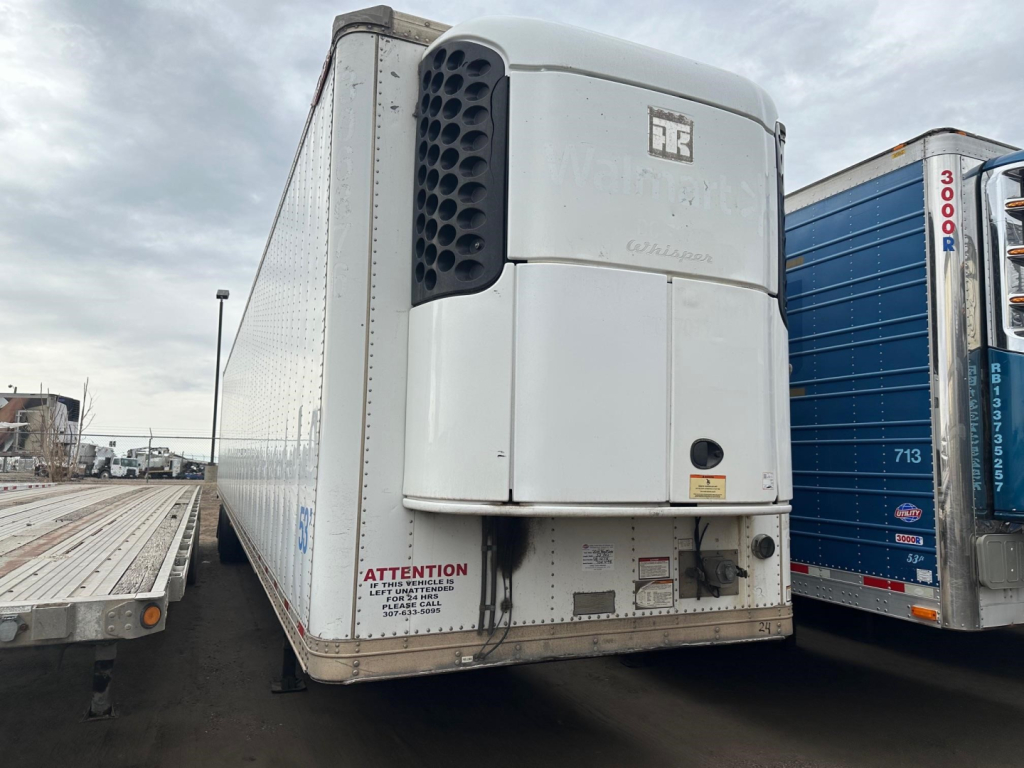
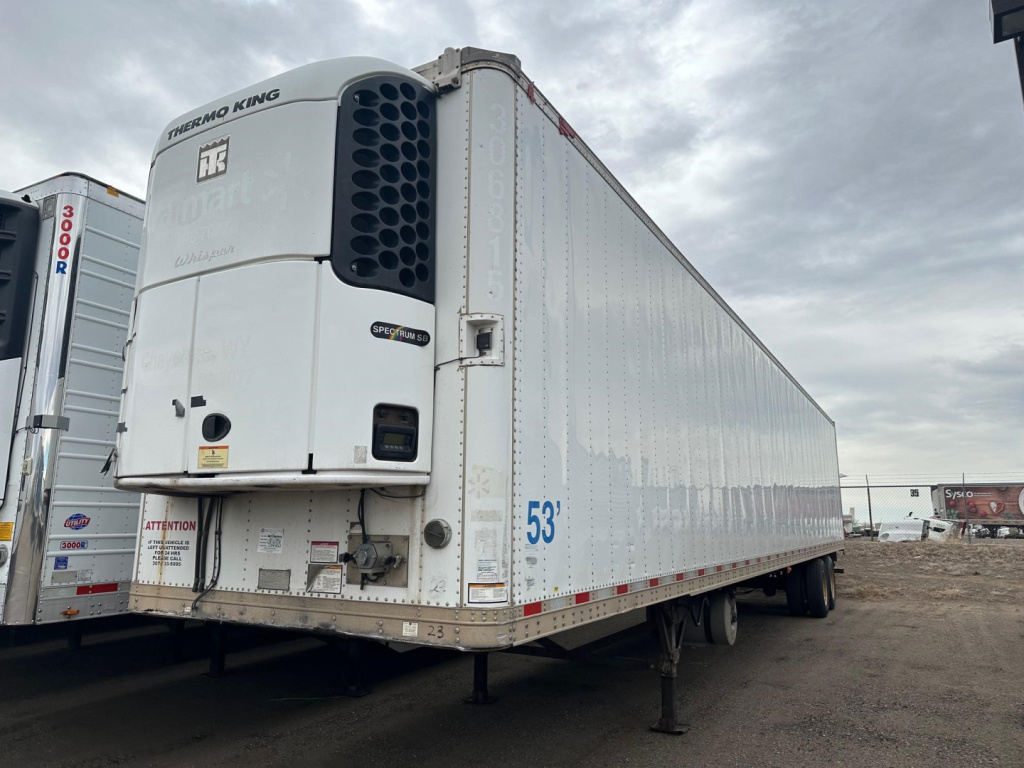
On used Great Dane reefer trailers, the refrigeration unit spec matters as much as the trailer itself. Common pairings include Thermo King S-600 or Precedent units and Carrier X4-series systems, with some trailers set up for multi-temp service. Buyers should compare reefer hours, start-run configuration, CARB compliance status, and service history before focusing on cosmetics. Floor type is another major decision point. Aluminum duct floors help move air under pallets and are common in produce and frozen applications, while flat floors can make loading easier for certain operations. Rear swing doors are still preferred by many fleets for seal and durability, but roll-up doors can be useful in frequent-stop delivery work.
Great Dane trailer specs often include air ride suspension, air pin sliders, low-profile 22.5 tires, and either steel or aluminum wheels depending on weight targets and maintenance preference. Practical options such as side skirts, PSI tire inflation systems, rear vents, scuff liners, bulkheads, and reefer chutes can make a real difference in operating cost and cargo protection. Closed tandems may appeal to fleets with consistent lane requirements, while sliding tandems provide more flexibility for bridge law compliance and dock positioning. Buyers running heavy palletized freight should pay close attention to floor wear, crossmember condition, door frame integrity, and any signs of moisture intrusion around seams and front wall areas.
For many operations, a Great Dane reefer is less about brand image and more about predictable fleet performance. The key is matching the trailer's insulation package, door configuration, floor design, and refrigeration unit to the freight mix. A trailer hauling frozen food on long interstate runs has different needs than one handling multi-stop dairy or produce in the Front Range. When comparing Great Dane trailers for sale, the best value usually comes from a clean structural history, a well-documented reefer unit, and specs that fit your lanes without adding unnecessary tare weight or maintenance complexity.
Frequently Asked Questions
What should I look at first when buying a used Great Dane reefer trailer?
Start with the refrigeration unit, floor condition, and structural integrity. Reefer hours, service records, CARB compliance, and whether the unit is start-stop or continuous run all affect operating cost and suitability. Then inspect the floor for wear, soft spots, or damage from forklifts, and check the front wall, roof seams, rear frame, and door openings for signs of leaks, corrosion, or impact damage. A clean trailer with a weak reefer unit can become expensive quickly, so the trailer box and refrigeration system need to be evaluated together.
Are Great Dane trailers good for temperature-controlled freight?
Great Dane trailers are widely used in refrigerated freight because they are known for durable insulated bodies, solid door hardware, and broad parts and service support. Many are spec'd with aluminum duct floors, scuff liners, bulkheads, and quality reefer unit pairings from Thermo King or Carrier. That makes them a practical fit for frozen food, produce, dairy, and general cold-chain distribution. The exact performance depends on the insulation package, door type, floor design, and the condition of the refrigeration unit.
What reefer unit brands are common on Great Dane trailers?
Thermo King and Carrier are the most common refrigeration unit brands found on Great Dane reefer trailers. Thermo King S-600 and Precedent series units are common in fleet service, and Carrier X4-series units also show up frequently. Buyers should not assume one brand is automatically better for every operation. Local dealer support, technician familiarity, parts availability, and the unit's maintenance history are usually more important than the badge on the nose.
Do sliding tandems matter on a Great Dane trailer?
Yes. Sliding tandems give you more flexibility for axle weight distribution, bridge law compliance, and dock approach in different freight and routing situations. They are especially useful in mixed freight operations and multi-state lanes where axle placement can affect legal loading. A fixed or closed tandem setup can be simpler, but it offers less flexibility. On a used trailer, inspect the slider rails, locking pins, and air pin slider operation closely because those components see a lot of wear.
What floor type is best in a Great Dane reefer trailer?
The right floor depends on the freight. Aluminum duct floors are common in refrigerated service because they support airflow under the load, which helps maintain even temperature throughout the trailer. They are a strong choice for frozen and produce applications. Flat floors can work well in certain delivery operations where loading pattern or rolling equipment matters more than underfloor air channeling. In either case, floor condition is critical, and buyers should inspect for bent sections, excessive wear, and repairs that could affect forklift use or airflow.