
Great Dane Reefer Trailers For Sale in Colorado
Shop Great Dane reefer trailers for sale in Colorado. Compare multi-temp, roll door, liftgate, suspension, floor, and refrigeration specs.
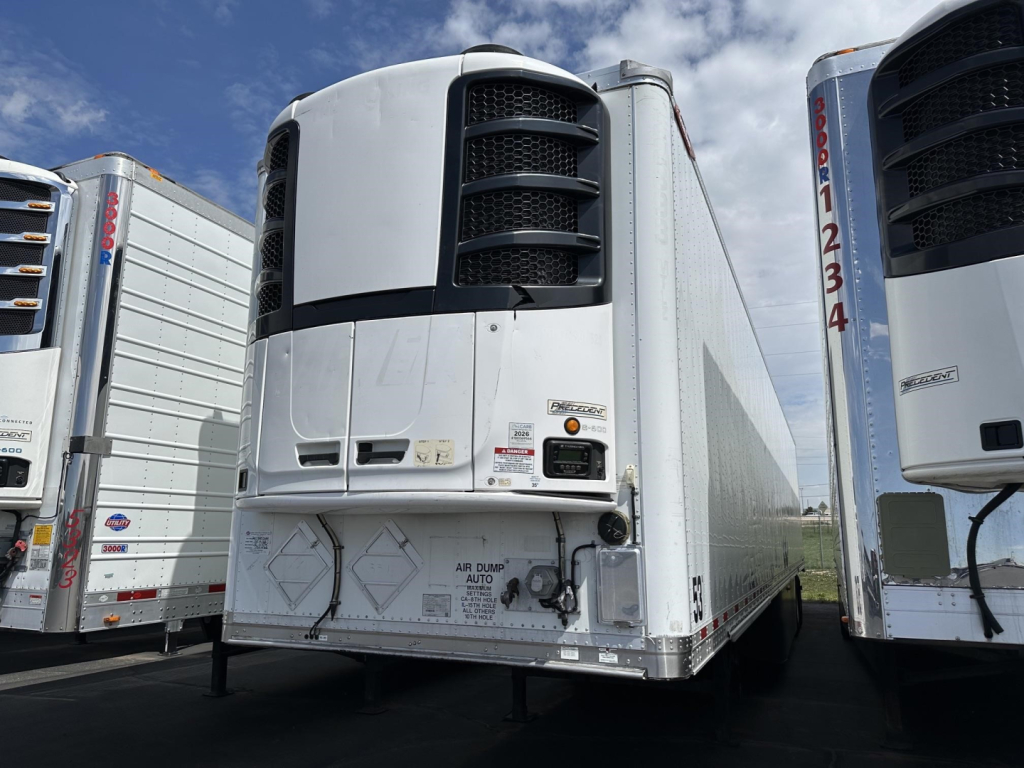
2017 Great Dane Air Ride Reefer
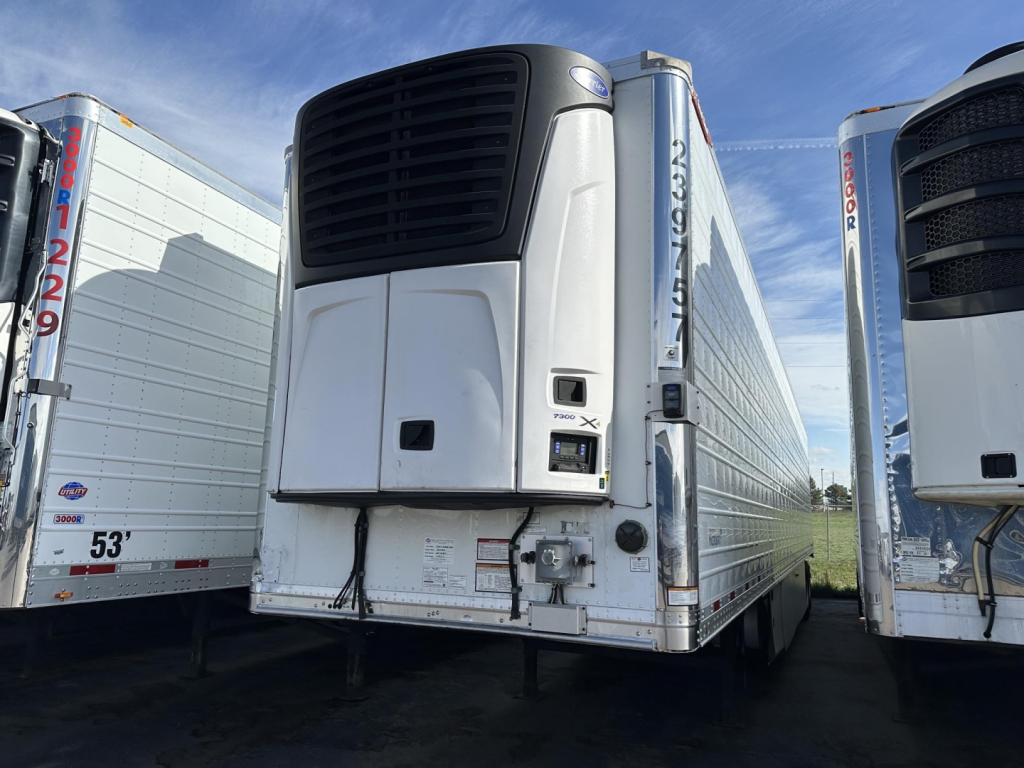
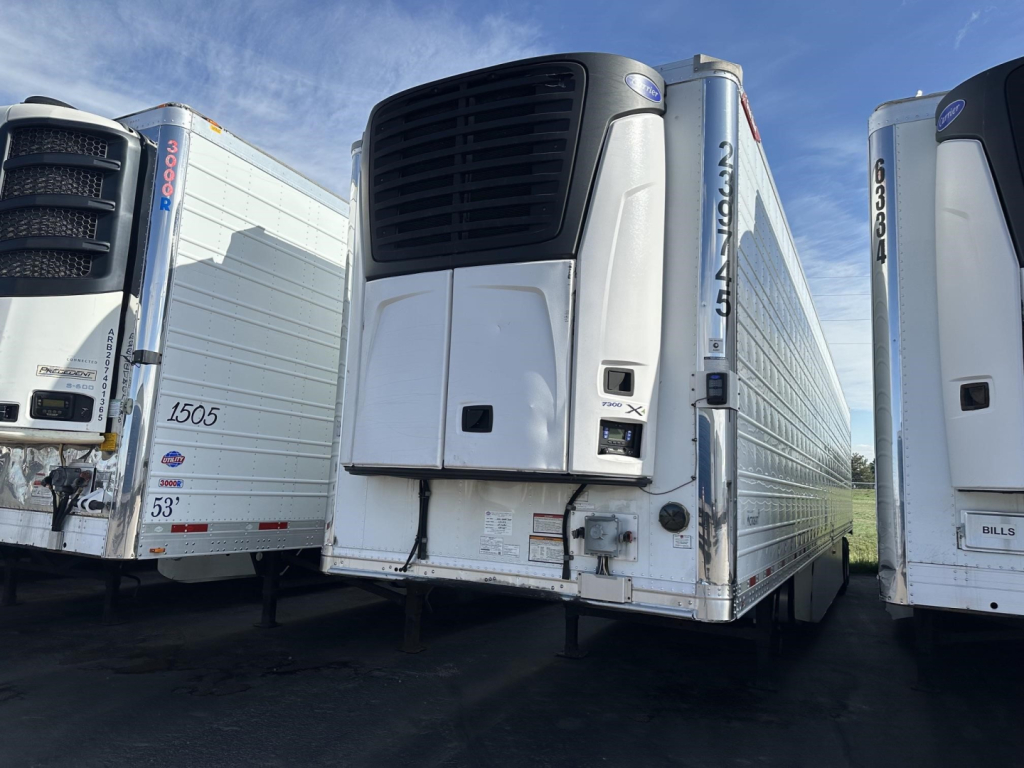
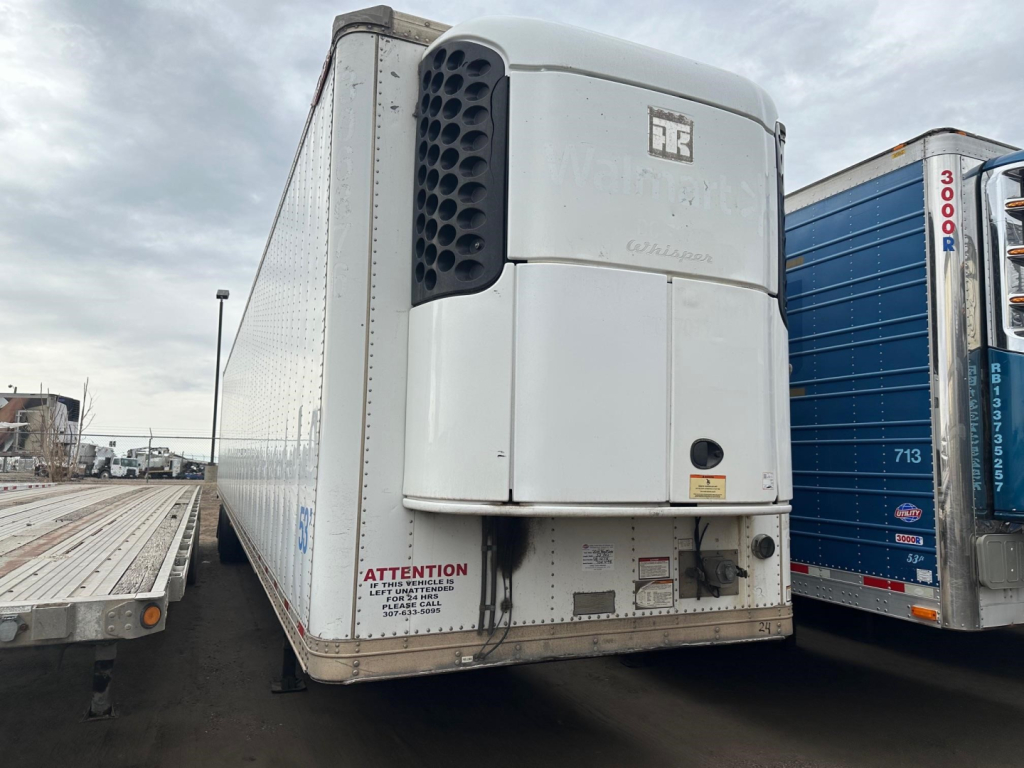
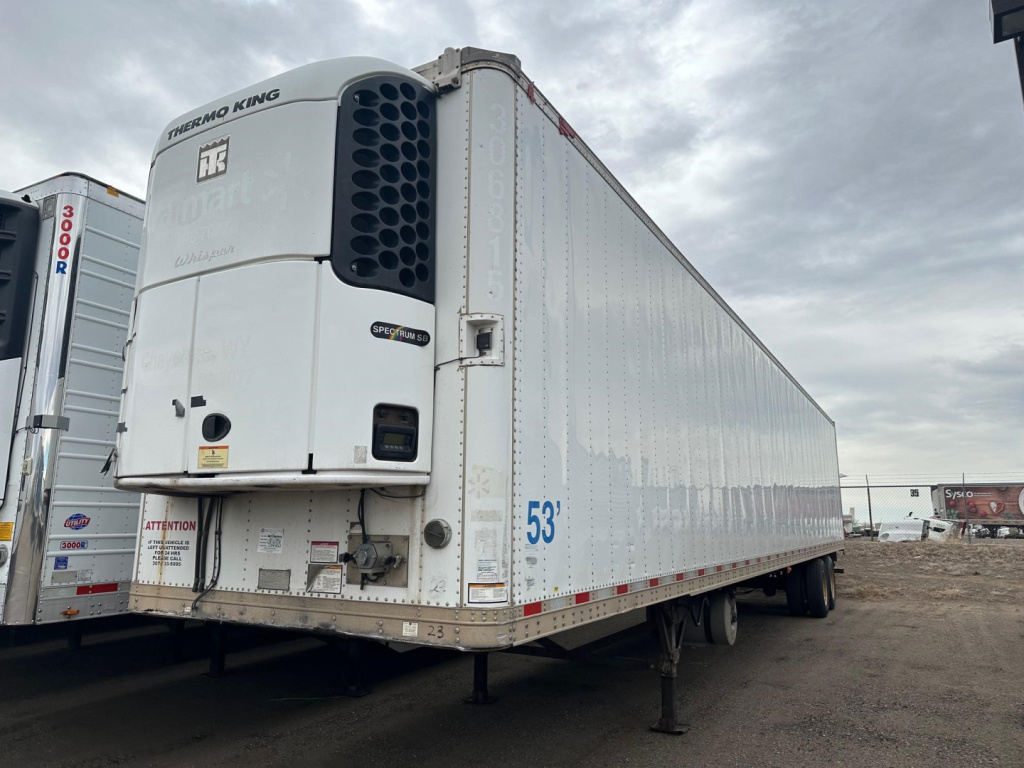
Selling a great dane reefer trailer? List your great dane reefer trailer for sale and reach thousands of commercial buyers.
Great Dane Reefer Trailers in Colorado
A lot of the buying decision comes down to cargo handling and door configuration. Great Dane reefers are often spec'd with swing doors for maximum rear opening and dock access, but roll doors can make sense for urban delivery or repeated stop work where speed and clearance matter. Side doors, liftgates, and E-track can be important if the trailer is handling palletized food, dairy, floral, or pharmaceutical freight without consistent dock access. Interior details such as aluminum flat floors, wood floors, scuff plates, wearbands, and stainless door frames tell you a lot about the trailer's prior service and what it is best suited for next. Flat aluminum floors generally favor easier washout and high-cycle distribution, while floor condition overall should be checked closely for forklift wear, soft spots, and heavy traffic damage.
On Great Dane reefers, suspension and running gear specs deserve as much attention as the reefer unit. Air ride with a sliding tandem is a common fleet spec because it helps with ride quality, dock positioning, and bridge-law flexibility. Spring ride and closed tandem setups are still seen, especially on older trailers. Tire size, wheel material, and options like tire inflation systems can affect operating cost over time. Buyers should also look at the refrigeration unit brand and model, service history, hour meter, evaporator count, fuel tank condition, and whether the trailer is set up for single-temp or multi-temp use. Thermo King units are common in this category, and the exact unit matters because it affects pull-down performance, parts availability, and maintenance planning.
For Colorado operations, pay attention to insulation integrity, door seals, and structural condition before focusing on cosmetics. A reefer trailer that has good floors, tight doors, a sound front wall, and a well-maintained unit will usually outperform a cleaner-looking trailer with hidden air leaks or deferred reefer service. Great Dane's insulated van design has long been used in grocery, produce, frozen food, meat, and route delivery applications, so buyers can often match the trailer to either over-the-road or local distribution work. If the job requires frequent compartmentalized delivery, prioritize multi-temp hardware, extra evaporators, and cargo control. If the trailer will stay in long-haul single-commodity service, simpler single-zone specs may be easier to maintain and cheaper to operate.
Frequently Asked Questions about Great Dane Reefer Trailers in Colorado
What should I look for first when buying a used Great Dane reefer trailer?
Start with the refrigeration unit, insulation integrity, and floor condition. The reefer unit's hours, service records, pull-down performance, and evaporator setup tell you how well the trailer can actually protect a load. After that, inspect door seals, front wall condition, roof, side panels, and the floor for forklift wear or moisture damage. On a reefer, hidden air leaks and insulation problems usually matter more than cosmetic appearance.
Are Great Dane reefer trailers good for multi-temp freight?
Yes, many Great Dane reefers are well suited for multi-temp service when they are equipped with the right reefer unit, bulkhead arrangement, and multiple evaporators. Multi-temp trailers are commonly used in grocery and foodservice distribution because they allow frozen, refrigerated, and fresh product to move in the same trailer. Buyers should confirm the number of zones, evaporators, and the condition of the bulkheads and interior controls before assuming a trailer is ready for true multi-compartment work.
Is a roll door or swing door better on a reefer trailer?
It depends on the application. Swing doors usually provide the widest unobstructed rear opening and are common for dock loading and long-haul freight. Roll doors can be useful for route delivery, tight yards, and repeated stop work because they open quickly and do not require rear swing clearance. The tradeoff is added door mechanism complexity and, in some cases, a slight reduction in opening efficiency or maintenance simplicity compared with traditional swing doors.
What trailer specs matter most for Colorado reefer operations?
Colorado buyers should pay close attention to insulation condition, reefer performance in extreme weather, and running gear that matches mountain and regional use. Strong door seals, a healthy unit, and a sound trailer body are important because large temperature swings can expose weak insulation fast. Suspension type, tandem slider setup, tire condition, and brake spec also matter if the trailer will see elevation changes, mixed interstate use, and frequent local deliveries along the Front Range.
How important are floor type and interior options on a Great Dane reefer?
They are very important because they affect washout, loading style, cargo securement, and long-term maintenance. Aluminum flat floors are common in high-cycle distribution and are generally easier to clean, while wood floors may still be found on older units and should be inspected carefully for wear and moisture issues. Interior options like scuff liners, wearbands, E-track, cold chutes, and side doors can make a trailer much more useful for specific freight such as foodservice, grocery, dairy, or mixed pallet deliveries.