
New Gallegos Trailers For Sale in Texas
Have new gallegos trailer to sell? List it here to reach thousands of buyers.
New Gallegos Trailers in Texas
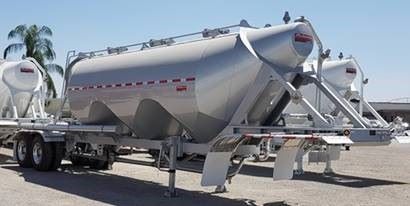
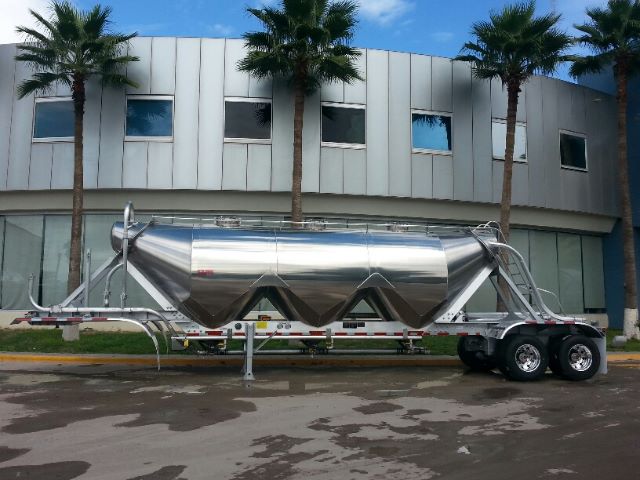
A typical Gallegos pneumatic trailer in this class is a 42-foot tandem axle unit with air ride suspension, 24.5 wheels, and a pressure-rated vessel designed for blower unloading. Specs commonly seen include approximately 1040 cubic feet of capacity, aluminum or steel construction, Atlas Holland landing gear, Hendrickson INTRAAX or similar pneumatic suspension, and dual hose tubes for carrying discharge hose. Buyers should pay close attention to empty weight, hopper material thickness, chassis construction, and the discharge setup, since those details affect payload, product flow, maintenance, and service life.
Discharge design matters as much as shell construction on a dry bulk trailer. Features such as flow cone vibration systems and BTI Sandhog bottom drop tees are intended to improve material movement and reduce bridging with difficult commodities. That is especially relevant in Texas markets where trailers may be used across cement plants, frac sand routes, ready-mix supply, and industrial bulk delivery. If the trailer will spend most of its time on high-cycle regional work, suspension durability, hopper access, hose storage, and overall ease of cleanout deserve close review alongside cubic capacity.
New Gallegos trailers can be a strong fit for owner-operators and bulk fleets that want a straightforward pneumatic platform with practical spec choices. The best match depends on commodity density, target payload, route conditions, and unloading requirements at customer sites. A lighter aluminum unit may pencil out better for payload-sensitive work, while a heavier steel build may make sense in severe-duty service. On any new pneumatic dry bulk trailer, buyers should confirm pressure test ratings, axle and tire specifications, frame material, and how the trailer is configured for the blower and hose arrangement used in their operation.
Frequently Asked Questions about New Gallegos Trailers in Texas
What are Gallegos trailers commonly used for?
Gallegos trailers in this category are commonly used as pneumatic dry bulk trailers for hauling products such as cement, sand, fly ash, lime, and other powdered or granular materials that unload with air pressure. They are built for operations that need enclosed bulk transport and controlled pneumatic discharge at plants, job sites, terminals, and industrial customers.
Should I choose an aluminum or steel Gallegos pneumatic trailer?
Aluminum usually makes the most sense when payload matters most, because the lower tare weight can increase legal carrying capacity. Steel can be attractive for buyers who want a rugged build, are comfortable with steel repair practices, or operate in service conditions where impact resistance and lower initial acquisition cost are priorities. The right choice depends on commodity density, annual miles, maintenance approach, and expected resale strategy.
What capacity is typical for a Gallegos dry bulk trailer?
A common size in this category is around 1040 cubic feet, often on a 42-foot tandem axle chassis. That capacity fits many bulk commodity applications, but the real-world usefulness depends on product density. Light materials may cube out before hitting gross weight, while heavier products may gross out before using the full volume, so capacity should be matched to the material being hauled.
Why are flow cone vibration systems and bottom drop tees important?
These components help improve product flow during unloading. A flow cone vibration system can reduce bridging and keep material moving toward the discharge points, while bottom drop tees such as BTI Sandhog setups are designed to support efficient pneumatic unloading. They matter most when hauling materials that tend to pack, bridge, or discharge inconsistently.
What specs should I verify before buying a new pneumatic dry bulk trailer?
The most important items to verify are empty weight, vessel capacity, body and hopper material thickness, pressure and hydrostatic test ratings, suspension type, axle capacity, wheel and tire size, landing gear, and hose tube configuration. Buyers should also confirm compatibility with their blower setup, commodity type, unloading pressure requirements, and any plant or customer site restrictions that affect trailer length, axle spread, or discharge connections.