
New Gallegos Trailers For Sale
Have new gallegos trailer to sell? List it here to reach thousands of buyers.
New Gallegos Trailers
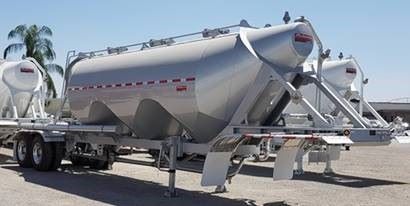
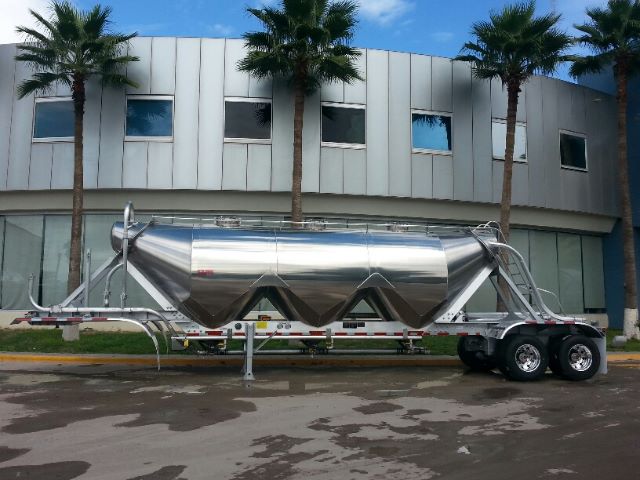
On the dry bulk side, Gallegos pneumatic trailers are typically seen in 42-foot tandem axle configurations with capacities around 1,040 cubic feet. Aluminum construction is favored when payload is the priority, while steel bodies can make sense for severe-duty environments where abrasion resistance and long-term durability outweigh tare weight. Common specs include air ride suspension, 11R24.5 rubber, aluminum wheels, hose tubes, landing gear from established suppliers, and flow cone vibration systems with bottom drop discharge components. Buyers comparing pneumatic trailers should pay close attention to vessel construction, hopper thickness, pressure test ratings, discharge plumbing, and how the trailer is set up for the commodities they move every day. A few hundred pounds of tare weight can matter, but so can access to replacement parts, ease of cleanout, and the reliability of the aeration and vibration system.
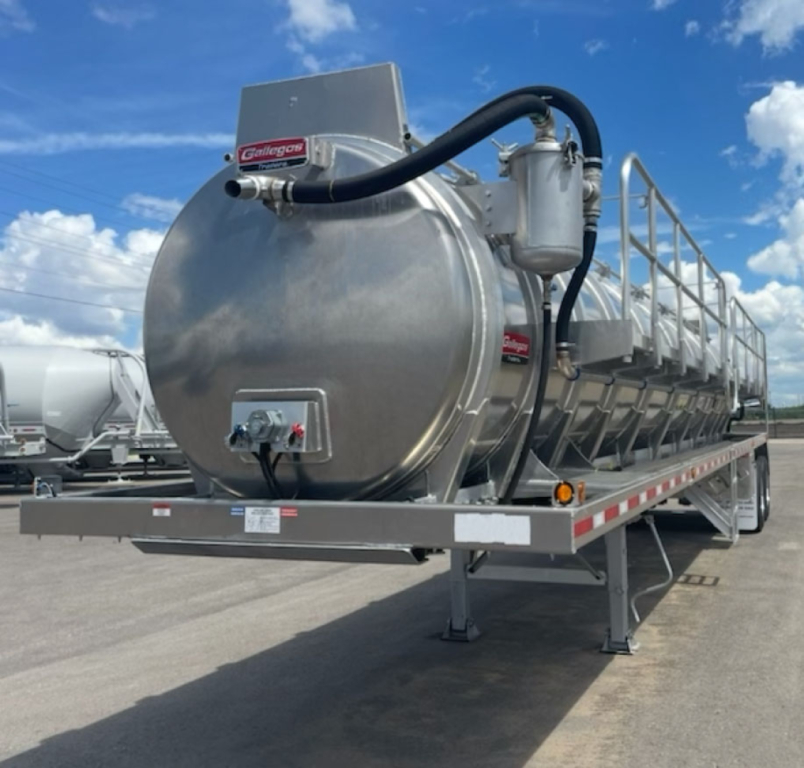
Gallegos vacuum tank trailers are built for jobs where containment, corrosion resistance, and service access are critical. Aluminum vacuum tanks in the 150-barrel class are a common fit for oilfield, environmental, septic, and industrial waste applications. Key details include shell and head thickness, baffle layout, manhole count and placement, rear discharge sizing, scrubber setup, sight glasses, hose tray design, and whether the trailer has the lining or valve package required for the material being hauled. Buyers should also verify axle rating, tire size, suspension type, ABS, ladder and catwalk access, and the layout of toolboxes, work lights, and pressure gauges. These are not minor convenience items on a vacuum unit. They affect loading efficiency, washout time, driver safety, and serviceability in the field.
Across the Gallegos lineup, the best trailer is the one that matches your commodity, your route profile, and your maintenance plan. Lighter aluminum units can improve payload and corrosion resistance, while heavier steel specifications may hold up better in abrasive service and rough jobsite conditions. Tandem axle air ride setups remain the standard for many fleets because they balance ride quality, weight distribution, and maintenance familiarity. Before buying, confirm cubic capacity or barrel rating, legal gross weight strategy, valve and discharge arrangement, hose storage, and the exact suspension and axle package. Those details determine how well a Gallegos trailer fits daily operations, not just how it looks on paper.
Frequently Asked Questions about New Gallegos Trailers
What types of new Gallegos trailers are most common?
The most common new Gallegos trailers on the market are pneumatic dry bulk trailers and vacuum tank trailers. Pneumatic models are used for dry commodities such as cement, sand, lime, and fly ash, while vacuum tanks are used for liquid waste, sludge, oilfield service, and industrial vacuum work. Each design is purpose-built, so the right choice depends on whether the load is dry bulk moved by air pressure or material handled through vacuum and discharge systems.
Should I choose an aluminum or steel Gallegos trailer?
Aluminum is usually chosen when lower empty weight and corrosion resistance are the top priorities. That can improve payload and make sense for many bulk and tank applications. Steel is often selected for tougher abrasion environments or operations that value added structural ruggedness over tare weight. The right answer depends on commodity type, route conditions, expected service life, and how much payload sensitivity matters in your operation.
What should I look for in a Gallegos pneumatic dry bulk trailer?
Focus on cubic capacity, trailer length, body and hopper thickness, pressure and hydrostatic test ratings, discharge system design, and suspension specification. Flow cone vibration systems, bottom drop discharge hardware, hose tube storage, and wheel and tire setup all affect day-to-day usability. It is also smart to verify cleanout access, parts compatibility, and whether the trailer is configured for the exact dry commodity you plan to haul.
What matters most when buying a Gallegos vacuum tank trailer?
The major factors are barrel capacity, shell material and thickness, baffle design, manhole access, discharge valve configuration, and the trailer's vacuum system support equipment such as scrubbers and gauges. Buyers should also review axle ratings, ABS, suspension, hose tray layout, ladder and catwalk access, and any interior lining requirements. These details directly affect safety, corrosion control, maintenance intervals, and how efficiently the trailer can be loaded, hauled, and cleaned.
Are tandem axle air ride Gallegos trailers standard?
Tandem axle air ride is a very common configuration because it offers a good balance of ride quality, weight distribution, and serviceability. Many operators prefer air ride for sensitive tank and bulk applications since it helps reduce shock loading and supports more stable road manners. Even so, axle capacity, tire size, wheel material, and suspension brand should still be checked closely because those details influence durability and legal payload strategy.