
Used 2010 Fontaine Trailers For Sale
Shop used 2010 Fontaine trailers for sale. Compare durable Fontaine flatbed and platform trailer specs, construction, ride options, and features.
No exact matches found for your search
Showing 2010 Used Trailers instead.
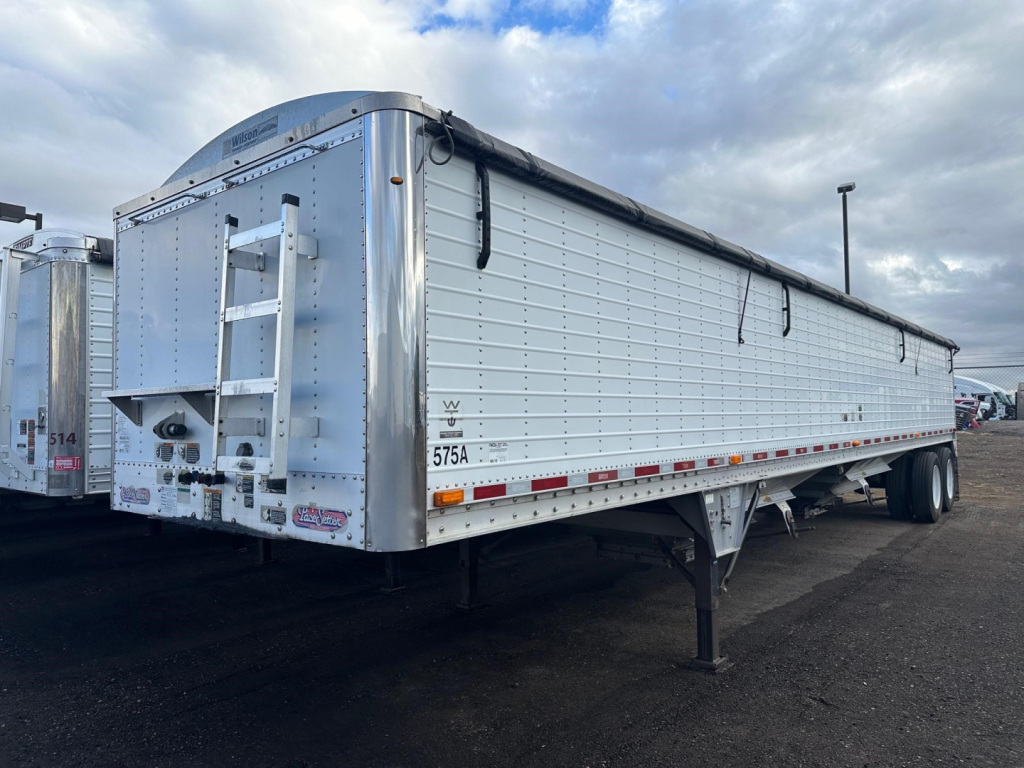
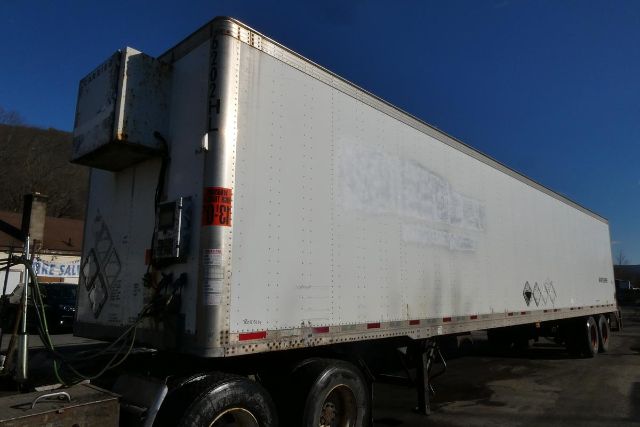

Selling a used 2010 fontaine trailer? List your used 2010 fontaine trailer for sale and reach thousands of commercial buyers.
Used 2010 Fontaine Trailers
For most buyers, the biggest split is between a standard flatbed and a more specialized specification. Some 2010 Fontaine trailers were built with spread axles, coil packages, sliding winches, nail strips, chain tie-downs, and dunnage storage, while others are simpler platform trailers intended for general commodity work. Air ride versus spring ride is another practical decision point. Air ride can be a better fit for higher-value or damage-sensitive loads, while spring ride may appeal to operators focused on simplicity and lower maintenance complexity. If the trailer is intended for regional steel or construction freight, look closely at winch track condition, rub rail design, stake pockets, and any signs of repeated concentrated loading over the tandem or coil well area.
A used 2010 Fontaine trailer should also be evaluated around age-related wear items that affect both compliance and operating cost. Pay close attention to floor rot or deck fatigue, corrosion around crossmembers and side rails, suspension bushings, brake components, wheel end service history, and tire wear patterns that may point to alignment or axle issues. On open-deck trailers, damaged scuff areas, cracked welds near the landing gear mounts, and bent rear impact guards can indicate hard use. If the trailer has aluminum components, inspect for galvanic corrosion where steel and aluminum meet, especially around fasteners and structural contact points.
Fontaine trailers from this era remain relevant because they were commonly spec'd for straightforward freight applications and are generally familiar to fleets, owner-operators, and repair shops. A well-maintained 2010 Fontaine can still make sense for general flatbed work if the structure is sound and the securement package matches the freight mix. Buyers comparing listings should focus on legal length and axle setup, empty weight, deck material, and how well the trailer’s original spec fits the lanes it will actually run.
Frequently Asked Questions about Used 2010 Fontaine Trailers
What should I inspect first on a used 2010 Fontaine trailer?
Start with the structure. Check the main beams, crossmembers, outriggers, rear frame, and landing gear mounts for cracks, repairs, corrosion, or signs of overloading. After that, inspect the deck, suspension, brakes, tires, and wheel ends. On a 2010 trailer, condition and maintenance history are usually more important than any single factory option.
Are 2010 Fontaine trailers usually flatbeds?
Many used 2010 Fontaine trailers on the market are flatbed or platform trailers, because Fontaine has a strong presence in open-deck freight. Common setups include 48-foot and 53-foot trailers with steel, combo, or aluminum construction. Exact specifications vary, so buyers should verify axle spread, deck type, securement equipment, and suspension before matching a trailer to a freight lane.
Is air ride better than spring ride on a 2010 Fontaine trailer?
Air ride is often preferred for freight that is more damage-sensitive because it generally offers a smoother ride. Spring ride is simpler and may be less expensive to maintain, which can make it attractive for tougher commodity hauling. The right choice depends on the cargo, road conditions, and how much value the operator places on ride quality versus mechanical simplicity.
What common features add value on a used Fontaine flatbed trailer?
Useful features often include sliding winches, winch tracks, coil packages, chain tie-downs, aluminum bulkheads, dunnage racks, tool boxes, nail strips, and tire inflation systems. Spread axle configurations and lighter combo construction can also matter, depending on the freight. The best value comes from features that reduce securement time, protect cargo, and fit the loads the trailer will haul most often.
Can a 2010 Fontaine trailer still be a good buy for commercial use?
Yes, if the trailer has solid structural condition, serviceable running gear, and a specification that fits the intended application. Many 2010 trailers remain productive in steel, lumber, machinery, and general flatbed service. The key is confirming that age-related wear has been addressed and that the trailer’s empty weight, axle layout, and securement package still make economic sense for current freight demands.