
New 2027 Fontaine Trailers For Sale in Texas
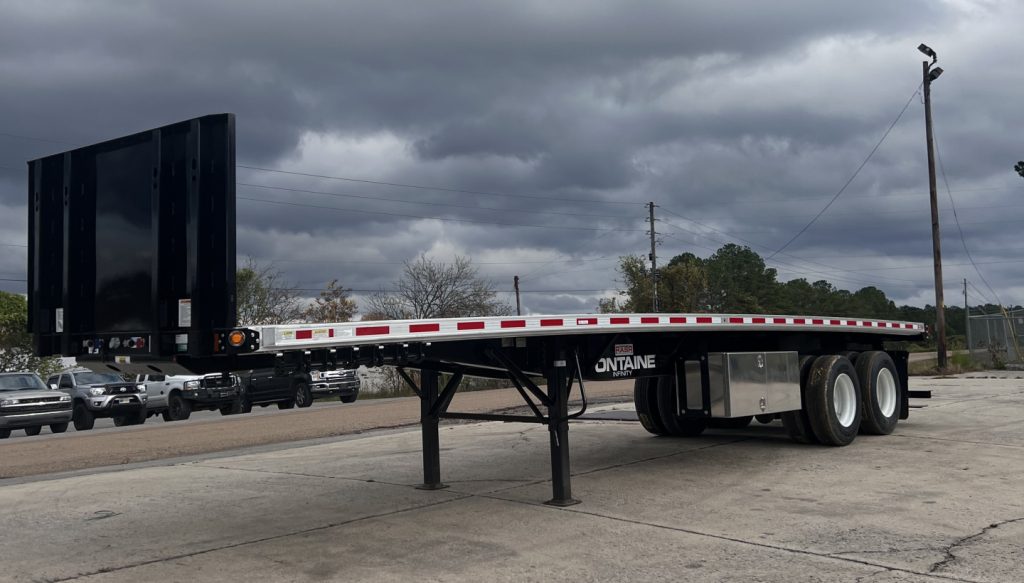
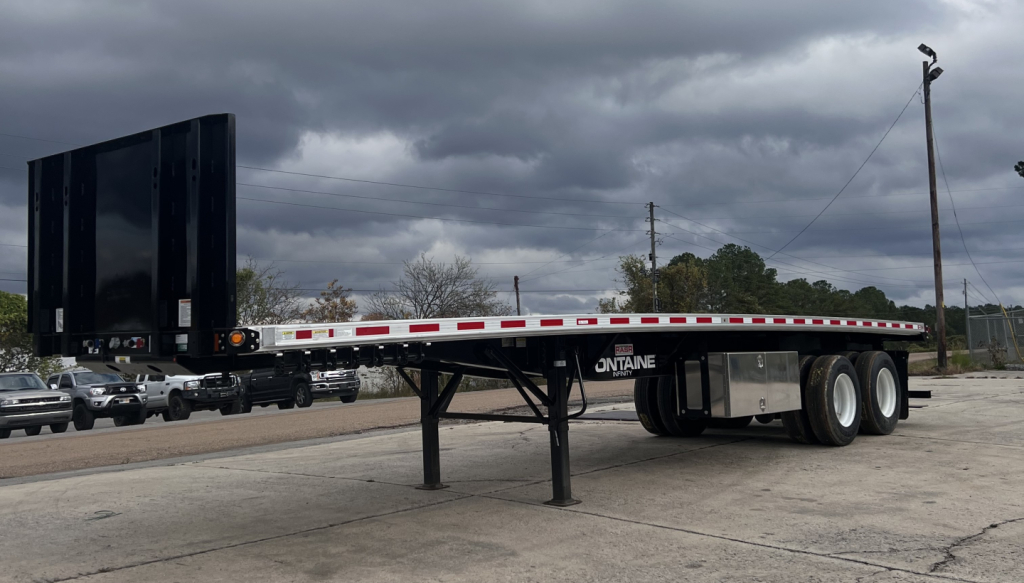
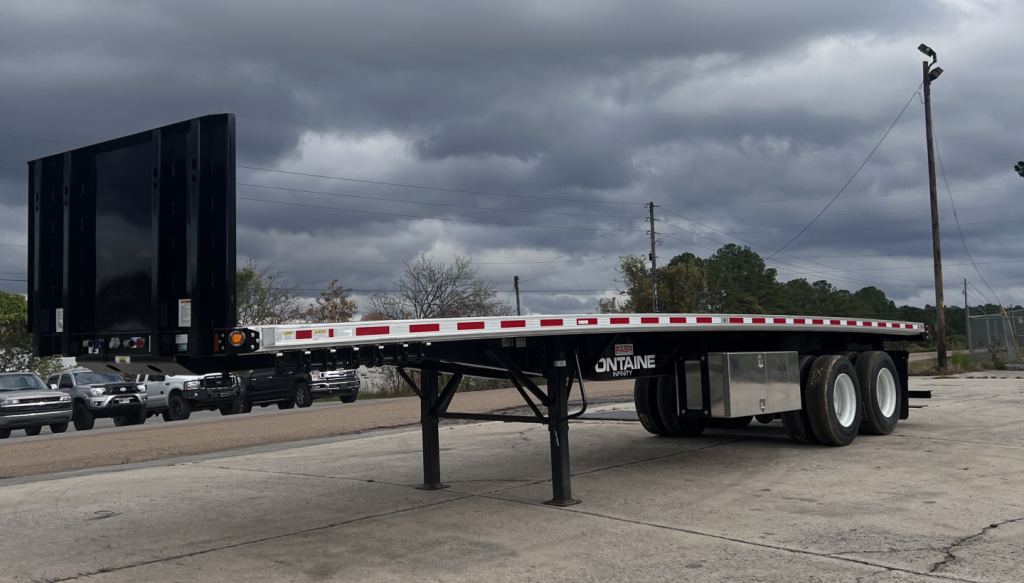
Shop new 2027 Fontaine trailers in Texas, including flatbed and drop deck models with aluminum construction, air ride, winch tracks, and axle options.
Learn more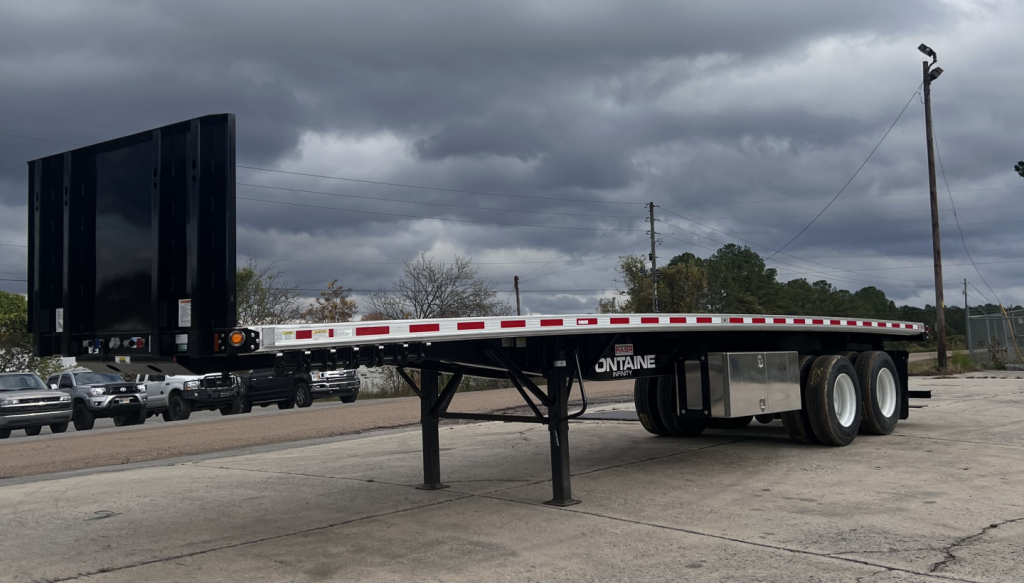
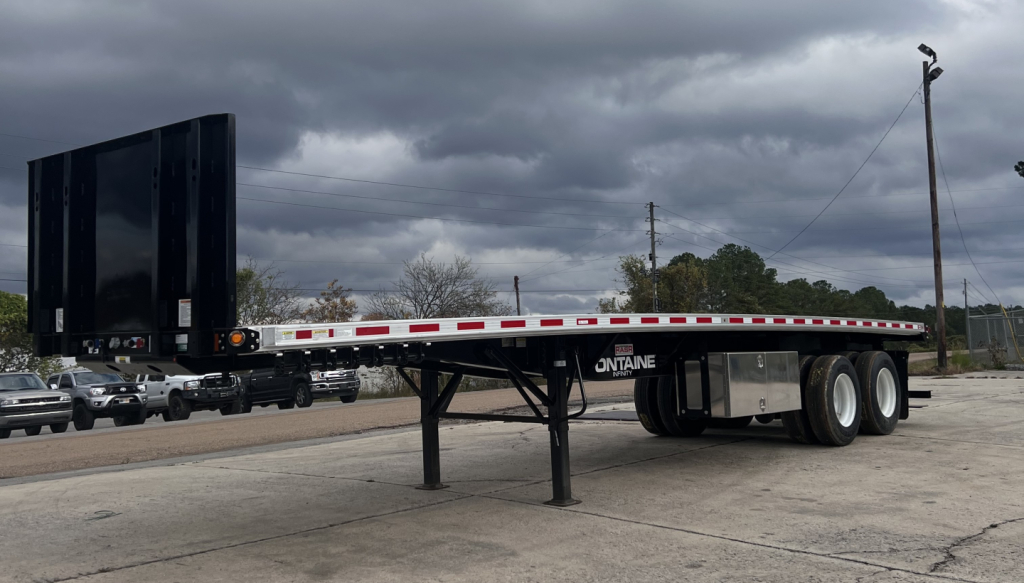
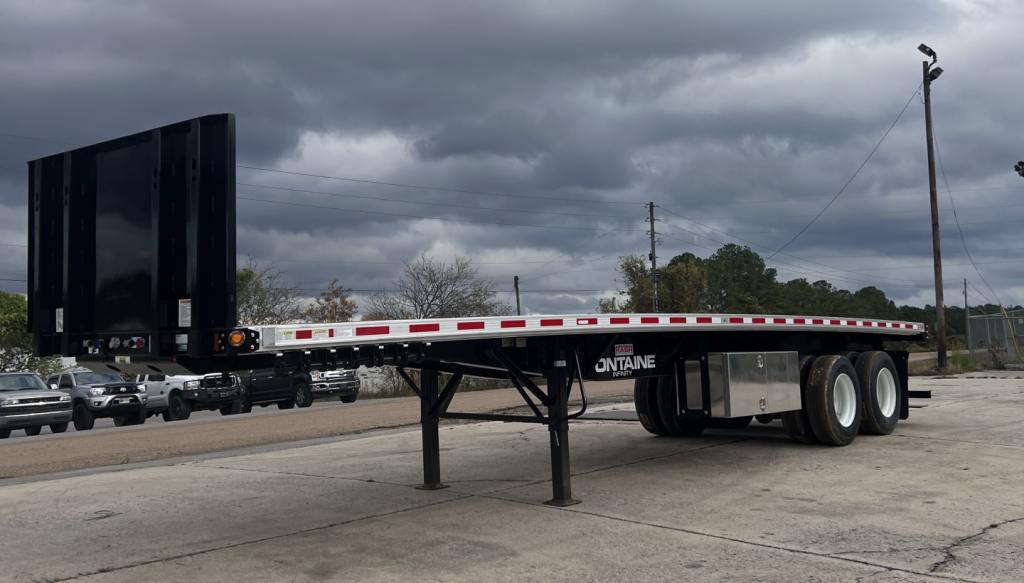
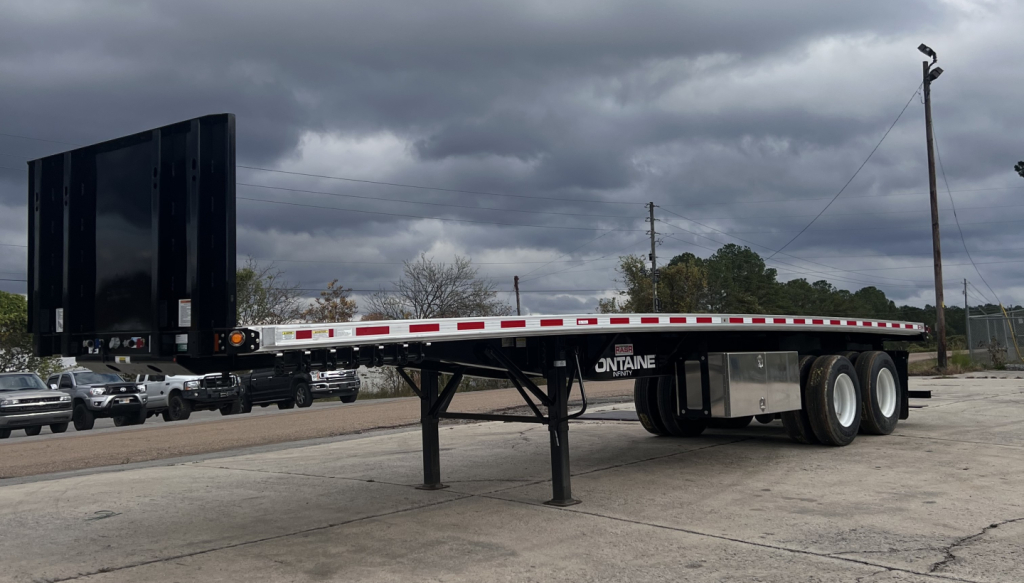
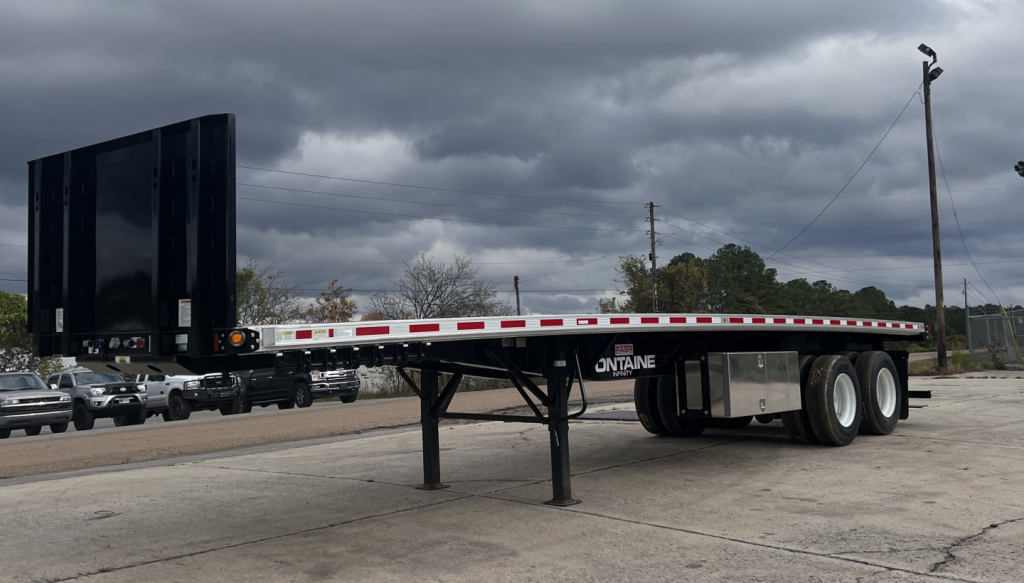
Showing 25 to 32 of 32 results
Have new 2027 fontaine trailer to sell? List it here to reach thousands of buyers.
About New 2027 Fontaine Trailers in Texas
The biggest decision is usually flatbed versus drop deck. A Fontaine flatbed trailer gives you a full-length open deck and lower empty weight, which is useful for legal payload on palletized freight, pipe, lumber, coils, and general construction materials. A Fontaine drop deck, also called a step deck trailer, adds lower deck height for taller freight that would exceed legal height on a standard flat. Common specs in this class include 10-foot upper decks, 38-inch to 43-foot lower decks depending on overall trailer length, and loaded rear deck heights around 40 inches. If your lanes include taller equipment, crated machinery, or freight that benefits from easier loading angles, the drop deck usually gives you more versatility.
Construction details matter on a new Fontaine trailer because they directly affect maintenance cost and usable payload. Many 2027 Fontaine models use aluminum main components or combo construction, often paired with aluminum flooring and wood nailer strips. Galvanized steel crossmembers and main beam packages are also common for corrosion resistance, especially in demanding regional service. Look closely at concentrated load ratings, main beam flange capacity, coil package setup, flooring thickness, and side rail design. Features like integrated rub rails, recessed chain tie-downs, stake pockets on 24-inch centers, multiple load securement openings, and full-length winch tracks on both sides make a real difference if the trailer will haul mixed freight instead of one dedicated commodity.
Texas buyers should also pay attention to kingpin setting, axle spread, and sliding rear axle configuration because those specs affect bridge compliance, weight distribution, and how easily the trailer adapts across state lines. Air ride suspension, 4S/2M ABS, electric dump valves, and tandem axle layouts are common on late-model Fontaine open-deck trailers. Wide-spread tandems can help with weight placement, while rear axle slides can add flexibility for California or multi-state operation. Tire size, wheel material, toolbox options, dock bumpers, spare tire carriers, and lighting layout are smaller details, but they influence daily usability. A well-spec'd 2027 Fontaine trailer should match the freight first, then the region, then the maintenance expectations of the fleet.
Frequently Asked Questions
What is the difference between a Fontaine flatbed trailer and a Fontaine drop deck trailer?
A Fontaine flatbed trailer has one continuous deck height from front to rear, which makes it a strong choice for standard open-deck freight and the best possible payload in many applications. A Fontaine drop deck trailer, also called a step deck, has an upper deck and a lower deck so it can legally carry taller freight without exceeding overall height limits. Buyers hauling machinery, prefabricated materials, or taller freight often prefer a drop deck, while buyers focused on general building products, steel, or palletized freight often stay with a flatbed.
What trailer lengths and configurations are common on new 2027 Fontaine trailers?
In this category, 48-foot and 53-foot Fontaine trailers are common, usually in 102-inch-wide open-deck configurations. Flatbeds are often seen in 48-foot layouts, while drop decks may be found in both 48-foot and 53-foot versions with a 10-foot upper deck and a longer lower deck. Tandem axle, wide-spread tandem, and rear axle slide setups are all common depending on the states the trailer will run and the type of freight being loaded.
Why do buyers pay attention to kingpin setting and axle spread on a Fontaine trailer?
Kingpin setting and axle spread affect weight distribution, turning characteristics, and state bridge-law compliance. A trailer with the right kingpin setting can help match a specific tractor wheelbase and fifth wheel height, while axle spread and sliding axle options can improve legal load placement across multiple jurisdictions. These details matter most for fleets running heavier freight or operating across several states where bridge formulas and axle rules vary.
What load securement features should I look for on a new Fontaine open-deck trailer?
The most useful securement features are the ones that support different freight types without forcing field modifications later. Buyers should look for full-length winch tracks, sliding winches, integrated rub rails, recessed chain tie-downs, stake pockets on 24-inch centers, coil package capability, and multiple side-rail securement openings. Those features allow the trailer to handle coils, machinery, bundled material, palletized freight, and odd-shaped loads with fewer compromises.
Are aluminum and combo Fontaine trailers better than all-steel trailers?
Aluminum and combo Fontaine trailers are usually chosen for lower tare weight and improved corrosion resistance, which can increase payload and reduce long-term maintenance in many applications. Steel still has advantages in certain severe-duty environments, but many open-deck buyers prefer aluminum main structures or combo designs because they balance durability with freight capacity. The better choice depends on the freight, the annual mileage, and how aggressively the trailer will be loaded and unloaded.