
Used Flatbed Trailers For Sale in Texas
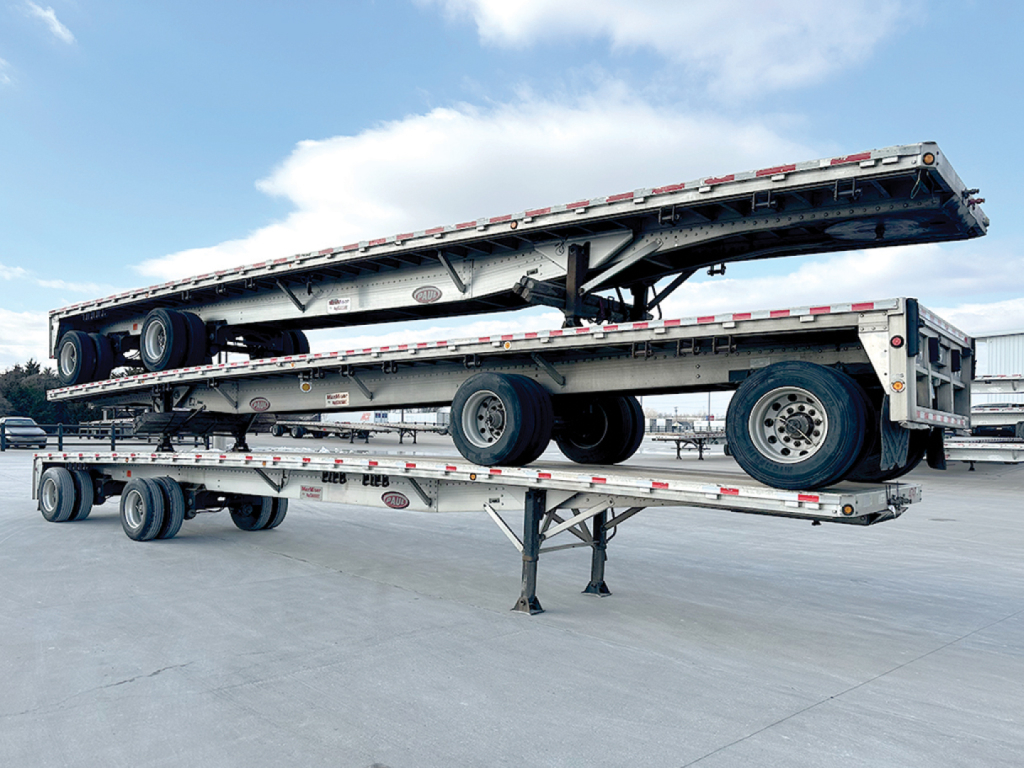
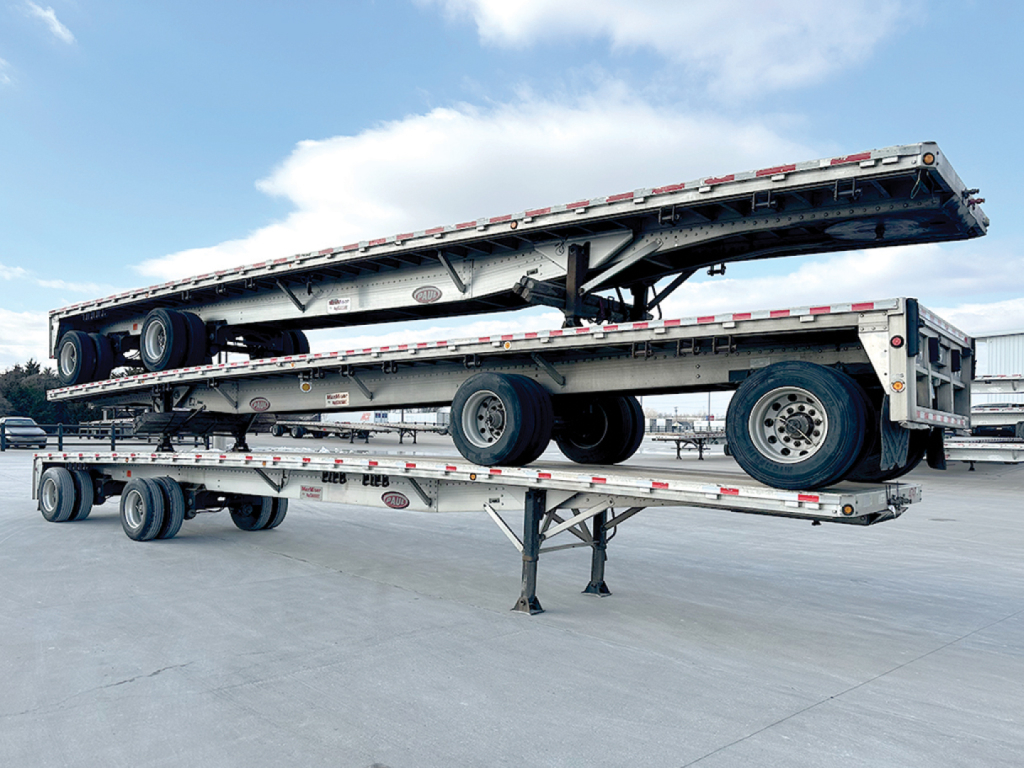
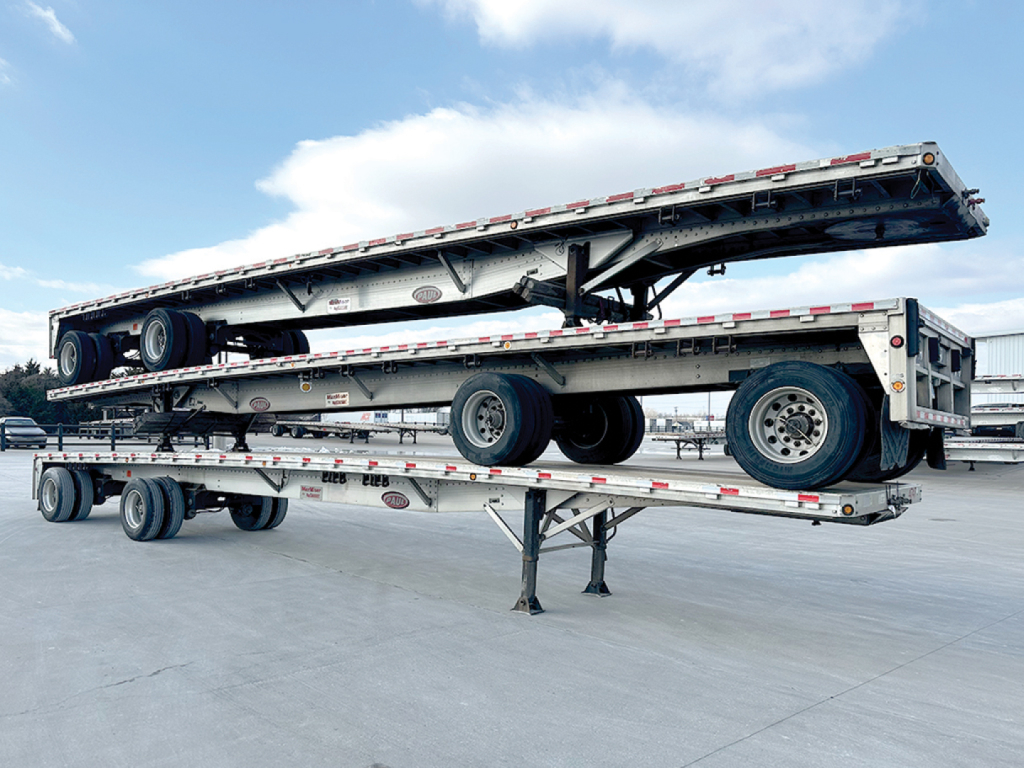
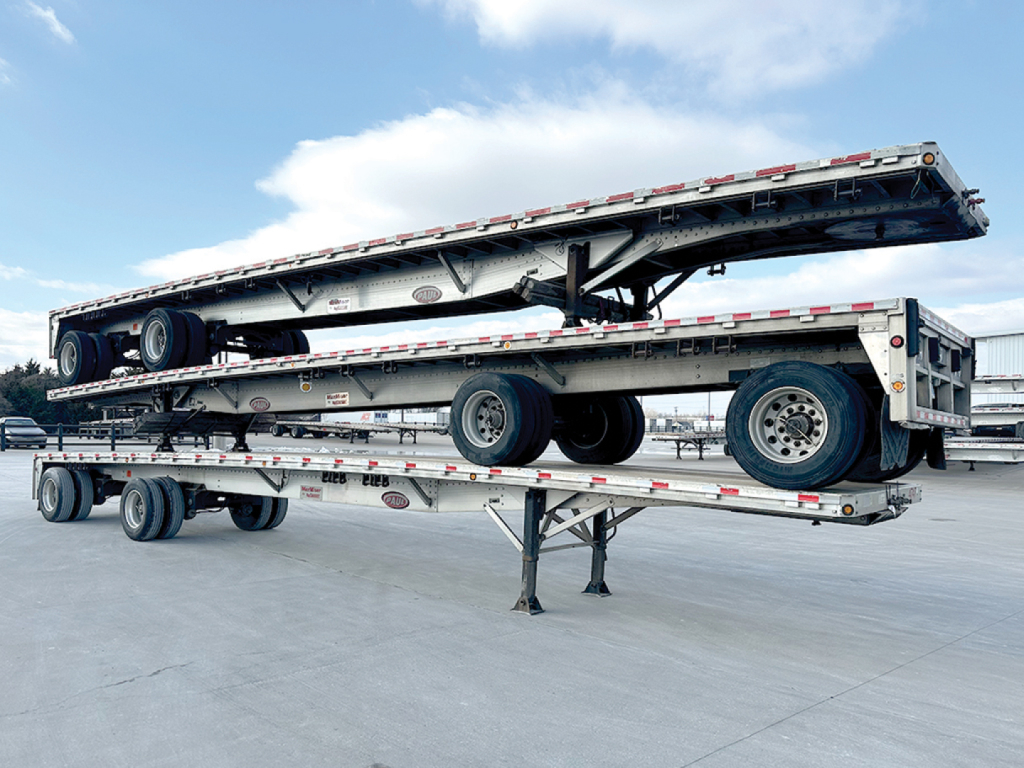
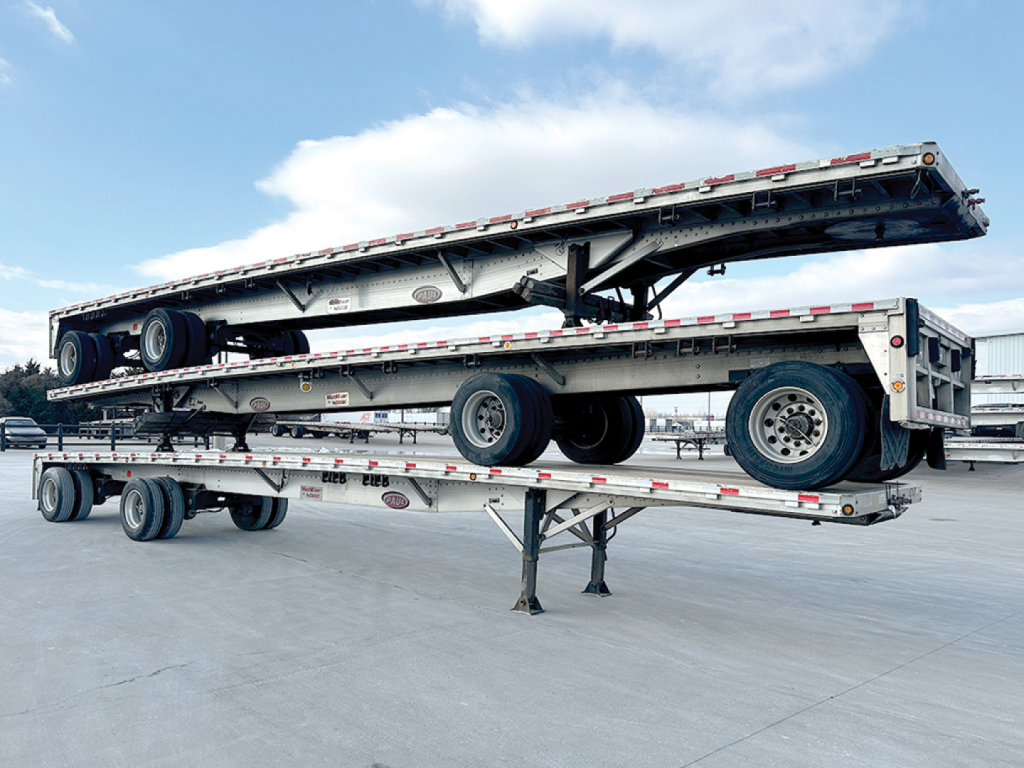
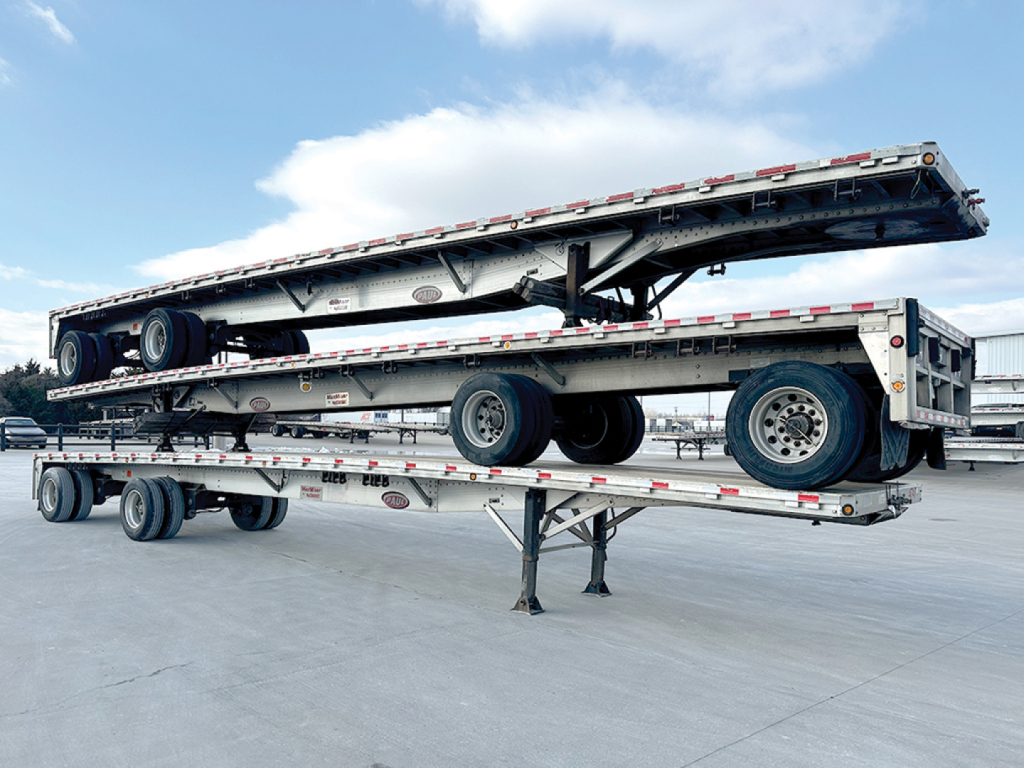
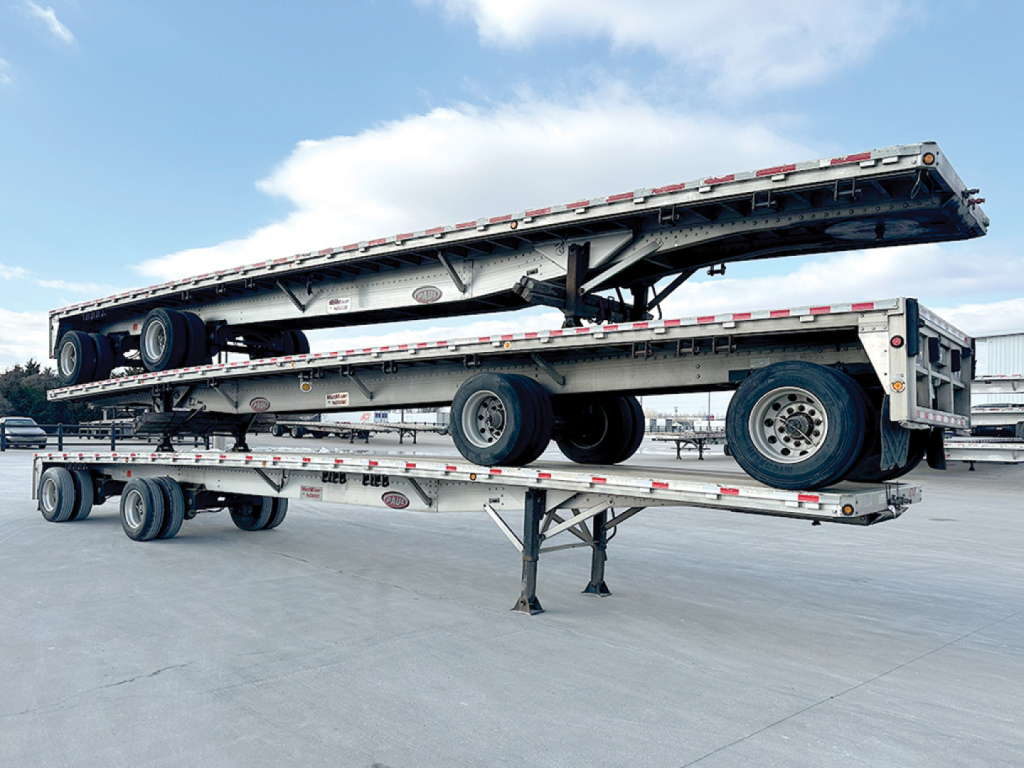
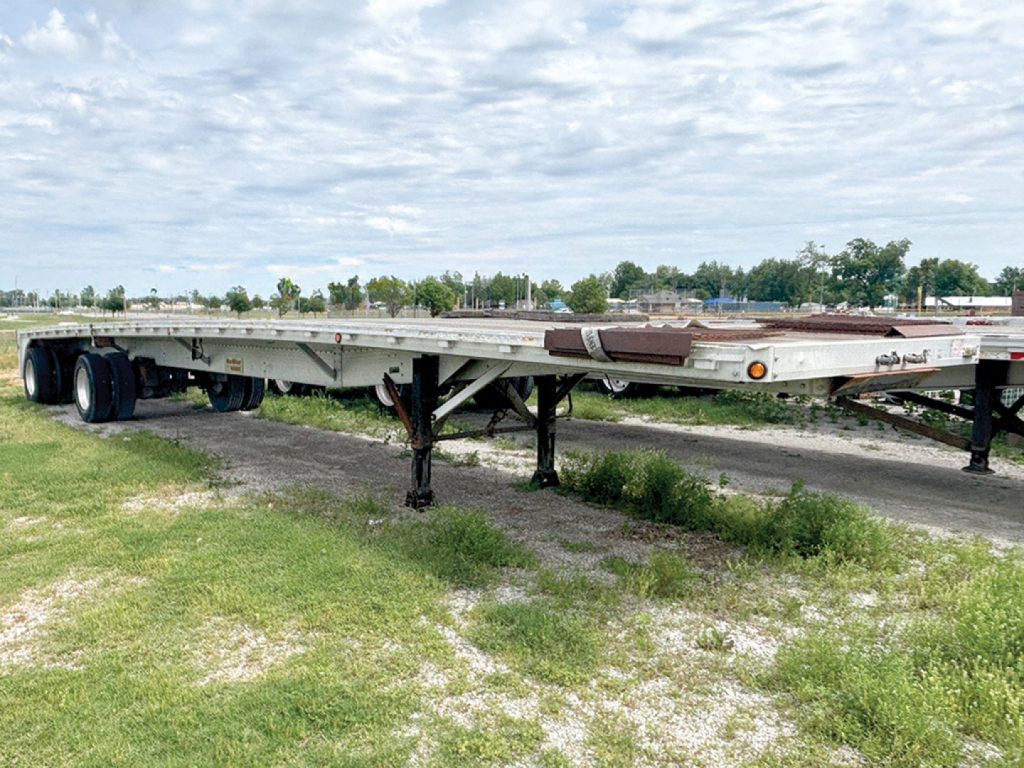
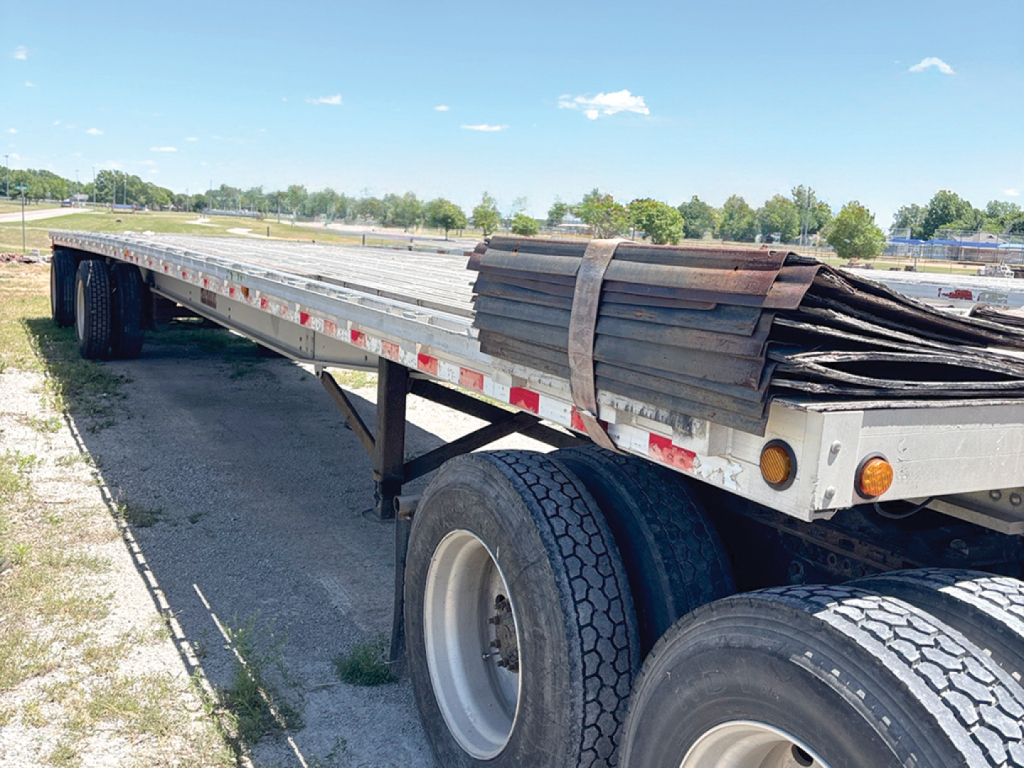
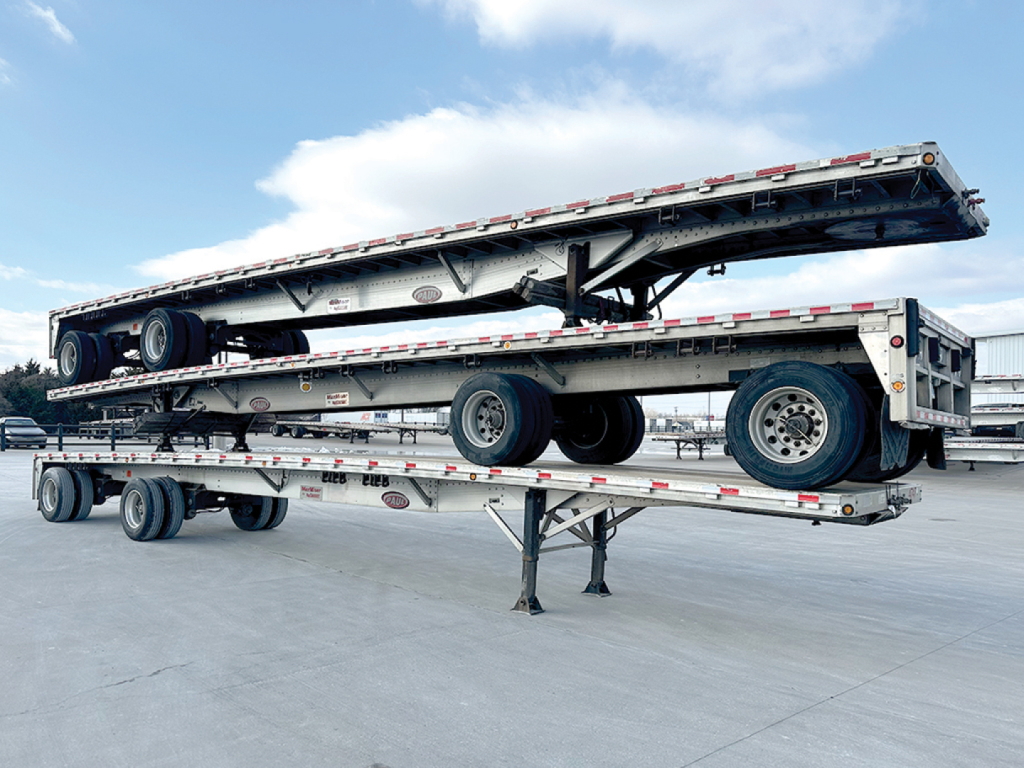
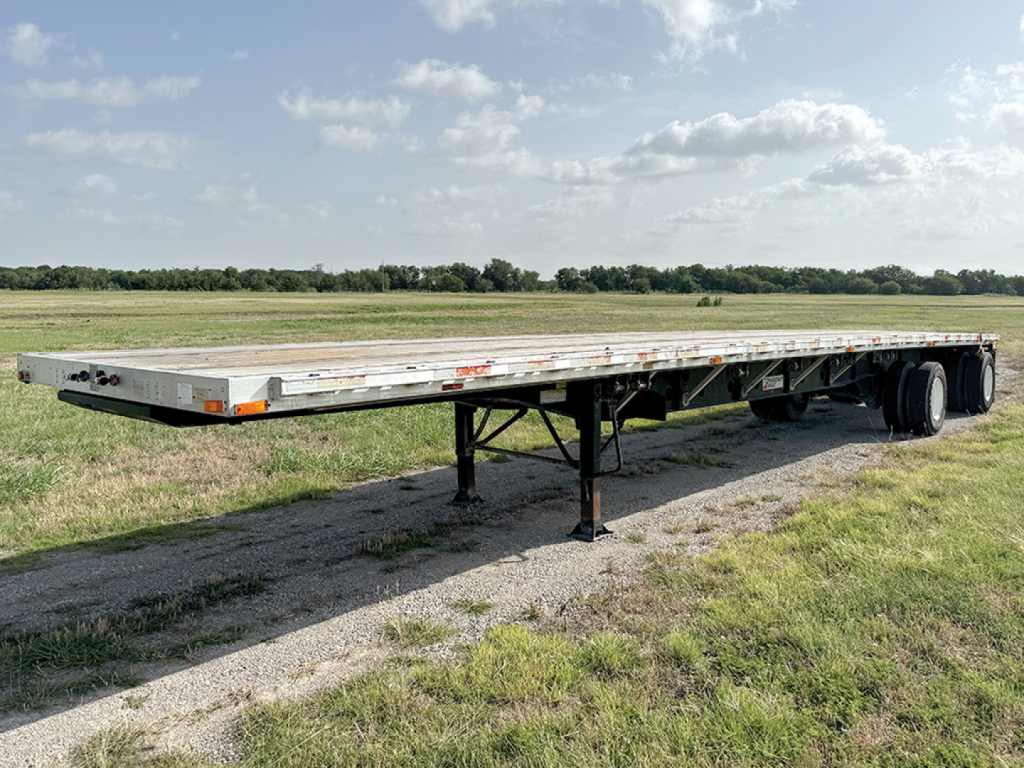
Used flatbed trailers for sale in Texas, including 48-ft and 53-ft models with spread axles, winch tracks, coil packages, and aluminum floors.
Learn more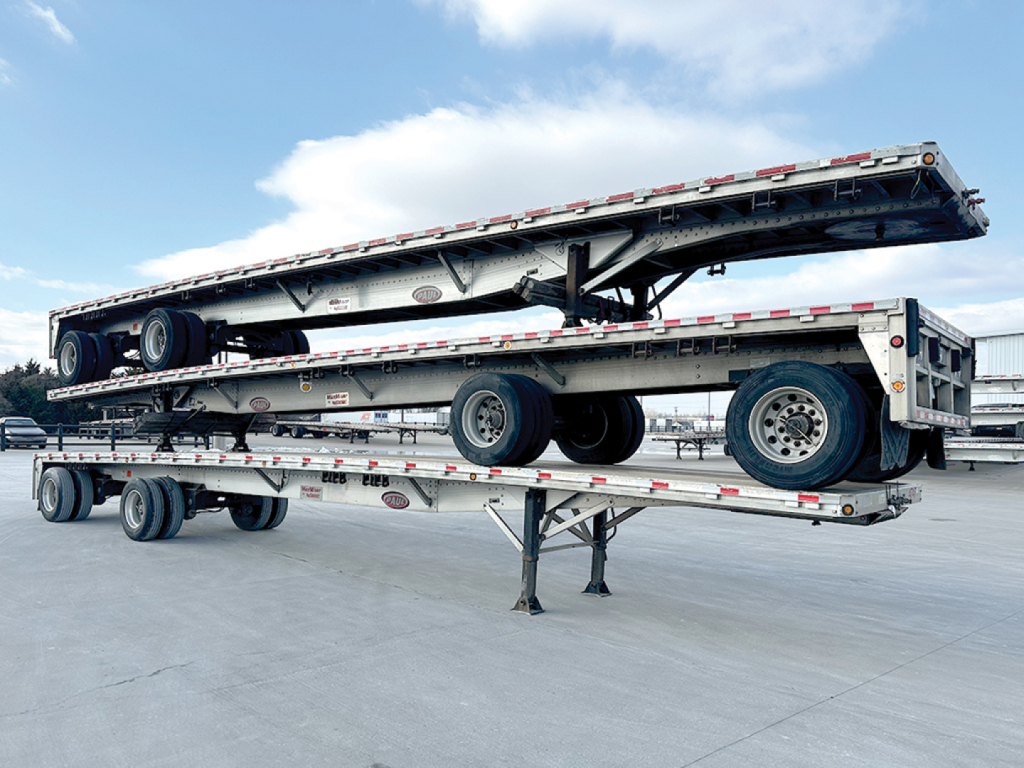
Showing 1 to 12 of 52 results
Have used flatbed trailer to sell? List it here to reach thousands of buyers.
About Used Flatbed Trailers in Texas
Spec details matter because they directly affect securement speed, maintenance, and lane flexibility. Many used flatbed trailers in Texas are equipped with aluminum floors, nail strips, sliding winch tracks with winches, and double spool setups. Those features are important for carriers hauling mixed freight that requires frequent strap and chain repositioning. Coil packages are another key option, particularly for steel service, since they allow the trailer to handle coil freight safely and legally when paired with the right securement equipment. Spread axles are common on flatbeds because they help distribute weight and improve bridge compliance, though buyers should confirm axle spacing and think about how spread configurations fit the states and shippers they serve.
Ride and running gear deserve close attention on any used flatbed trailer. Air ride suspension is widely preferred for protecting freight and reducing shock loads, especially on building materials, fabricated steel, and machinery. Tire inflation systems can lower maintenance interruptions and help preserve tire life across long Texas routes. Low-profile 22.5 tires and disc wheels are also common, and they can simplify replacement planning if they match the rest of your fleet. On a used trailer, inspect crossmembers, outer rails, suspension components, kingpin area, floor condition, and winch track wear. If the trailer has an aluminum toolbox, check mounts, hinges, and corrosion points around hardware and mixed-metal contact areas.
For Texas operations, a used flatbed trailer needs to do more than just carry weight. It needs to fit real freight patterns, permit considerations, and loading practices across regional and long-haul lanes. A lighter 53-foot trailer may make sense for maximizing legal payload on longer freight, while a 48-foot model can still be a strong fit for specialized accounts, steel hauling, or operations that prioritize maneuverability and proven simplicity. Buyers should match deck length, axle layout, securement hardware, and trailer weight to the freight they actually haul most often. The best used flatbed is not simply the newest one. It is the one with the right deck, structure, and securement setup for your freight mix, maintenance standards, and revenue goals.
Frequently Asked Questions
What is the most common size for a used flatbed trailer?
The most common flatbed trailer sizes are 48 feet and 53 feet, both typically built to 102 inches wide. A 53-foot flatbed usually offers more deck space and can improve flexibility for general freight, while a 48-foot flatbed is still widely used for steel, machinery, and dedicated hauling applications. The right choice depends on your customer base, typical load dimensions, and how important maximum deck length is to your operation.
Is an aluminum flatbed better than a steel or composite flatbed?
An aluminum flatbed usually offers lower empty weight, which can translate into higher legal payload and better fuel efficiency. Aluminum-and-steel composite flatbeds are popular because they combine lighter deck structure with steel reinforcement in high-wear or high-stress areas. The better choice depends on your freight, loading environment, and maintenance practices. Buyers hauling dense freight often focus on structural condition and tare weight more than material type alone.
Why do many used flatbed trailers have spread axles?
Spread axles help distribute load weight across a wider footprint, which can improve bridge law compliance and make it easier to scale certain loads legally. They are common on flatbed trailers used in general freight, building materials, and steel hauling. The tradeoff is that spread-axle trailers can be harder on tires in tight turns and may be less maneuverable in confined yards or urban deliveries. Buyers should compare the axle setup to their routes and customer locations.
What should I inspect first on a used flatbed trailer?
Start with the structural and securement components. Check the frame, crossmembers, kingpin area, suspension, axle alignment, floor condition, outer rails, and winch track wear. Then inspect tires, wheels, brakes, lights, air system, and any tire inflation system. On flatbeds used for steel or machinery, pay special attention to concentrated load areas, coil package condition, and signs of deck damage from forklifts, chains, or repeated point loading.
What flatbed features matter most for hauling steel or building materials in Texas?
For steel and building materials, the most useful flatbed features often include sliding winch tracks, multiple winches, nail strips, air ride suspension, and a coil package when steel coils are part of the freight mix. Trailer weight is also important because heavier commodities can push gross limits quickly. In Texas, where freight can range from local construction material to long-haul industrial loads, buyers usually benefit from a trailer that balances low tare weight, strong securement options, and a durable deck structure.