
Used 2013 Transcraft Flatbed Trailers For Sale in Nebraska
Used 2013 Transcraft flatbed trailers for sale in Nebraska: compare frame construction, coil ratings, spread axles and corrosion before choosing a trailer.
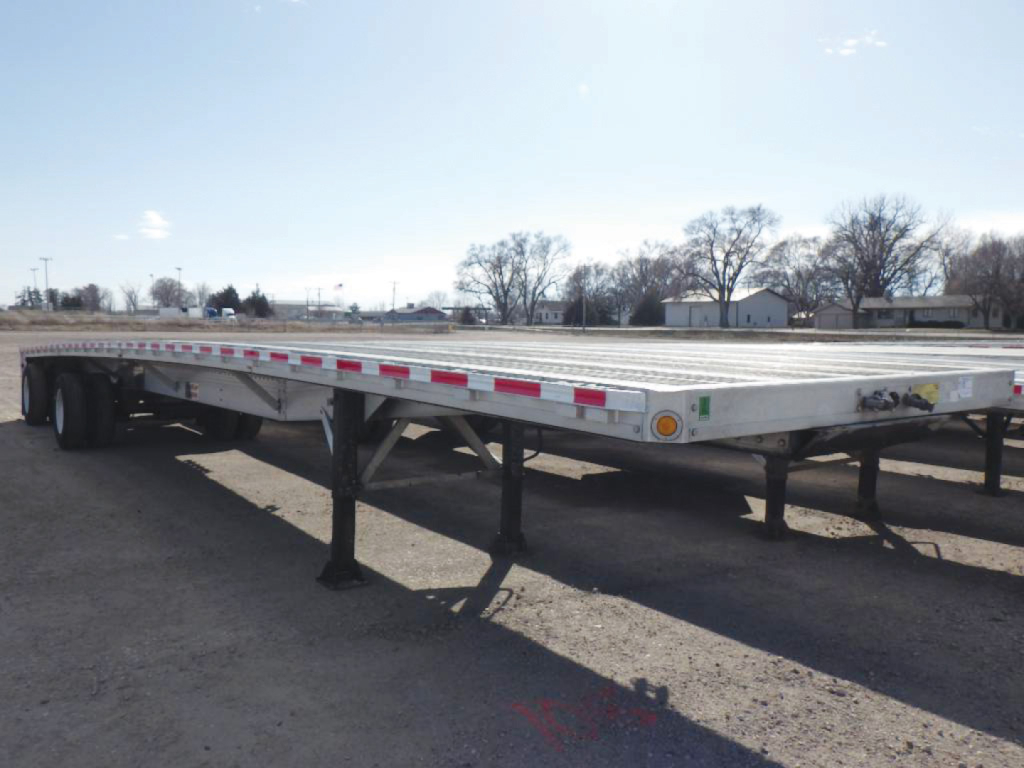
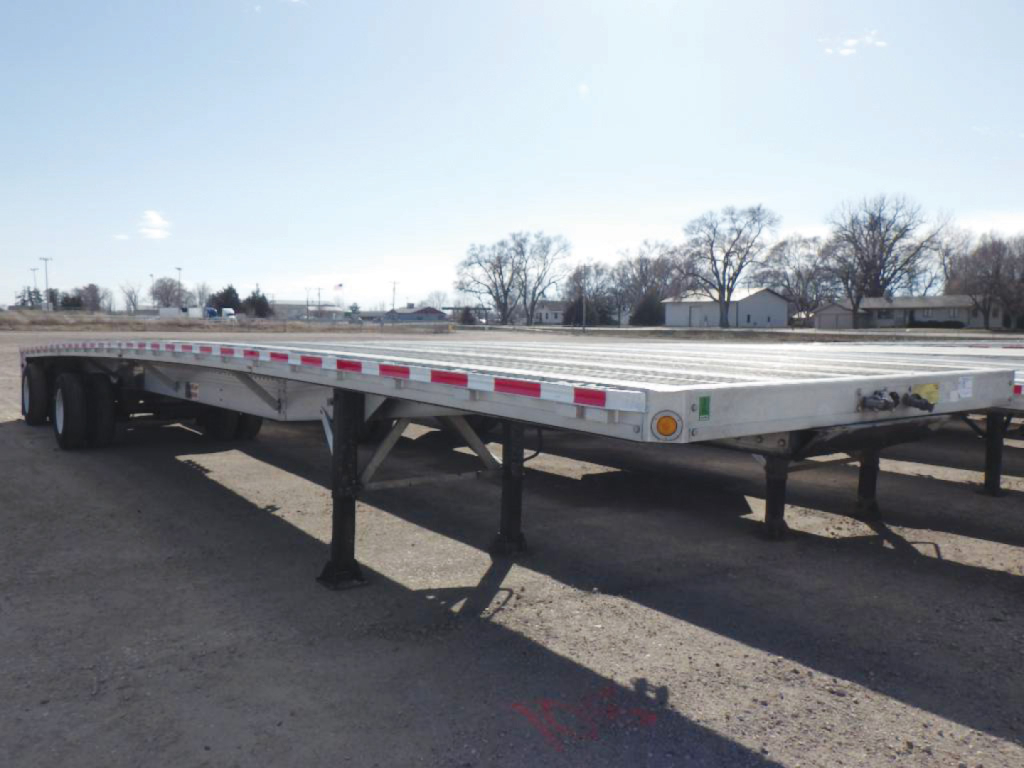
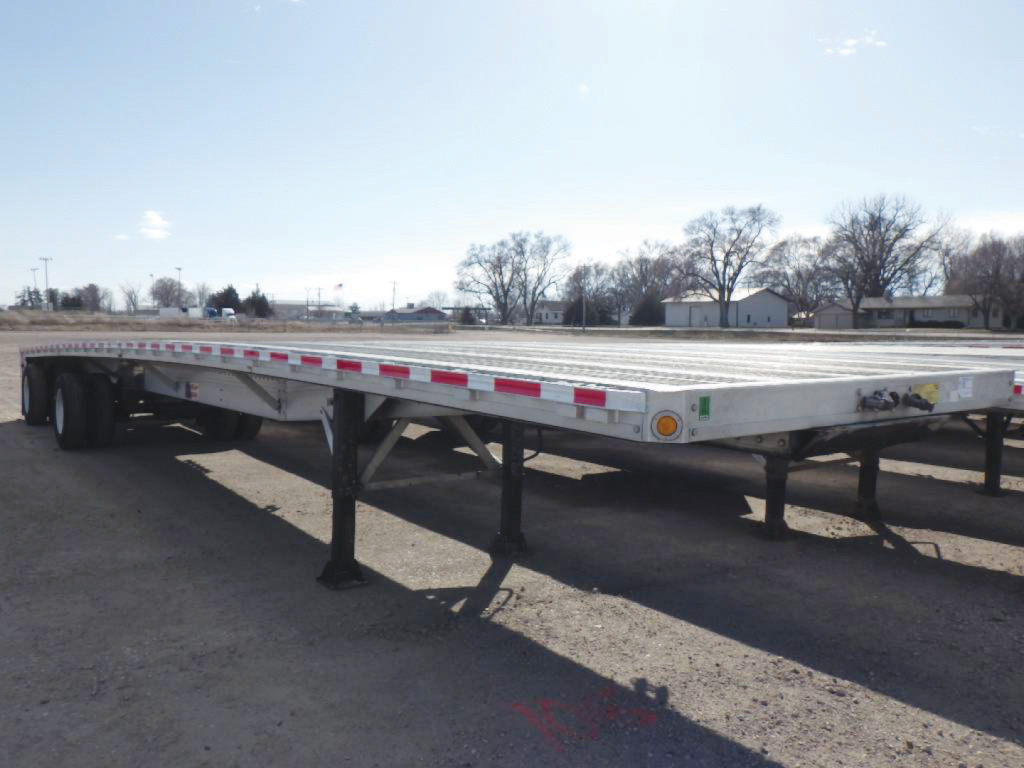
Selling a used 2013 transcraft flatbed trailer? List your used 2013 transcraft flatbed trailer for sale and reach thousands of commercial buyers.
Used 2013 Transcraft Flatbed Trailers in Nebraska
A 2013 trailer is old enough that accumulated fatigue and repair quality deserve a close inspection. Examine main-beam flanges, crossmember connections, the upper coupler and suspension hangers for cracks, distortion or undocumented welding. Check steel-to-aluminum interfaces for corrosion, and inspect nail strips, winch tracks and stake pockets for damage that limits securement. Maintenance records should account for brake work, wheel seals, bearings, air springs and suspension bushings. Have a qualified shop evaluate structural repairs rather than accepting a fresh finish as evidence of condition.
Nebraska's I-80 corridor and agricultural supply traffic put these trailers into steel, building-material and machinery service. Winter deicers make underside corrosion checks essential, especially around dissimilar-metal joints. Verify axle spacing, bridge-formula compliance and route restrictions before treating a spread-axle configuration as additional payload; rural bridges and posted roads can limit an otherwise suitable combination.
Frequently Asked Questions about Used 2013 Transcraft Flatbed Trailers in Nebraska
How much payload can a 2013 Transcraft flatbed legally carry in Nebraska?
Legal payload is the allowable combination weight minus the actual operating weight of the tractor and trailer, subject to individual axle and trailer ratings. Nebraska Interstate operation normally starts with an 80,000-pound gross combination limit, with bridge-formula and axle limits also applying. Scale the empty combination with fuel and equipment aboard, then check the intended load distribution. Permitted overweight moves require separate authorization and route review.
Is a spread-axle Transcraft flatbed better than a sliding tandem?
A spread axle favors load distribution flexibility, while a sliding tandem offers adjustable axle placement and usually less tire scrub in tight turns. On a used 2013 Transcraft flatbed, inspect spread-axle tires for lateral scrub and suspension components for wear from repeated maneuvering. Frequent deliveries into Nebraska farmyards or confined construction sites can make turning behavior more important than highway loading flexibility.
Does a 2013 Transcraft flatbed need working ABS?
Yes, a 2013 Transcraft air-braked semitrailer requires functioning trailer ABS for normal highway operation in the United States. Check the ABS warning lamp sequence, wheel-speed sensor wiring and diagnostic faults before purchase. A lamp that never illuminates is not proof of a fault-free system. Damaged wiring, missing components or persistent faults need diagnosis, even when the service brakes appear to stop the trailer normally.
Will a 48-foot Transcraft flatbed fit my tractor's fifth wheel?
Kingpin location, fifth-wheel height and tractor clearance determine compatibility with a 48-foot Transcraft flatbed, not trailer length alone. Verify clearance between the trailer nose and cab equipment through a turn, plus clearance above the tractor tires and frame. Check that the trailer sits at an appropriate operating height and that air lines and the electrical cable reach without stretching or rubbing.